
Welcome to Modern Agriculture!

Plenty of vegetable and flower seeds can be sown in the UK in December. Some can be sown outside, direct in the ground, while others need to be sown in a heated propagator indoors. Young plants of some hardy varieties can be planted, too.
December is a good time to plant as it means you can get ahead before spring. Sowing vegetables and flowers early can result in earlier harvests – winter-sown broad beans are ready to harvest from May, while hardy annual flowers sown in December can flower several weeks sooner than those sown in spring. Sowing and planting in December can mean fewer empty beds and more roots holding the soil together, which can prevent a loss of soil nutrients and erosion in winter rains.
As well as starting plants from seed, there's plenty of fruit bushes, shrubs and trees that can be planted during mild spells in December. It's a good time to buy bare-root trees, which can be planted between October and March. We've listed some ideas below including garlic, blackberries and gooseberries for crops to enjoy next year, or shrubs and trees like skimmia and acer for autumn and winter interest.
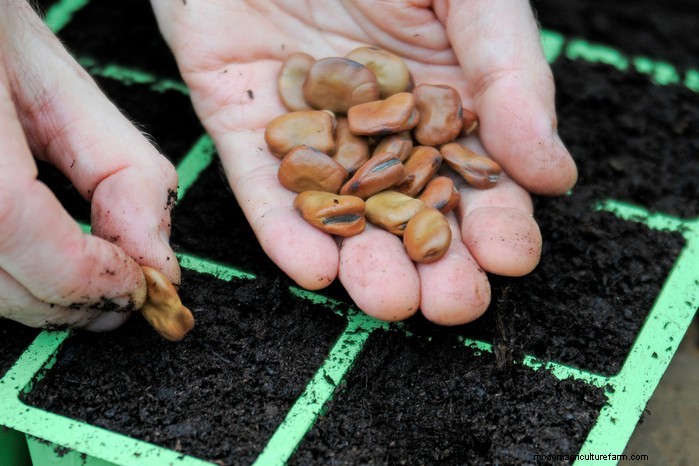
Sowing broad beans. Tim Sandall
When to harvest: May to August
How to grow: sow broad beans in December for a crop as early as May. Sow direct outdoors if conditions are mild – broad bean seeds should germinate within a couple of weeks and will then stop growing and enter dormancy until temperatures pick up in spring. In cold conditions or areas, sow into pre-warmed soil beneath cloches or fleece, or in multi-celled trays in a greenhouse or on a windowsill, which you can plant out later.
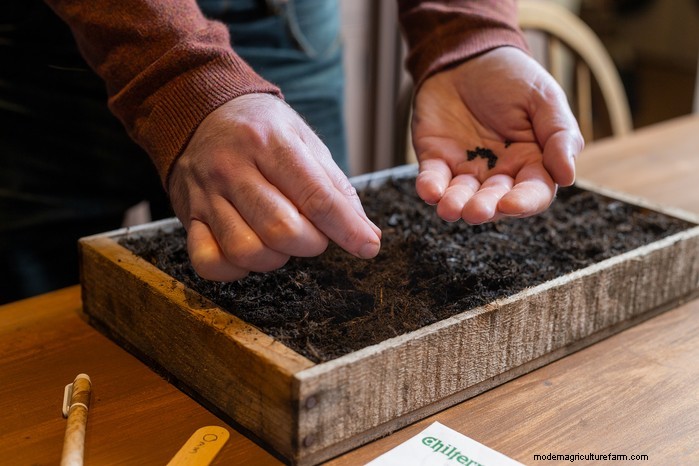
Sowing onion seed. Neil Hepworth
When to harvest: June to September
How to grow: Boxing Day is the traditional day to sow onion seeds. Choose seeds, rather than sets, and start them off in pots indoors or undercover, to aid germination. Plant the young onion plants out in spring, spacing them 10cm apart.
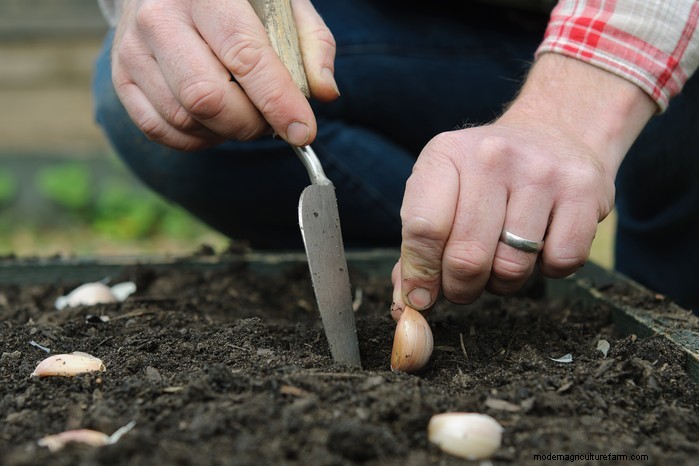
Planting garlic. Jason Ingram
When to harvest: June to August
How to grow: in mild regions, you can plant garlic sets outdoors in well drained soil. If you have a heavy soil then start them off in a multi-celled tray, planting one clove per cell. Water well and keep in a greenhouse or similar until spring, and then plant them out 10-15cm apart.
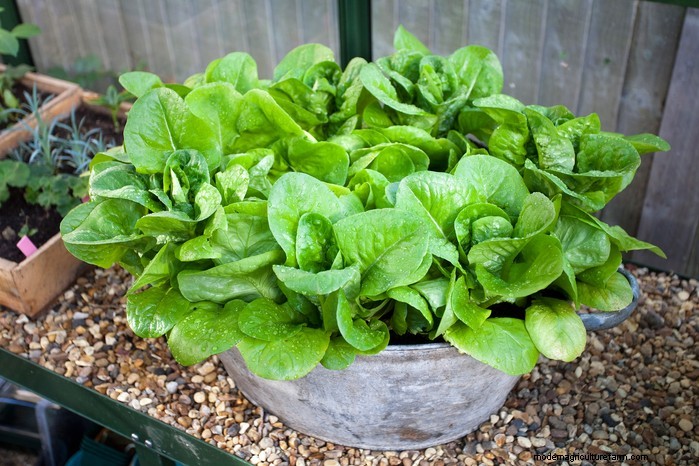
Lettuce 'Winter Gem'. Paul Debois
When to harvest: May to November
How to grow: certain lettuce cultivars, such as 'Winter Gem', have been specially bred for their ability to grow at low temperatures and provide a harvest. Sow in pots in an unheated greenhouse or a cold frame, for the best results.
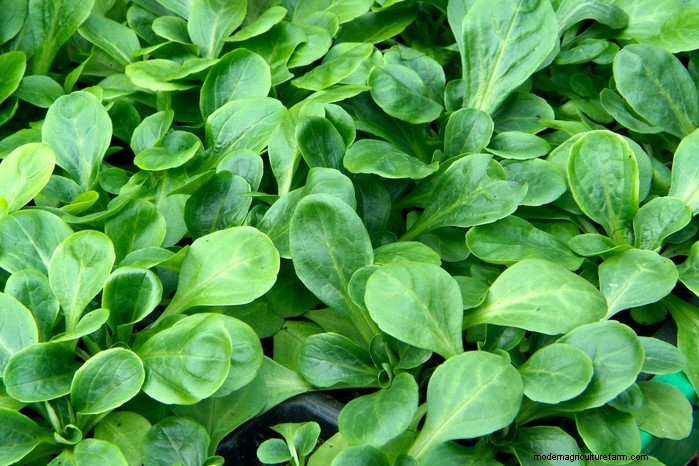
Corn salad. Tim Sandall
When to harvest: October to February
How to grow: lamb's lettuce, also called corn salad, has been grown and eaten for centuries in the winter months. Simply sow the seeds in an unheated greenhouse, and enjoy the freshly picked leaves soon after.
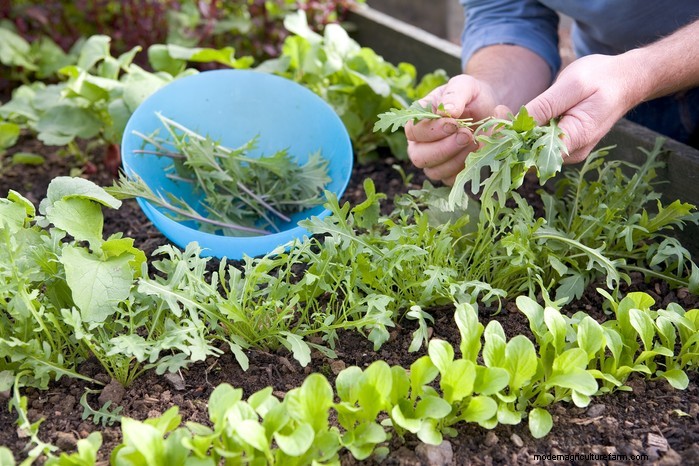
Harvesting salad leaves such as mizuna. Sarah Cuttle
When to harvest: January to December
How to grow: mizuna can be sown in the greenhouse, or on the windowsill, and will crop throughout winter if temperatures remain mild (if they enter dormancy they will start growing again when temperatures increase). The young salad leaves can be used to pep up dishes like soups, salads and stir fries.
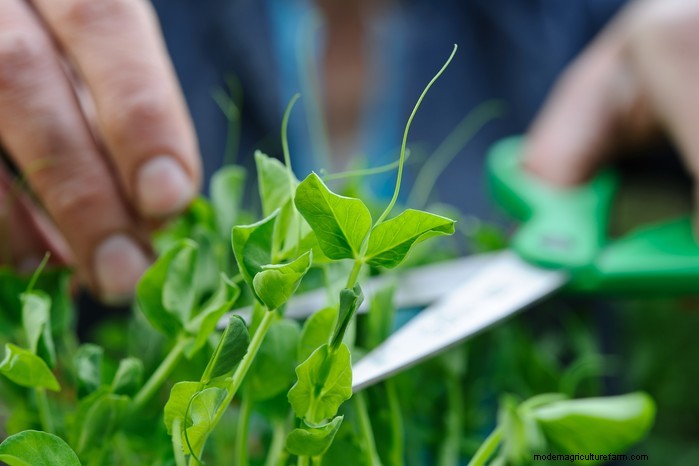
Harvesting microgreens. Jason Ingram
When to harvest: January to December
How to grow: microgreens are the seedlings of leafy herbs and plants that we would usually allow to grow to full size before harvesting. Sow and grow them indoors for a burst of flavour on dishes throughout winter.
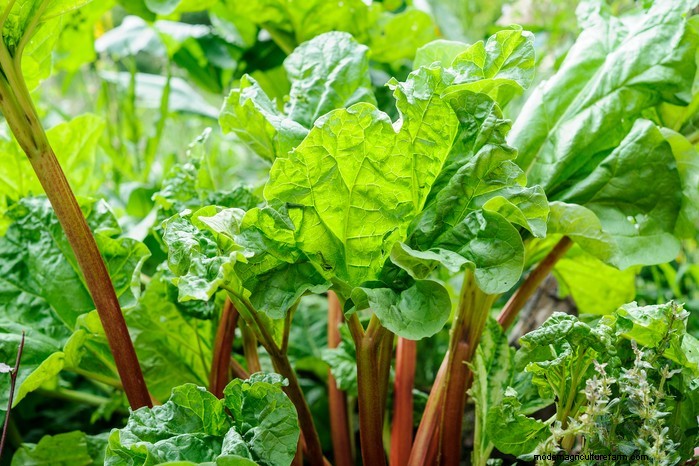
Rhubarb 'Timperley Early'. Jason Ingram
When to harvest: June to July
How to grow: bare-root rhubarb crowns can be planted between November and March, but avoid any time that the ground is frozen or waterlogged. Plant so that the tip of the crown (which will be where the leaves come from) is just above the soil surface. Firm in well after planting.
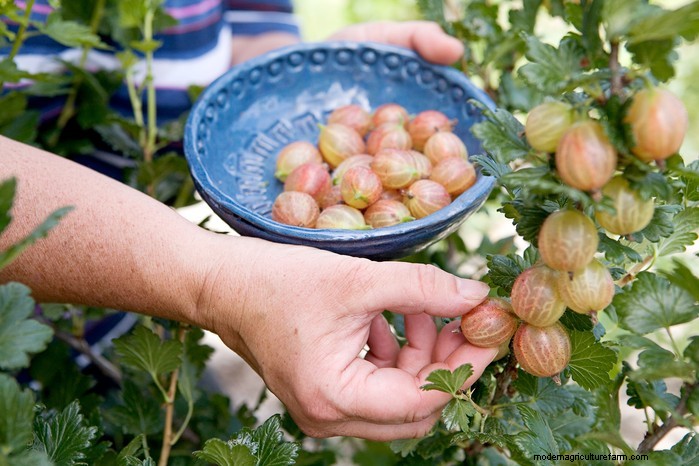
Gooseberry 'Pax'. Sarah Cuttle
When to harvest: June to August
How to grow: plant bare-root gooseberry plants between October and March, avoiding any times when the soil is frozen or waterlogged. Plant so that the soil mark on the stem is level with the soil surface and firm in well. Planting this month will give plants time to establish before the spring.
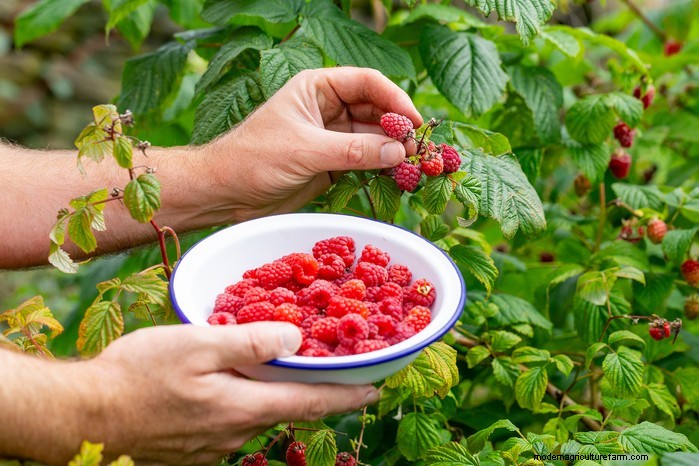
Harvesting raspberries. Neil Hepworth
When to harvest: June to October
How to grow: plant raspberry canes between October and March, apart from when the ground is frozen or very wet. Line up the soil mark on the canes with the soil surface, covering the roots with about 5cm of soil. Firm in gently and water in.
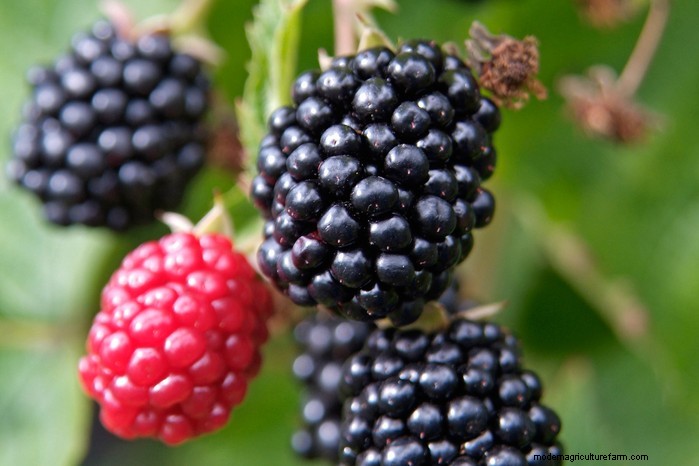
Blackberry 'Adrienne'. Tim Sandall
When to harvest: June to October
How to grow: plant bare-root blackberries (stools) between October and March. Soak the stools before planting and bury them up to the old soil mark. Firm the plants in and water well.
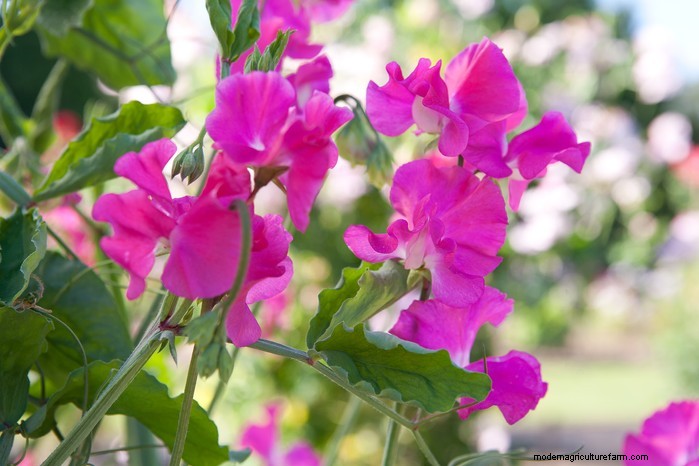
Pink sweet peas. Sarah Cuttle
Flowers: June to October
How to grow: although sweet peas are usually sown in autumn or early spring, it's fine to sow in December as long as you keep the seedlings frost free. They will need to be sown under cover, whether that's in a greenhouse, cold frame or porch. Sow into root trainers or cardboard tubes to help minimise root disturbance.
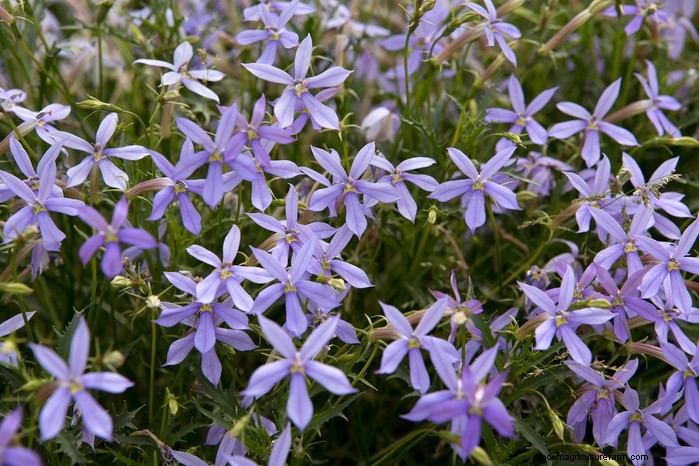
Laurentia. Sarah Cuttle
Flowers: June to October
How to grow: laurentia are bushy, half-hardy annuals, with star-shaped, scented flowers. The seeds can be sown under glass in winter, in a bright spot. These are usually sown January to March but could be sown at the end of the month in a heated propagator. This will help to warm the soil when sowing.
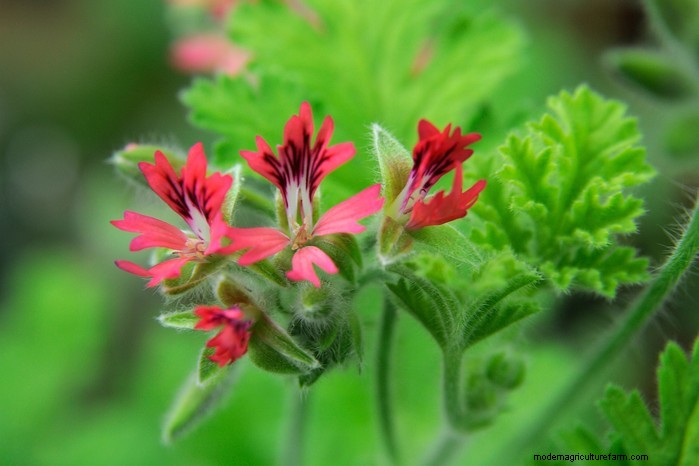
Scented leaf pelargonium. Tim Sandall
Flowers: June to October
How to grow: Geraniums are often propagated by taking cuttings, but why not try growing them from seed, too? Ideally, surface sow in a heated propagator, in a bright spot out of direct sunlight.
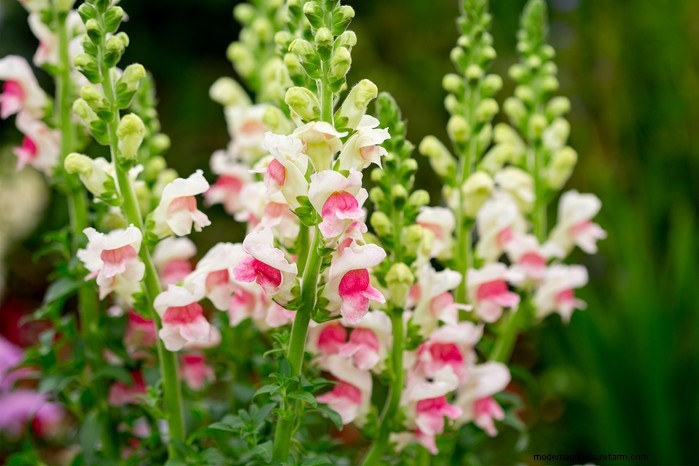
Snapdragon 'Appleblossom'. Paul Debois
Flowers: June to September
How to grow: though usually grown as annuals or biennials, snapdragons are actually short-lived perennials. They're easy to grow, and can be sown under glass near the end of December, to flower from June onwards.
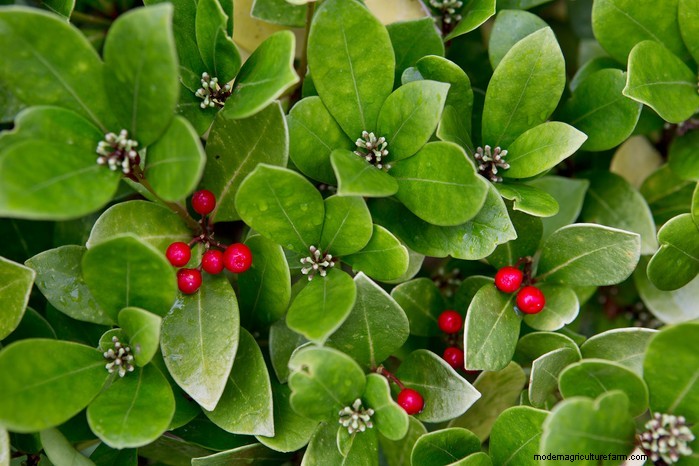
Skimmia japonica 'Foremanii'. Sarah Cuttle
Flowers: April to May
How to grow: plant skimmia in a partially shaded spot in well drained, fertile soil. These evergreen plants have scented flowers in spring and many varieties also have bright berries in the autumn. 'Rubella' has red flower buds that last through autumn and winter, with white scented flowers in the spring, while Skimmia japonica subsp. reevesiana has bright red berries in winter.
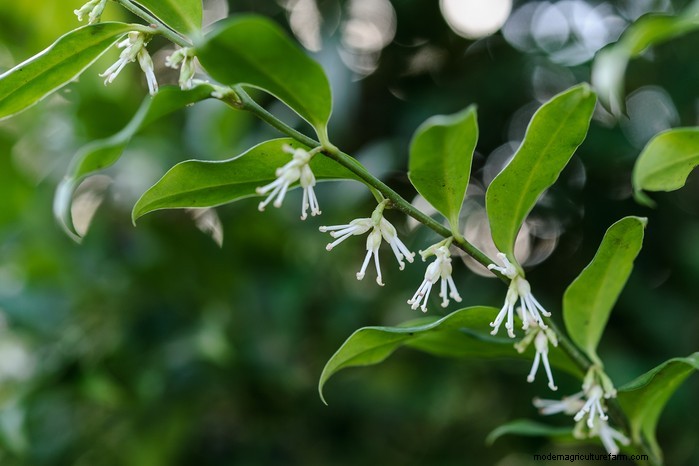
Sarcococca confusa, sweet box. Jason Ingram
Flowers: January to March
How to grow: plant this evergreen shrub for scented flowers in late winter. It's evergreen so a useful plant for adding structure to borders or a container, and it can thrive in dry shade once established. Plant it in well-drained soil, with the top of the root ball level with the surrounding soil. Water regularly until it has put down roots.
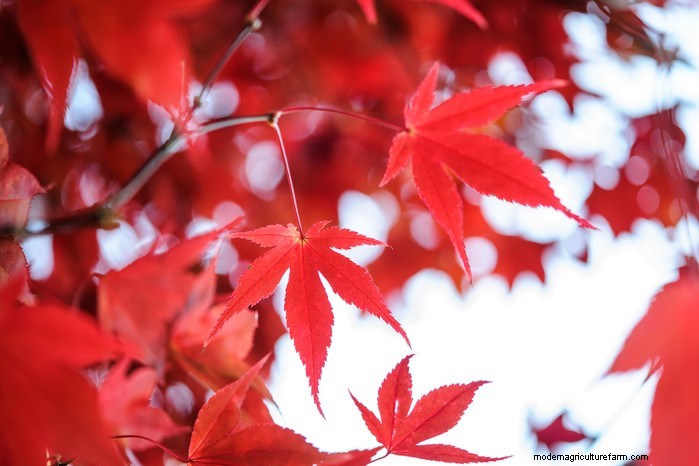
Acer palmatum, Japanese maple. Jason Ingram
How to grow: Japanese maples, also known as acers, can be planted between October and March. Choose a sheltered position. Maples will thrive in most soils but avoid any sites that are prone to waterlogging. Compact varieties can also be grown in containers. Fill these with loam-based compost or a compost that is specifically for trees and shrubs.


