
Welcome to Modern Agriculture!

Small sites offer big opportunities for growing edible plants. The first step is to be selective with your crops to maximize real estate, productivity, and enjoyment. Focus on what you love to eat and will likely use to optimize the harvest (leaving a little room, too, to try new varieties). Choose plants with loads of production that fit the space requirements. These are often dwarf or compact varieties, but that’s not a prerequisite, given enough room for the selection’s mature size.
Next, getting creative with intensive planting methods like square-foot gardening maximizes space and efficiency. Go vertical with trellises, arches, and staking. Tower structures like Greenstalk planters are versatile for easy placement, growth, and harvesting. Vertical planting takes advantage of untapped space, utilizing height while minimizing spread.
Raised beds and containers make it easy to grow an edible landscape in small spaces like patios, porches, balconies, and courtyards. Hanging baskets, railing planters, and an array of pots host no shortage of fruits and vegetables.
Small spaces can become some of the best, most productive gardens around with the right plant selection. For inspiration, let’s dive into productive (and usable) crops that produce a big harvest in small spaces.
Black Beauty Summer Squash
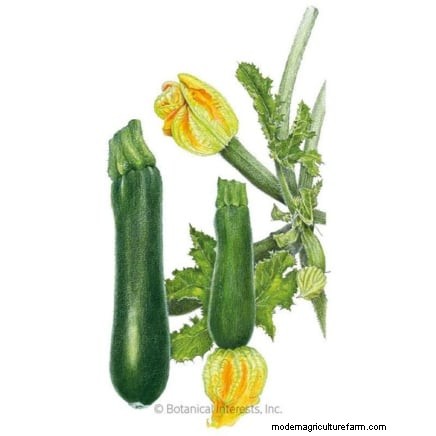
Black Beauty Summer Squash Seeds
California Wonder Sweet Pepper
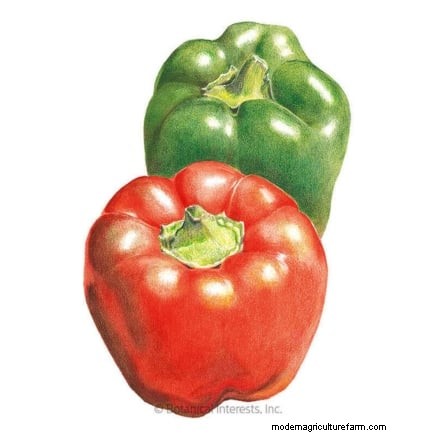
California Wonder Sweet Pepper Seeds
Spacemaster 80 Cucumber
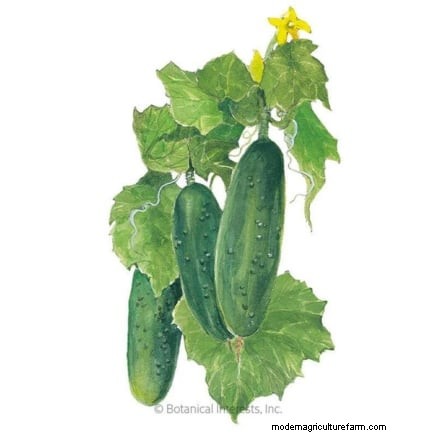
Spacemaster 80 Cucumber Seeds

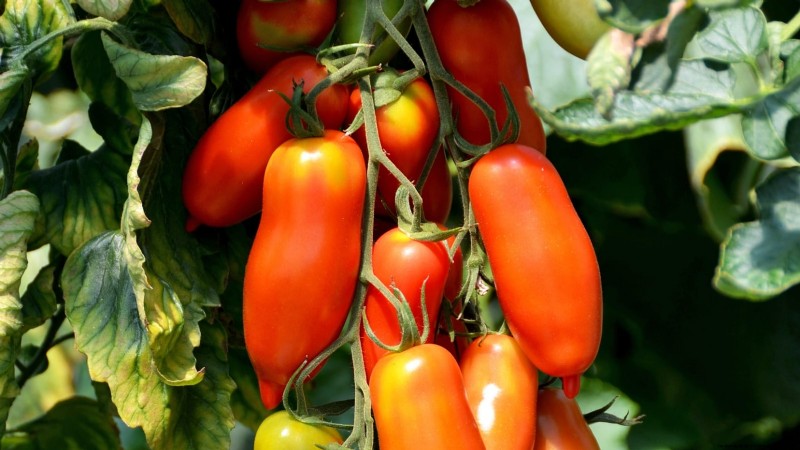 Reliable and early, they’re perfect for slicing into summer salads.
For those Caprese salads and summer salsas, look to ‘Supremo,’ a hybrid bush tomato with extra-large romas. Enjoy them fresh and as paste tomatoes for sauces and canning. The early fruits are ready to harvest in 68 days. As a determinate type, ‘Supremo’ romas develop and ripen all at once.
When it comes to crops for big harvests in small spaces, knowing whether a tomato is determinate or indeterminate helps gauge vine size and production. Determinate tomatoes have a set growth rate and produce fruit in a single flush. They grow well in containers or limited bed space. Indeterminate vines continue to grow and produce intermittently all season. They’re a fit for small sites, too, with enough room for mature growth and roots.
With a spread of 18 inches, ‘Supremo Roma’ doesn’t occupy a lot of room. If space allows, sow one plant and then another slightly later to stagger the harvest time. ‘Supremo’ produces reliably, with each uniform roma three inches long and two inches wide. To add to their appeal, the variety boasts good disease resistance and heat tolerance, setting fruit even in hot temperatures.
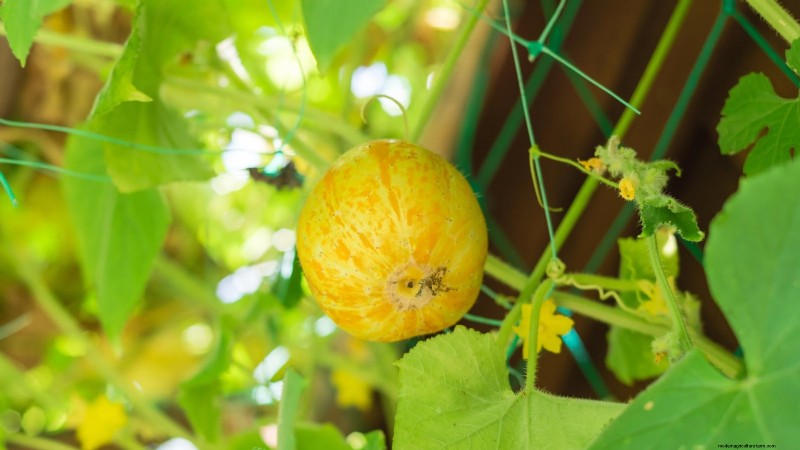 Trellis them up and they’ll reward you quickly.
Lemon cucumbers delight with unique fruits and a crisp, light flavor. Vigorous vines produce lemon-sized yellow cucumbers, both novel and tasty. Lemon cucumbers aren’t bitter, and they’re burpless, too. Eat them like an apple right off the vine, or use them for slicing or pickling.
Lemon cucumbers are an Australian heirloom that came to the U.S. market in the 1890s. Their vines are fast-growing and high-yielding early in the season (ready in 65 days). They’re disease and drought-resistant, though they perform best with even moisture.
Direct sow lemon cucumber seeds after the final frost and when soil temperatures rise above 60°F (16°C) They rely on warmth to develop. Start them indoors two to four weeks before transplanting to give them a head start. Keep in mind that cucumber roots are sensitive to disturbance during transplanting, and biodegradable pots or soil blocks can help. Train seedlings on a trellis to grow vertically or on a 12” mounded hill to run.
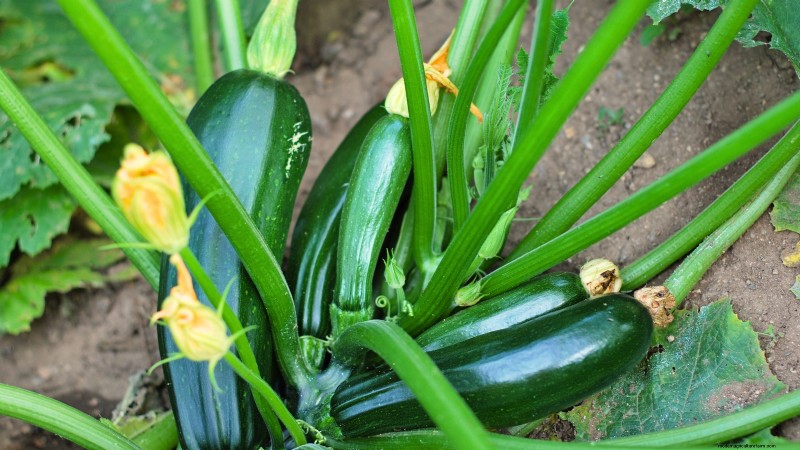 It grows bushy and neat, without taking over the garden.
This favorite summer squash has a bushy habit and a high production rate, making it a viable crop for creating a big harvest in small spaces. Its dark, greenish-black fruits have tender and creamy white interiors. A 1920s introduction, ‘Black Beauty’ is an All-America Selections award winner. It has prolific, early, and flavorful fruits on an easy-to-grow, versatile form.
Both bushing and semi-bushing varieties take less time to develop mature fruits than many vining squashes. These are good options if you want a bounty without sprawling vines, your summer growing season is short, or you want to install a late-season successional planting. A benefit of a late-season round is that it avoids the most active pest cycle of June to mid-July. Squash bugs and squash vine borers can be a problem for some of us.
Squash needs warm temperatures and consistently moist, well-drained soil to thrive. Direct sow ‘Black Beauty’ one to two weeks after the final frost in warming soils (ideally 70-85°F or 21-29°C). Enjoy them as full-sized zucchini at six to eight inches long, or pick them early as tender baby vegetables.
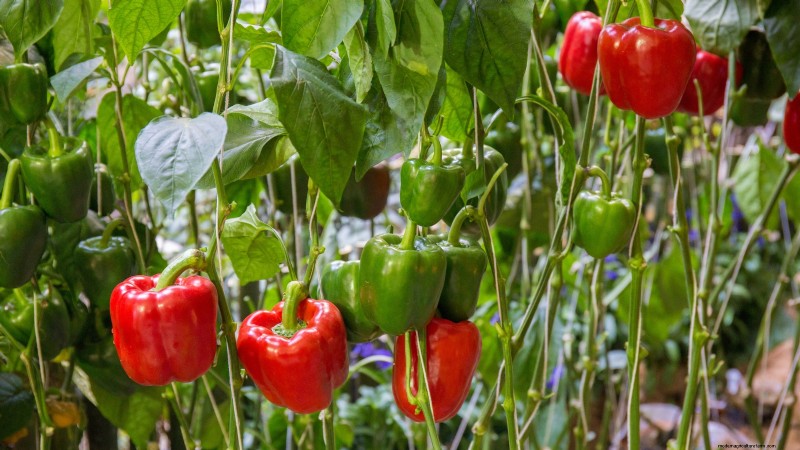 Crisp and sweet, they shine whether green or red.
‘California Wonder’ bears mild, sweet peppers that are the classic, colorful bells we love. They have thick walls, tender flesh, and a crisp, bright texture. The peppers begin as green and ripen to red but are harvestable at either stage. When green, we know them as green bell peppers. The ripe reds are slightly more mellow. For a yellow variety, look to ‘Golden Cal Wonder.’
‘California Wonder’ is a 1928 introduction by California grower C.C. Marse. Sweet peppers originated in Central and South America and traveled the world with explorers and colonists. The colorful bells pack the health benefits of vitamins C and A and antioxidants that support eye and immune health.
‘California Wonder’ is a heavy producer of the four-inch blocky peppers on a compact form. In mild, warm climates, sow bell peppers outdoors two to four weeks after the final frost. In cold climates, start seeds indoors eight to ten weeks before transplanting.
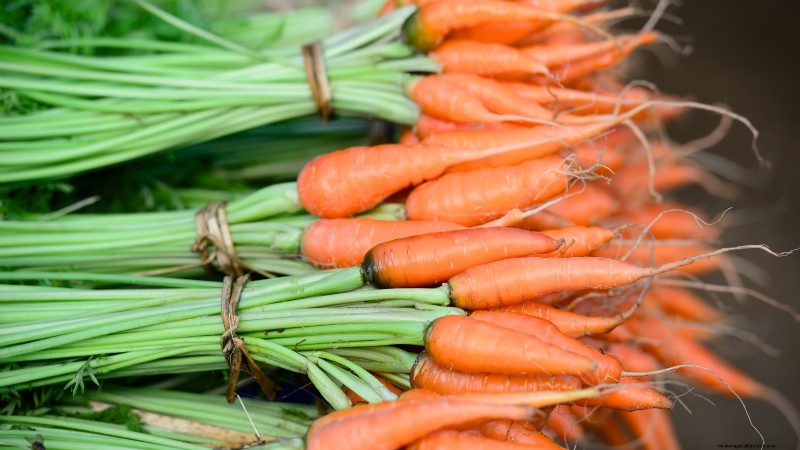 It’s a compact grower with sweet, tender orange roots.
Carrots tuck in easily in raised beds, pots, or in a patch with companion plantings, taking up little space. ‘Little Finger’ is a true miniature that peaks at three to four inches. Roots are cylindrical and uniform in size from tip to toe, with blunt ends.
‘Little Finger’ develops in rich orange, even as a young root. It has a tender core and a sweetness perfect for fresh snacking. Carrots yield a single harvest, and these mature slightly earlier than larger varieties, ready in about 57 days.
Enjoy the nutritional benefits of carrots (packed with vitamin A and antioxidants) with a big harvest in small spaces. Early spring is prime for direct sowing the seeds, leading to crisp yields in early summer. Gardeners with cool, mild summers can enjoy successional rounds all season until fall. For those of us with hot summers, sow seeds in early fall for a cool-season crop.
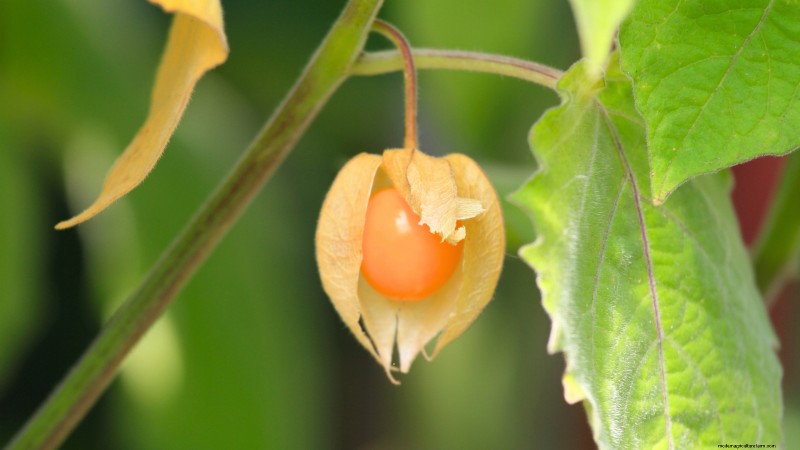 Easy to grow, hard to resist—snack on them all day.
Ground cherries are big producers of sweet and tart little fruits with versatile uses. Grown for centuries in Central and South America, they’re husk tomatoes that resemble tomatillos but are less than one inch in diameter. Use them in salads, salsas, or preserves, or snack on the bite-sized rounds from the stem.
‘Pineapple’ ground cherries bring a profusion of fruits with a hint of tropical flavor. When ripe, the rounds drop to the ground and turn golden yellow.
Ground cherries are more adaptable to northern growing areas than tomatillos. The compact plants don’t need staking or caging and grow in pots, raised beds, and in the ground. Sow seeds indoors four to six weeks before your final frost date or outdoors two to four weeks after. They rely on warm soils to germinate.
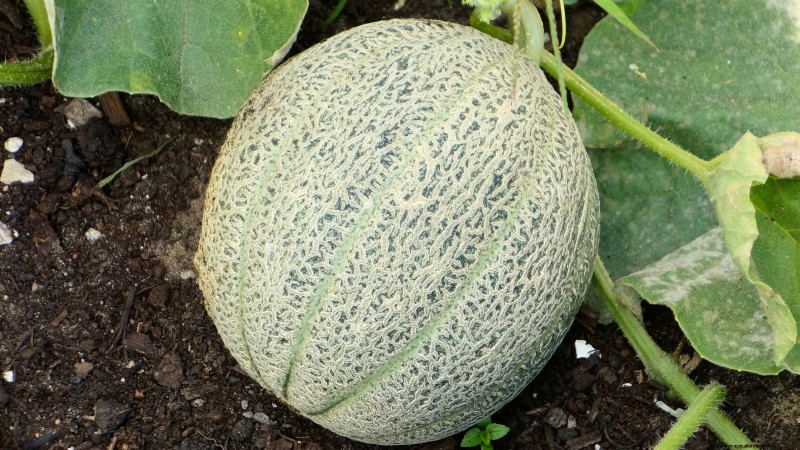 It’s a compact vine delivering delicious, sugary melons every time.
‘Minnesota Midget’ makes it possible to grow melons in small spaces. It offers the best of a muskmelon (cantaloupe), from a sweet flavor to tender, juicy flesh in a small-scale fruit. The compact vines and smaller size mean earlier readiness, when full-size melons usually take a long time to develop.
The popular ‘Minnesota Midget’ is a 1948 hybrid from the University of Minnesota at St. Paul. The productive heirloom bears four-inch muskmelons with netted skins and golden flesh, soft down to the rinds. The sweet taste comes from a high sugar content.
Melon seeds are another heat-loving selection, preferring warm weather to germinate and develop. The early ‘Minnesota Midget’ is ready in 60 to 70 days. The dwarf selection resists Fusarium wilt, a common cucurbit disease.
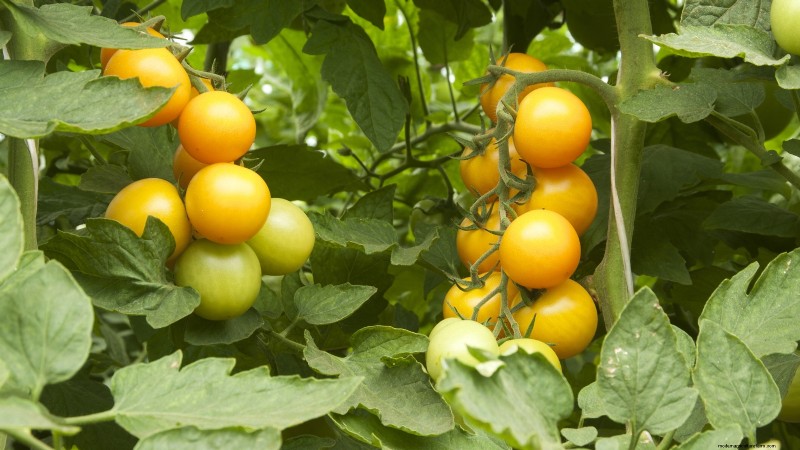 They’re sun-loving plants with sweet, yellow fruits that never disappoint.
Tomatoes are top crops for a big harvest in small spaces. The ‘Patio’ series features compact plants with bountiful cherry fruits. ‘Choice Yellow’ brings masses of bright yellow globes at one and a half inches wide.
‘Patio Choice Yellow’ is an All-America Selections award winner for its dwarf habit, high production, and garden performance. Heat and humidity-tolerant, it also resists common tomato diseases like tobacco mosaic virus and wilt.
‘Patio Choice Yellow’ is a determinate bush variety that produces 100 little golden cherries at once. Enjoy them fresh and preserve some for canning and sauces.
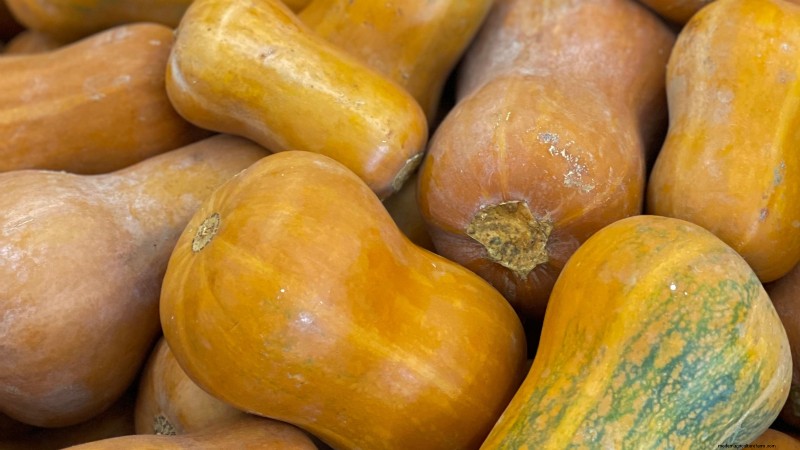 They’re mellow orange-red fruits that are sweet and smooth inside.
While we enjoy winter squash in fall and winter, sowing them in spring and early summer yields a late-season harvest. Dwarf varieties like ‘Honeynut’ don’t have sprawling vines. They suit both small-space gardens and those with a short growing season, as they mature earlier.
‘Honeynut’ is a Cornell hybrid with a sweet flavor and smooth texture. The petite fruits are four to five inches long, starting mottled green and ripening to mellow orange-red. ‘Honeynut’ is a moschata selection with good squash vine borer and powdery mildew resistance. C. moschata is more resistant to squash vine borer infestations than other species because of their thick, smooth stems. Short, bushy vines make the dense grower perfect for vertical situations and small spaces.
Growing the crops vertically is an economical and easy way to save space and stave off diseases. For growing squash upright, bush and semi-bush types are the best fit for low structures and small spaces. A bushing variety is compact and doesn’t vine independently; it won’t produce side vines or tendrils. A semi-bush type has vines that sprawl slightly but mainly stay close to the central plant. They usually yield more fruit than bush varieties, but both are good producers.
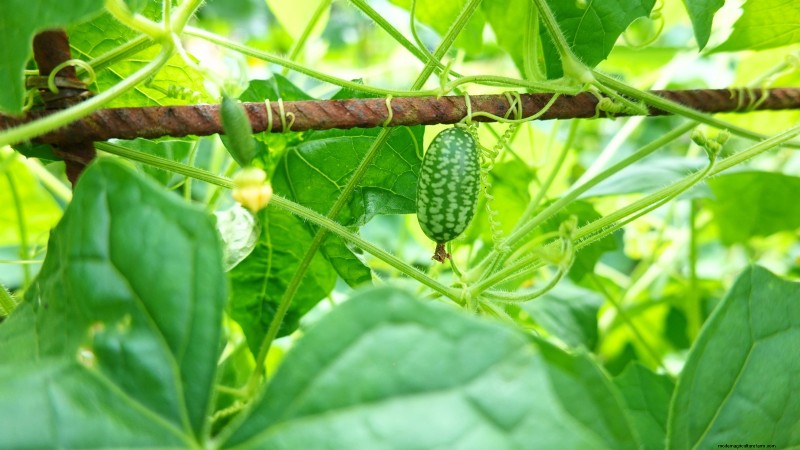 They yield unique, grape-sized treats with a zesty cucumber taste.
Cucamelons are one to grow for a big harvest if you’ve got room for something fun and novel. The vines bear little “watermelons” the size of grapes from summer into fall. ’Mouse Melon’ is a cucurbit with mottled green skins and a tart, cucumber flavor.
Cucamelons take on a more sour taste as they ripen (also called Mexican sour gherkins). Enjoy them fresh off the stem or pickled for snacking and garnishing beverages. Feature ‘Mouse Melon’ in hanging baskets or vertically on trellises.
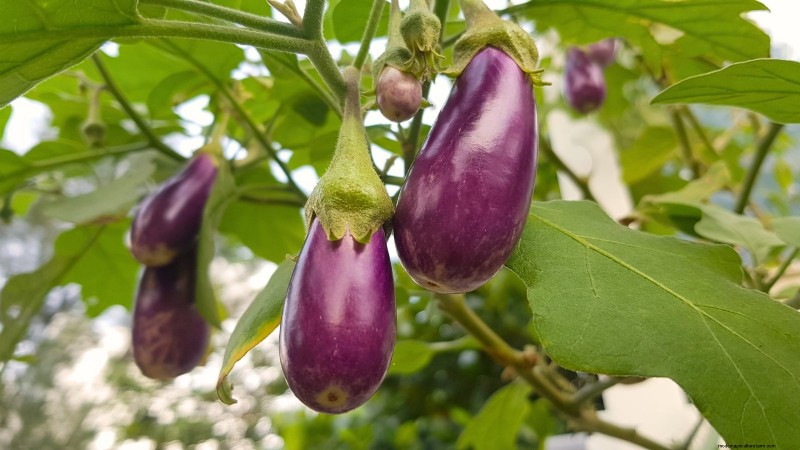 Harvest these little beauties all season long for fresh meals.
‘Jewel Amethyst’ eggplant brings loads of petite fruits that are three to four inches long and two inches wide. The little gems are deep purple with smooth, shiny skins and all the qualities of a full-size eggplant without committing to a huge fruit. The oval fruits are firm and mild, with creamy interiors.
The more you harvest ‘Jewel Amethyst,’ the more it produces from summer through fall. Plants retain a tidy habit, and the showy fruits make them worthy of featuring in a container.
Sow seeds outdoors a few weeks after the final frost when soil temperatures reach 70°F (21°C). Get a jumpstart on growth and production by starting seeds indoors 10 to 12 weeks before the last frost for transplanting with consistent temperatures above 60°F (16°C).
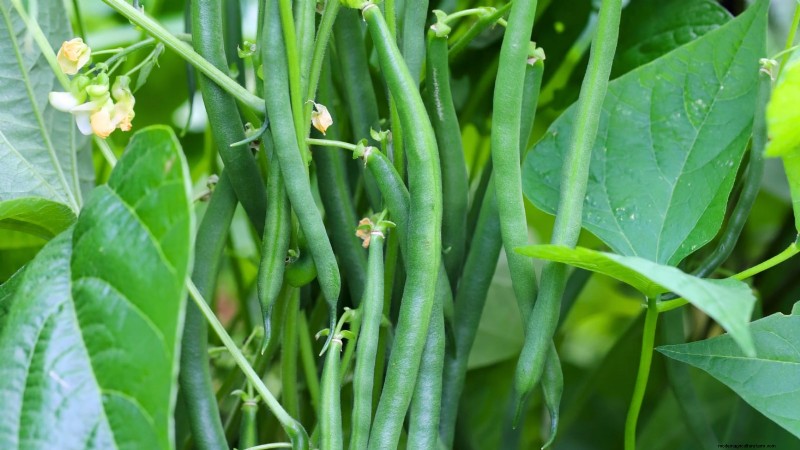 Regular harvesting gives you a continuous flow of beans.
‘Maxibel Filet’ is a bush type with long, slender French green beans. They’re sweet and tender, lean and stringless, even at their full size of six to eight inches long.
Bush beans are productive and nutrient-rich, optimal for getting a big yield in small spaces. ‘Maxibel Filet’ is a prolific producer with a leafy, dwarf habit that doesn’t need staking. Harvesting the pods regularly encourages more beans to grow in their place.
‘Maxibel’ matures in about 50 days. They do best with good air circulation in summer temperatures that remain below 90°F (32°C). To grow a pole bean variety with climbing vines, go vertical.
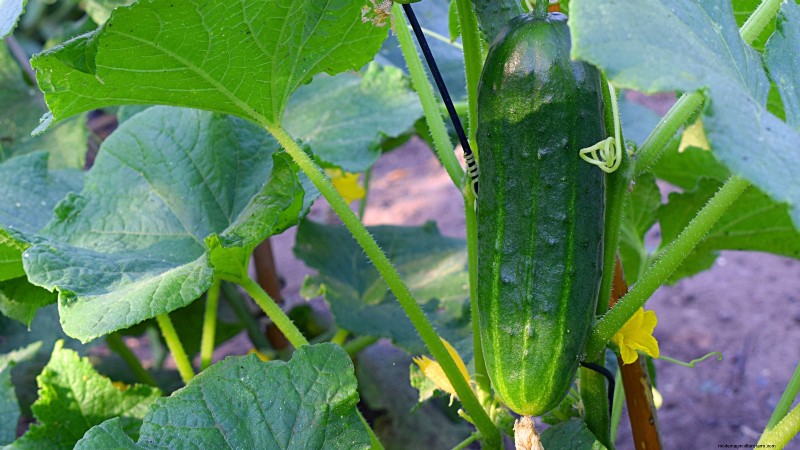 They’re disease-resistant and easy to grow for a fresh harvest.
Joining lemon cucumbers on our list is a classic crisp, refreshing selection that fits small sites and pots. ‘Spacemaster 80’ is a dwarf variety that produces full-size cucumbers on vines that don’t sprawl. The eight-inch fruits have smooth, dark skins. You can also harvest them small for pickling.
‘Spacemaster 80’ is disease-resistant to a number of common cucurbit problems, including mosaic virus, powdery and downy mildews, and scab. Direct sow them in warm soil, and they’re ready in just over 60 days.
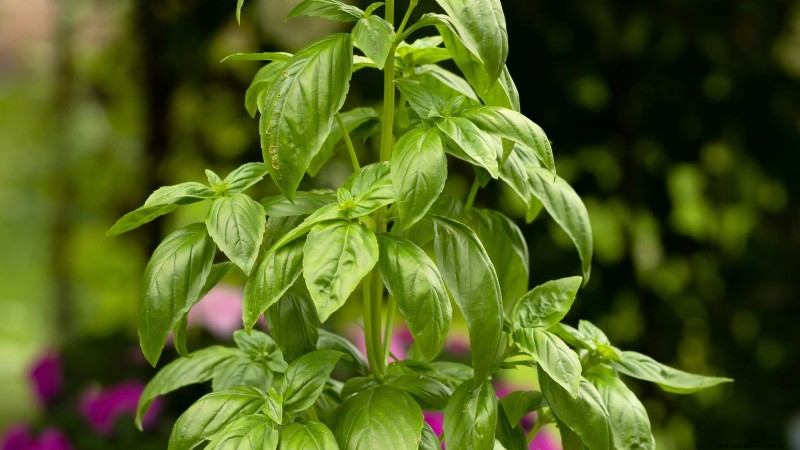 It has a tidy habit with robust, flavorful leaves throughout summer.
Herbs are prime for small spaces with versatility from in-ground to container plantings (especially useful for vigorous spreaders like mint, oregano, and lemon balm). While basil offers a productive yield on small plants, the unique upright habit of ’Everleaf Emerald Towers’ makes it worth tucking in.
‘Everleaf Emerald Towers’ is only 8 to 12 inches wide, with dense leaves and a columnar form. It delays flowering until later in the season, meaning flavorful leaves with less pinching and deadheading. Plants are well-branched with short stems to retain the robust, tidy habit.
Basil thrives in the summer heat. Dwarf varieties like ‘Piccolo’ have petite leaves with the same delicious full-size qualities. Harvest leaves regularly to promote new growth.
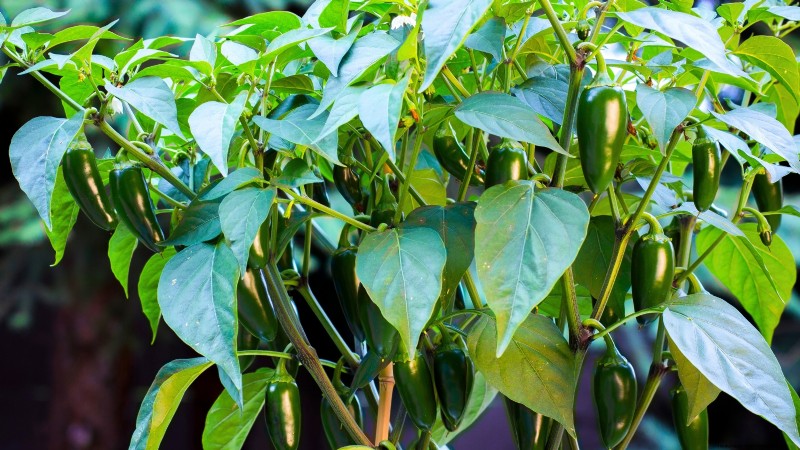 Sturdy plants produce peppers with medium heat and flavor.
Classic jalapenos go far in culinary uses. These early-bearing chile peppers have a medium heat level enjoyed as young green fruits or sweeter and spicier in ripe red. ‘Early Jalapeno’ produces three-inch peppers that do well even in cooler climates.
‘Early Jalapeno’ is a high-yielding heirloom with sturdy stems. Another jalapeno with abundant peppers for small spaces is ‘NuMex Lemon Spice’ with yellow chiles and a slight hint of citrus to its medium-hot heat level.


