Welcome to Modern Agriculture!

If you want to make the most of a small indoor growing space, I recommend growing herbs. These small plants add impressive bursts of flavor, and most allow for repeat harvests. While you can grow most herbs outdoors, growing a few potted plants indoors allows you to enjoy bright flavor year-round, regardless of the weather outside.
However, just because these plants are protected from cold temperatures and heavy rains, it doesn’t mean they’re immune to problems. Yellowing leaves, stalled growth, and mushy roots are just a few issues growers often face.
Fortunately, these problems don’t mean your herbs are doomed for the compost pile or trash can. Once you notice a problem, you can work to determine its cause and identify an appropriate solution.
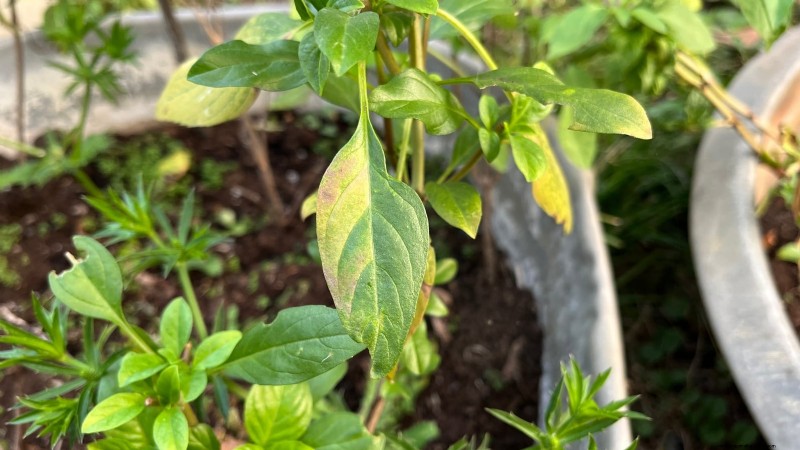 Bright green leaves mean healthy plants, so yellowing leaves indicate issues needing attention.
If you’re growing parsley, mint, basil, or any of the other popular culinary herbs, bright green leaves are synonyms with healthy plants. So, if you notice the leaves turning yellow, something is wrong. Here are some of the most common reasons your indoor herbs have yellow leaves.
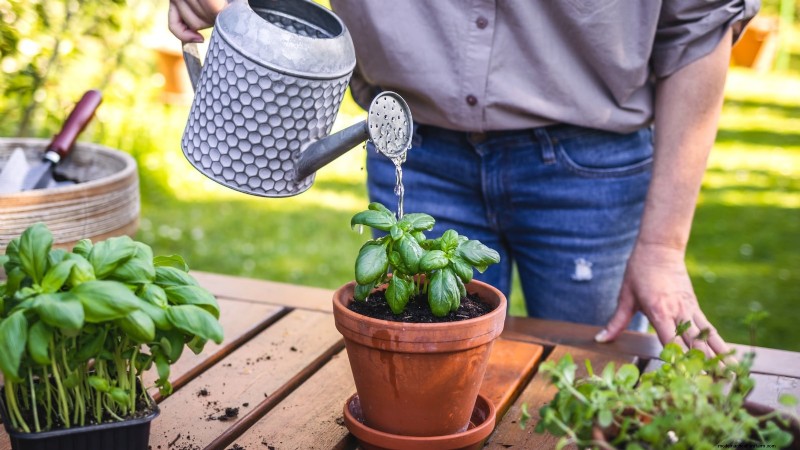 Overwatering suffocates roots, prevents nutrient absorption, stresses plants, and disrupts photosynthesis.
Both new and seasoned gardeners are guilty of loving their plants to death. I find this especially true of indoor plants.
Adding too much water to your pots is a surefire way to make plants unhappy. When plants constantly sit in wet soil, their roots have a difficult time completing gas exchange and absorbing water and nutrients. This excess moisture stresses the plant and causes issues with chlorophyll production, photosynthesis, and other essential processes.
Yellowing caused by overwatering usually begins in older leaves. The discoloration appears evenly across an entire leaf rather than in spots or patches. Over time, the infected leaves become darker yellow, and newer leaves begin to yellow as well.
Checking the soil before you irrigate is a good way to avoid overwatering. Stick a finger into the soil near the base of your plant to check the moisture level. Add water if the top two inches of soil are dry or slightly moist. However, wait to water if the soil sticks to your finger.
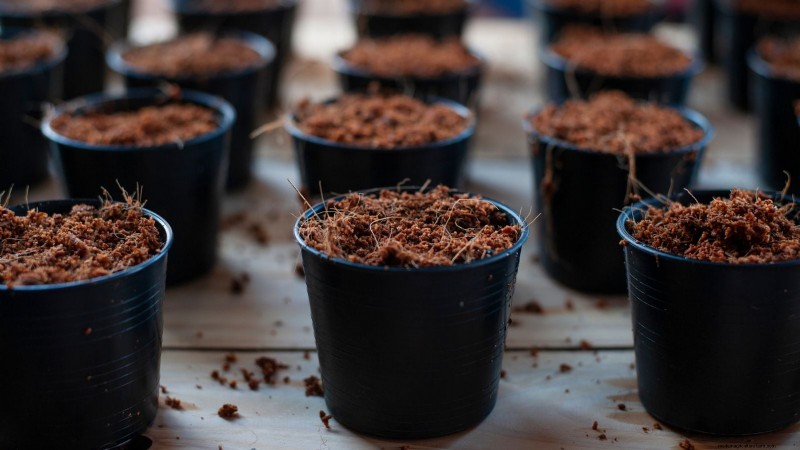 Different plants need specific soil types, so standard mixes like coco coir may stress certain species.
Even if you’re only watering your potted rosemary or cilantro plant once every two weeks, it’s still possible that the soil is too moist. This is most likely to occur when you’re using a poorly-draining soil. You should avoid planting potted herbs in clay-rich topsoil or potting mixes with high amounts of compost since these materials hold onto water for long periods.
If you’re growing multiple plants, remember that not all culinary herbs have identical soil preferences. While most herb plants will be happy with a potting mix made from peat moss or coco coir, compost, and perlite, these standard mixes will stress other herb plants.
Lavender, rosemary, thyme, and sage prefer a soil mix with increased drainage. However, you can still use a standard potting mix for these plants—just add a few extra handfuls of perlite or sand to improve drainage.
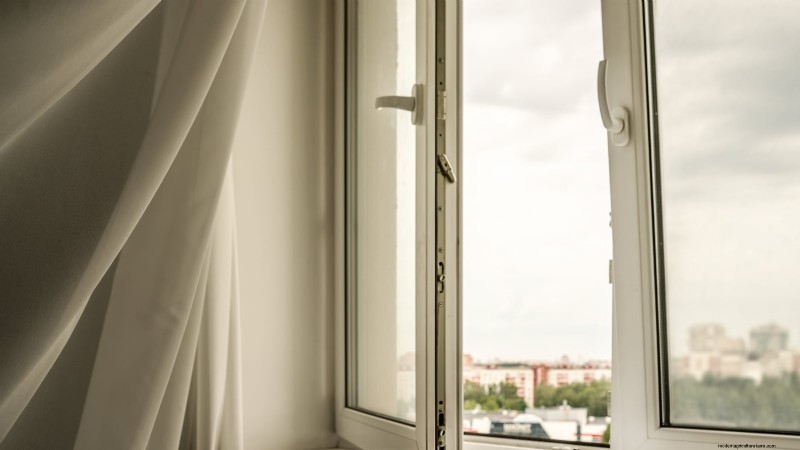 Keep plants between 60-75°F and away from cold drafts from doors, windows, or air conditioners.
While herbs like parsley, cilantro, and chives can survive cold temperatures without any issues, other plants become stressed with cold. Basil, lemon verbena, and calendula are a few plants that are sensitive to temperatures below 50°F (10°C). While these temperatures won’t necessarily kill the plants, they will cause stress and potentially yellow leaves.
All herbs will happily grow in a space that remains consistently between 60-75°F (16-24°C). Remember to keep your plants away from cold drafts from air conditioners, exterior doors, and poorly insulated windows.
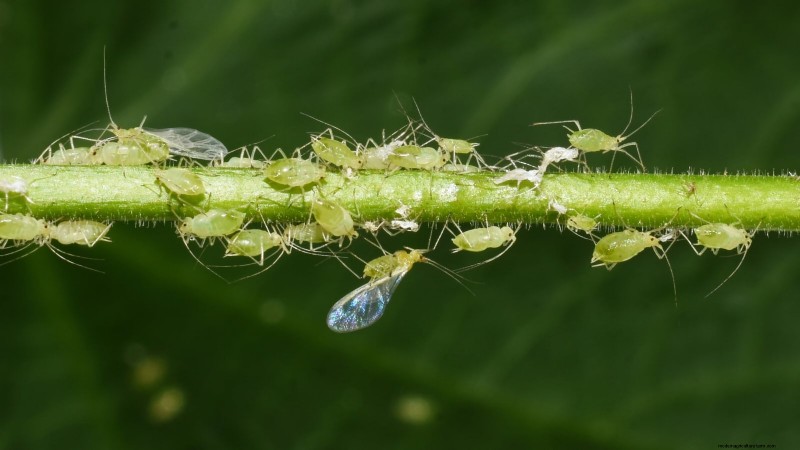 Aphids, spider mites, and thrips rapidly multiply, damaging plants by sucking sap.
Indoor plants, including potted herbs, are susceptible to attack from numerous sap-sucking pests. Critters like aphids, spider mites, and thrips find their way to the plants and begin feasting on the plant’s sap. Although a few of these pests won’t cause much damage, their rapid reproduction rates mean their populations can quickly multiply.
When hundreds or thousands of these pests are feeding, the plant will suffer. Small yellow dots are often the first sign of damage. Eventually, entire leaves may turn yellow and fall off the plant.
If you notice any of these pests feeding on your indoor herbs, remove them ASAP. Exact treatment methods vary by pest. However, wiping the pests with a wet, soapy rag or spraying them with neem oil is typically effective.
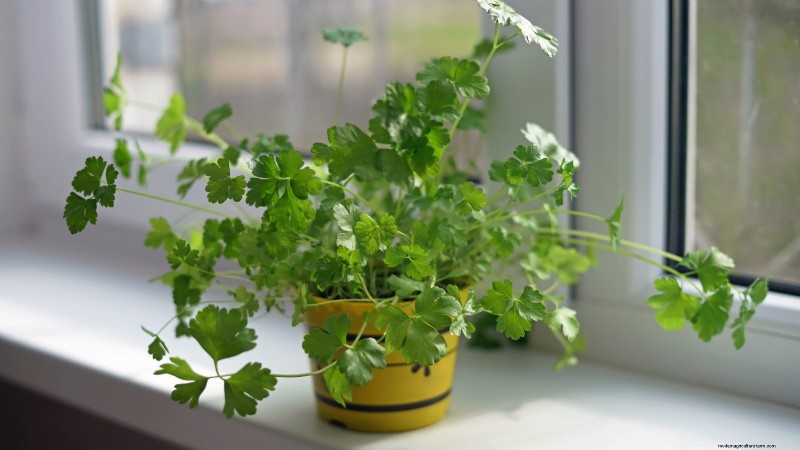 Plants stretching toward light signal insufficient exposure, needing correction for compact, robust growth.
If you notice your plants look like they’re stretching toward the light with everything they have, something is wrong. Healthy herbs should appear robust, with limited space between each set of leaves. Fortunately, this problem is easy to remedy.
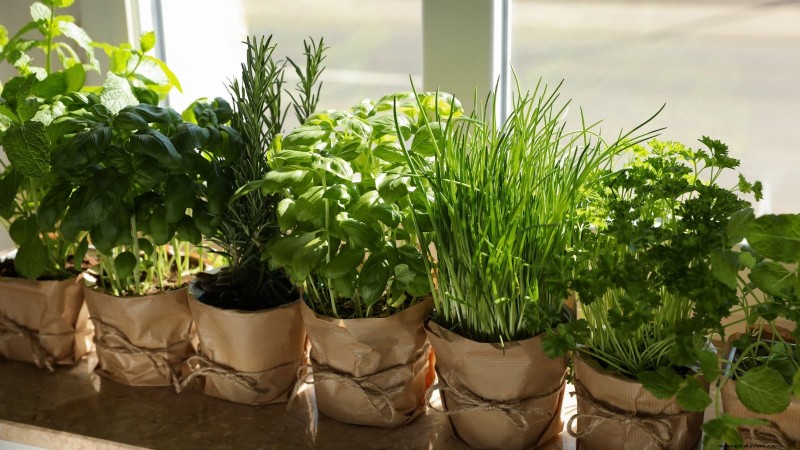 Ensure adequate light by placing plants in a south-facing window or using grow lights.
Most herbs require plenty of bright light to thrive. While some herbs can grow fine in low light, these plants will still appreciate at least six hours of direct light each day. Too little or too weak light can cause plants to reach toward the light source and develop long, spindly stems.
Annual herbs like cilantro, dill, and basil are more susceptible to this spindly growth, but perennials like mint and rosemary can also become affected.
You can avoid this leggy growth by ensuring your plants receive enough light. A south-facing window is the best spot for an indoor herb garden since it provides the plants with lots of bright, direct light. Avoid placing your herbs near a north-facing window or in the middle of a dim room, as these places don’t provide enough light.
Grow lights allow you to grow herbs indoors if you don’t have a sunny spot. They provide supplemental lighting and give the plants the energy they need to produce new growth and remain healthy. Choose a light that illuminates all your herbs and leave it on for 10-12 hours each day.
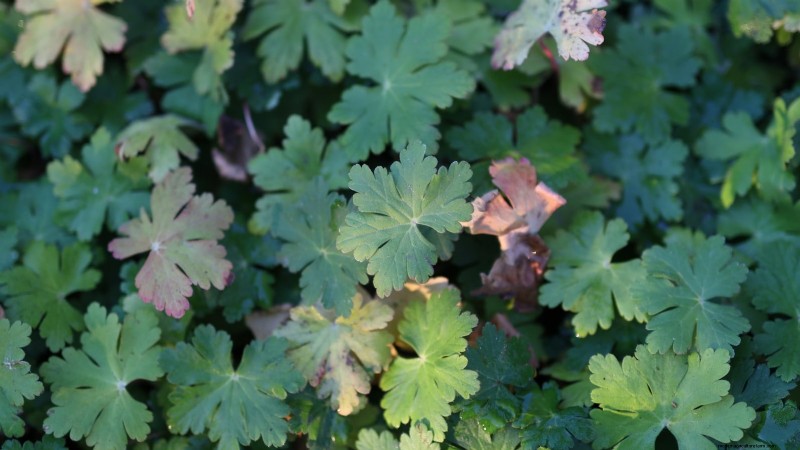 Brown and yellow leaves indicate different problems, requiring distinct solutions.
While many gardeners think that yellow and brown leaves indicate the same problems, this isn’t always the case. If you notice your herb’s leaves are turning brown, the following factors may be to blame.
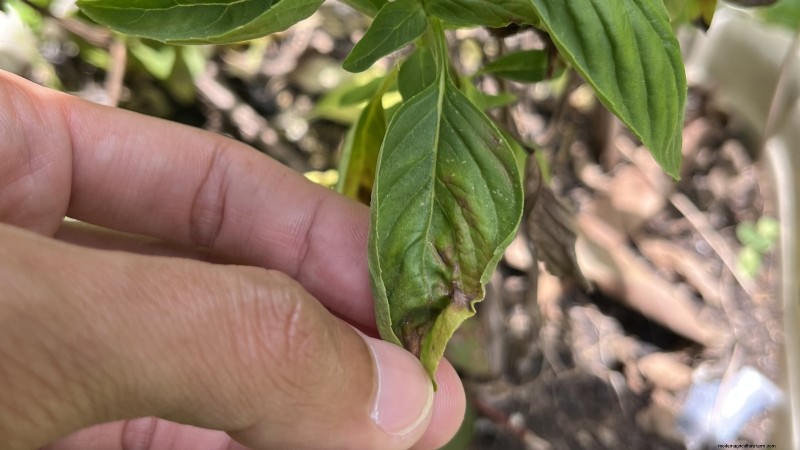 Dry soil and low humidity cause crunchy, brown leaf tips, signaling underwatering.
Crunchy, brown leaf tips often occur with dry soil, especially if the air is also dry. If you forget to water your cilantro or basil for a couple of weeks, don’t be surprised if the plants look unhappy.
While herbs differ in their water needs, most prefer to be watered when the top one to two inches of soil is dry. Factors like humidity, temperature, and sun exposure all impact how quickly the soil dries, so use the soil moisture rather than a calendar to determine when to water. If the top inch of soil feels dry to the touch, thoroughly water your potted herb.
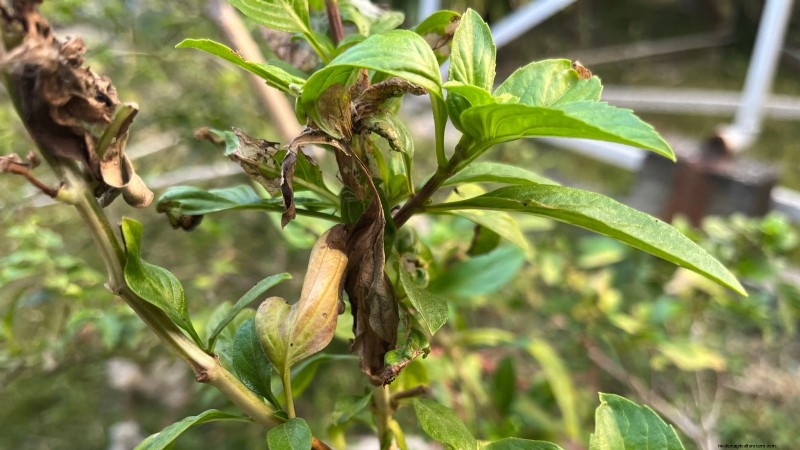 Botrytis and downy mildew thrive in damp areas, turning leaves brown or gray.
Fungal diseases, including botrytis and downy mildew, can infect herbs and cause their foliage to turn brown or gray. These diseases are more likely to occur in damp environments with poor air circulation, so they often occur if your herbs are sitting in a moist area of your kitchen.
Since these diseases are difficult to treat once they occur, preventing them is your best approach. Always use clean containers and potting soil to avoid introducing pathogens into your home. Bottom water or slowly add water to the base of the plant to avoid splashing soil on your plants.
If you notice one of your plants is infected, it’s best to dispose of it to limit the spread of disease. However, you can try to save the plant by pruning off the infected section, decreasing watering, and placing the plant in an area with excellent airflow.
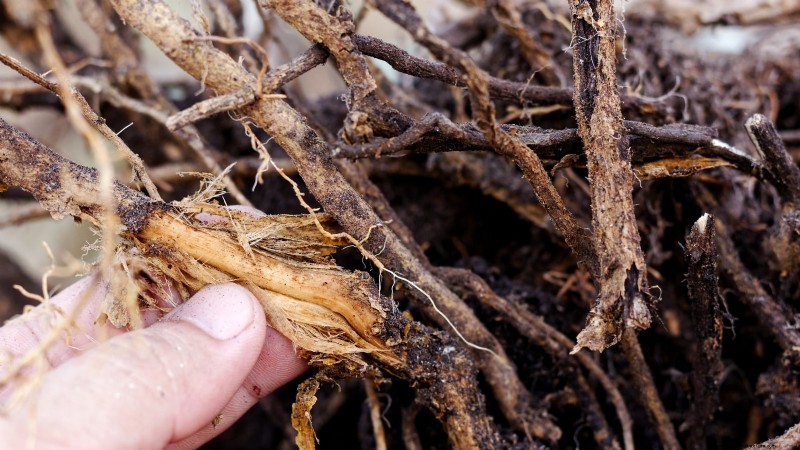 If roots appear infected, remove, clean, trim, and repot using fresh soil.
If your plant has rotten roots, the resulting stress often leads to brown leaves. Root rot is caused by numerous fungal pathogens that thrive in moist soil. Therefore, overwatering and poorly-draining soil often spur the development of root rot.
If you suspect your plant’s roots are infected, remove the root ball from the container to inspect. Brush off any potting soil that’s sticking to the roots and trim off discolored or mushy portions. After you’ve cleaned the roots, repot the plant using fresh potting soil.
In the future, decrease the amount you water. Remember to check the soil moisture and only water when the top one to two inches of soil is dry.
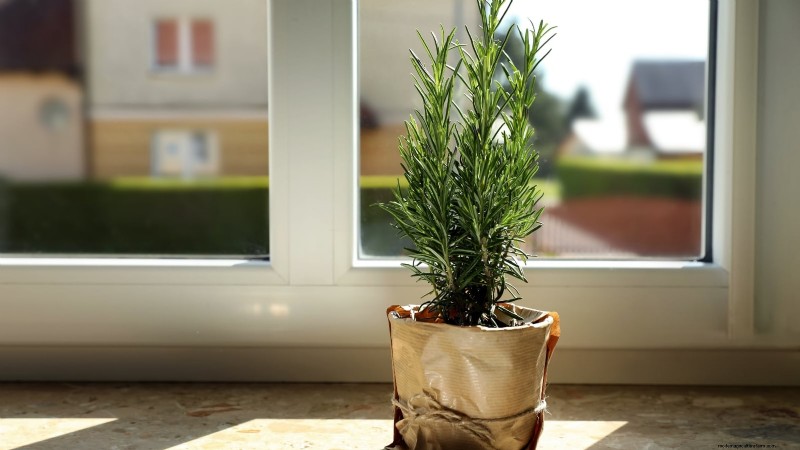 Stunted winter growth is normal, but a prolonged lack of new shoots signals deeper problems.
Indoor herbs often experience decreased growth during winter, but a prolonged lack of growth isn’t normal. If your rosemary fails to produce new shoots or your cilantro remains the same height for weeks, one of the following may be to blame.
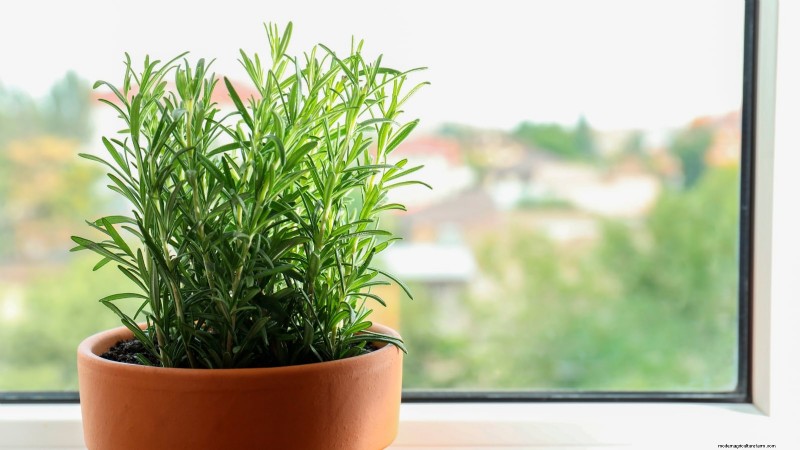 Provide 8-12 hours of sunlight or supplement with grow lights for healthy plant growth.
Herbs, like all plants, need light to grow. If your plants don’t receive enough light, they don’t have the energy they need to complete processes like cell division, chlorophyll production, and respiration. Therefore, a lack of light means slowed growth.
Almost all culinary herbs grow best in full sun, so aim to provide them with 8-12 hours of bright light each day. If you don’t have access to a sunroom or south-facing window, utilize a grow light to provide supplemental lighting.
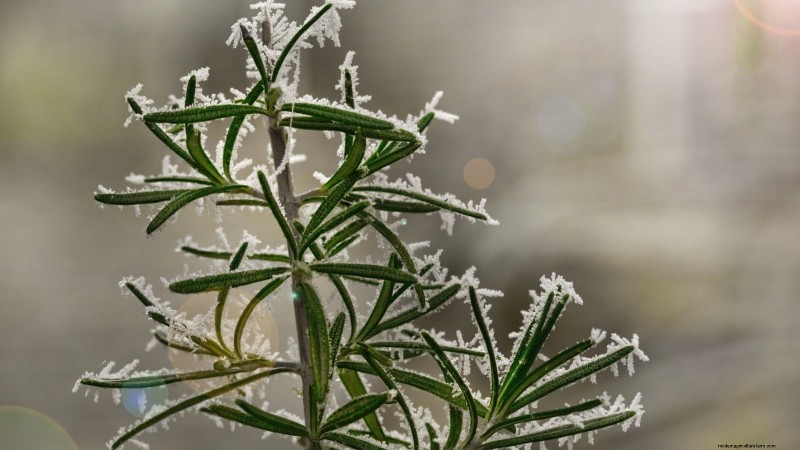 They have slow growth, even for frost-tolerant plants like rosemary and oregano.
Temperatures below 50°F (10°C) and cold drafts can stress herbs and cause them to experience slowed growth. This even applies to frost-tolerant herbs like rosemary, oregano, and parsley.
Strive to keep your herbs in an area that remains between 60-80°F (16-27°C), and avoid sudden changes in temperature.
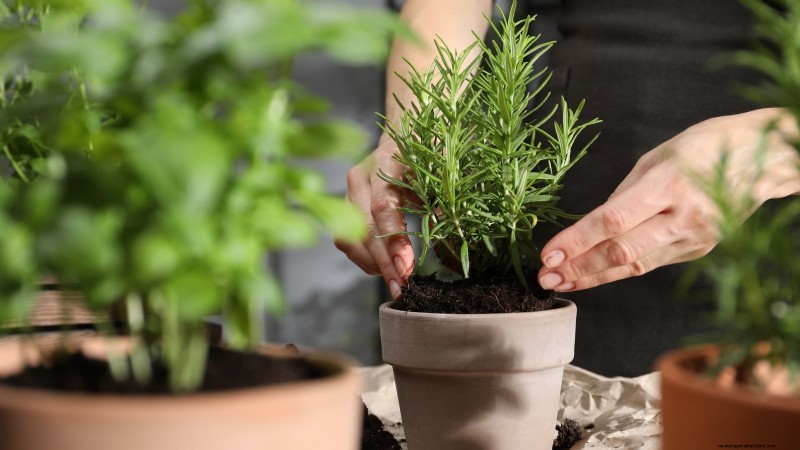 Choose a slightly larger pot, fill it partially with soil, position the plant, and then add more soil.
If your herb has been sitting in the same container you bought it in two years ago, it’s likely outgrown its home. Once plants become rootbound, they have difficulty taking up water and nutrients. Therefore, they often stall their growth to compensate.
Not sure if your plant needs a larger container? Check the bottom of the pot. If you can see dense roots growing along or through the container’s drainage holes, it’s time to upgrade the plant to a new home.
Choose a container that’s a few inches larger than the old pot and fill it about a third of the way with fresh potting soil. Place the herb in the new container, ensuring the growth point is above the top of the pot. Add more potting soil to fill in the remaining empty space.
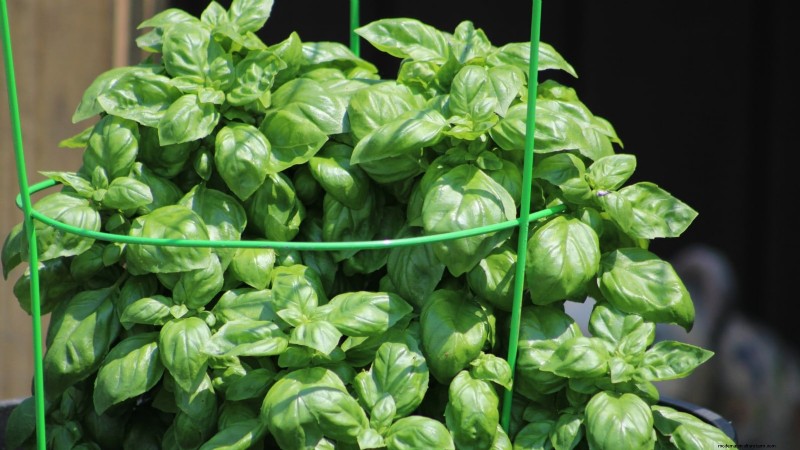 Small leaves mean less flavor, but increasing light exposure encourages larger, more flavorful growth.
One of the best parts of growing herbs at home is picking off a few leaves and tossing them into your dinner just a few seconds later. If your plants are producing small leaves, you’ll have to use a lot more to get the same amount of flavor present in a few larger leaves. Fortunately, it’s easy to remedy small basil or cilantro leaves.
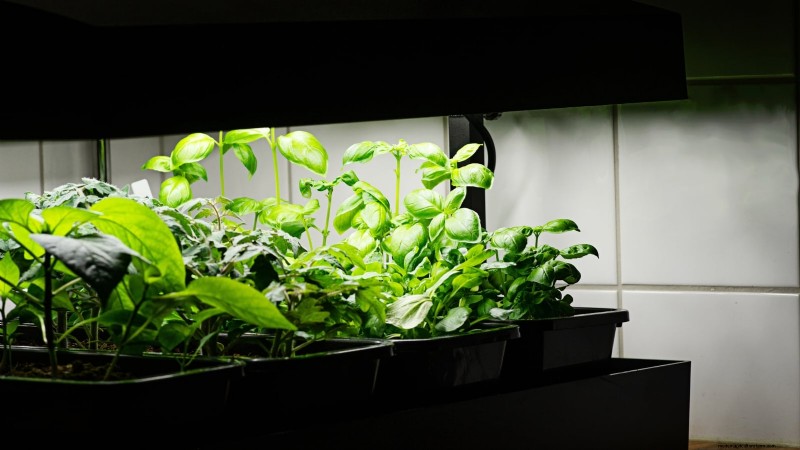 Direct sunlight or grow lights provide the necessary energy for producing bigger, healthier leaves.
When plants don’t receive enough light, they often compensate by producing smaller leaves. That’s because smaller leaves require less energy to produce than larger leaves.
Moving your herb to an area that receives more direct light will help the plant receive the energy it needs to produce larger leaves. If you don’t have an area that receives at least six hours of direct light, use a grow light.