
Welcome to Modern Agriculture!

Lighting is the cornerstone of a welcoming backyard, adding ambiance, safety, and security. Solar lights offer a cost‑effective, sustainable alternative to wired or battery‑only fixtures, but only if you understand the key performance indicators that separate quality from cheap, short‑lived options.
As a gardening editor with over a decade of experience testing dozens of solar products, I’ve seen the difference between lights that shine for years and those that dim after a single season. The verdict? Performance, not price, is the real determinant – and that performance is encoded in the technical ratings on the packaging.
This guide breaks down the five most important solar lighting facts so you can shop with confidence and invest in lights that truly last.
All outdoor lights carry an Ingress Protection (IP) rating that tells you how well they resist dust and water. The first digit covers solid matter (0–6) and the second covers liquids (0–8). IP44 blocks particles smaller than 1 mm and tolerates splashes; IP65 offers full dust protection and can survive heavy rain; IP68 guarantees the light can be submerged or operate in the harshest weather.
For permanent outdoor use, aim for a minimum of IP65. Lights rated IP44 are fine for seasonal décor, but will fail under rain or in damp climates. Common high‑quality models include the IP65‑rated Solar Rope Lantern, the IP68 Nymphy Pathlights, and the IP68 Solar Deck Lights.
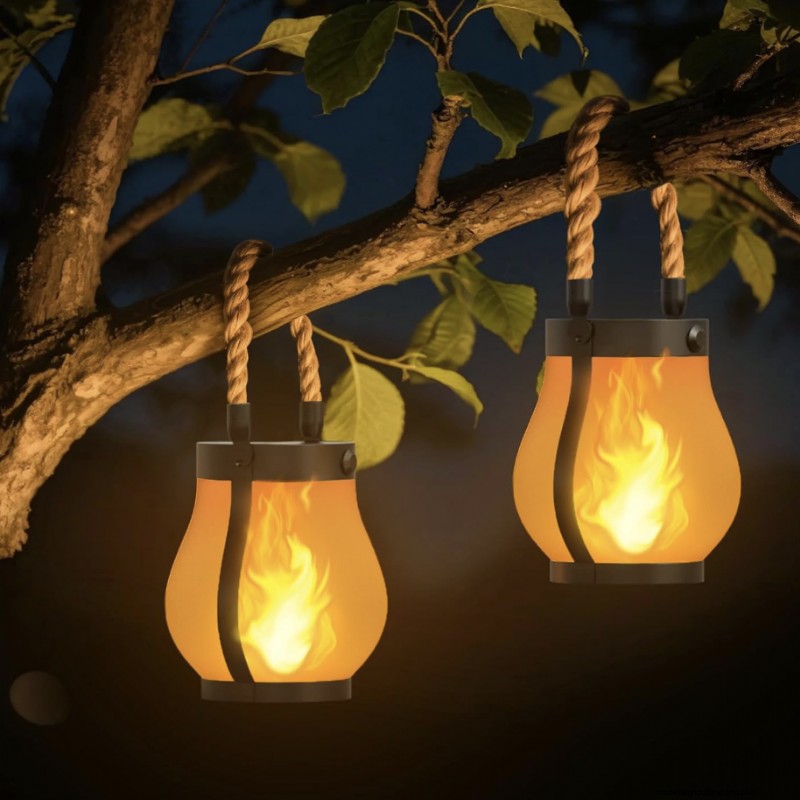 Gen2 Solar Lanterns – USB‑chargeable, dual‑mode (steady or flame effect).
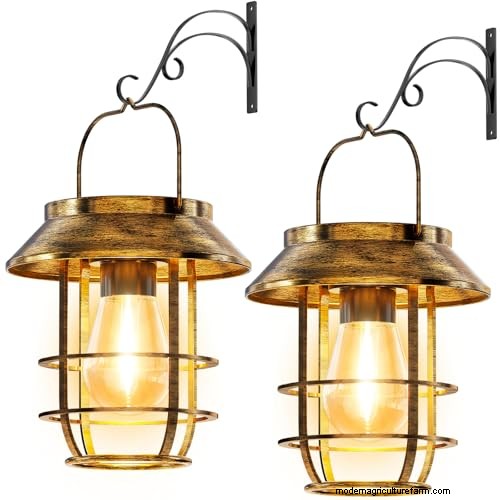 2‑Pack Metal Lanterns with Wall Hooks – robust, weather‑resistant design.
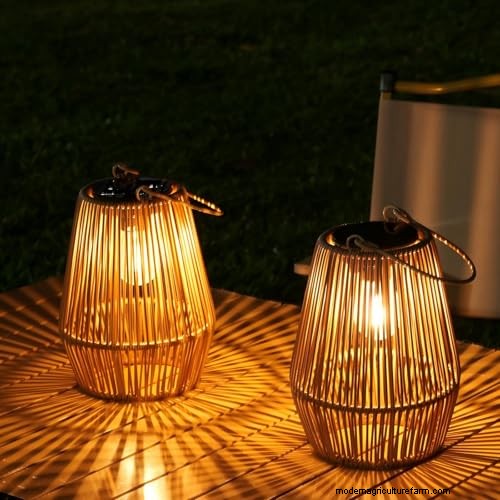 Waterproof Rattan Lanterns – versatile for hanging or floor use.
Lumens (LM) quantify how much light a fixture emits. Under 100 LM is perfect for a soft glow, while 200 LM or more is needed for functional illumination. Pathway lights can range from 10–40 LM for décor to 300 LM for safe walking paths.
Security applications demand even higher output: motion‑sensor floodlights can reach 3,000 LM. Remember, higher lumens require efficient solar panels that capture as much sun as possible.
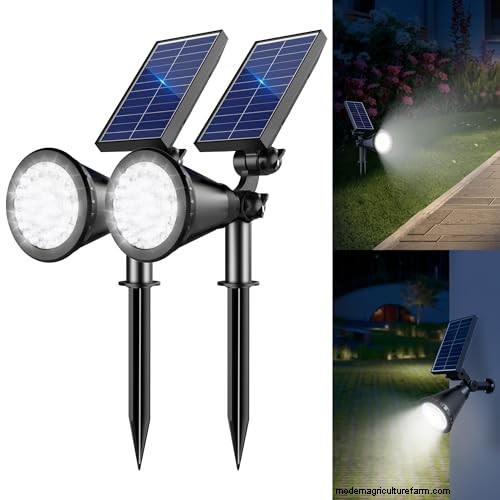 2 Outdoor Waterproof Spotlights – 36 LEDs, 1,000 LM, 90° adjustable.
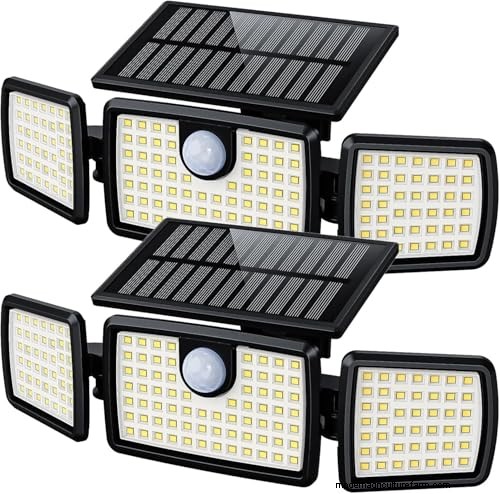 Motion‑Sensor Floodlights – 2,500 LM, 270° spread.
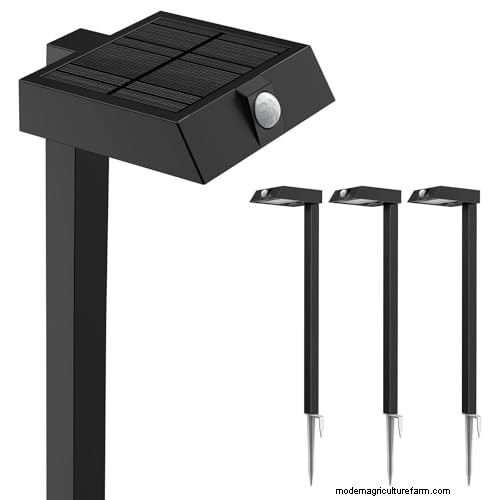 4 Solar Pathway Lights – 40 LM standard, 300 LM motion mode.
Color temperature affects mood and practicality. Warm white (2,700–3,000 K) creates a cozy ambience and is less disruptive to wildlife. Cool white (4,000–5,000 K) provides sharper visibility, ideal for pathways and security lighting.
Examples: Nfever Lanterns offer warm white for patio tables; UBright Lantern provides cool white for step illumination.
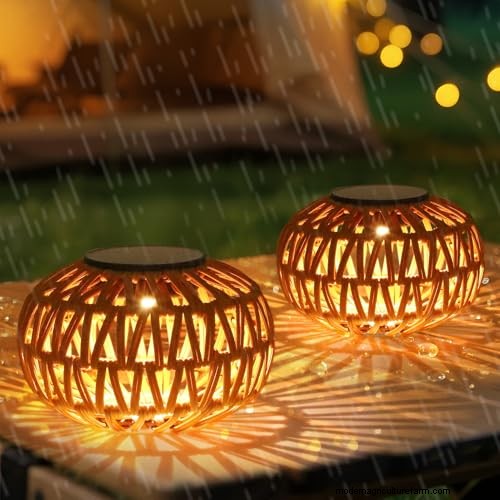 65‑ft Solar String Lights – warm white, dimmable, USB‑chargeable, IP65.
Solar Rattan Lanterns – 6.3” wide, warm glow.
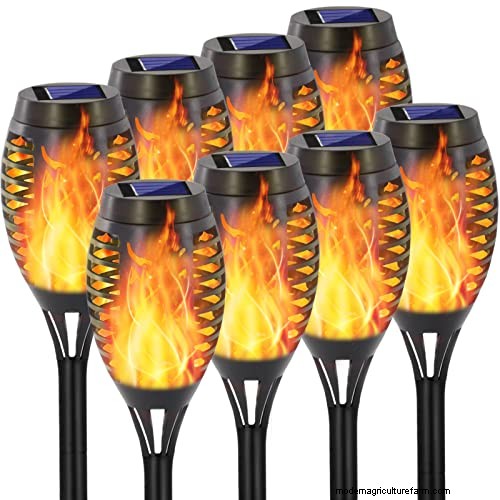 8 Solar Torch Lights – 20” high, flickering flame, IP65.
Most solar lights use silicon‑based photovoltaic cells. Polycrystalline panels (often blue or labeled PET) are cheaper but absorb less light. Monocrystalline panels (black, high‑efficiency) capture more energy, making them ideal for high‑lumens fixtures, shaded locations, or short winter days.
When shopping, look for “monocrystalline” on the packaging or a black panel. Polycrystalline panels are acceptable in sunny climates or for low‑lumens décor.
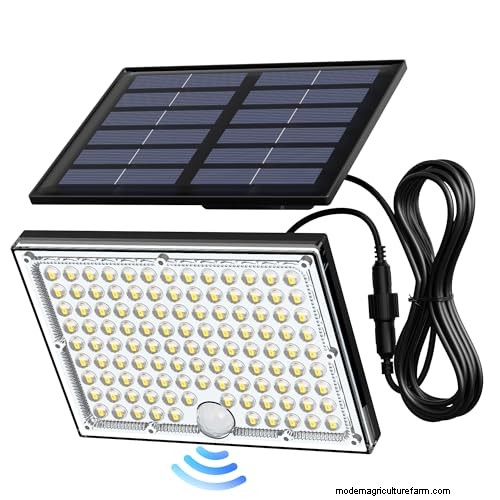 Solar Flood Light with Motion Sensor – 16.4’ cord, IP65.
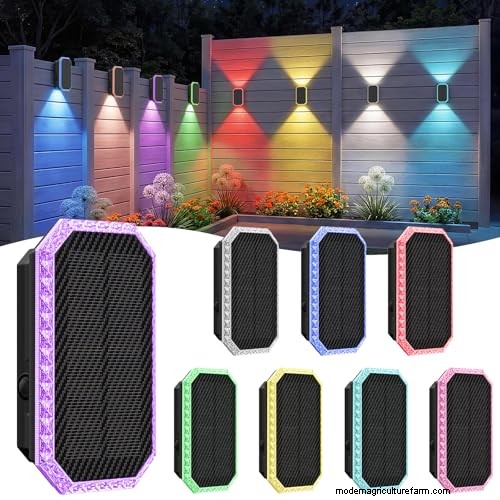 Bi‑Directional Solar Fence Lights – multiple colors, 4–5 h sun, IP67.
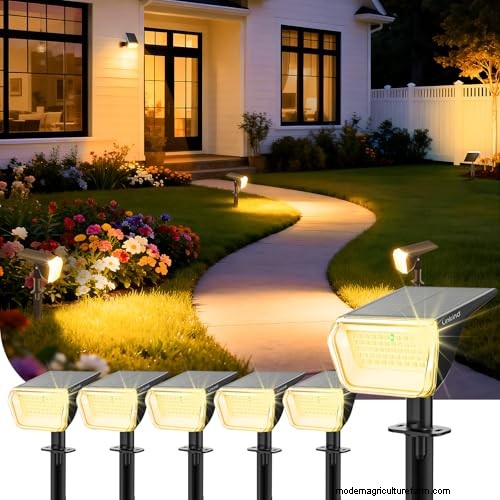 6 Solar Spot Staked Flood Lights – adjustable heads, IP67.
Solar lights store energy in batteries that power them after dark. The type and capacity dictate longevity and performance.
For lights that will be permanently installed, used year‑round, or located in extreme climates, a lithium battery is worth the premium. Otherwise, NiMH suffices.
Battery capacity is measured in milliampere‑hours (mAh); higher values (300–1,000 mAh+) mean more energy stored.
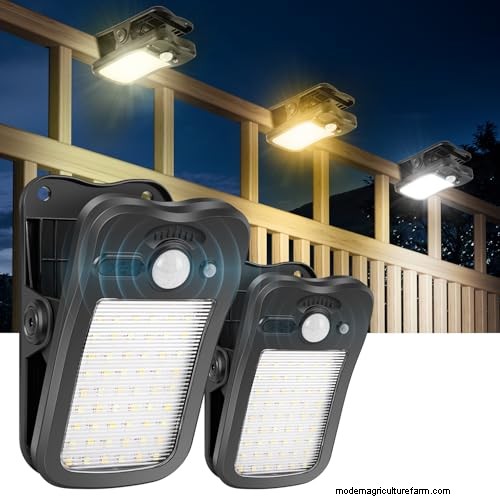 2 Clip‑On Solar Motion‑Sensor Lights – 800 LM, 10–12 h run time.
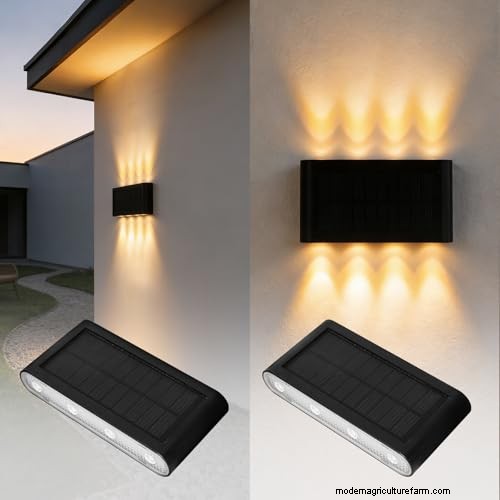 2 Solar Up & Down Wall Lights – lithium battery, monocrystalline panel, 10–16 h.
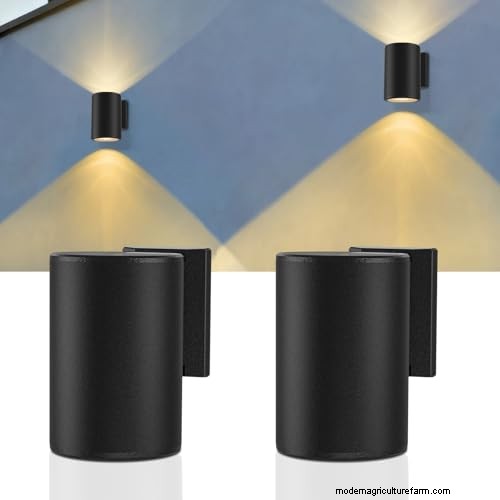 2 Solar Modern Sconce Wall Lights – lithium battery, monocrystalline panel, IP65.


