
Welcome to Modern Agriculture!

Summer rewards every gardener with flourishing foliage and vibrant flowers. Yet, a sudden gray, powdery bloom on leaves can signal a looming threat: powdery mildew.
Powdery mildew is the most common fungal disease in gardens, thriving in warm, dry days and humid nights. Early detection and swift action are crucial to prevent leaf yellowing, curling, and eventual plant loss.
This fungal infection manifests as a white or gray dust covering leaves, stems, buds, or fruits. While it may appear cosmetic, it hampers photosynthesis, stunting growth. Each plant hosts a unique mildew species, so the disease won’t jump from roses to lilacs or squash.
Inspect lower, interior, and underside leaf surfaces for the first signs. Prompt treatment makes containment easier.
Sign up for the Gardening Know How newsletter today and receive a free copy of our e‑book "How to Grow Delicious Tomatoes".
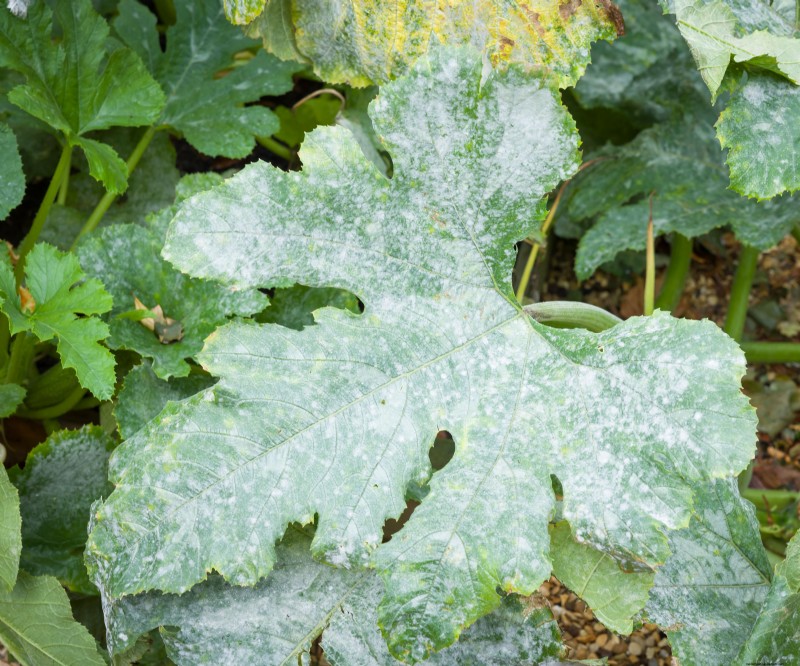
(Image credit: PaulMaguire / Getty Images)
Instead of resorting to harsh chemicals, a baking soda spray offers a safe, home‑made barrier. Baking soda is alkaline; when sprayed, it raises the leaf surface pH, creating an environment that discourages fungal growth and spore spread.
While it won’t erase existing damage, it stops the fungus from reproducing and moving to healthy tissue or neighboring plants.
Combining this spray with good garden hygiene—adequate spacing, airflow, and regular pruning—yields the best protection.

These items are inexpensive and readily available in most households.
Mix 1 tablespoon of baking soda and 1 teaspoon of dish soap into one gallon of water. Stir until the baking soda is fully dispersed; the soap ensures the solution adheres to leaf surfaces instead of running off.
Apply with the spray bottle, covering both tops and undersides of affected leaves. The optimal times are early morning or late evening to avoid rapid evaporation and leaf burn.
Reapply weekly, or more often after rainfall. Use a fresh batch if the solution becomes cloudy.
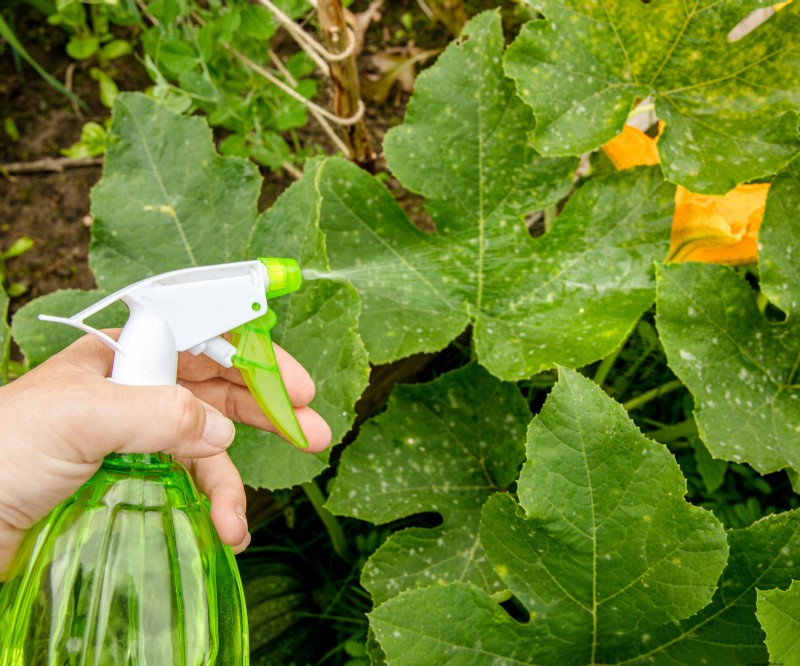
(Image credit: FotoHelin / Shutterstock)
Baking soda is generally safe, but higher concentrations can scorch foliage. Test the spray on a single leaf, waiting 24 hours for any reaction before full application.
Apply in cooler parts of the day, avoiding intense midday sun or drought‑stressed plants, which may suffer additional stress.
Repeated use can leave sodium salts in the soil. Water the surrounding soil before each application and limit usage to once per week. If salt buildup is a concern, swap baking soda for potassium bicarbonate in the same ratio.
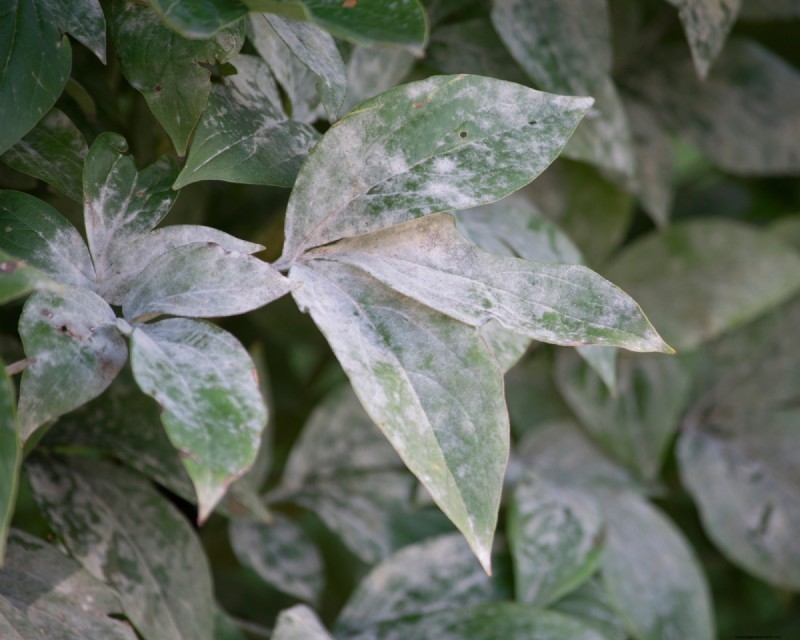
(Image credit: SBSArtDept / Getty Images)
While baking soda helps halt spread, it does not eradicate existing spores. Combine it with structural strategies: plant spacing, regular thinning, and ensuring air circulation. Avoid high humidity pockets by pruning dense canopies.
If infection is severe, prune affected stems or leaves, discard them in the trash (not compost), and sanitize tools after use.
For persistent outbreaks, consider an organic fungicide such as Bonide’s powdery mildew treatment.


