Welcome to Modern Agriculture!

Zucchini is one of the most reliable garden staples, celebrated for its rapid fruit development and abundant yields. While a single plant typically satisfies a household’s weekly zucchini cravings, many growers encounter a puzzling problem: the plant produces abundant flowers, yet no fruits ever appear.
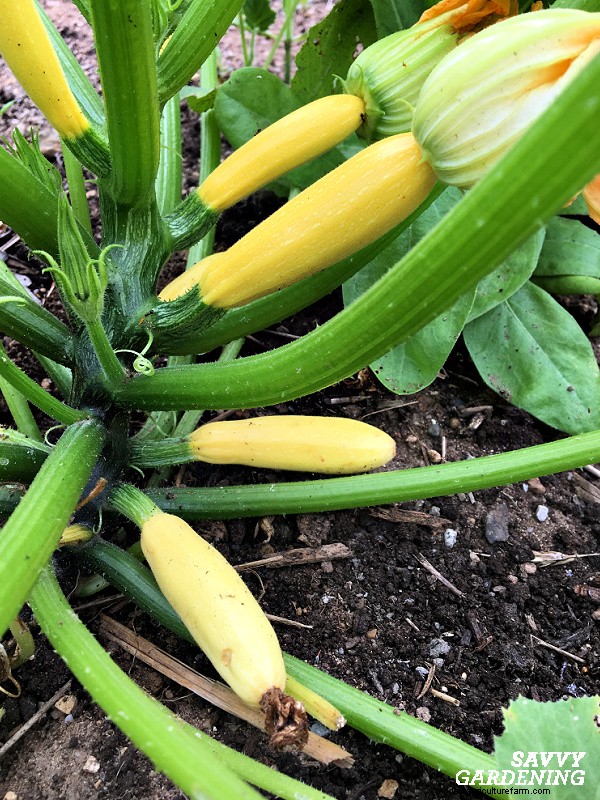
For families that enjoy zucchini one or two times a week, one or two plants are usually sufficient. The variety of options is vast—from golden, speckled, and striped types to white, dark green, and even striped or speckled varieties. Shapes range from classic oblong to curved, round, scalloped, or squat. Regardless of the color or shape, home‑grown zucchini tends to be tender and highly productive. My personal favorites include Zephyr, Costata Romanesco, Magda, Lemon, Eight Ball, and Black Beauty.
Most zucchini plants are bush‑type, forming dense mounds of foliage, flowers, and fruit. A few varieties, like the climbing "Incredible Escalator," thrive on trellises. Even bush varieties can be trained vertically by tying the central stem to a stake, saving space while keeping the plant healthy.
Zucchini is easy to grow, but occasional challenges can arise. If your plant isn’t fruiting, try the solutions below.
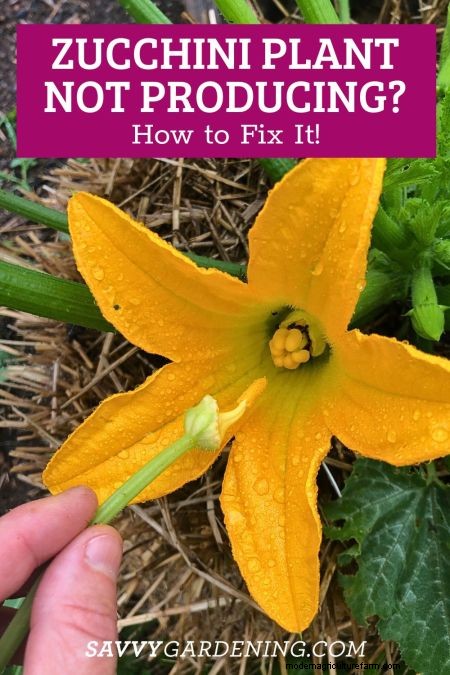
Squash plants, including zucchini, produce separate male and female flowers. Fruit develops only when pollen is transferred from a male to a female flower, typically by bees or other pollinators. Male flowers have a straight stem and a tiny fruit, while female flowers contain a tiny fruit and lack pollen.
Companion plants such as nasturtiums, zinnias, and sweet alyssum attract pollinators and encourage them to visit your zucchini flowers—a strategy known as "pollinator‑friendly gardening." Even with natural pollinators present, incomplete pollination can result in stunted or misshapen fruits.
When bee activity is low, hand‑pollination is a quick, effective solution. Pollinate in the morning when flowers are fresh. Use a small, dry brush, a Q‑tip, or even your finger to transfer pollen from a female to a male flower, or gently touch the pollen‑laden anther of a male flower to the stigma of a female flower. Repeat this whenever new female flowers form.
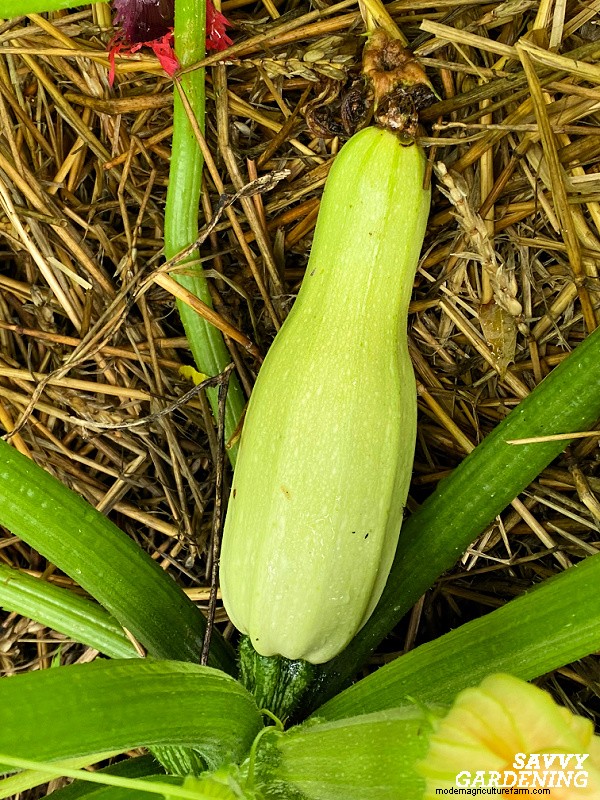
Inadequate pollination often produces stumpy or misshapen fruits.
Consistent moisture is essential for healthy plant growth and efficient pollination. Drought‑stressed plants produce fewer flowers and fewer fruits. During dry spells, I deep‑water my zucchini twice a week, targeting the plant’s base and avoiding wetting the flowers, especially when watering in the morning when pollen quality is high.
I prefer a long‑handled watering wand, placing the nozzle near the plant’s roots to reduce splash damage. Mulching with 2–3 inches of straw further conserves soil moisture and suppresses weeds.
Rain can also diminish pollination by washing away pollen. When this occurs, patience is key—wait for the weather to improve and new flowers to form.
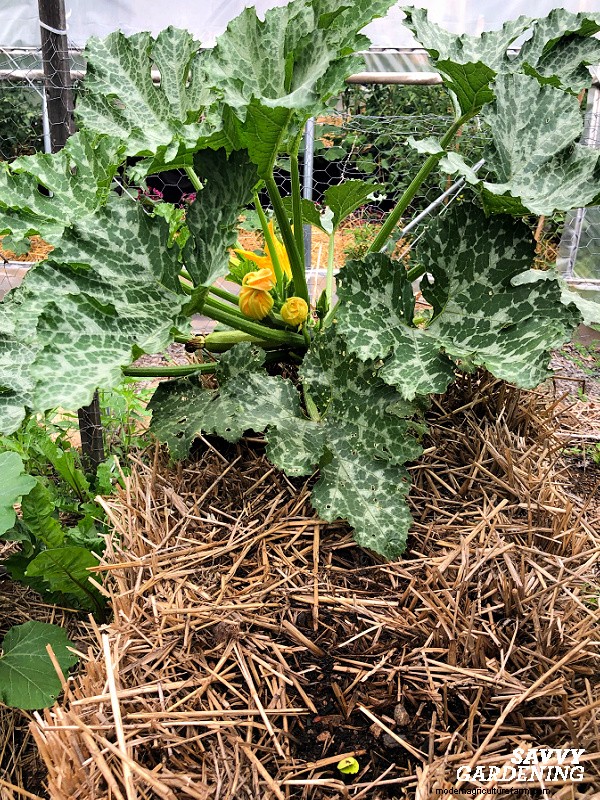
Consistent straw mulching retains moisture and reduces weed growth, supporting the plant’s optimal conditions.
High humidity affects pollen quality by causing pollen grains to clump together, making pollination difficult. During hot, humid periods, hand‑pollination in the morning ensures fresh pollen and improves fruit set.
Zucchini thrives in fertile soil enriched with organic matter. Prior to planting, I amend the soil with compost or rotted manure and top‑dress or dig in 1–2 inches of organic material. This improves the plant’s overall structure and resilience.
While nitrogen‑rich fertilizers encourage leafy growth, they can reduce fruit production. I use a balanced, organic vegetable fertilizer, similar to the one used for peppers and tomatoes, to avoid waste and maintain healthy plant tissue.
For small spaces, zucchini can be grown in pots. I favor fabric planters filled with a potting mix and compost, providing a durable, moisture‑retentive environment.
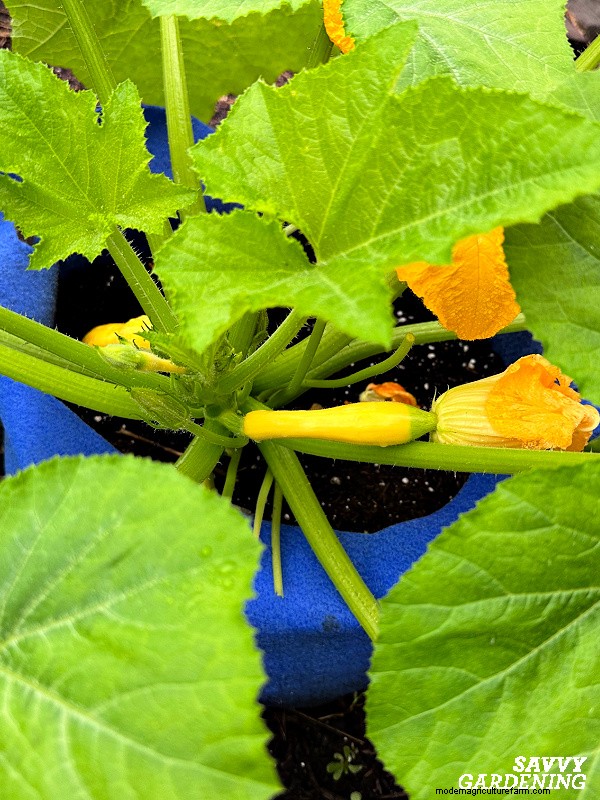
Adapt to limited space by planting zucchini in fabric pots that combine soil health and practicality.
As a warm‑season vegetable, zucchini requires at least 6–8 hours of direct sunlight each day. Adequate light ensures vigorous growth and optimal fruit quality. Insufficient sun leads to fewer flowers and fewer fruits. If a garden bed lacks sufficient light, grow zucchini in pots positioned in well‑lit areas of your yard, deck, or patio.
Sometimes the plant simply isn’t mature enough. Most varieties begin fruiting 50–60 days after planting—known as the "maturity date." If your plant hasn’t reached this stage, give it time; once fully formed, it will produce perfect, flavorful fruits.
For deeper insights into common zucchini problems—such as squash bugs, blossom‑end rot, and powdery mildew—see our Guide to Zucchini Growing Problems.
For more expert advice on growing squash family plants, read these articles: