Welcome to Modern Agriculture!

This post may contain affiliate links. If you make a purchase through links on our site, we may earn a commission.
Tomato growers know that aphids are a persistent challenge. While heat, humidity, and fungal disease can all stunt growth, aphids are the most common pest that can silently sap vigor from your plants. Understanding how they feed, recognizing early signs, and implementing practical, natural interventions can keep your tomatoes healthy and productive.
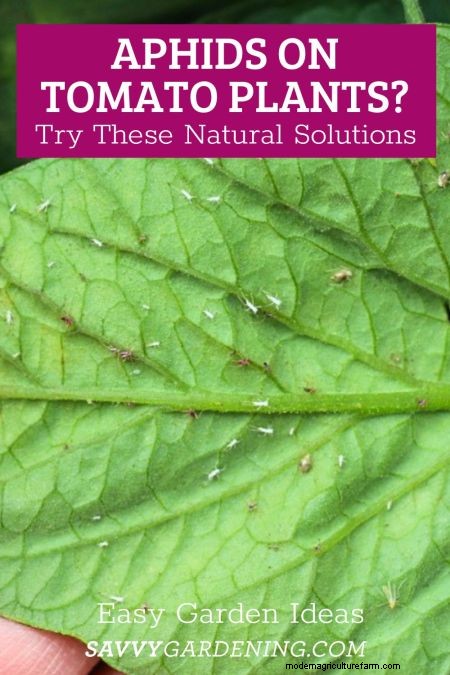
Aphids are tiny, pear‑shaped insects, typically 1/16 to 1/8 inch long. Their coloration ranges from green and yellow to black, brown, red, or pink, depending on species. Most lack wings, but some carry transparent wings for dispersal. All aphids possess antennae and two cornicles—tube‑like structures on the abdomen.
Although there are thousands of aphid species worldwide, only two commonly target tomatoes: the potato aphid (Aphis glabripennis) and the green peach aphid (Myzus persicae). These pests emerge from overwintering sites in early spring, making newly transplanted seedlings especially vulnerable. While a single aphid rarely harms a plant, large colonies can quickly overwhelm a tomato’s defenses.
Aphids feed by inserting their piercing‑sucking mouthparts into leaf and stem tissues, extracting sap and leaving behind a sticky residue called honeydew. This honeydew attracts sooty mold, darkening foliage, and can cause leaves to shrivel. The cumulative effects are threefold:
In addition, aphids serve as vectors for mosaic viruses such as tobacco mosaic virus (TMV) and tomato mosaic virus (ToMV), which can devastate yields.
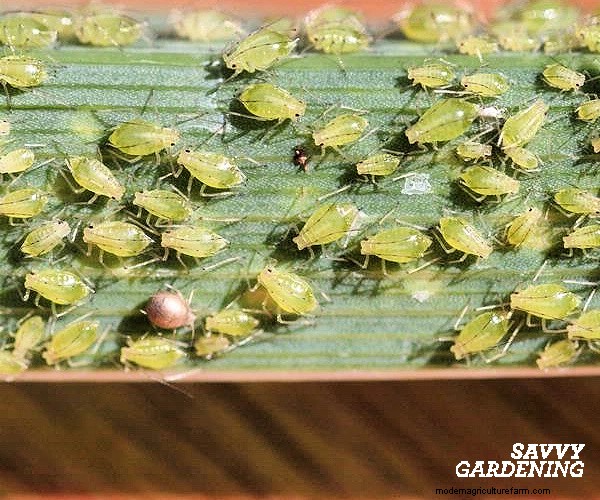
Potato aphids typically appear pink or mottled green with slender, elongated cornicles. Green peach aphids are pale yellow to green with short cornicles. Regardless of species, the management approach remains the same.
Tomato plants can tolerate a surprising amount of aphid damage before fruit formation is affected. However, aphids reproduce rapidly, so a growing cluster can signal the need for action. Consider the following when judging tolerance:
Regular inspections help you spot early signs of distress (the "teachable moment") before numbers balloon.
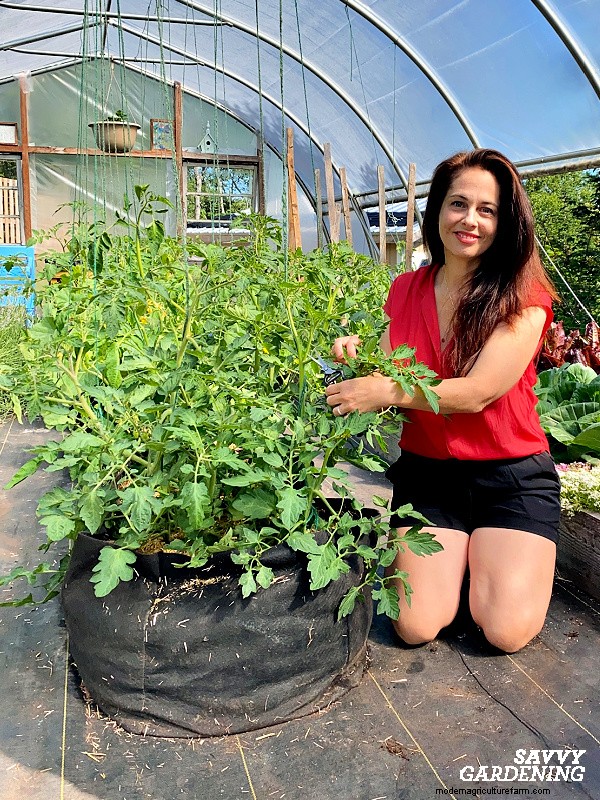
Strong, healthy tomato plants are your best defense. Aphids target the weakest tissues—a phenomenon known as "pest‑first". Keep your plants vigorous by ensuring adequate nutrients, light, and water (the "triple threat" of micro‑environmental control). This will reduce aphid attraction and lower the likelihood of infestations.
Below are the five strategies I recommend for managing aphids on tomato plants, grouped under an integrated pest management framework:
Choose the methods that align with your gardening style and the severity of the infestation.
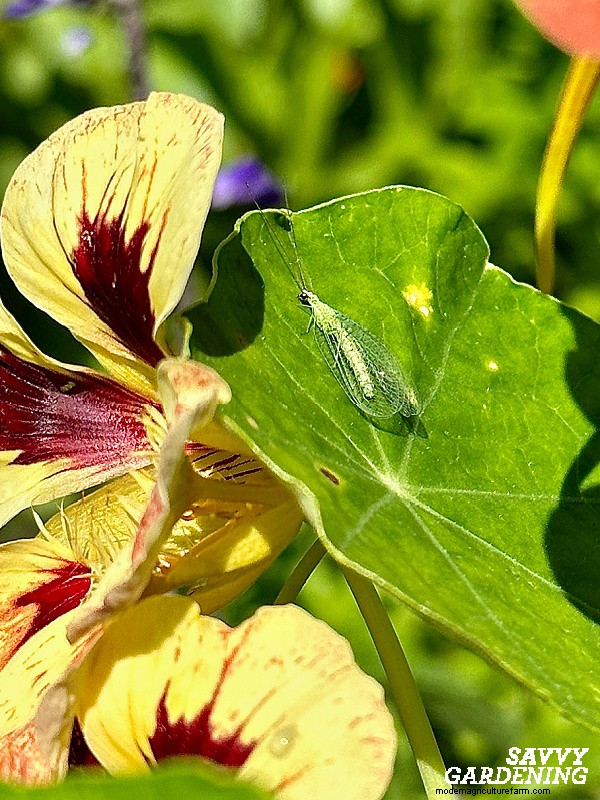
Predatory insects such as ladybugs, lacewings, syrphid fly larvae, and parasitic wasps are known as "pest‑control agents". Their larvae can consume dozens of aphids in a single meal—an "eating‑disorder" that decimates colonies. Planting companion crops like basil, oregano, or cilantro near tomatoes can attract these helpers, turning your garden into a living firewall.
For small infestations, physically removing aphids or washing them away with a spray of water is highly effective. A strong jet of water can damage aphid tissues and disrupt feeding behavior. This technique also works during rain or windy conditions, which can naturally deter pests.
Selective pruning of affected plant parts—known as "destroy‑the‑good‑part"—is also possible. Use clean, dry, non‑susceptible surfaces to preserve the plant’s overall health.
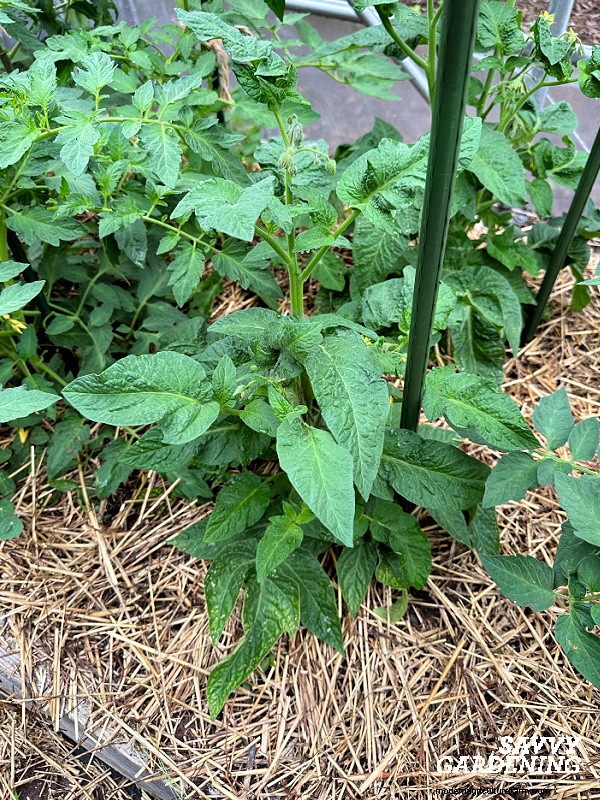
Insecticidal soaps are a reliable choice for larger infestations. Because aphids are soft bodies, direct contact kills the insect (a "knock‑down" effect). Apply soap to the underside of leaves and stems, ensuring all exposed tissues are covered.
Use a commercial or reputable DIY formula—plain dish soap is less effective and may damage the plant. Follow label instructions closely, even for organic products, to avoid harming future crop quality.
Like ICCS, horticultural oils act by damaging the plant’s cell structure. They are safe, fast‑acting, and effective on larger infestations. Use a low‑risk pesticide with a precise application technique, and read the label for guidance on dilution ratios.
Well‑mature tomato plants can withstand low‑level aphid activity without propensities. Monitoring the pest population and allowing natural predators to take control can resolve infestations without any chemical intervention. Weather events—rain or wind—often act as self‑propagating "pest propellers" that flush out pests.
Strong tomatoes not only resist aphids but also provide the structural foundation for long‑term self‑propagation. Implement these mandatory steps:
By combining these preventative tactics with the five natural control methods, you can keep aphid infestations at bay and preserve the aesthetic and functional value of your tomatoes.
Once your plants thrive, focus on the culinary joy—canning, sun‑dried tomatoes, or simply adding fresh flavor to your salads.