Welcome to Modern Agriculture!

Baboon flowers (Babiana nervosa) are cormous perennials native to South Africa, prized for their fragrant, funnel‑shaped spikes that bloom in spring.
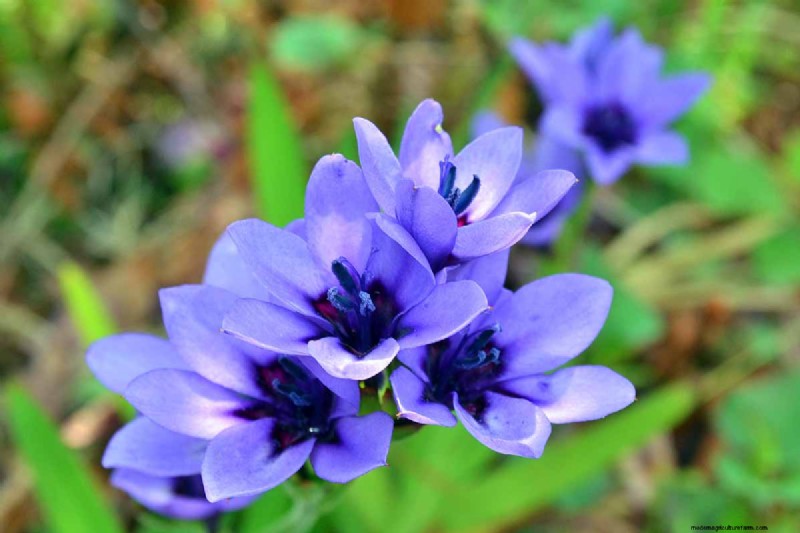
The blossoms appear in blue, purple, or yellow, each marked by contrasting light or dark hues near the center and dark blue anthers. Each flowering stem typically bears six two‑inch‑wide flowers with a pleasant, lemon‑like scent.
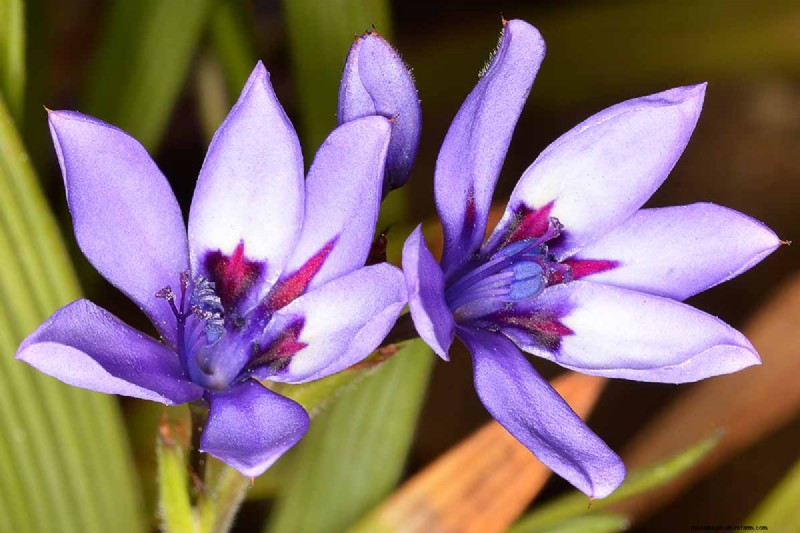
The plant’s upright, lance‑shaped leaves are pleated with prominent veins, forming clumps 4–8 inches tall and spreading up to two feet wide.
Baboon flowers thrive during the cool, wet winter months of the Western Cape and enter dormancy during the hot, dry summer. They are hardy outdoors in USDA Zones 9 and 10, and also perform well in containers that can be brought indoors during the growing season.
Ready to enhance your landscape with this striking spring color? Here’s what to know:
The Babiana genus comprises roughly 90 species, all part of the iris family, Iridaceae. Most species are native to southern Africa, especially the Western and Northern Cape regions of South Africa.
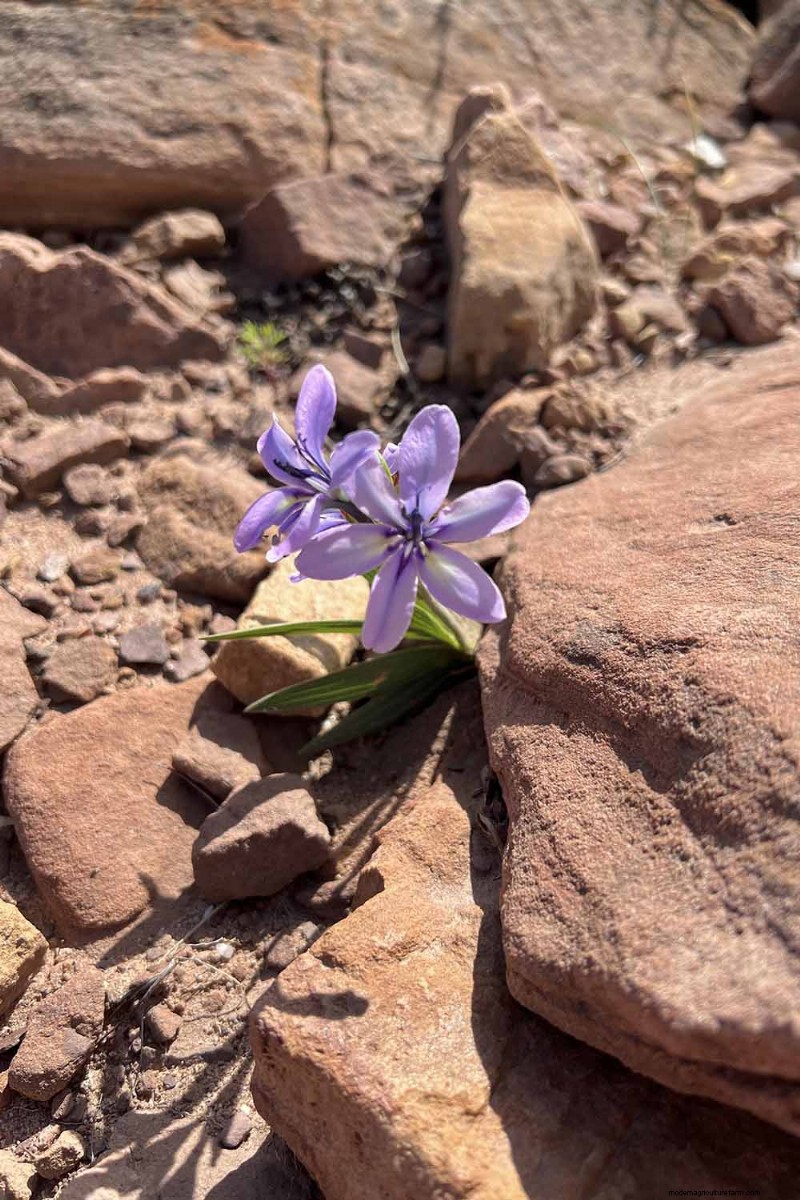
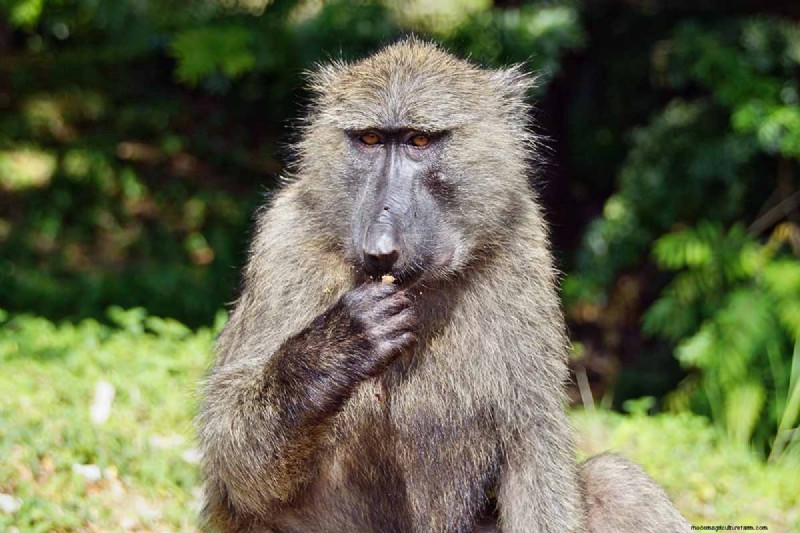
The genus name derives from the Afrikaans word bobbejaan, meaning baboon, a nod to local primates that dig up and consume the corms. Common Afrikaans names include bobbejaantjie and bobbejaanuintjie. In some catalogues, the plant is listed as blue freesia because its flowers resemble those of true freesias.
Although botanists now regard B. stricta as a synonym of B. nervosa, you’ll still encounter the former name in retail settings. The species epithet nervosa refers to the veined leaves.
Common name(s): Baboon flower, blue freesia, bobbejaantjie
Plant type: Cormous perennial (deciduous geophyte)
Hardiness (USDA Zone): 9–10 (outdoors)
Native to: Western Cape, South Africa
Bloom time / season: Spring
Exposure: Full sun to partial shade
Soil type: Sandy to loamy, well‑draining
Soil pH: 6.0–7.0, neutral
Time to maturity: 2–3 years from seed, 1 year from corms
Mature size: 4–8 inches tall by 24 inches wide
Best uses: Containers, cottage gardens, borders, pollinator plantings, rockeries
Order: Asparagales
Family: Iridaceae
Genus: Babiana
Species: Nervosa (syn. stricta)
Baboon flowers grow from small corms that remain dormant through the summer, resuming growth in fall. Each corm produces a fan of pleated leaves and a single flower spike. The flowers open along the upper part of the spike, six or so per stem. The funnel‑shaped flower features six tepals and emits a sweet, citrusy fragrance.
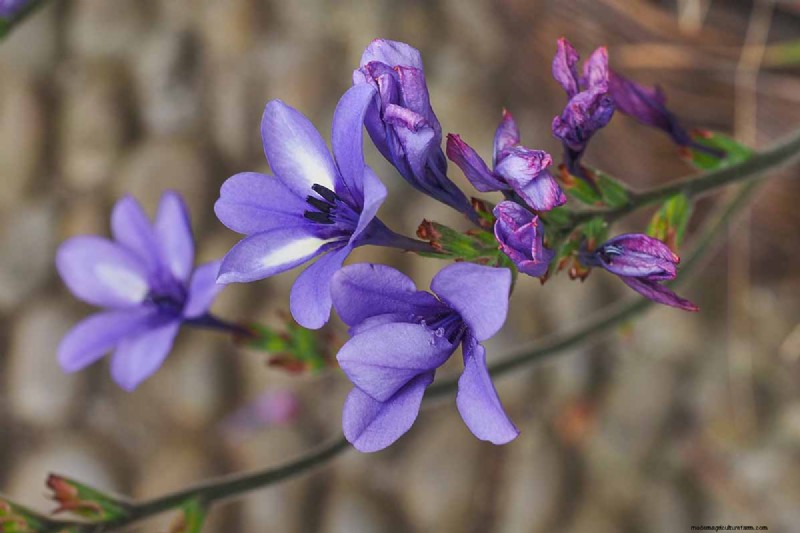
The plant’s growth cycle is adapted to a Mediterranean‑type climate with moist, mild winters and dry summers. In gardens, baboon flowers excel in sunny rockeries, front‑off‑border placements, and cottage‑style plantings. Their blossoms attract beneficial insects, making them ideal for pollinator gardens.
They also thrive in containers, delivering early‑season color in mild climates.
Baboon flowers are easy to grow when given the right conditions. In regions where they are hardy, they can be planted in‑ground year‑round. In cooler zones, container cultivation in a bright, frost‑free spot or greenhouse is recommended.
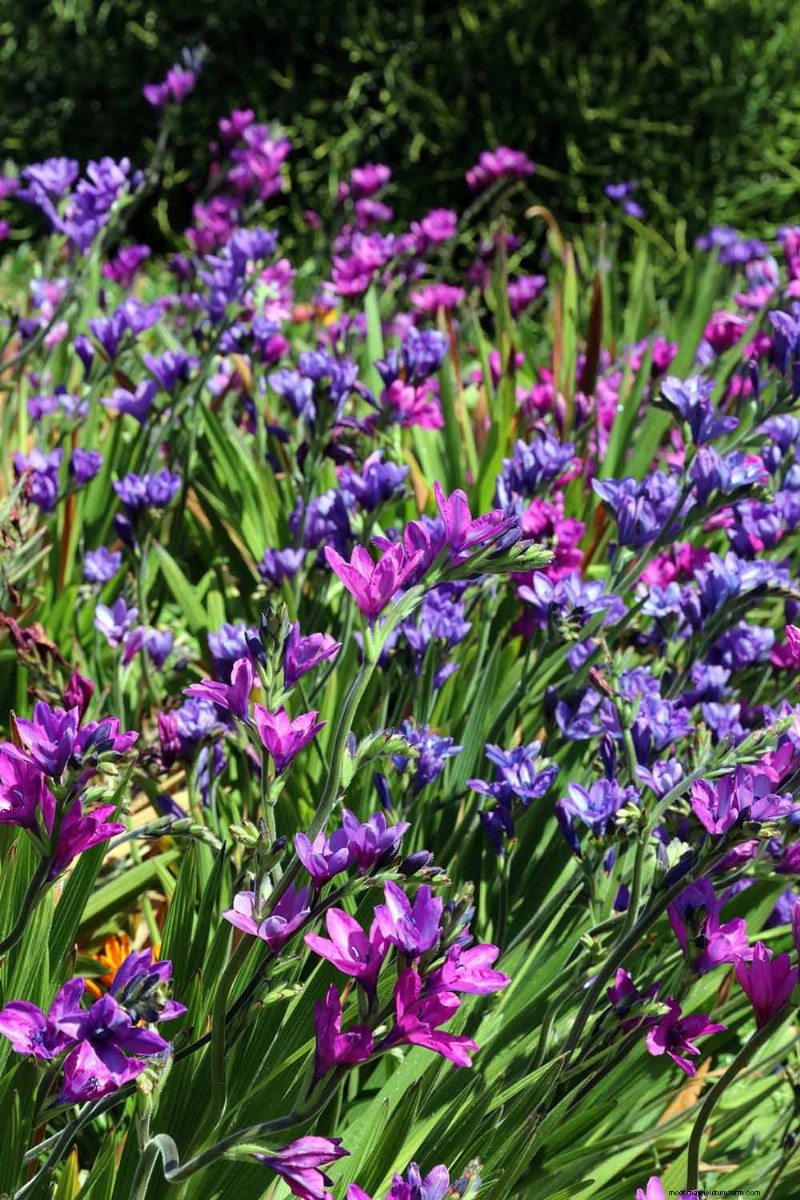
Unlike many summer‑flowering bulbs, baboon flowers should not be lifted and stored over winter. Plant corms in fall, setting them 3–4 inches deep and 2–4 inches apart, with the pointed growing tip facing upward.
Full sun yields the most prolific flowering. Baboon flowers tolerate partial shade but perform best on south‑ or west‑facing aspects in the Northern Hemisphere, providing the warmth and light they need.
These perennials are not fussy about soil type, thriving in lean, well‑draining conditions. Avoid waterlogged soil during the dormant summer to prevent corm rot. Ideally, the soil should be organically rich, loose, and well‑draining, with a pH of 6.0–7.0. If heavy clay is present, grow in a raised bed or container.
For containers, use a well‑draining potting mix amended with grit if additional drainage is desired.
Keep soil evenly moist through fall, winter, and spring while the plant is in leaf and during flowering. Water whenever the surface begins to dry out. After flowering, when leaves yellow in early summer, cease supplemental watering to allow corms to enter dormancy. Excessive moisture during dormancy causes rot. A layer of mulch can help retain moisture in very dry regions.
If soil is not severely depleted, fertilizing can be omitted. When desired, a side‑dress of compost as shoots emerge suffices. For container growers, start the second year with a balanced liquid fertilizer diluted to half strength, applied every three to four weeks during the growing season. Cease fertilizing once blooms fade.
Select a pot at least six inches deep with adequate drainage. Material is flexible provided drainage is sufficient. Space corms 2–4 inches apart and plant 3–4 inches deep. In regions outside the hardiness range, relocate the container indoors or to a greenhouse before the first frost, maintaining even moisture. Reduce watering after flowers fade and foliage wanes.
Corms are typically available in fall through bulb specialists, online retailers, and larger garden centers.
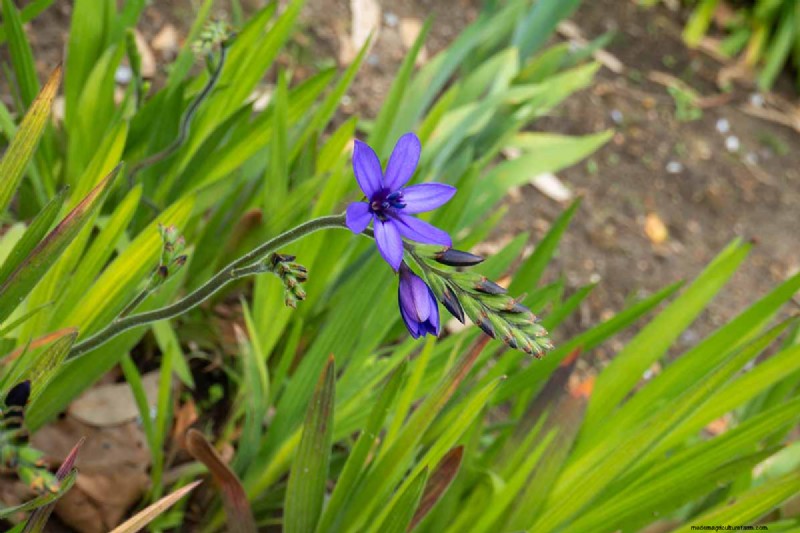
Notable cultivars include ‘Purple Star’ (deep purple blooms) and ‘Tubergen’s Blue’ (lavender flowers with a dark blotch). Several hybrids exist, often sold simply as baboon flowers or blue freesia. Mixed‑color collections are also common.
In‑ground plantings in mild climates require minimal attention beyond seasonal watering. Allow foliage to die back naturally after flowering; cutting it back prematurely removes vital energy for next season’s growth. Once leaves wither, trim to tidy the area. In very wet summer regions, lifting and storing corms after foliage dies back, then replanting in early fall, prevents rot. Over time, healthy plants produce offsets forming large clumps; divide and replant to avoid overcrowding.
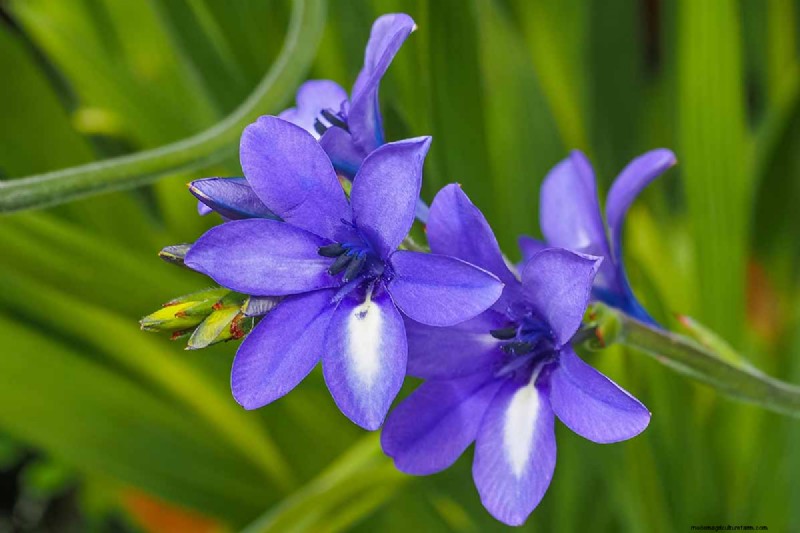
Baboon flowers propagate via cormlets—small offsets near mature corms—or by seed. Offsets produce clones more quickly than seed. To divide, lift dormant corms after foliage dies back, gently separate the cormlets, and store them dry over summer. Replant in early fall; larger offsets may flower the first season, smaller ones in a year or two. For seed propagation, sow in fall in a gritty, well‑draining potting mix. Germination occurs in about six weeks, but full maturity takes two to three years.
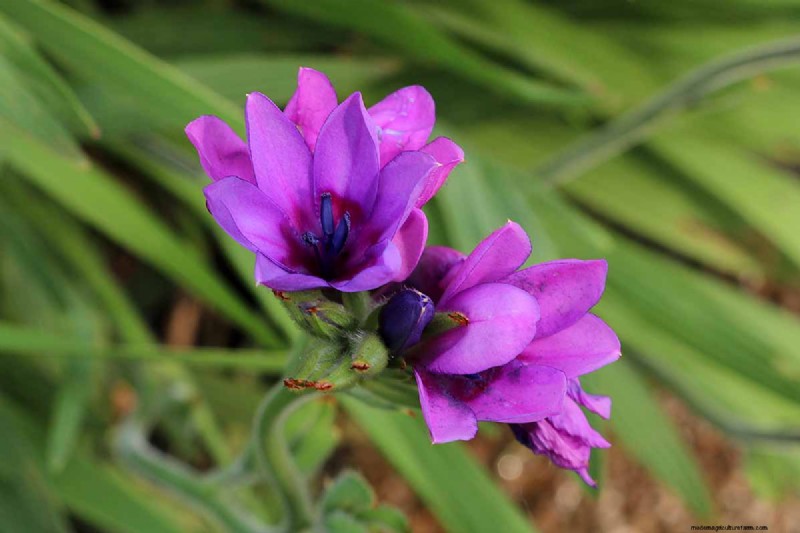
Baboon flowers are largely pest‑free, though thrips and spider mites may target foliage in warm, dry conditions. A strong jet of water or insecticidal soap addresses light infestations. Corm rot and soft rot arise from wet soil during summer dormancy, while Southern blight—fungal corm rot—can affect wet summers. If rainfall is high, consider lifting corms for storage in a dry area before replanting in fall.
The citrus‑scented flowers provide beautiful front‑border or patio pot color while supporting bees and other pollinators. Easy care, early spring color, and a charming name make baboon flowers a reliable addition to any garden.
Are you incorporating baboon flowers into your landscape? Share your experience and top tips in the comments below. For more guidance on growing flowers, explore these related guides: