
Welcome to Modern Agriculture!

The Gryphon begonia (Begonia x hybrida ‘Gryphon’), also marketed as Pegasus™, is a non‑wild hybrid developed by PanAmerican Seed. It thrives outdoors in USDA Zones 8–10 and combines characteristics of both cane and rhizomatous begonias.
Gardeners prize it for its dramatic foliage. The deeply lobed, palmate leaves can reach up to 10 inches across, displaying a green base with striking silver speckles. Young stems and the undersides of older leaves are a vivid red, turning brown and semi‑woody as they mature. Small pink‑to‑white flowers, similar to those of rex begonias, may appear but are often overlooked.
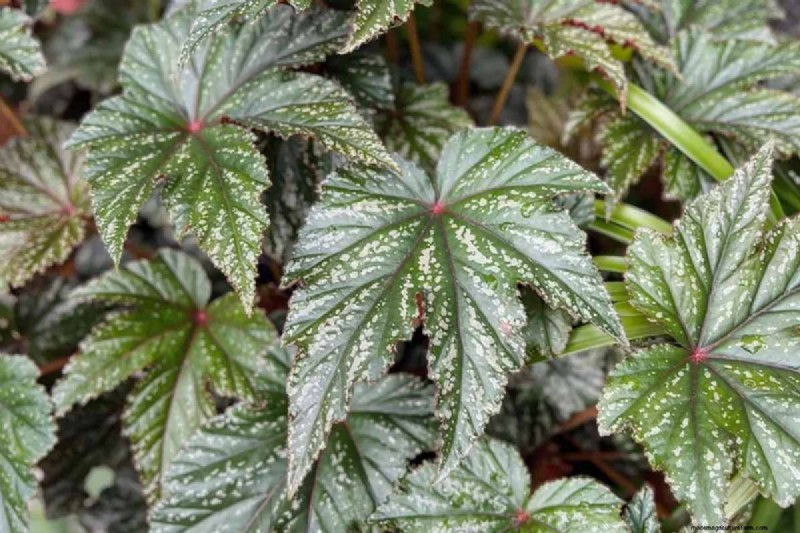
Below is a concise guide to growing and maintaining this tropical gem.
Order: Cucurbitales – Family: Begoniaceae – Genus: Begonia – Species: Begonia x hybrida ‘Gryphon’
Gryphon needs fertile, well‑draining soil to prevent the dreaded stem rot that plagues many begonias. Successful cultivation hinges on meeting these cultural requirements:
Daytime 65–75 °F; nighttime 62–67 °F. The plant thrives in a moist environment with relative humidity above 60 %.
Outdoor: partial to full shade. Indoor: bright, indirect light—north or west‑facing windows work best.
Use an organically rich mix with a pH of 5.5–6.5. For containers, combine peat or humus with perlite to balance moisture retention and drainage.
Hold water until the top 1–2 inches of soil dry. Because the plant loves moisture yet hates sogginess, a moisture meter can be a reliable guide.
Apply a balanced slow‑release granular fertilizer (10–10–10) monthly during the growing season for outdoor plants; use a liquid feed for houseplants.
Search for the plant under “Gryphon” or “Pegasus™.” Avoid varieties that claim full sun tolerance. While morning sun is acceptable, harsh afternoon light in hot climates can scorch the foliage.
Prune lightly in late spring—remove up to one‑third of the stems just above a leaf node to encourage bushiness. Snip damaged or dead leaves at their base to keep the plant vigorous.
Begonias have shallow roots; when grown in pots, keep the vessel snug but not too deep—about 2 inches larger in diameter and depth than the root ball. Fill the pot ¾ full to allow easy watering without overflow.
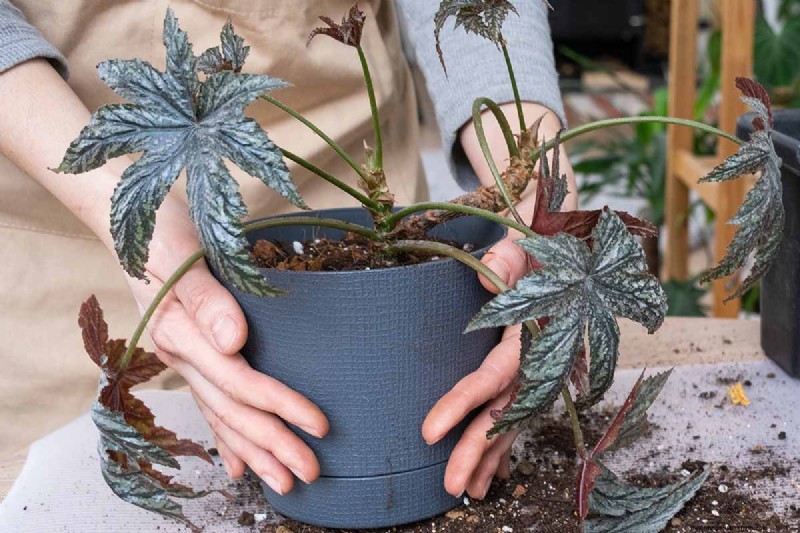
In frost zones, bring containers indoors before temperatures fall below 62 °F.
Choose from seed, cutting, or nursery starter.
Purchase F1 seeds from a reputable supplier—seed from a mature plant will not guarantee the same cultivar. Germination requires 72–78 °F and 100 % humidity. Follow seed‑pack instructions closely.
In spring, select a 4–6 in long stem with several nodes. Remove lower leaves, leaving at least two leafless nodes and one emerging leaf. Dip the cut end in rooting hormone.
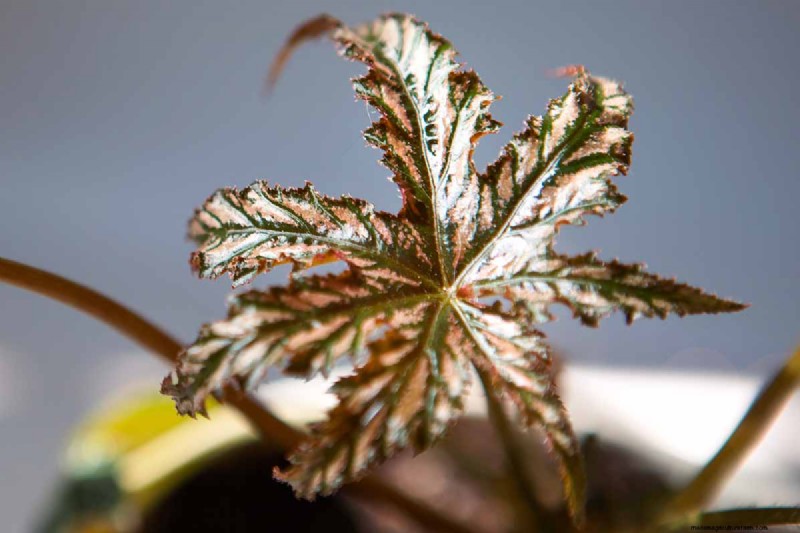
Plant in a 3–4 in pot with a well‑draining, airy mix (half peat, half perlite). Make a 2–3 in hole, insert the stem, tamp the soil, and water gently. Place in bright, indirect light and water when the top 1–2 inches dry.
When moving a rooted cutting or nursery start outdoors, position the crown at or slightly above the soil surface to avoid stem rot. Space plants 12–18 in apart to promote airflow.
When cultural needs are met, Gryphon is resilient. Over‑watering or overcrowding can invite:
Control measures: regular watering checks, neem oil sprays for pests, copper fungicide for Botrytis, and removal of infected leaves for mildew.
The Gryphon begonia’s silver‑speckled leaves make it a standout in shaded beds, borders, and indoor spaces. By providing fertile, well‑draining soil and respecting its light and moisture requirements, you can cultivate a resilient tropical star.
Share your Gryphon care stories in the comments. For more beginner guides, see How to Grow Angel‑Wing Begonias, How to Grow Wax Begonias, and What Causes Begonia Leaves to Curl?.
![Rosemary: History, Benefits & Growing Guide | [Your Brand Name]](https://modernagriculturefarm.com/article/uploadfiles/202209/2022090116515455_S.jpg)

