
Welcome to Modern Agriculture!

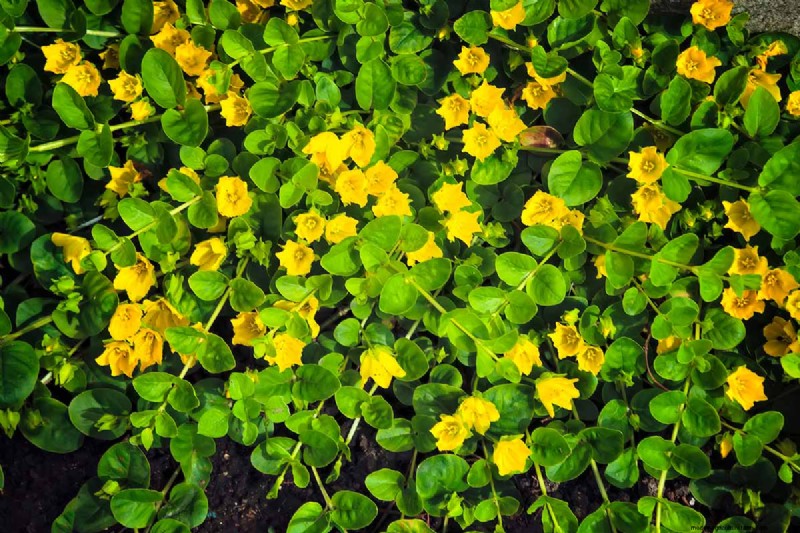
Also known as Moneywort, this semi‑evergreen perennial is prized for its bright, coin‑shaped foliage and delicate yellow flowers. It thrives in moist, shaded environments, making it an excellent choice for creek beds, pond edges, and wet woodland floors.
Its rapid, stem‑rooting spread forms dense, luxurious mats that provide effective erosion control on slopes and banks.
We link to vendors to help you find relevant products. If you buy from one of our links, we may earn a commission.
Creeping Jenny reaches a maximum height of 6 inches but can spread up to 24 inches in ideal conditions. It tolerates full sun to partial shade and, with consistent moisture, can dominate the landscape.
While its vigorous growth offers lush coverage, planting in drier sites or choosing less aggressive cultivars can help control spread. The plant also excels in containers, providing a striking green and yellow backdrop or cascading spillers for a tropical touch.
Cold‑hardy and deer‑resistant, Moneywort is an easy‑care option for gardeners seeking a low‑maintenance ground cover.
Ready to add this versatile plant to your garden? Follow our step‑by‑step guide below.
Here’s what you’ll learn:
Native to Europe and temperate Asia, Lysimachia nummularia earns its common names—Moneywort, Herb Twopence—from its coin‑shaped leaves. The Latin epithet nummularia literally means “coin‑like.”
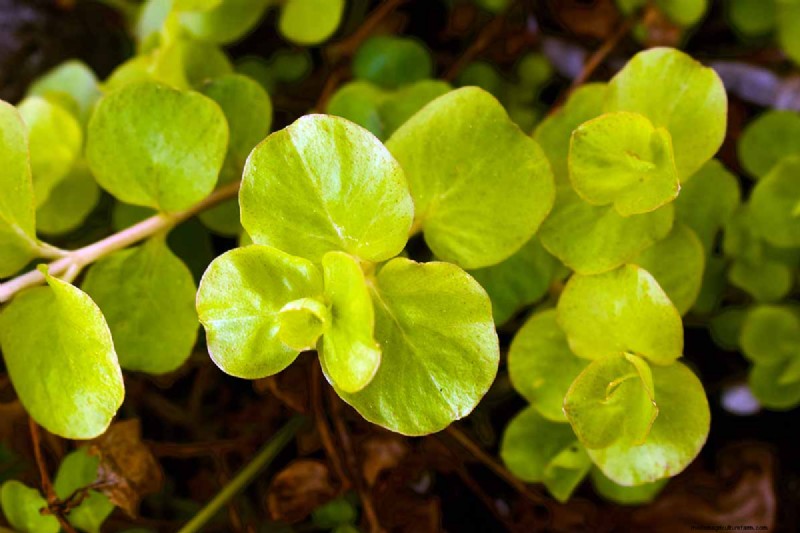
Typically reaching up to 6 inches tall, this herbaceous semi‑evergreen can spread 12–24 inches through stem rooting. In consistently wet conditions, it can form extensive colonies.
Foliage ranges from jade and lime green to chartreuse and gold, with the deepest tones appearing in partial shade. Bright sunlight lightens the leaves.
From late spring to summer, the plant produces small, cup‑shaped yellow flowers that can dominate the visual landscape.
Common name(s): Creeping Jenny, Herb Twopence, Moneywort
Plant type: Perennial rhizome
Hardiness (USDA Zone): 3–9
Native to: Europe & temperate Asia
Bloom time / season: Summer
Exposure: Full sun to part shade
Soil type: Clay, loam, or sand of average fertility, well‑draining
Soil pH: 6.0–8.0, slightly acidic to slightly alkaline
Time to maturity: 2–3 months
Mature size: 2–6 inches tall by 2–3 feet wide
Best uses: Ground cover, containers, erosion control
Order: Ericales
Family: Primulaceae
Genus: Lysimachia
Species: nummularia
Fast growth and a low profile make Creeping Jenny a popular choice for rain gardens and water features. However, in parts of eastern and northwestern North America, it is classified as an invasive wetland species. Plant it only where invasiveness is not a concern, or use controlled‑spread cultivars, dry sites, regular root pruning, or container cultivation.
Prepare the site by loosening the soil to a depth of six inches. Amend with a trowelful of organic material—compost, leaf mold, well‑rotted manure, or worm castings—per plant.
Place each plant at the same depth as its nursery pot, with the crown level with the soil surface. Backfill, firm gently, and water thoroughly to settle the soil.
For large areas, space plants 12 inches apart to allow the rapid spread to fill gaps.
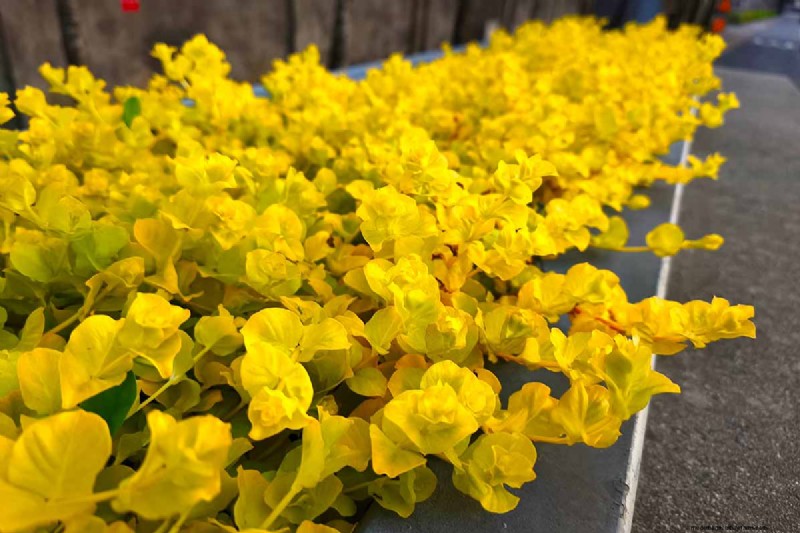
Creeping Jenny adapts well to a range of light conditions. In dappled or morning shade, leaves develop vibrant, saturated colors. Full sun can cause slight blanching, producing lighter foliage.
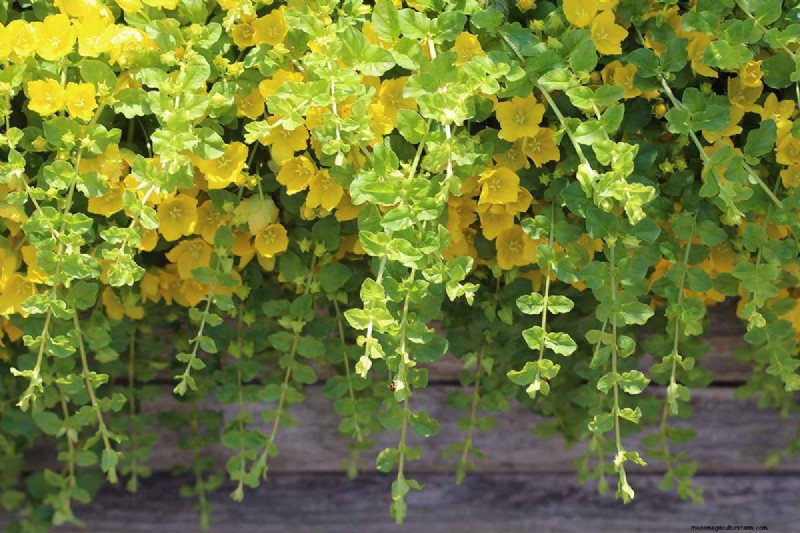
It thrives in moist, humus‑rich soils with an average fertility level and a pH of 6.0–8.0. Clay or sandy soils work well once amended with organic matter.
Regular watering keeps the soil consistently moist. One or two inches per week typically suffices, though container plants may require more frequent moisture. To limit spread, reduce watering frequency and only water when the top inch or two of soil is dry.
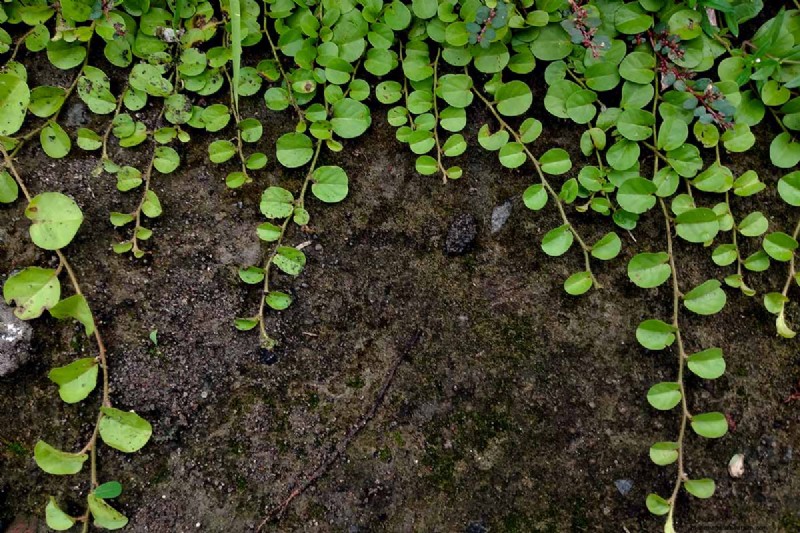
Optimal temperatures during the growing season range from 65–85°F. The plant is hardy in USDA Zones 3–9 and tolerates moderate humidity but may struggle in extreme heat or excessive moisture.
Creeping Jenny is a light feeder. In rich soils, fertilization is rarely necessary. If desired, apply a balanced, slow‑release fertilizer such as 5‑5‑5 NPK in early spring.

Burpee Enhanced All‑Purpose Plant Food is a suitable choice. Available for purchase at Burpee.
Use pots of any shape or size that include drainage holes. Fill with a fertile mix amended with one part moisture‑retentive material—compost, coir, peat moss, or vermiculite—to keep the soil consistently damp.
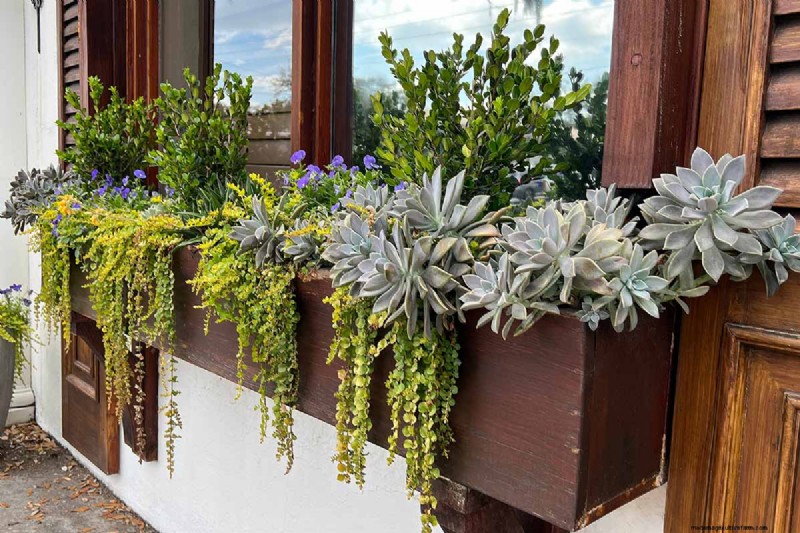
Water as needed and fertilize in early spring and early summer with a balanced slow‑release formula. Liquid or water‑based fertilizers can be applied monthly.
While cultivars are limited, “golden” varieties with yellow‑toned foliage tend to be less invasive. Species plants offer a spectrum of green tones, chartreuse, or gold and grow up to six inches tall with a spread of 12–24 inches.
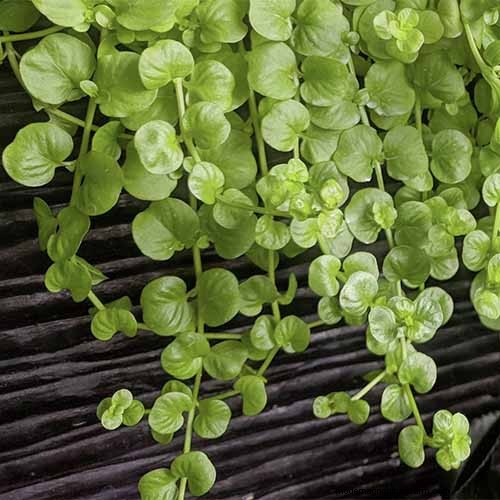
Creeping Jenny – Available through Walmart.
Vibrantly colored in kiwi green to chartreuse, ‘Aurea’ reaches 3–6 inches tall with a 12–24 inch spread. Flowering from late spring to midsummer, it’s ideal for ground cover, container, or rain garden applications.
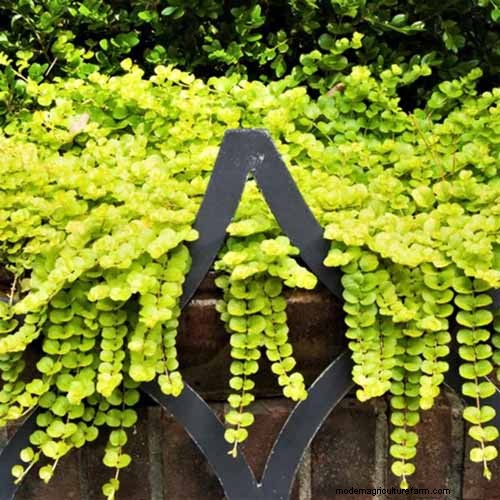
‘Aurea’ – Available at Nature Hills.
A compact, luminous variety with gold to acid green foliage. ‘Goldilocks’ is perfect for pond fringes, shade gardens, hanging baskets, or window boxes, spreading up to 12 inches and reaching 4 inches tall.
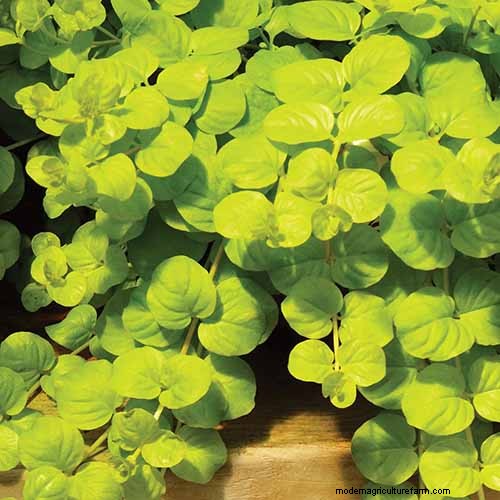
‘Goldilocks’ – Four‑packs available at Burpee.
To keep Creeping Jenny from encroaching unwanted areas, perform root pruning in early summer and again in fall. Trim stems and roots using sharp, clean shears.
Deadhead after flowering by clipping the top inch or two. In fall, cut back stems to control spread, reshape, and remove any dead or damaged growth.
Every 3–4 years, divide dense clusters to promote vigorous new growth and prevent overcrowding.
Propagation is straightforward through division, stem cuttings, or seed. Seed propagation should be avoided for cultivars due to potential genetic variation and invasive tendencies.
Use a clean trowel or spade to dig up a section of an established patch. Cut through foliage and stems, then lift a section with the root ball intact. Divide large sections into smaller pieces, ensuring each has healthy roots and stems, then transplant to prepared sites.
Take two‑inch non‑flowering cuttings below leaf nodes. For propogation in water, place cuttings in filtered water on a bright, indirect light source, changing water daily. Roots typically appear within two weeks. Once rooted, pot in moist soil.
For soil propagation, dip the cut end in rooting hormone, insert up to the first leaves into moist potting soil, cover with a clear cloche to retain moisture, and remove once new growth appears. Plant out in spring or summer.
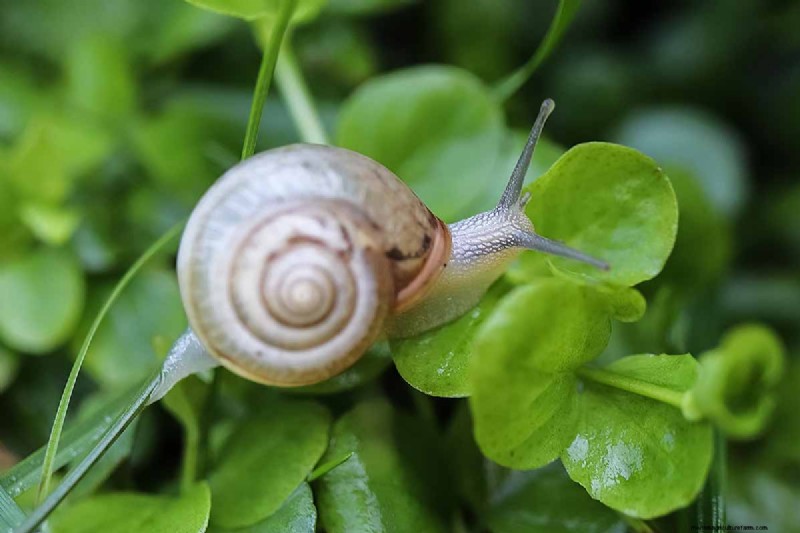
Creeping Jenny is generally pest‑free. In wet environments, watch for slugs and snails; remove by hand at dusk. Fungal issues such as leaf spot and rust can occur; prune affected foliage and apply liquid copper fungicide.
Bonide Liquid Copper Fungicide treats a range of foliar fungal problems. Available at Arbico Organics.
With its low maintenance and rapid growth, Creeping Jenny is ideal for ground cover, erosion control, or container display—provided its spread is managed. Adjust watering, select suitable cultivars, and apply regular pruning to keep the plant in check.
What’s your plan for Moneywort? A controlled ground cover, a wild spreader, or a container spill? Share your ideas in the comments below!
For more ground cover inspiration, explore our guides on Lamb’s Ear, Creeping Avens, and the 15 Best Flowering Ground Covers.


