
Welcome to Modern Agriculture!

I have never met a violet I didn’t fall in love with.
They aren’t the showiest flowers, grabbing your attention like roses, and they won’t show off like bougainvillea. Violets bloom modestly in the background, quietly adding charm.
True beauty emerges when you pause to observe their subtle color variations and delicate patterns.
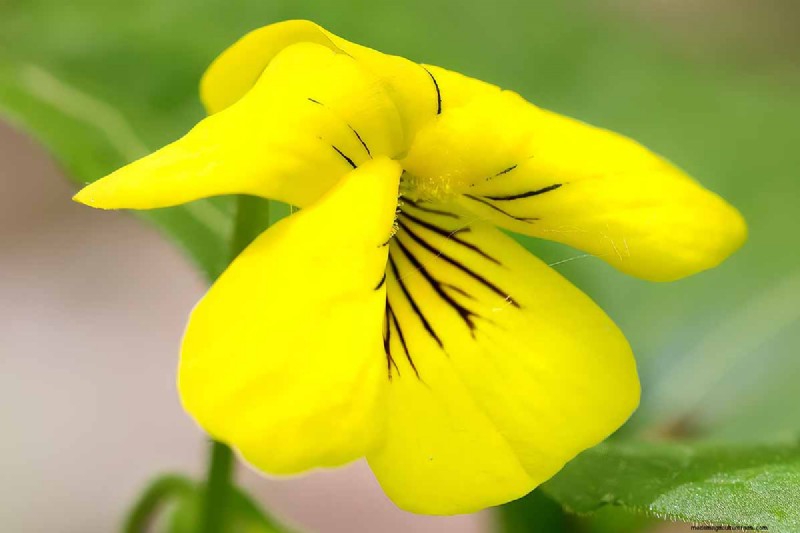
Wild violets, in particular, reveal this understated elegance.
We link to vendors to help you find relevant products. If you buy from one of our links, we may earn a commission.
Wild species often produce smaller, more muted flowers than their cultivated counterparts, but that subtlety does not diminish their value.
Choosing species native to your region ensures they thrive and support local pollinators.
Our pansy guide covers cultivated hybrids, while this article focuses on the wild species that give rise to modern pansies and violets.
Ready to bring the magic to your garden? Let’s explore the essentials.
‘Wild violets’ refers to species that have not been selectively bred for ornamental gardens. They grow across the Northern Hemisphere, primarily in temperate zones.
Some species, such as common blue (V. papilionacea or V. sororia) and downy (V. pubescens), are common in lawns. Others are less frequent but equally beautiful.
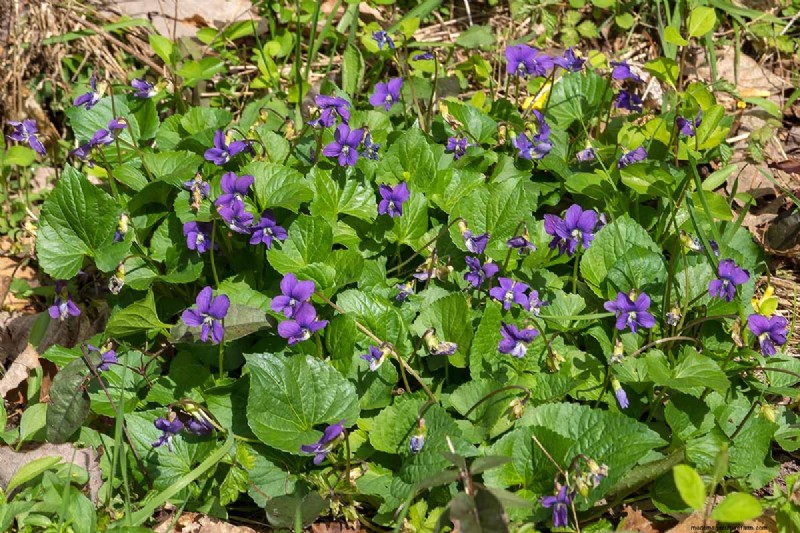
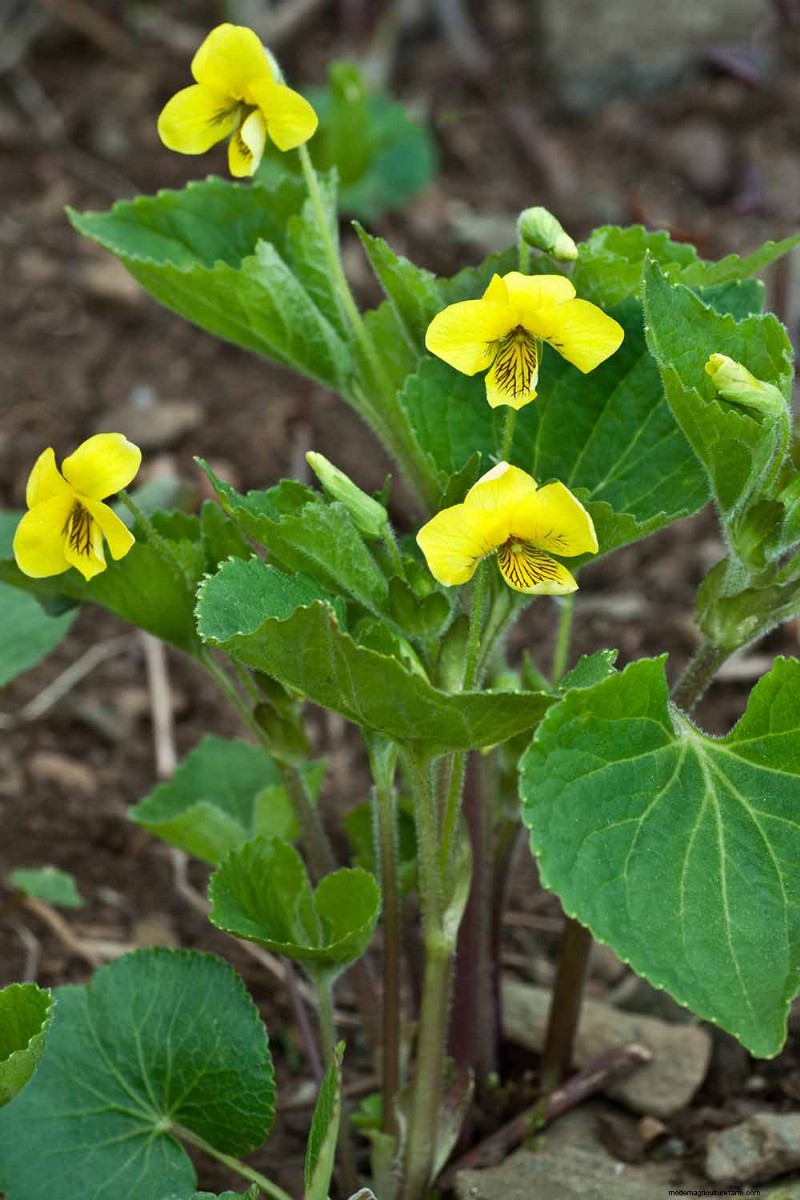
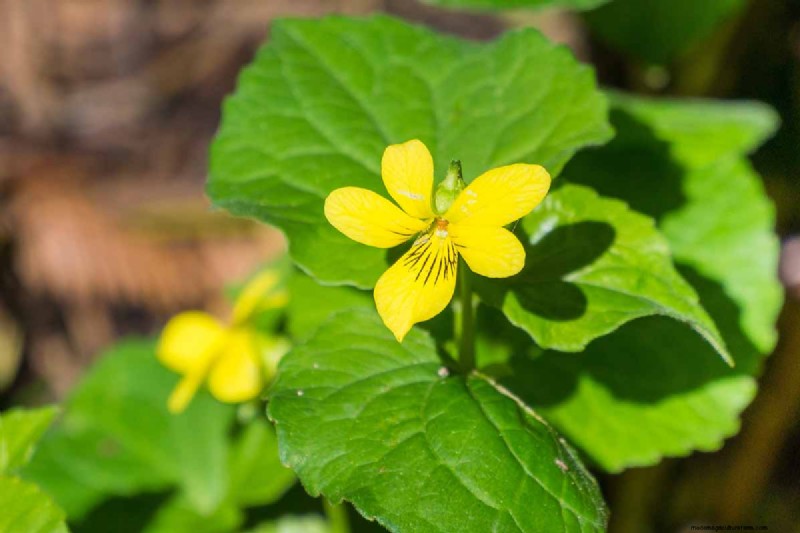
Regional variations exist; for example, the Pacific Northwest hosts over half a dozen native species, including stream (V. glabella), evergreen (V. sempervirens), Olympic (V. flettii), and early blue (V. adunca). Additional species such as V. utahensis, V. canadensis, V. novae-angliae, V. brittoniana, and V. rotundifolia thrive in their respective regions.
European and North American gardens often feature sweet violets (V. odorata), and many wild violets naturally hybridize, adding to their diversity.
Common name(s): Wild violet
Plant type: Herbaceous, flowering, evergreen or perennial, biennial, or annual forb
Hardiness (USDA Zone): 3‑10
Native to: Northern Hemisphere
Bloom time / season: Spring and summer (some year‑round)
Exposure: Full shade to full sun
Soil type: Loose, organically rich, well‑draining
Soil pH: 6.0‑8.0
Time to maturity: 6 months
Mature size: 3 inches tall by 6 inches wide
Best uses: Rock gardens, cottage gardens, shade gardens, moist areas, pots
Order: Malpighiales
Family: Violaceae
Genus: Viola
Species: Adunca, canadensis, flettii, glabella, rotundifolia, sempervirens, odorata, papilionacea, pubescens, utahensis
You can safely consume violet flowers and leaves, though flavors vary. Always ensure they have not been treated with chemicals.
Species differ in difficulty. Downy violet is notoriously hardy; many gardeners struggle to eradicate it. In contrast, stream violet responds well to careful care.
Rhizomatous species like common blue spread easily, making them ideal for beginners. Native species typically adapt well to local conditions.
Wild violets prefer cool temperatures and often thrive under trees or near water. Seek cooler micro‑climates such as north‑facing walls or shaded edges.
Most varieties favor dappled sunlight. Some tolerate heavy shade; others thrive in full sun. In hot summers, lean toward more shade than less.
Violets accept a wide range of soils, from clay to sand, provided drainage is adequate. Impervious or poorly draining soils must be avoided or planted in containers.
Containers allow for creative groupings along edges or bare spots.
Maintain moist, but not soggy, soil. Wild violets tolerate some dryness, especially those from stream or pond environments. Monitor moisture with a finger‑test; water when the first knuckle feels dry.
Violets are not heavy feeders. Apply well‑rotted compost in spring or late summer to create a mulch layer that conserves moisture and keeps the root zone cooler.
For self‑sustaining growth, choose common blue (V. papilionacea or V. sororia). Its rhizomes spread readily and it tolerates a broad light range.
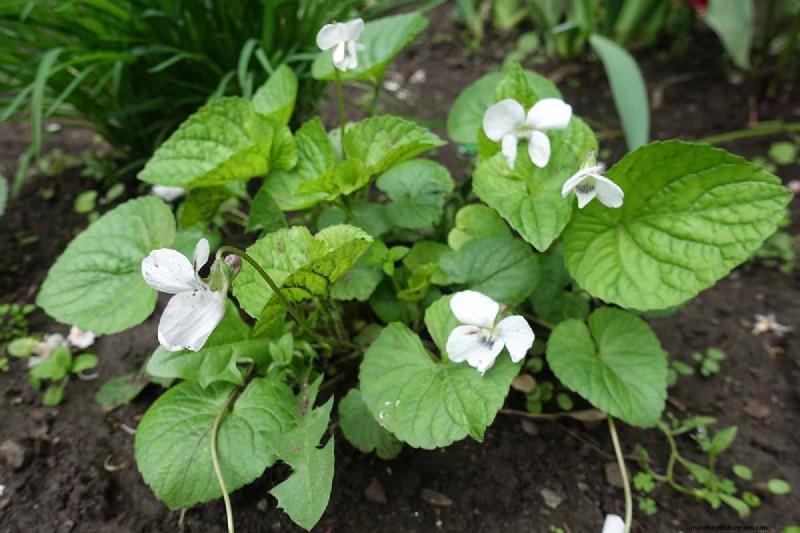
Alternatively, pick a species native to your area to support local pollinators and guarantee better climatic adaptation.
Wild violets naturally reseed and spread, but starting from seed or division can accelerate establishment.
Seeds germinate easily. Consult local nurseries for native varieties. Start seeds indoors two months before transplanting or sow directly outdoors when the risk of deep freeze is minimal.
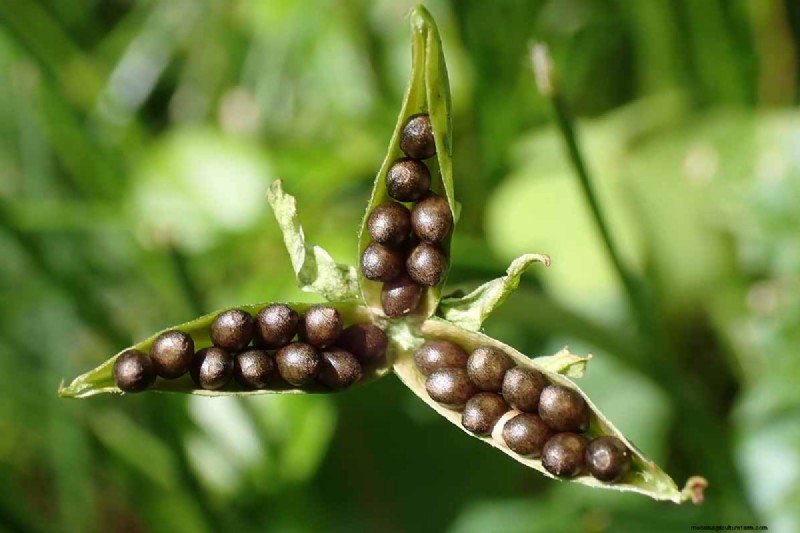
Indoor procedure:
Outdoor sowing: loosen compacted soil, scatter seeds, cover lightly, and keep evenly moist until germination.
In spring, before flowering, excavate a clump with a generous root margin. Separate healthy sections, plant each in a hole sized to the root ball, and firm soil around the roots.
In early spring, take 1‑2 inch cuttings from young shoots (avoid flower stems). Place half‑submerged in moist medium, keep in bright indirect light, and maintain moisture. Once new growth appears, transplant.
Plant seedlings or divisions anytime outside a deep freeze. Dig a hole matching the root ball, place the plant, firm soil, water thoroughly, and amend with soil if needed.
Deer and rabbits often feed on violets. Insect pests are usually minor, though aphids and slugs can cause damage. Slugs may eat entire plants; they tend to prefer cultivated over wild varieties.
Learn more about dealing with slugs and snails here.
Powdery mildew—caused by Podosphaera fuliginea, P. macularis, or P. violae—is the most common issue. It thrives in cool, moist, shaded conditions and typically appears on crowded plants.
Symptoms usually do not kill the plant and are species‑specific, so the disease does not transfer to unrelated flowers like roses.
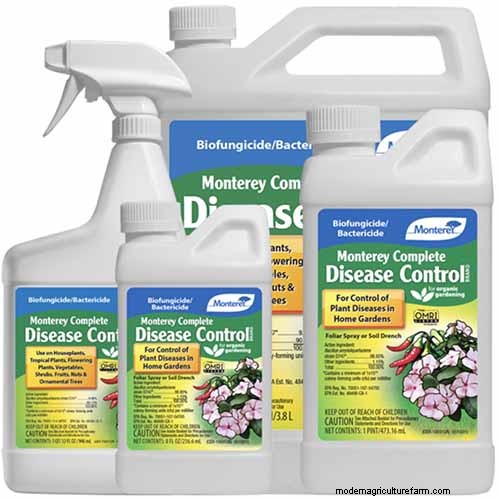
Prevent by spacing plants and watering at the soil level. If mandatory, treat with a 1:10 milk‑to‑water spray or a biofungicide containing Bacillus amyloliquefaciens strain D747. Monterey Complete Disease Control (Arbico Organics) is an example product.
Wild violets offer low‑maintenance, long‑blooming beauty that spreads gracefully without becoming invasive.
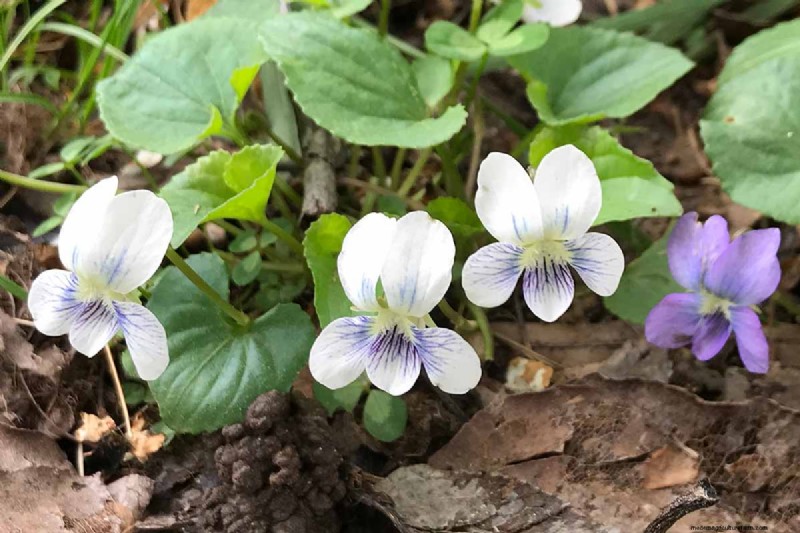
Which species grow in your area? Share your experiences and tips in the comments!
Explore related guides:


