
Welcome to Modern Agriculture!

Herbs are the crown jewels of any kitchen garden, delivering bold flavors, fragrant aromas, and potential health benefits that elevate both everyday dishes and specialty teas.
They also serve as powerful companions for vegetables, enhancing growth, deterring pests, and improving overall garden resilience.
We link to vendors to help you find relevant products. If you buy from one of our links, we may earn a commission.
When you start thinking about companion planting inside your herb garden, a host of questions arise: Is it worth figuring out which plants to pair? Which herbs thrive together, and which clash?
Below we answer those questions and give you practical guidance.
Companion planting is the deliberate practice of positioning certain plants together to create mutual benefits—such as pest suppression, enhanced flavor, or improved growth conditions.
While the concept is well‑known in vegetable gardening, herbs bring additional advantages. Their aromatic oils can repel pests, attract beneficial insects, and even influence the flavor profile of nearby plants.
However, strong scents can sometimes backfire, masking flavors or stunting growth if incompatible species are mixed. The key is to pair herbs that complement each other.
For instance, tarragon can enhance the aroma of basil, while basil’s oils deter aphids. A 2017 study in the Journal of Applied Ecology found that basil reduced aphid populations by 30% in tomato plots.
Successful companion pairs share similar soil moisture, pH, temperature, and light requirements. Grouping herbs by family or native habitat often works well.
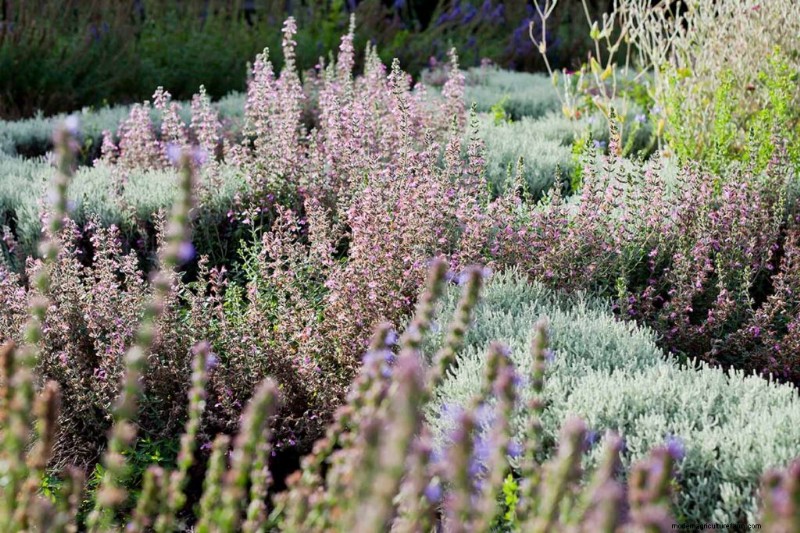
Herbs from the Lamiaceae family—basil, oregano, thyme, sage, and lavender—tolerate heat and drought. Those from Apiaceae, like dill, cilantro, and parsley, prefer moist, looser soils.
Mediterranean herbs (rosemary, sage, thyme, oregano, marjoram, lavender) and “damp” herbs (basil, cilantro, tarragon, parsley) naturally grow together because of overlapping needs.
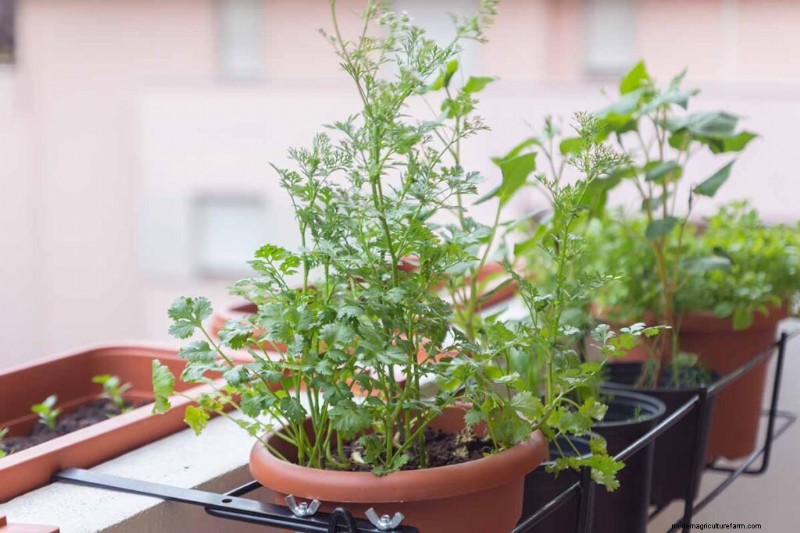
Understanding these ecological preferences helps translate native compatibility to your local climate.
While many herbs are amicable, some are downright hostile. Before you plant, identify the “enemies” and “allies.”
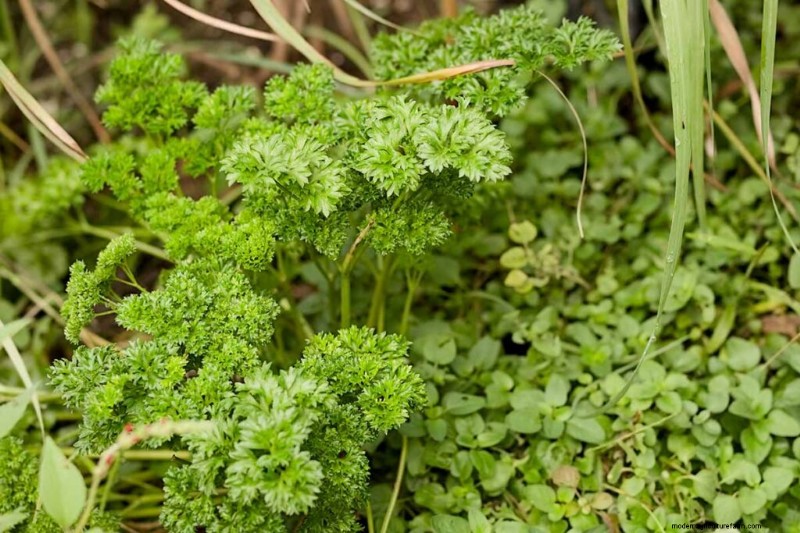
Examples of incompatibilities:
On the flip side, some pairings boost each other’s performance:
Many charts exist, but here’s a concise list to guide you:
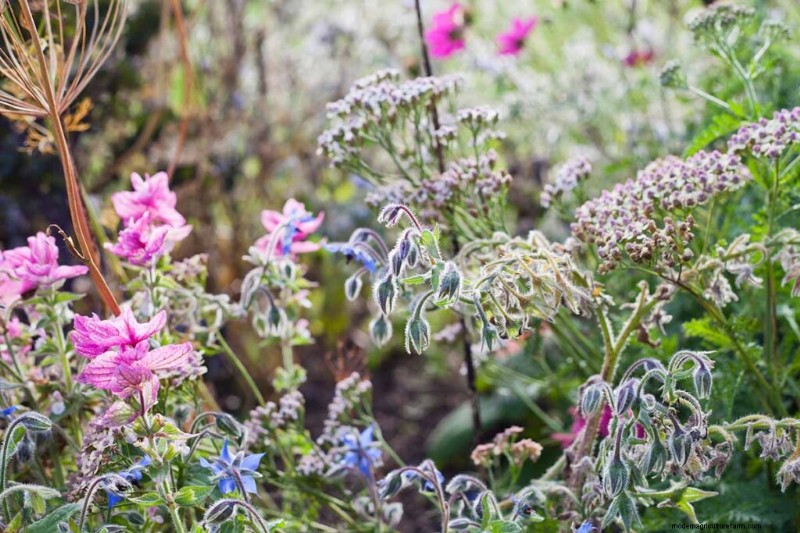
Feel free to experiment—your local climate and soil may reveal unique pairings that outperform generic recommendations.
Thoughtful companion planting can elevate both taste and yield. Herbs can reduce pest pressure and influence flavor profiles in nearby plants.
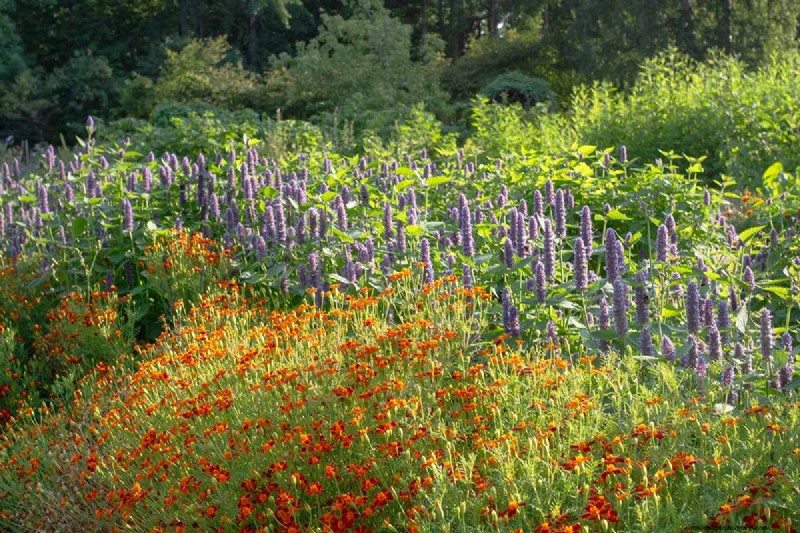
If you notice one species underperforming near another, consider re‑arranging. Share your experiences in the comments!
For deeper insights, explore these guides:

Sylvia Dekker is a nature‑inspired creative with a bachelor’s degree in agriculture, a history of Canadian province‑hopping, and a life filled with brown thumbs, bee stings, and tan lines. When Sylvia travels—whether on mountain or steppe—she harvests knowledge, experiences, and honey, marvels at each tiny plant, and writes about it all.


