
Welcome to Modern Agriculture!

Passionflowers showcase an astonishing array of hues, sizes, and forms. With nearly 600 species in the Passiflora genus and over 700 cultivars—most of which are hybrids—these vines (and a few tree‑like species) can add drama to any landscape.
While many cultivated fruits are technically edible, most taste bitter and are not meant for casual consumption. Unripe fruit and foliage contain toxic cyanic glycosides, so they should never be eaten.
We link to trusted vendors to help you find the right plants. If you purchase through one of our links, we may earn a commission.
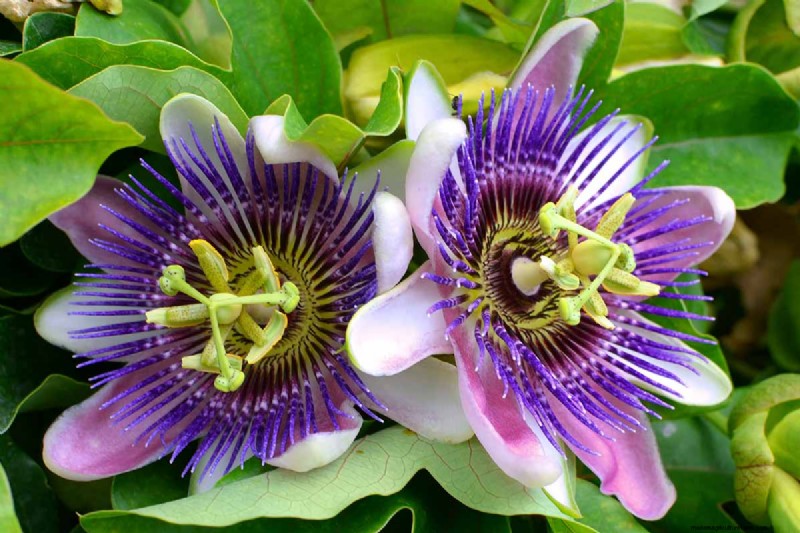
In the United States, the purple passionflower is the most familiar variety, boasting striking purple petals, a vibrant corona, and bright yellow anthers. Across Europe, growers favor the blue‑crown passionflower, while the fuchsia‑red red banana passionfruit and the drooping Jamaican honeysuckle are lesser‑known gems.
Our guide covers the most popular and worthwhile species and hybrids for ornamental use, and it highlights those that can survive winter temperatures as low as 0 °F.
Whether you need a cold‑hardy vine or a showpiece for your garden, read on to discover the best passionflowers for your region.
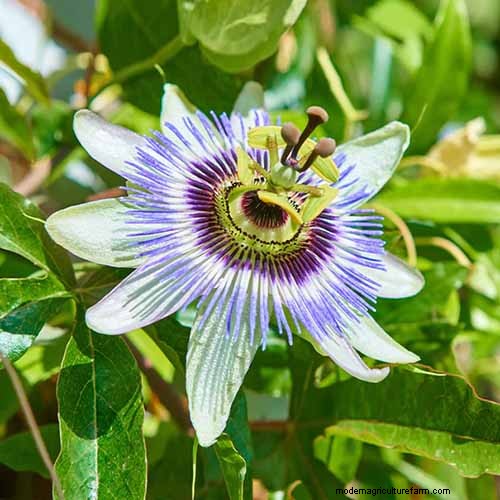
Native to South America and Paraguay’s national flower, P. caerulea produces cream‑colored petals with blue, white, and burgundy filaments. It has been extensively hybridized to create popular cultivars such as ‘Constance Eliott,’ ‘Pretty Tina,’ ‘Snow Queen,’ ‘Susanne,’ and ‘Diva.’
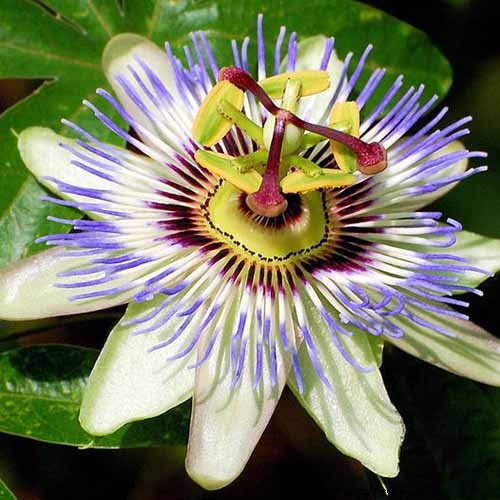
You can order packets of P. caerulea seeds from Eden Brothers.
This hybrid blooms in abundant purple‑almost‑blue flowers, accented by white and magenta rings at the center. Its 30‑foot vines are often coated in 3‑inch blossoms each summer.
One parent is P. caerulea, so the flower’s size and color are similar. The fruit, however, is not edible.
Originating in Brazil, this species offers deep purple blooms with a subtle red tinge. The corolla is longer than the petals, featuring wavy edges.
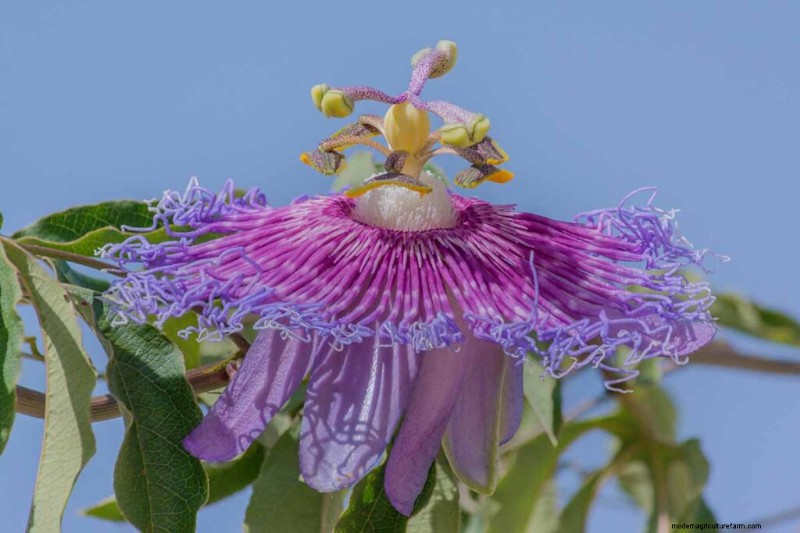
Although rare in cultivation, it has produced notable hybrids like ‘Frizzle King,’ ‘Incense,’ ‘Liliana,’ and ‘Catherine Howard.’
First described by botanist John M. MacDougal in 1991, P. citrina is a small, evergreen vine that produces bright yellow flowers and can bloom for up to ten months a year when grown indoors.
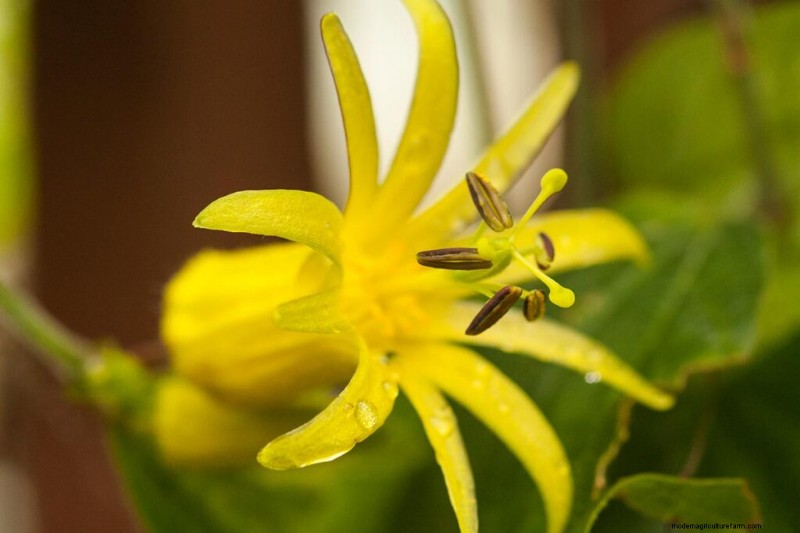
Hybrid cultivars include ‘Becky Speed,’ ‘Golden Jubilee,’ and ‘Polly Molly.’
Created by breeder Myles Irvine, this sterile hybrid is known for its five‑inch‑wide flowers featuring white petals and wavy purple filaments that fade to dark purple at the center.
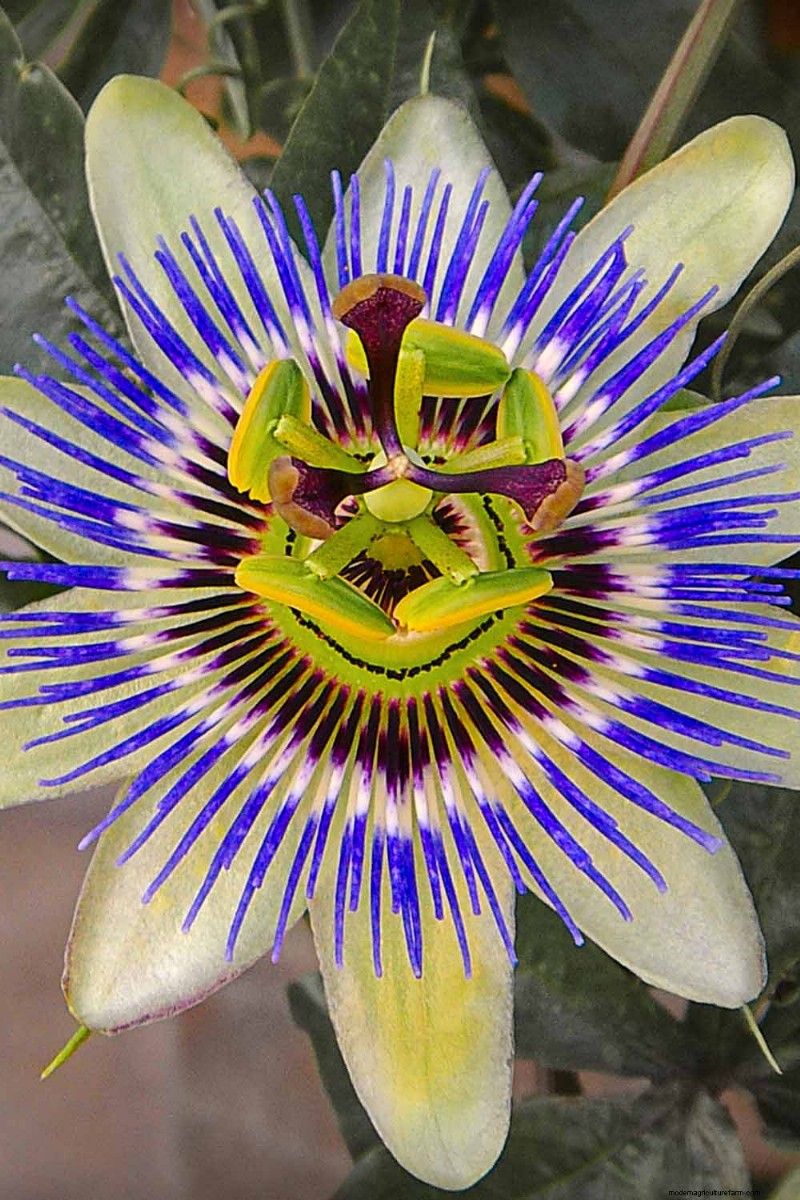
It offers spectacular beauty but does not set fruit.
Developed by Patrick Worley from a cross of P. phoenicea ‘Ruby Glow’ and P. incarnata, ‘Elizabeth’ displays flat purple petals with violet and magenta coronas that curl elegantly. The plant bears prolific four‑inch blooms all summer and produces large, sweet fruits.
Although uncommon in nurseries, hybrids of this Colombian species are stunning. The flowers feature large fuchsia petals with faint white stripes; the petals reflex, revealing a salmon‑colored corona.
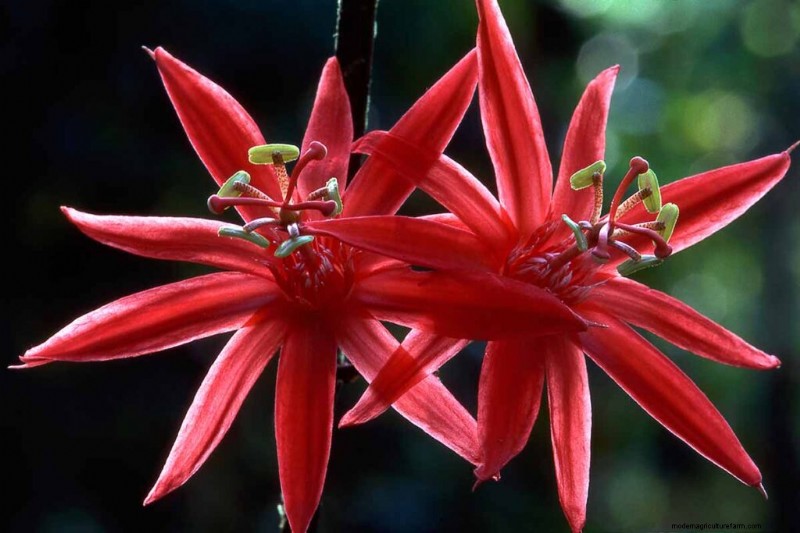
Notable hybrids include ‘Anastasia’ and ‘Grand Duchess.’
A cross of P. incarnata and P. cincinnata, ‘Incense’ is a hard‑to‑grow gem that tolerates temperatures down to 0 °F. Its dark green leaves, deep purple blooms, and sweet fruit make it a standout. The Royal Horticultural Society awarded it Merit in 1976.
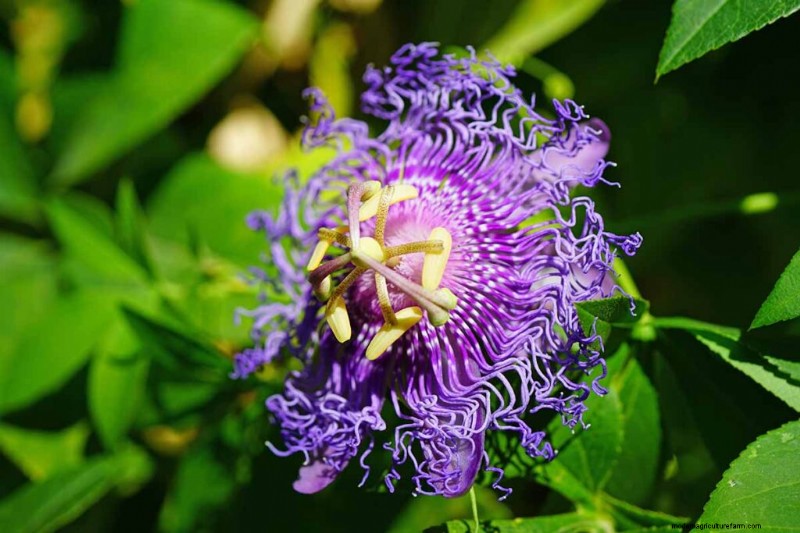
When damaged by cold, it regrows from the roots if temperatures stay above 0 °F. For fruit production, pair it with a purple passionflower for cross‑pollination.
Hybrid of P. coccinea and P. incarnata, ‘Lady Margaret’ features long raspberry‑red petals, a bright white corona center, and wavy purple filaments speckled with magenta.
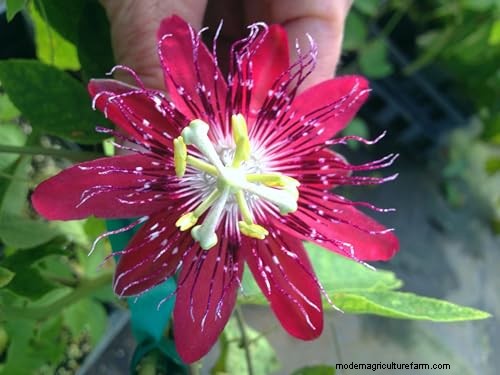
Purchase a four‑inch pot plant from Emerald Goddess Garden Store via Amazon.
The purple granadilla offers a magnificent flower with frilly, curled purple and white filaments over snowy petals, and its large berries make it a top choice for edible fruit.
Growers can find plants in one‑ or three‑gallon containers from Fast Growing Trees.
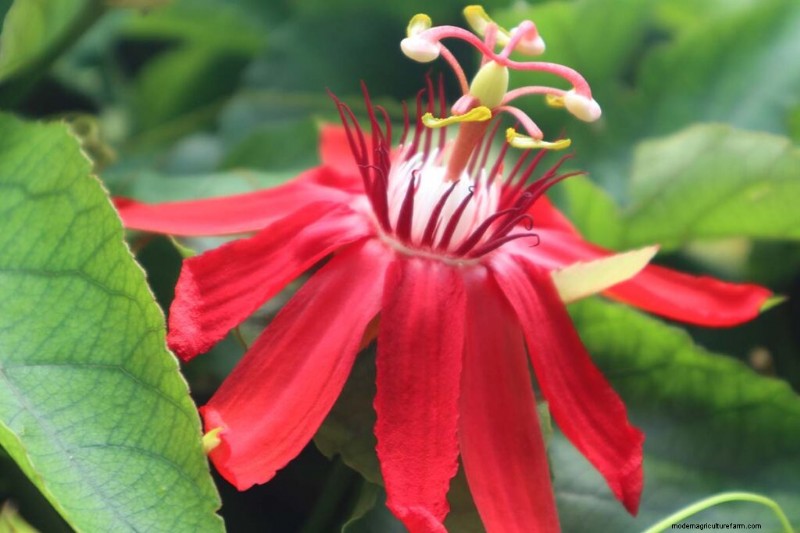
Known for its fragrant fruit, this species produces a berry that starts tart and becomes sweet over several weeks. The flower is bright red with long lanceolate petals and upright red‑white filaments that stay closed.
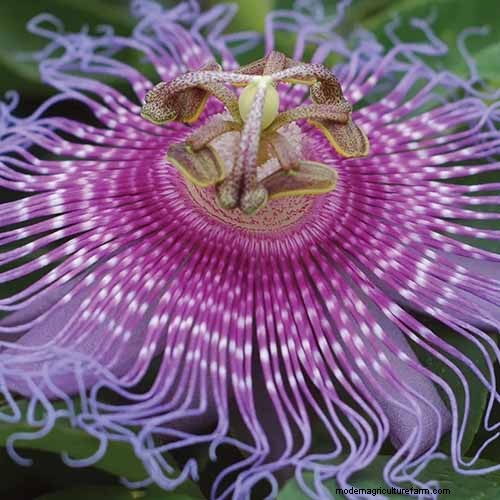
Native to North America, this plant has pale purple petals and filaments with a white ring. The filaments are uniquely crimped, giving it an exotic look. The ‘Alba’ cultivar offers a pure‑white bloom.
Often sold under the common name “maypops,” these plants are available from Burpee.
Also called vanilla passionfruit, this species boasts some of the largest flowers in the genus—up to six inches across—with bright fuchsia‑red petals and tiny purple corollas. The fruit is long, green, and resembles a banana.
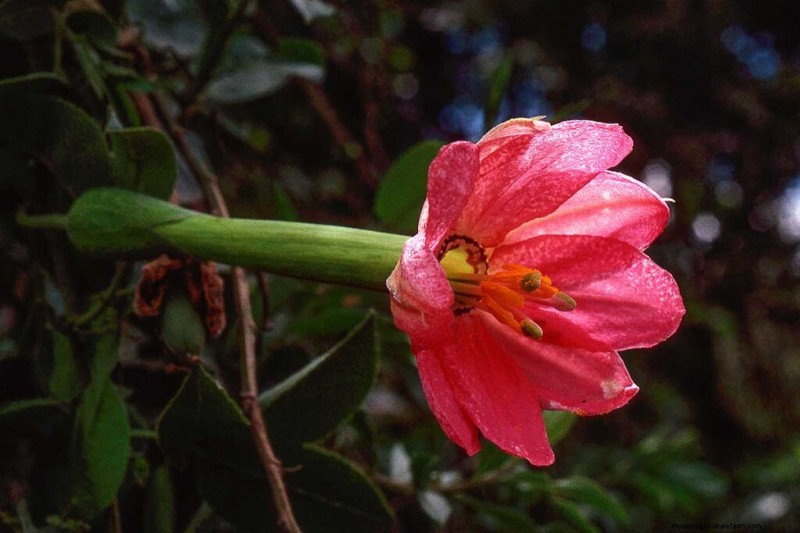
Brazilian in origin, this flower’s petals dominate the display, featuring long, salmon‑red petals framing thick, short cream‑colored filaments and a prominent green anther.
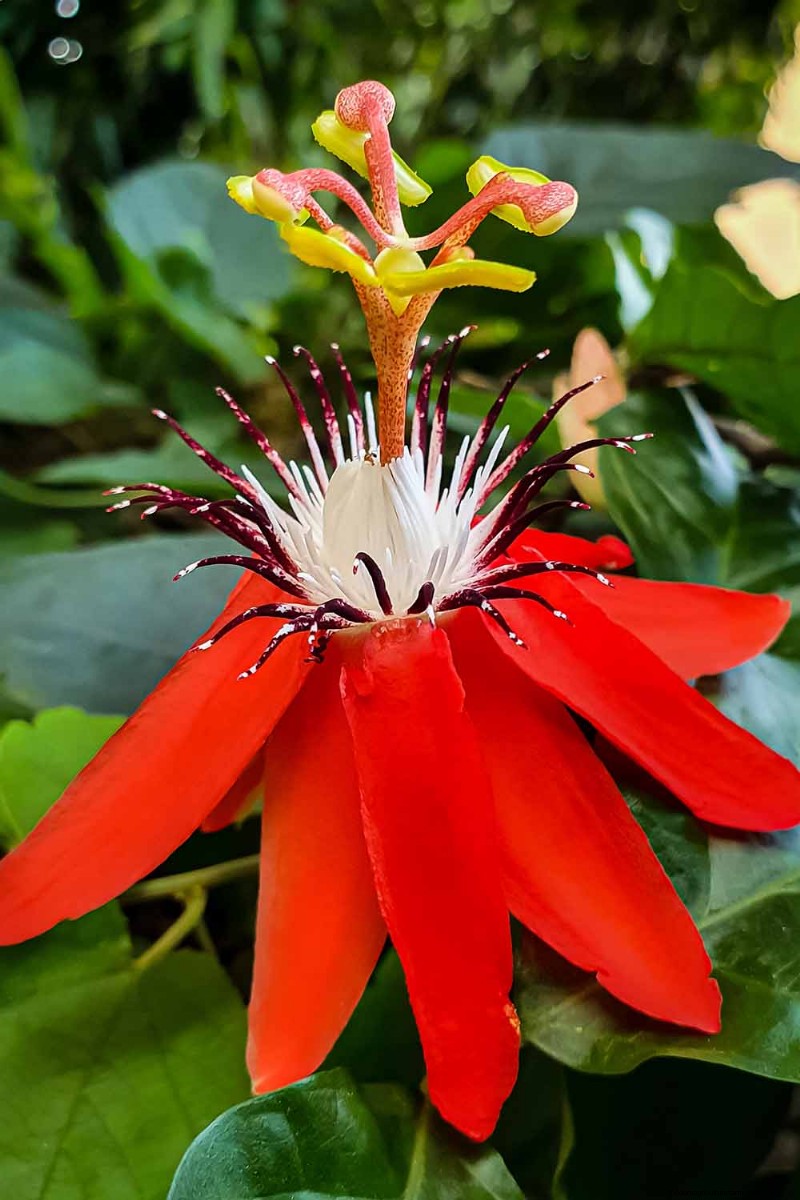
Do not confuse it with P. manicata, which shares the common name and has a similar appearance.
Scarlet passionflower displays velvety, vivid red petals and white or blood‑red filaments, with blooms up to four inches across. It tolerates partial shade without sacrificing vibrancy.
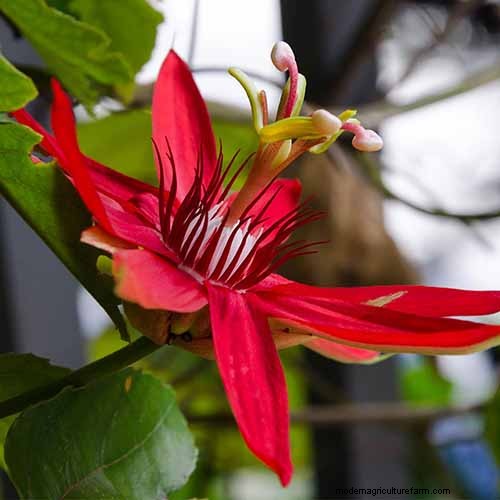
Buy P. coccinea plants in three‑gallon pots from Fast Growing Trees. Popular hybrids include ‘Cordelia,’ ‘Hot Shot,’ ‘Sherry,’ and ‘Wil.’
Despite its name, the plant only emits a noticeable odor when its flowers are disturbed. It can become invasive in tropical areas, so container planting is recommended for control.
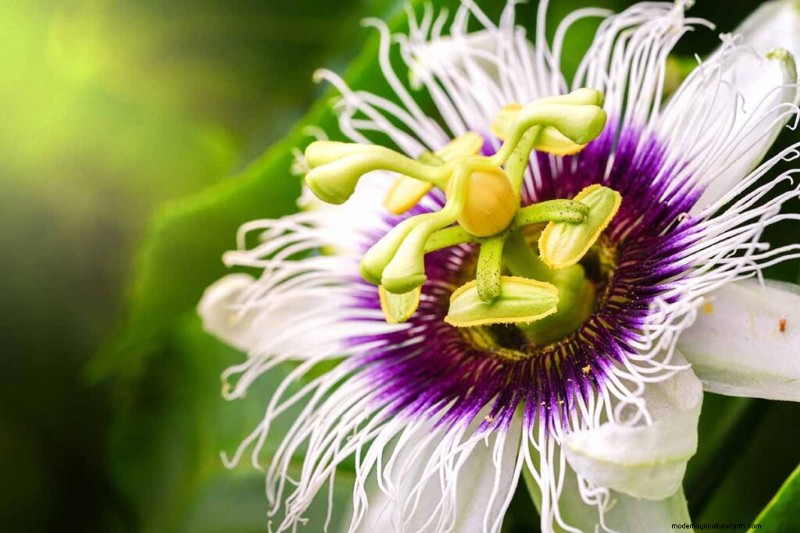
The flowers feature rounded white petals and filaments with a maroon center. The ‘Alba’ and ‘Aurora’ cultivars are particularly striking.
This variety stands out with bright red petals and purple‑white filaments that remain partially closed around the anthers. It’s highly fragrant and produces some of the best‑tasting fruits in the genus.
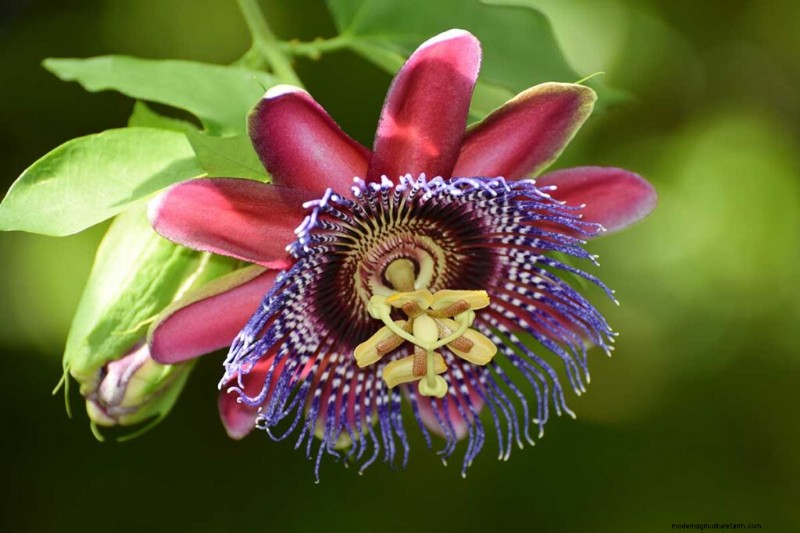
Hybrids such as ‘Frederic,’ ‘Nicole,’ ‘Starlight,’ and ‘Superba’ are prized by collectors.
From cold‑hardy species to showy hybrids, this list covers every need. Whether you’re after striking blooms, edible fruit, or a resilient vine, you’ll find a passionflower that fits your garden’s climate and aesthetic.
Let us know which variety you’re excited to grow in the comments below!
Want to deepen your knowledge? Check out our related guides:


