Welcome to Modern Agriculture!

This post may contain affiliate links. If you make a purchase through links on our site, we may earn a commission.
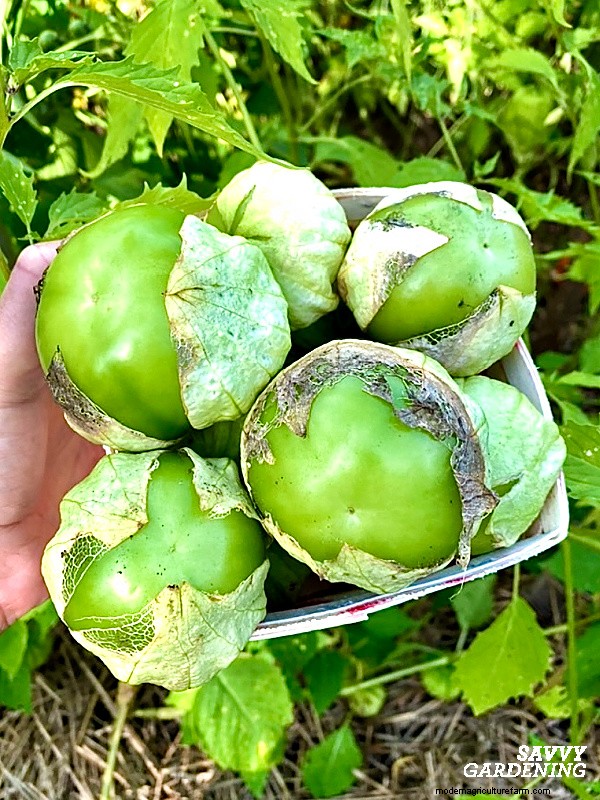
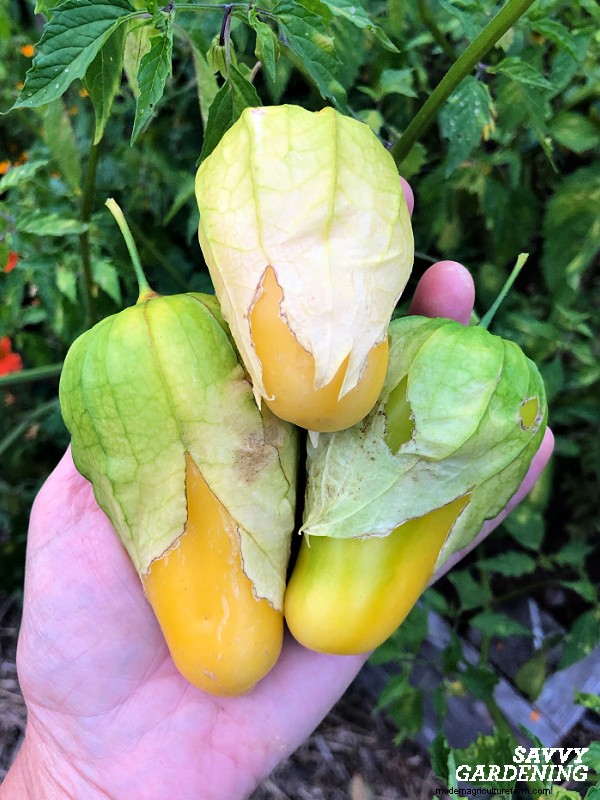
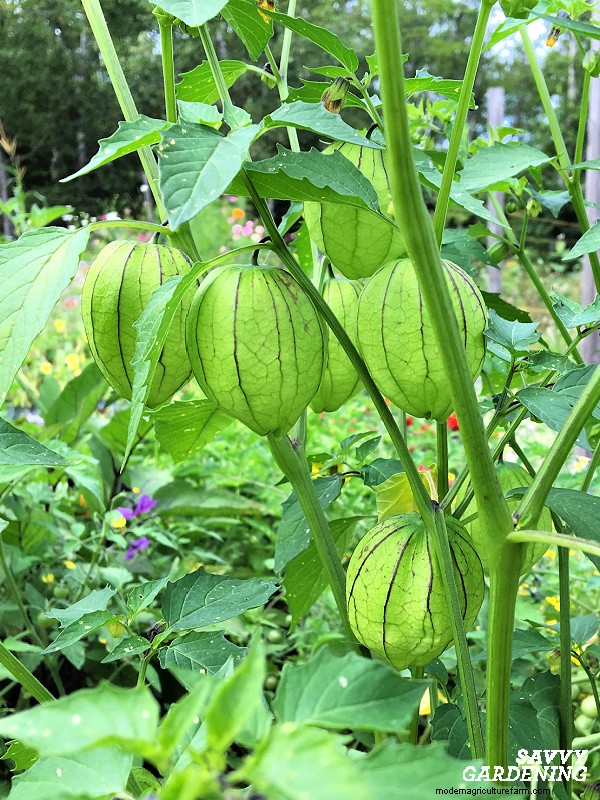
Are your tomatillos producing only empty husks? While this tasty, pepper‑related fruit is easy to grow, a lack of harvest can be frustrating. Below are the five most common reasons a tomatillo plant might fail to fruit, plus practical solutions you can try right away.
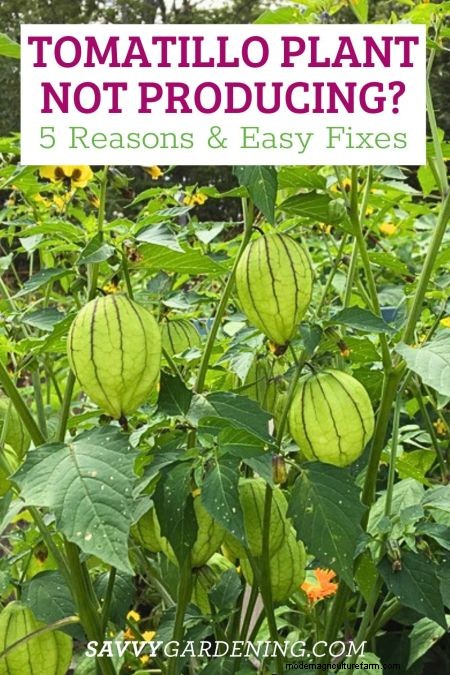
Tomatillos are small, green or brightly colored fruits that grow on 3‑to‑4‑foot tall vines. Like tomatoes and peppers, they thrive in warm climates and pair beautifully with salsa verde, soups, salads, and more. I favor early‑maturing varieties such as Toma Verde, De Milpa, and Queen of Malinaclo for my short growing season.
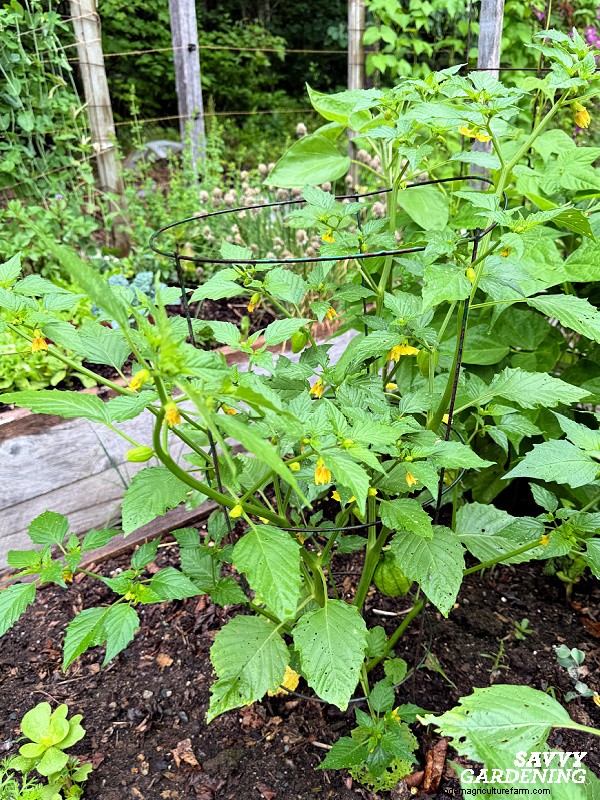
Understanding why a tomatillo plant isn’t producing can help you adjust care and achieve a bountiful crop. Below, we break down the most common pitfalls and how to fix them.
Unlike tomatoes and peppers, tomatillo flowers are self‑incompatible. They require cross‑pollination between two separate plants—either the same or different varieties. I plant my tomatillos in blocks of 4–6 to encourage natural pollination and reduce the risk of missed fruit set.
In containers, cluster pots or use large planters that accommodate at least two plants. Plastic or fabric planters work well for this purpose.
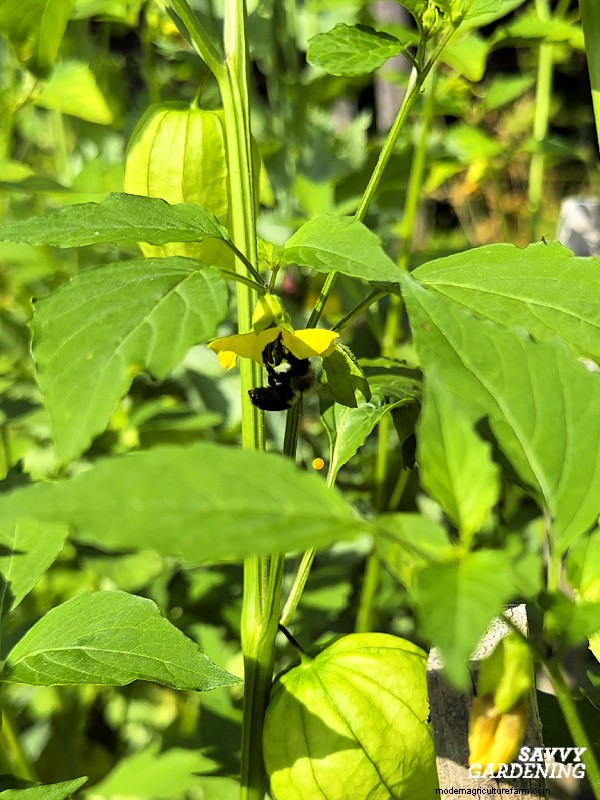
Bees and other insects transfer pollen from flower to flower. If your tomatillos are in bloom but remain fruitless, you may be lacking pollinators. I attract honeybees and bumblebees by planting bee‑friendly flowers—nasturtiums, zinnias, cosmos, and calendula—around the garden in spring.
When pollinators are scarce, hand‑pollinate with a clean, dry paintbrush. Gently dab the brush into a flower on one plant and transfer the pollen to flowers on a second plant, repeating weekly.
Tomatillos are sensitive to extreme heat. When daytime temperatures exceed 90°F (32°C), pollen quality drops and flowers may even drop. The optimal range is 75–90°F (24–32°C).
During heat waves, drape a 30–40% shade cloth or row cover over the vines to lower the micro‑temperature and protect pollination. This simple measure can keep fruit set on track.
Tomatillos thrive in well‑drained, fertile soil. I grow them in raised beds, adding an inch or two of compost or aged manure during planting. However, using fresh manure or fresh‑flooded‑planting‑material (FPM) can lead to “nitrogen‑rich” environments that favor leaf growth over fruit.
High nitrogen levels reduce fruit set because they encourage lush, leafy growth (a phenomenon known as “bloom‑time” damage). To avoid this, use well‑composted manure and balanced fertilizers that include phosphorus and potassium, not just nitrogen.
Tomatillos require full sun—at least 8–10 hours of direct light per day—to thrive. In shade or partial shade, plants struggle to grow and produce fewer fruits.
Choose a site with ample sunlight, or grow in containers on a sunny deck, patio, or driveway if your garden lacks light.