
Welcome to Modern Agriculture!

Growing carrots only in spring may mean missing the sweetest harvest of the year. When the weather cools, fall‑grown carrots convert starches into sugars, producing roots that are crisp, tender, and noticeably sweeter. Timing is critical, but a straightforward technique using a wooden board can dramatically improve germination during late‑summer heat. This guide explains when to plant fall carrots, how the board trick works, and how to harvest and store your crop for winter meals.
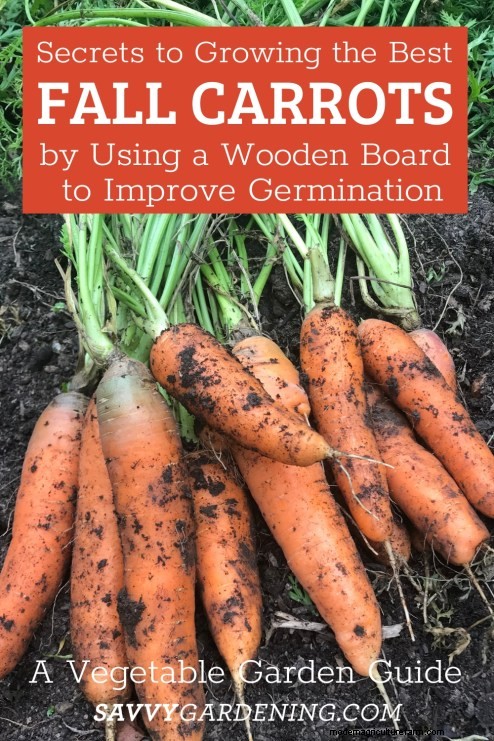
Fall carrots often outperform spring carrots in flavor, texture, and aroma—an effect known as "flavor‑change" or "cancelling". As nights cool, the roots convert sugars and starches, giving them a candy‑like crunch. Light cold enhances flavor, making fall roots ideal for roasting, soups, stews, fresh snacks, and long‑term storage. Additionally, many pests are less active later in the season, giving seedlings a better chance to thrive.
Planting for the fall also extends garden productivity. After early crops such as peas, lettuce, onions, garlic, or summer beans mature, carrots can fill the vacant space, creating a second‑season crop. By knowing the optimal planting window for your region, you can use succession planting to keep the garden productive from late summer into the cold months.
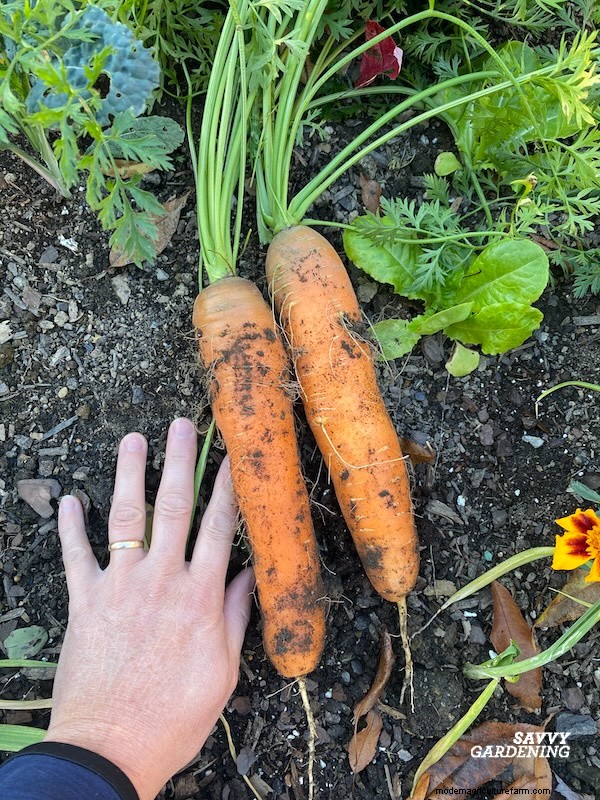
Carrots sown in summer for a fall harvest are often sweeter than those planted in spring.
The most reliable way to determine the planting date is to start with your average first‑frost date and count backwards. Most carrot varieties require about 60–80 days to reach maturity, depending on the variety. Because days become shorter and cooler as fall approaches, add an extra two weeks as a safety buffer. For example, if your first frost typically arrives in mid‑October and you’re growing a variety that needs 70 days, sow around late July or early August.
In temperate climates, the prime window is late July through mid‑August. Warmer regions may extend this window into September or October, while cooler areas may need earlier sowing to give roots time to develop before growth stops. Remember, “fall carrots” refers to crops planted in mid‑summer and harvested in autumn, not to those planted in the actual fall.
The term “fall carrots” does not mean they are planted in the fall; they are sown in summer and harvested in autumn.
Carrot seeds germinate best in cool, evenly moist soil, yet fall crops are often sown when the garden is still hot. Soil temperature plays a crucial role: seeds are more reliable when the seedbed isn’t baking hot or drying out. In hot weather, water before sowing and keep the row shaded or covered until seedlings appear.
To decide when to plant, consider three factors: your first‑frost date, the days‑to‑maturity listed on the seed packet, and the current weather pattern. Quick‑maturing varieties offer more flexibility, while long‑storage types may need an earlier start. The optimal planting time is a local window based on your climate, not a fixed calendar date.
Fall carrot germination can be challenging because the tiny seeds dry out quickly in late‑summer heat. The trick is simple: after sowing and watering, cover the seeded row with a flat wooden board until the seeds germinate. This technique retains soil moisture, keeps the surface cooler, and prevents the seedbed from crusting. It eliminates the need to water seeds daily during the hottest part of the day and yields far better germination rates.
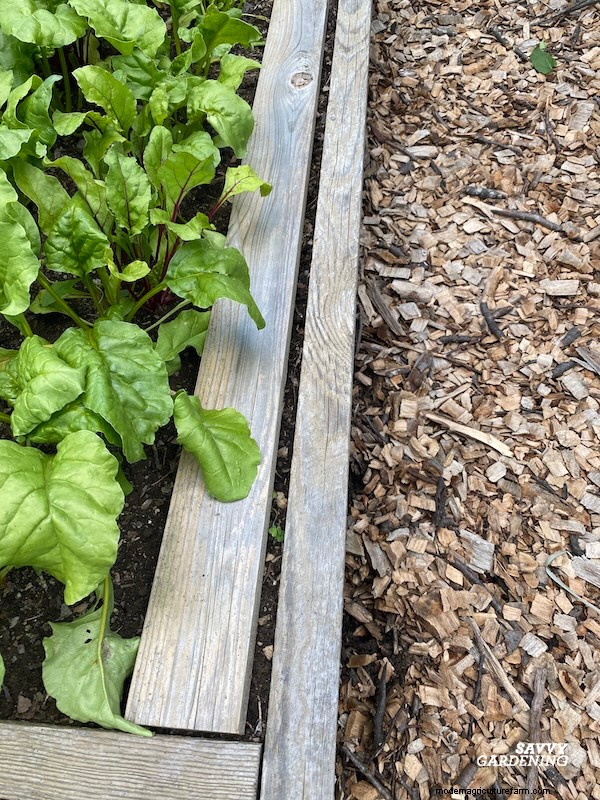
Here’s the board I use to cover newly planted carrot seeds. It’s cut to fit the length of my raised beds exactly. The board covers a row of seeds planted in mid‑June, adjacent to my beets.
Follow these steps: Prepare a loose, stone‑free bed. Draw a shallow furrow about a quarter inch deep (using the outer edge of your hand works well). Sow the seeds thinly, cover lightly with fine soil or compost, and water thoroughly. Lay a clean wooden board directly over the row so it sits flat on the soil. Check the board daily after about five days. As soon as the first pale green sprouts appear from about half of the seeds, remove the board so seedlings receive light.
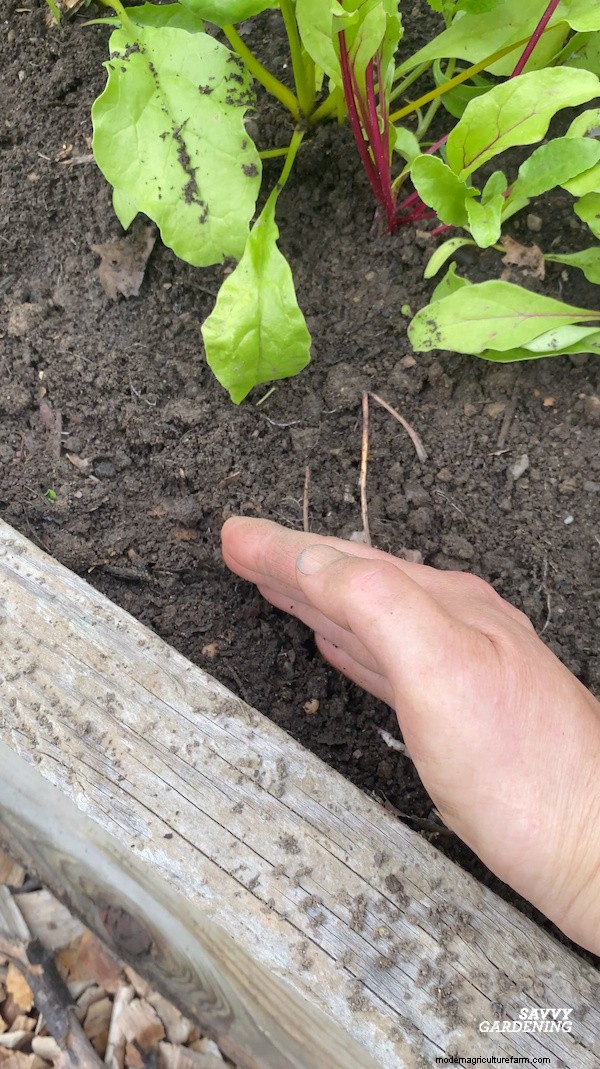
I use the outer edge of my hand to make a very shallow furrow for planting carrot seeds.
The board is not a permanent cover; it’s a short‑term germination aid. Once the carrots sprout, switch to gentle watering, optional light mulch, and regular observation. If you forget to remove the board, seedlings may stretch, weaken, or fail, so daily checking is essential.
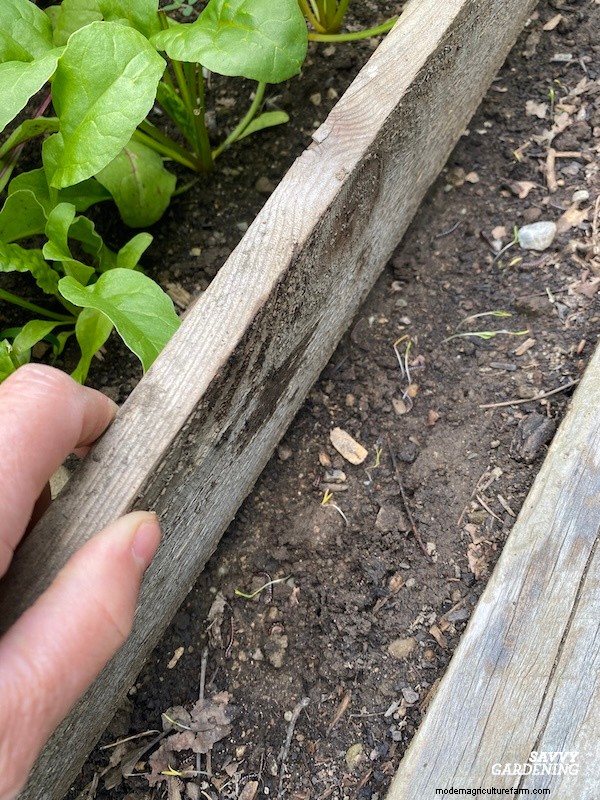
Here I am removing the board once about half of the seedlings have germinated. I do this in the evening so the mid‑day summer sun isn’t intense.
Choosing the right variety matters as much as knowing the planting window. Classic orange carrots are dependable, but each type performs best under specific garden conditions:
Match the variety to your garden’s soil depth, texture, and season length for optimal results.
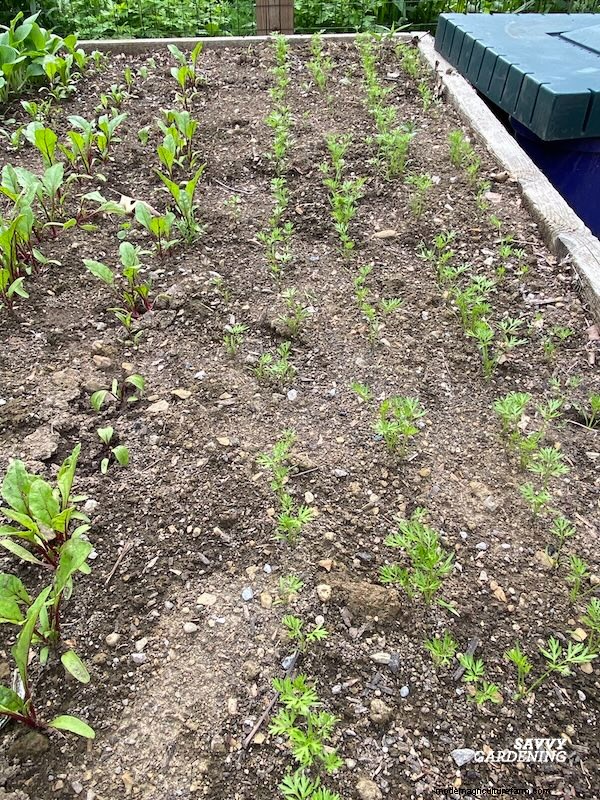
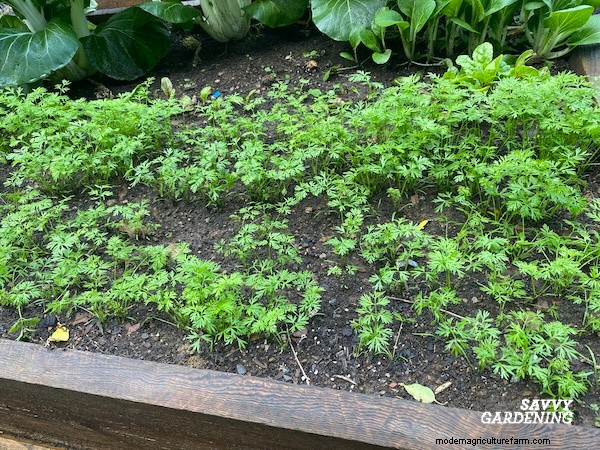
These seedlings were planted mid‑summer, each row covered with a board until germination, leading to excellent germination rates.
Before sowing, improve well‑drained soil with compost and organic matter, remove debris, and control weeds so they don’t compete for nutrients. Avoid fresh manure; use an organic fertilizer lightly, prioritizing phosphorus to support root development rather than forcing excessive leafy growth. Carrots need full sun, steady moisture, and a fine seedbed, but after germination they require only consistent watering.
I usually plant my fall carrots in midsummer or late summer, depending on the variety’s days to maturity. In Pennsylvania, my average first frost date is October 15th. Low tunnels can shield mature carrots as temperatures drop, and in milder climates you may even leave them in the ground through winter. Garden carrots have been selected for better taste, color, diameter, and reliable harvest quality throughout the year.
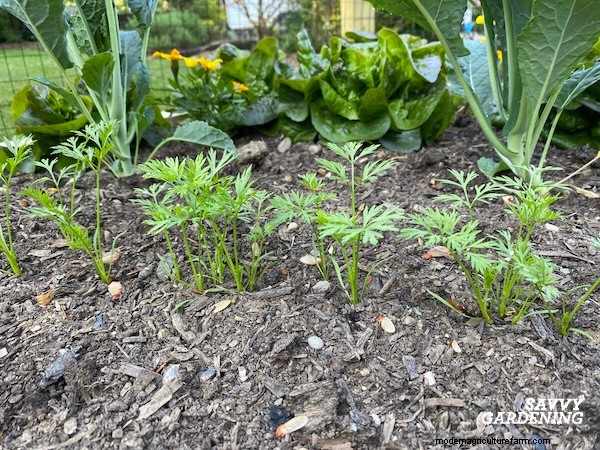
Don’t forget to thin seedlings to the proper spacing for maximum root production.
Thinning is essential for straight, full‑sized roots. Carrot seeds are small, and many gardeners sow too densely to guarantee germination. When seedlings reach about two inches tall, thin them to roughly one to two inches apart. This spacing gives each root enough room to grow without twisting around neighbors.
Rather than pulling crowded seedlings, snip extras at soil level with small scissors (pulling can attract carrot maggot flies). Water after thinning. For baby harvests you may leave seedlings slightly closer together, but storage carrots need more room. Timing your thinning is almost as important as knowing when to plant.
Fall carrots can be harvested as soon as they reach usable size. Their best flavor usually emerges after cool nights. Brush soil away from the shoulder of a few roots to check diameter. Baby carrots may be ready early, while full‑size storage carrots should be harvested according to the seed packet’s instructions. With careful planning, roots should mature just as autumn temperatures become ideal.
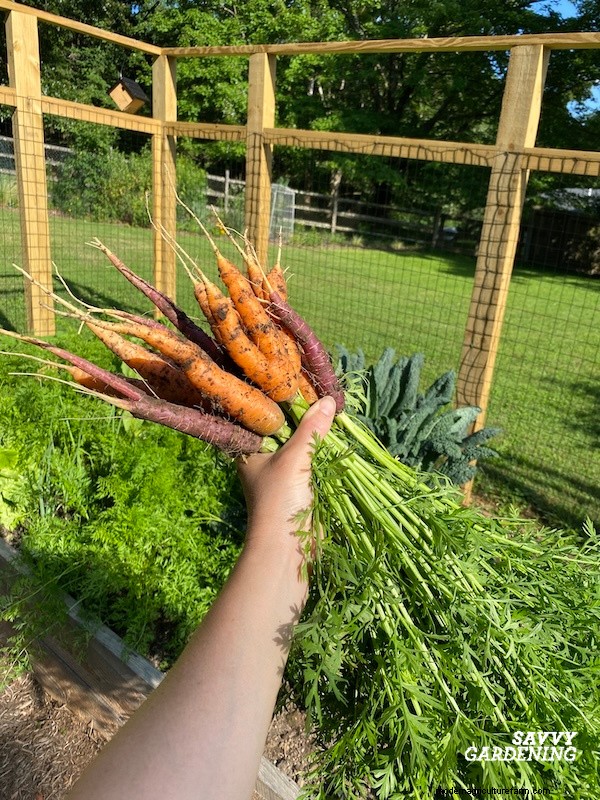
Here’s a handful of my fall carrots from last year, featuring a mix of colors and types.
Light frosts can enhance sweetness, but hard freezes may damage roots if the soil freezes solid. In mild climates, you can leave carrots in the ground and harvest as needed. In colder regions, cover the bed with a thick layer of straw, leaves, or mulch before deep cold arrives. Heavy row covers help, too. These protective layers keep soil workable longer and extend the fall harvest. However, if rodents or other pests are a problem or the ground freezes deeply, harvest and store the crop before winter locks it in.
For winter storage, harvest on a dry day when the soil isn’t muddy. Loosen the bed with a garden fork before pulling to avoid snapping roots. Do not wash storage carrots unless you plan to use them soon; excess moisture can encourage decay. Instead, brush off loose soil, trim the tops to about half an inch above the crown, and discard any cracked, forked, or damaged roots.
The ideal storage conditions are cold, humid, and dark. Pack healthy carrots in slightly damp sand, sawdust, or peat moss in a crate or tote, ensuring roots do not touch each other excessively. Store them in a root cellar, an extra fridge, an unheated basement, or another location that stays just above freezing. Check occasionally and remove any roots that soften or show signs of rot. With good timing and careful storage, a crop planted after thorough research can feed you for months.
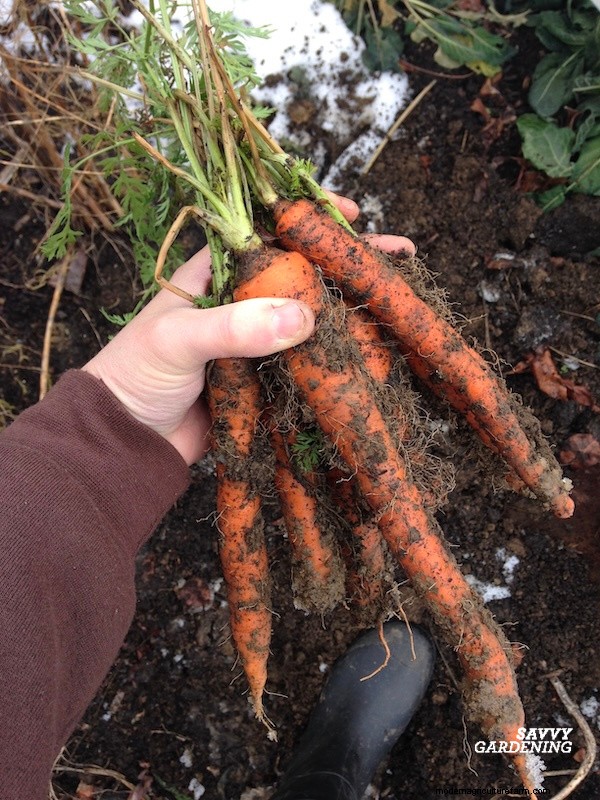
These carrots were pulled from my garden when a few inches of snow covered the ground. They were protected with floating row cover and a layer of shredded fall leaves.
Knowing when to plant fall carrots is the foundation of a reliable autumn harvest. Count backwards from your first‑frost date, add extra time for slower fall growth, and choose varieties that match your season. Give seeds the best chance by keeping the seedbed evenly moist. The wooden board technique may sound simple, but it solves the biggest challenge for fall carrot growers: hot, dry soil that hinders steady germination.
Once seedlings are established, thin them carefully, keep them watered, and let cool weather improve their flavor. Whether you harvest fresh after chilly nights or pack them away for winter meals, fall carrots are one of the most rewarding crops you can grow.
Want to grow more root crops? Then you’ll be interested in these articles:


