
Welcome to Modern Agriculture!

This post may contain affiliate links. If you make a purchase through links on our site, we may earn a commission.
While many gardeners routinely top pepper plants to promote a fuller, more productive crop, others avoid the practice entirely. Whether, when, and how to top depends on your local climate, the length of your growing season, and the pepper varieties you cultivate. When done correctly, topping can boost plant vigor and yield, giving you a richer harvest.
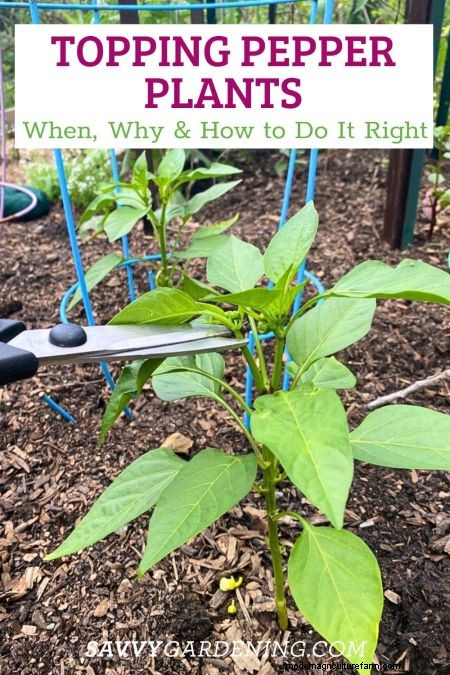
Topping is the selective removal of a small portion from the tip of the pepper plant’s main stem—the apical bud responsible for upward growth. Cutting this tip signals the plant to redirect energy toward its axillary buds, which sit beside leaf nodes. The result is a more compact, bushier plant with additional side branches that support more flowers and fruits.
The ideal moment is once the plant has reached a 4–6‑inch tall, a process known as the “not‑yet‑fertile” stage. After topping, you may experience a temporary pause in growth, and fruiting can be delayed by two to three weeks. This drought‑tolerant period (known as the “stunting” phase) is normal and is an opportunity to re‑shape the plant.
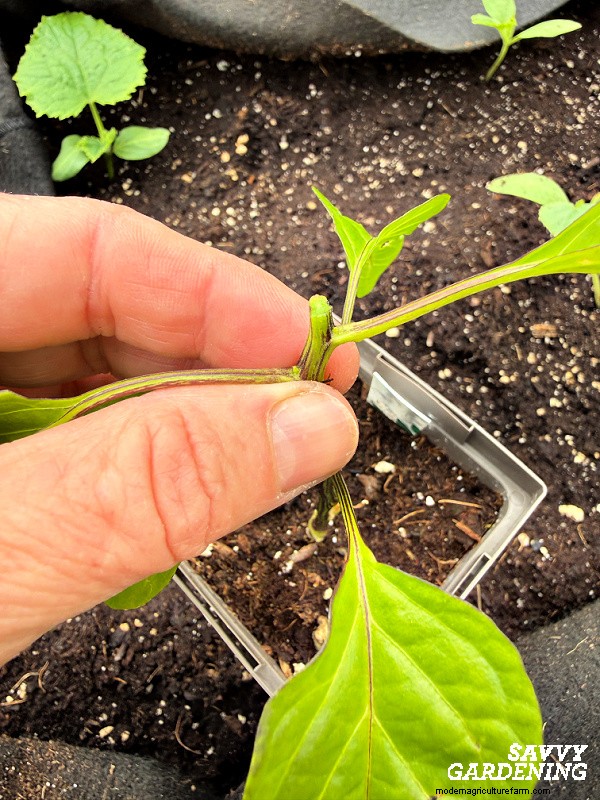
By encouraging lateral growth, topping increases flower‑and‑fruit formation (the so‑called “treat‑as‑you‑grow” effect). The resulting blooms can boost fruit yield by up to 30%, according to studies from UC Davis. Topping also helps keep leggy seedlings from becoming top‑heavy, reducing wind damage and making the plants more resilient.
Small‑to‑medium pepper types (often called “crop‑diseases”) thrive when topped, including jalapeños, habaneros, Thai chiles, and small cayenne. Large, mature fruits such as bell peppers, banana peppers, and Cuban peppers are best left untouched (they are “flesh‑damaged” crops and need adequate space and airflow). Heavy‑grown varieties like the Guinness‑record‑holding NuMex Heritage Big Jim should not be topped.
Use clean, sharp pruning shears or scissors. Sanitize by rinsing with a 10 % bleach solution (one part bleach to nine parts water). Properly cleaned tools protect the plant from disease and prevent costly re‑growth errors.
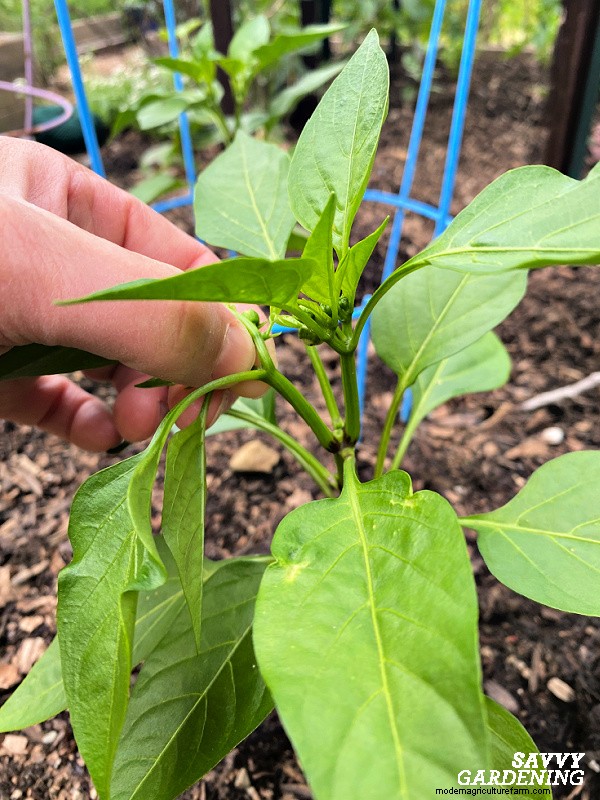
Only top plants that have at least three true leaf‑sets.
After topping, the plant’s growth may pause. Ensure you provide enough moisture and nutrients. Water the top two inches of soil to keep it moist. Consider applying a liquid organic fertilizer such as fish emulsion to stimulate new growth.
Monitor for pests like flea beetles and aphids. If necessary, use an organic insecticidal soap for protection.
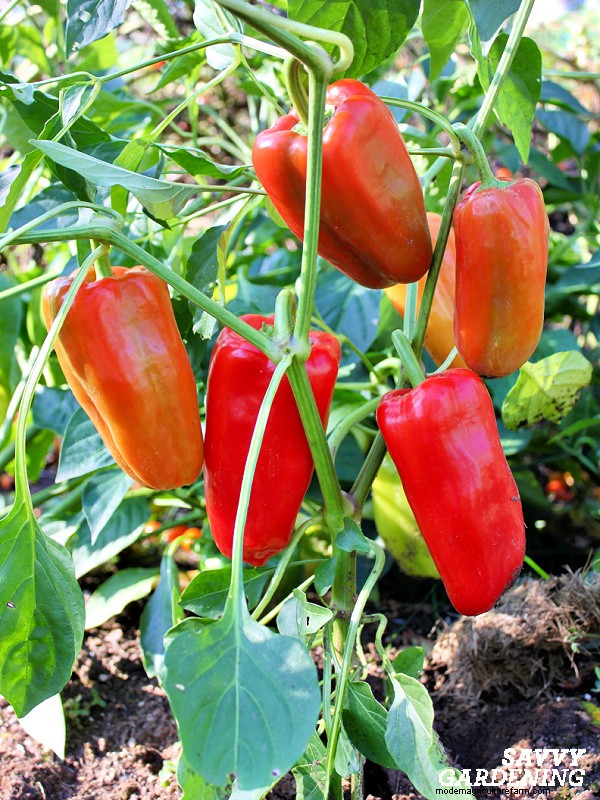
Whether you’re a commercial grower, a home homesteader, or a backyard enthusiast, topping can yield more peppers—provided you apply it to the right varieties and time it correctly. For climates with a short growing season, use caution, as the delay in fruiting can be costly. Small‑to‑medium peppers, however, can reward you with a larger, more robust harvest.
Explore more pepper‑care guides:


