
Welcome to Modern Agriculture!

Birch trees are celebrated for their unmistakable bark and elegant foliage. A weeping birch planted by my grandparents in Utah’s first family home has stood proudly for 70 years, a testament to proper care and a suitable environment.
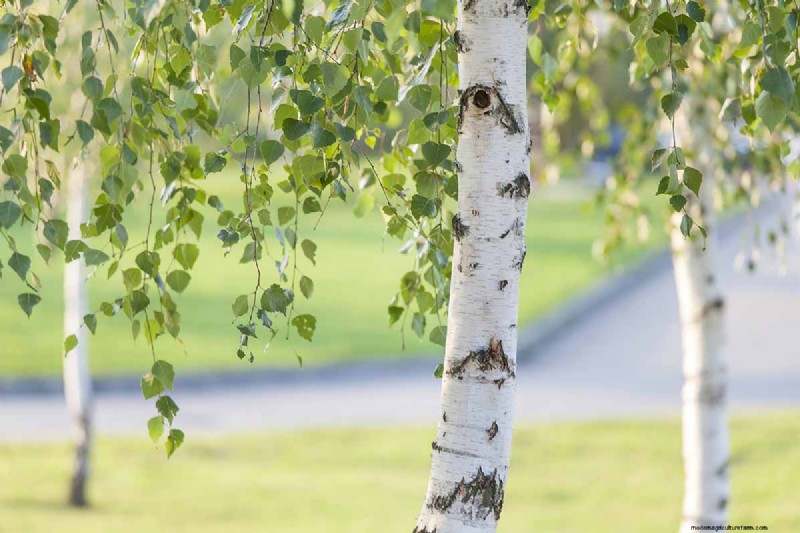
Birches are a popular choice for specimen trees, wildlife habitat, and winter interest. However, they can be short‑lived and demanding, especially in regions where pests thrive. Selecting the right species, planting in the correct environment, and maintaining optimal health can transform a birch into a long‑lived, thriving tree.
There are dozens of birch species native to Europe, Asia, and North America—estimates range from 30 to over 60. They fall into five main genera: Betula (typical), Betulastar (large leaf), Betulenta (wintergreen oil), Chamaebetula (dwarf), and Neurobetula (costate). Hybrids are common, making classification complex, but this guide focuses on the most widely cultivated types.
Common name(s): Birch; includes dwarf, gray, Japanese white, paper, river, silver, water, weeping
Plant type: Deciduous tree
Hardiness (USDA Zone): 2–9 (varies by species)
Native to: Asia, Europe, North America
Bloom time / season: Spring (catkins)
Exposure: Full to partial sun
Soil type: Moist loam, well‑draining
Soil pH: 5.0–6.5, slightly acidic to neutral
Time to maturity: 10–50 years
Mature size: 3–80 ft tall; most cultivated types 30–50 ft tall
Best uses: Specimen tree, wildlife habitat, naturalized areas, winter interest
Order: Fagales
Family: Betulaceae
Genus: Betula
Species: Nana, nigra, occidentalis, papyrifera, pendula, platyphylla, populifolia
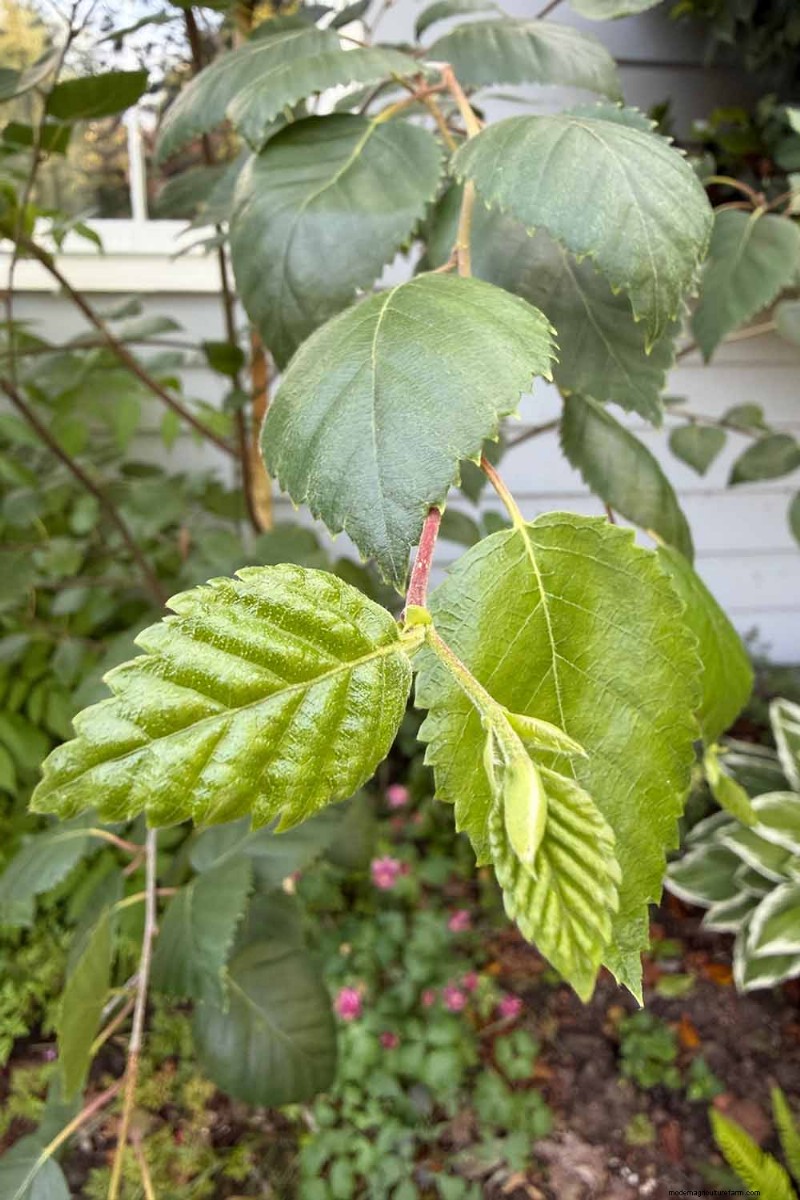
Birch trees share characteristic features: long, dangling catkins of three‑flower clusters and ovate or elliptic leaves with a double‑serrated margin. The slender petiole gives the leaves a graceful, dancing motion. Most cultivated birches grow 30–50 ft tall and are single‑trunked, though some multi‑stemmied forms exist. Bright yellow foliage in fall and paper‑like bark—often translucent when young—are signature traits.
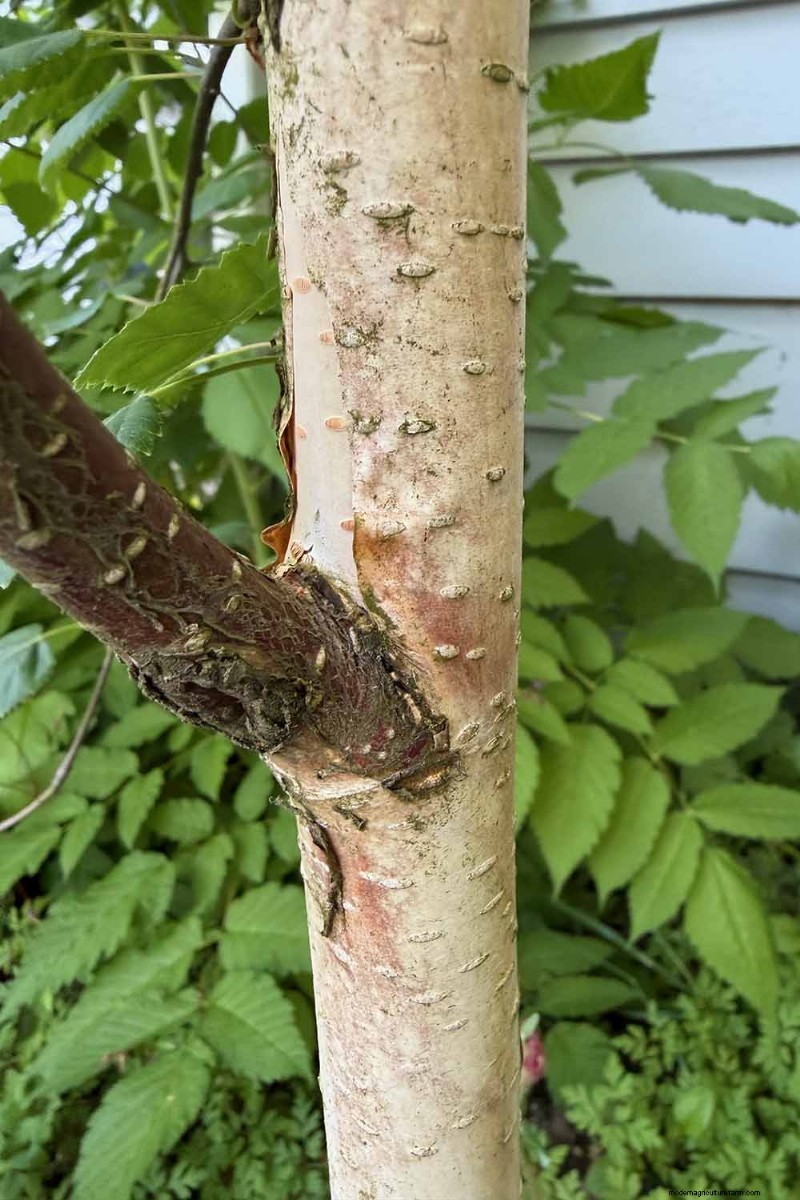
Birches are pioneer species, quickly colonizing cleared or fire‑disturbed areas. Their shallow roots mean they should not be planted near compacted soil such as driveways or sidewalks. While birches can tolerate hot, dry climates, they perform best in cooler, less extreme environments. For optimal performance, choose a site that approximates their natural preferences—ideally a shaded, cool spot on the east or north side of a structure to protect roots from afternoon heat.
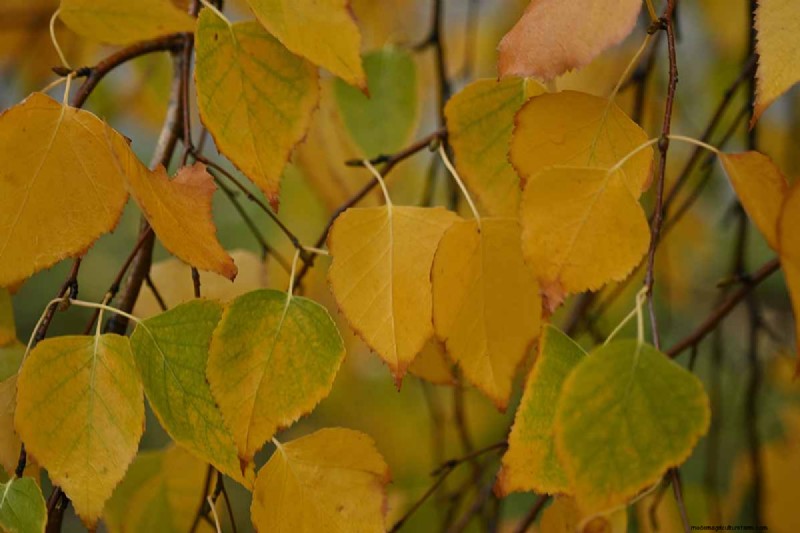
Most birches prefer cool climates but can survive in hotter regions if adequately shaded and watered. Select a site that offers partial shade during the hottest part of the day, especially in southern or western exposures.
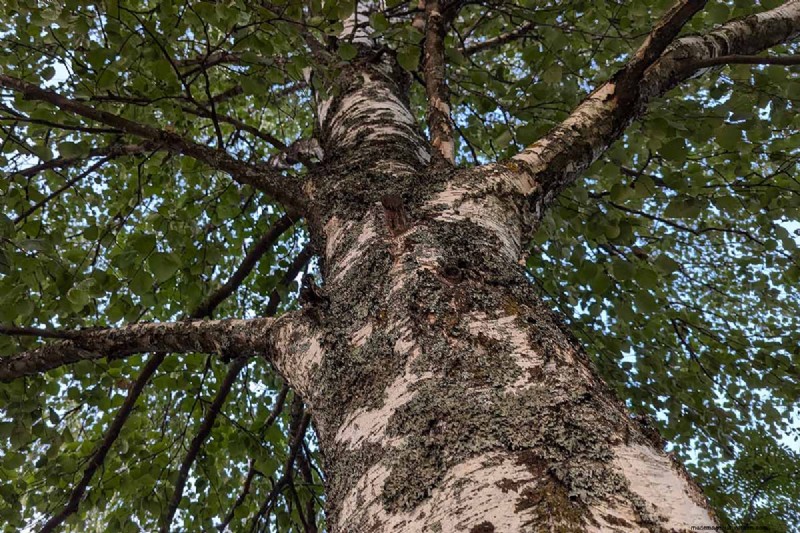
Full sun is ideal, but in hot climates, some afternoon shade helps prevent heat stress.
Soil pH should be 5.0–6.5. White‑barked species tolerate neutral or slightly alkaline soils, while river birch (B. nigra) prefers acidic conditions. If soil is alkaline, select a white‑barked type or another compatible species.
Birches require consistent moisture but not waterlogged soil. The soil should feel like a well‑wrung‑out sponge. Overwatering can kill the tree, while drought‑tolerant species—such as river birch—can survive brief dry spells. Water deeply and infrequently to encourage deep root growth. Check moisture by inserting a finger to the first knuckle; water when dry.
Many birches grow well without fertilizer. If needed, test soil before application. Use a slow‑release fertilizer in early spring and avoid feeding late summer to prevent out‑of‑season growth.
Choosing a species that matches your climate and soil conditions is key. Below are popular options and their notable cultivars.
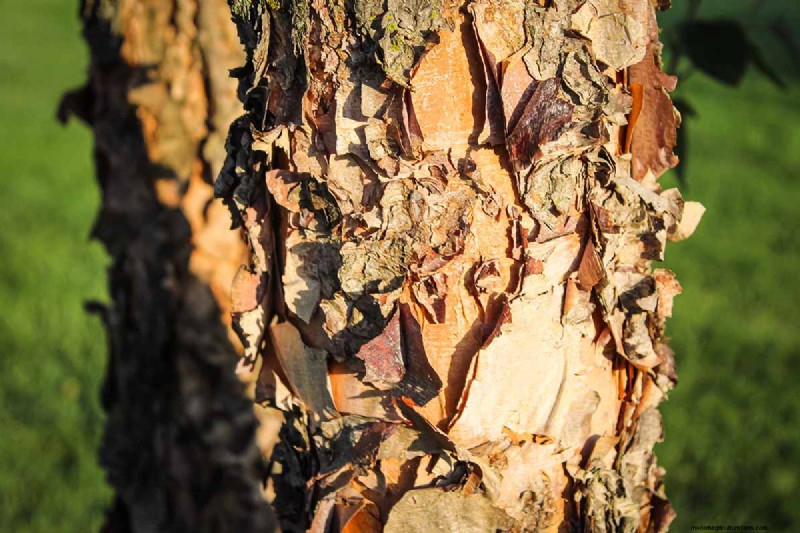
River birch has salmon‑colored bark that darkens with age. It is resistant to borers, thrives in acidic soils, and tolerates heat, flooding, and wind (Zones 4–9). Popular cultivars include the tidy “Heritage” (B. nigra ‘Cully’) and the heat‑tolerant “Dura Heat®” (B. nigra ‘BNMTF’).
Heritage Birch – Nature Hills Nursery
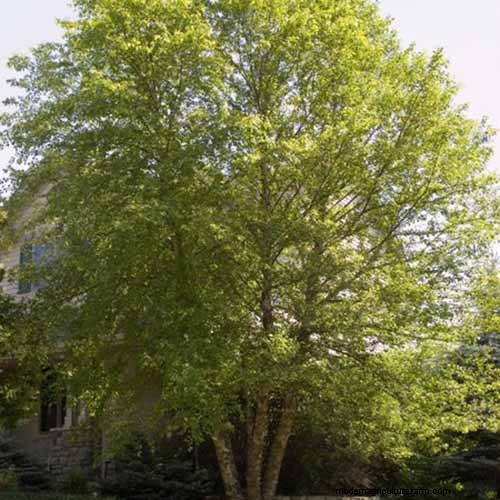
Dura Heat® – Fast Growing Trees
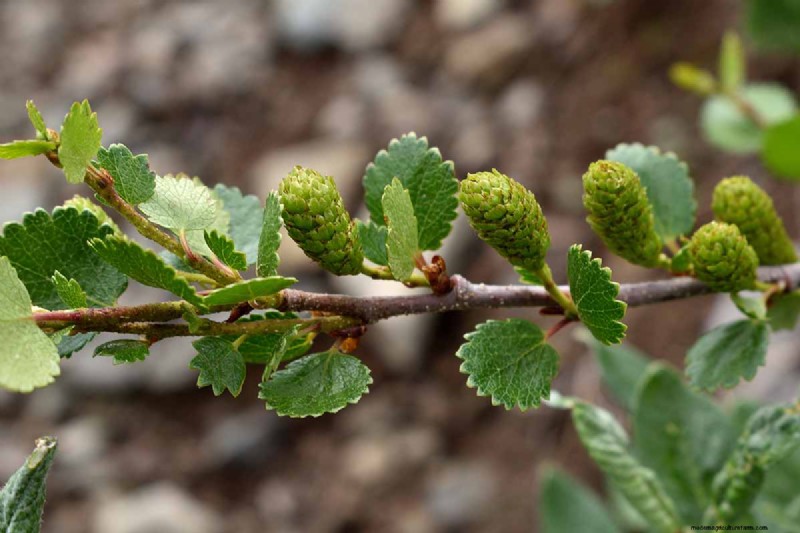
Dwarf birches are native to the Arctic, growing only 3–4 ft tall. They are often used for breeding hybrids. The cross “Cesky Gold®” (B. x plettkei ‘Golden Treasure’) reaches 4 ft tall and 3 ft wide, with golden green leaves that turn bright orange and red in fall (Zones 2–7).
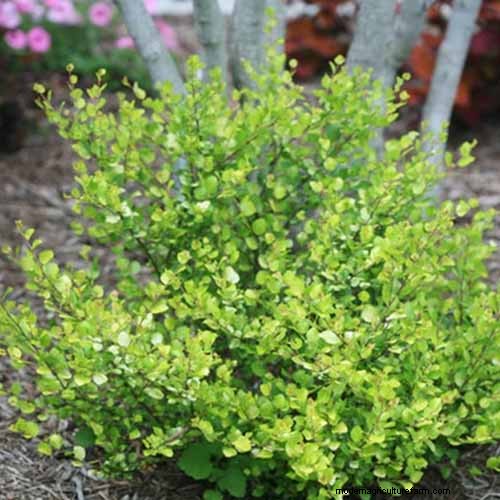
Cesky Gold – Nature Hills Nursery
Gray birch has chalky white bark that does not peel. It grows to ~30 ft tall (Zones 2–7) and tolerates drier soils than many birches. The ‘Whitespire’ cultivar is heat‑tolerant, fast‑growing, and reaches 40 ft tall and 25 ft wide.
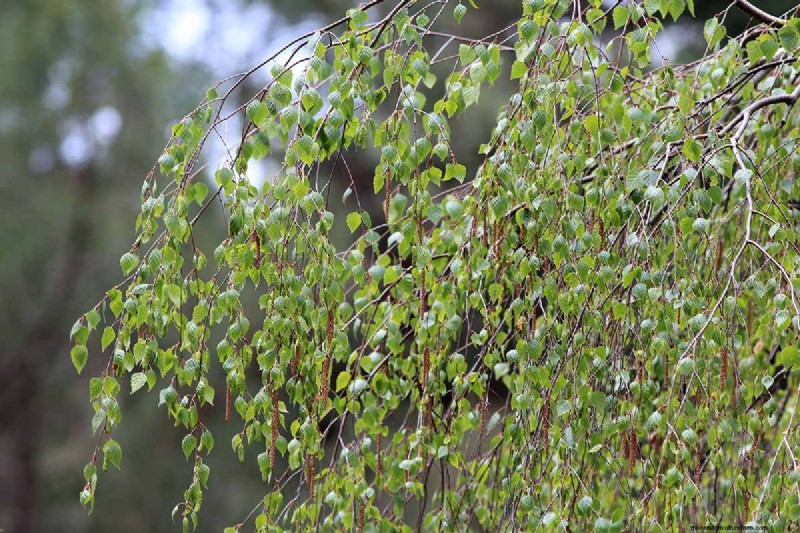
Whitespire – Nature Hills Nursery
Japanese white birch is prized for its pyramidal shape, pendulous branches, and bright white bark. It is heat‑sensitive and drought‑tolerant, thriving in Zones 4–7. The “Fargo” cultivar (Dakota Pinnacle) is 30 ft tall, 12 ft wide, and resistant to borers and fungal diseases.
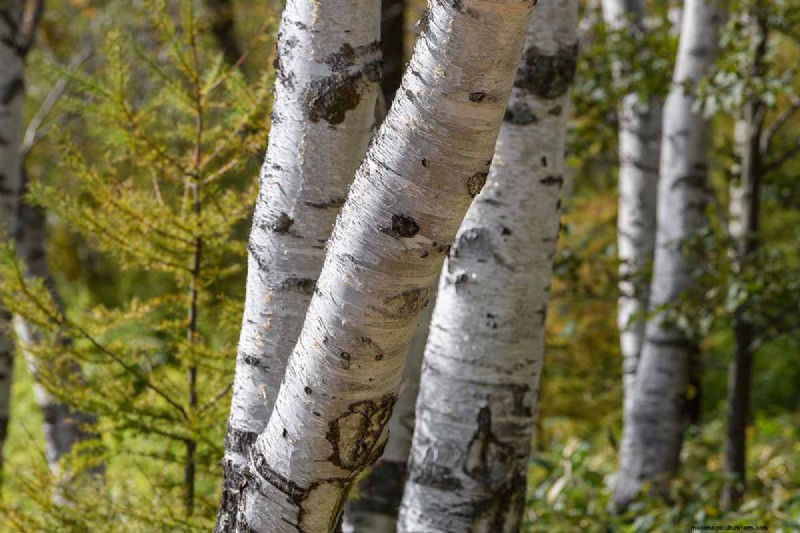
Dakota Pinnacle Birch – Fast Growing Trees
Known for its paper‑thin bark that peels to reveal a ruddy base, the paper birch can reach 40 ft tall and 30 ft wide (Zones 2–7). It provides excellent habitat for local wildlife.
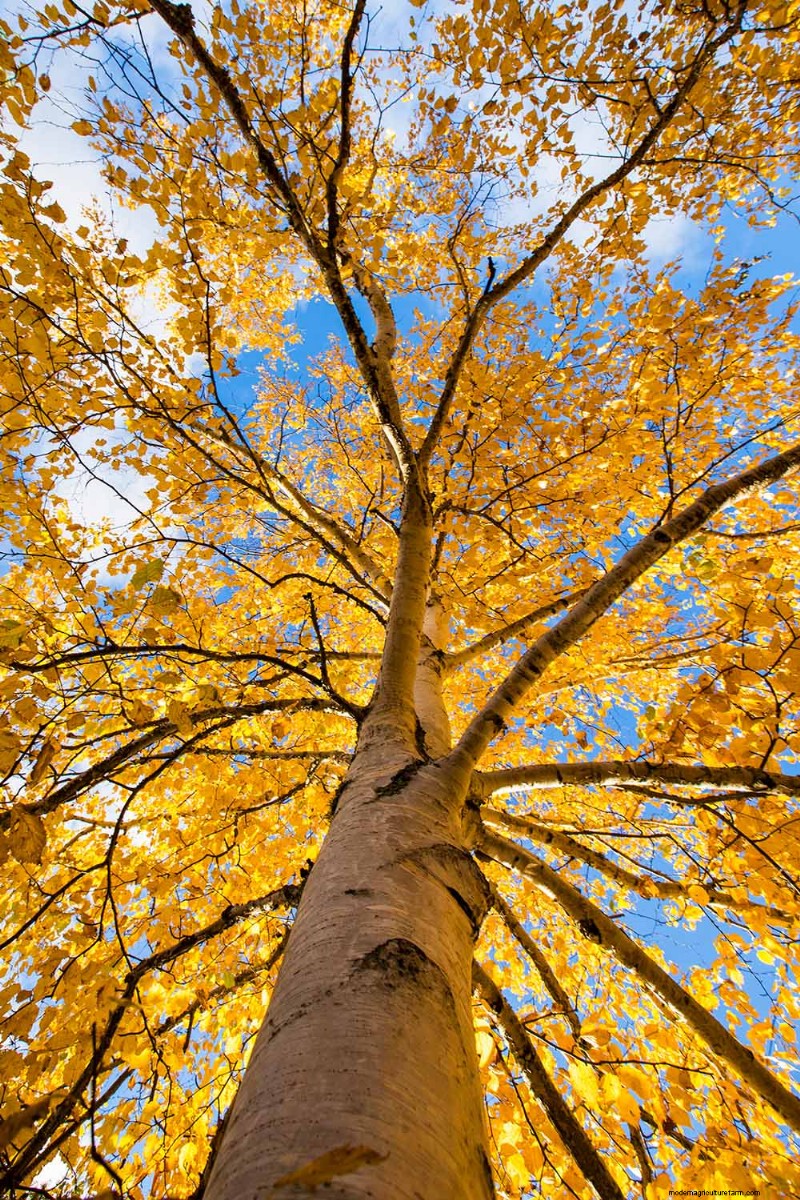
Paper Birch – Nature Hills Nursery
Water birch sports purplish or dark‑black bark with white lenticels. Native to western North America, it thrives near water sources and tolerates flooding. It can grow 40 ft tall and 20 ft wide.
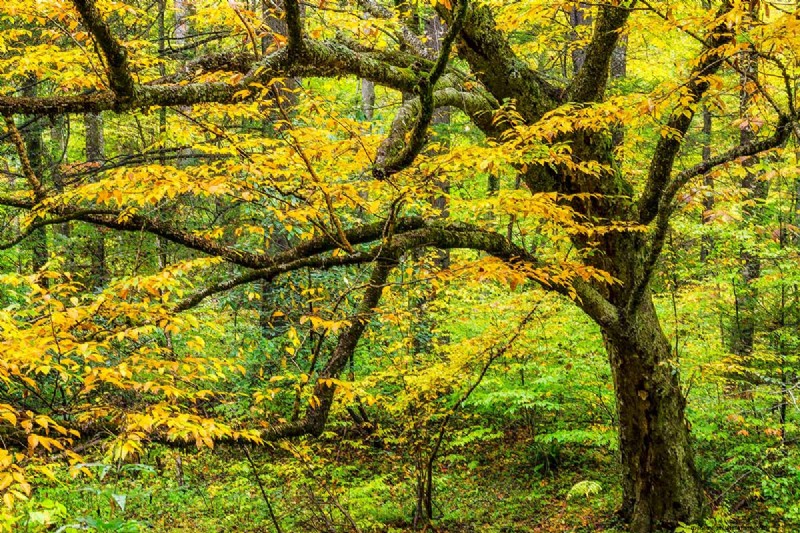
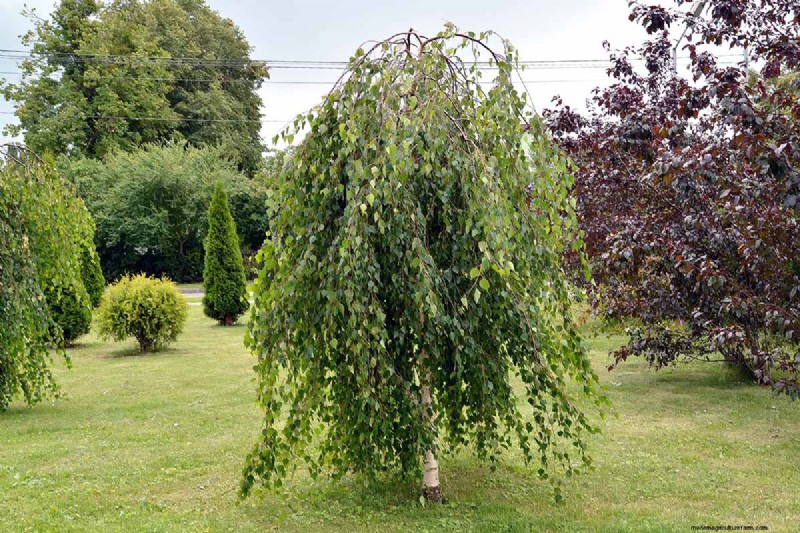
Weeping birch is celebrated for its pendulous branches and winter white bark that darkens with age. It can reach 80 ft tall in suitable climates (Zones 2–7). Though native to Europe and East Asia, it is considered invasive in some parts of North America. The species sheds many small branchlets each year, which is normal and indicates healthy growth.
Mulch 2–3 inches of organic material (shredded bark, leaf mulch, etc.) around the tree, keeping it 2–4 inches from the trunk. This conserves moisture, cools roots, and suppresses weeds. Avoid rock or plastic mulch, which can raise soil temperature and restrict airflow.
Prune only when necessary—remove broken, diseased, or dead branches. Perform pruning in late winter before borer activity. For wounds created by branch breaks, apply a fungicidal or insecticidal sealant to deter borers.
Birches can be propagated from seed, cuttings, or nursery saplings. Below are step‑by‑step methods.
Seeds mature in late summer/early fall in fuzzy catkins. Harvest dry seeds, gently rub to release the winged kernels, and purchase seeds from reputable suppliers if needed.
Thin seedlings after germination to allow adequate space for root development.
Softwood cuttings taken in June are more reliable than hardwood. Select new growth, cut 6‑inch sections at a 45° angle, and dip the cut end in powdered rooting hormone. Place cuttings a third of the way into a 4–5 inch pot filled with potting soil. Keep soil moist and cover with a clear plastic cloche to maintain humidity.
When new growth appears, remove the cloche. In the following spring, transplant the rooted cutting outdoors.
Water thoroughly after planting and add soil if the tree settles. Continue regular watering until established.
Birch trees are vulnerable to several pests and diseases. Effective management hinges on early detection and proper environmental care.
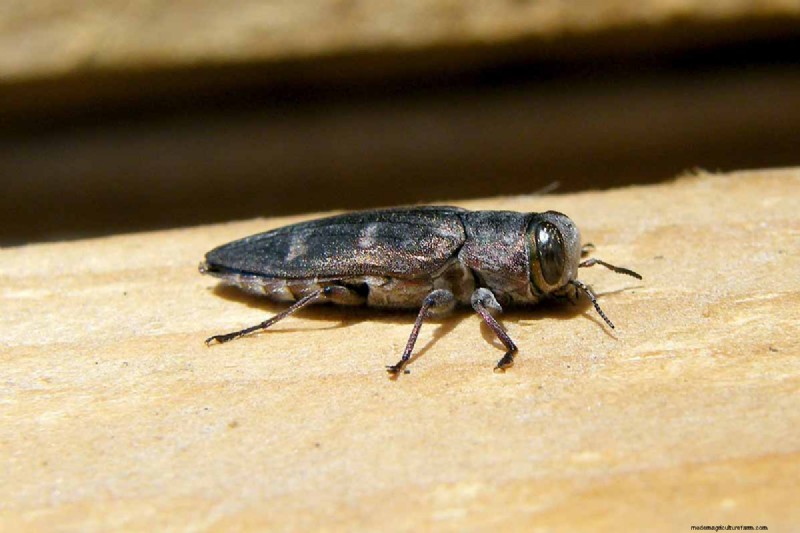
The primary threat in North America is the bronze birch borer (Agrilus anxius). The larvae tunnel into the cambium, blocking water flow and often killing the tree within a few seasons. Resistance varies: brown‑barked species (e.g., river and gray birch) are more resilient, but no species is immune. Prevention includes avoiding pruning during the growing season and applying pyrethrin‑based sprays during adult activity. For detailed timing, consult local university extension services.
Other common pests include the birch skeletonizer (caterpillar of Bucculatrix canadensisella), leaf miners (larvae of sawflies such as Profenusa thomsoni), and various leaf‑mining insects. These pests rarely kill trees but can weaken them. Management involves monitoring, encouraging natural predators, and, when necessary, applying spinosad or organic insecticides such as Monterey Garden Insect Spray (Arbico Organics).
While diseases are less frequent than pests, they can still compromise birch health. Common issues include:
Birch trees combine architectural elegance with ecological value. Their unique bark, graceful foliage, and winter interest make them a standout in any landscape. Share your favorite birch species or cultivar in the comments!
Ready for more landscaping knowledge? Check out these guides:


