
Welcome to Modern Agriculture!

Aronia, commonly known as chokeberry, is indigenous to the moist woodlands, swamps, and forest margins of eastern North America—from Newfoundland south to Florida and west into the Great Plains.
Although it thrives across a wide native range, the plant gained popularity in Eastern Europe during the 20th century, where commercial plantations in Russia, Poland, and Scandinavia began producing juice, wine, and nutritional supplements in the mid‑1900s. Most modern cultivars were selected by European breeders, but the berry’s exceptional antioxidant content sparked renewed interest in North America in the early 2000s.
Today, chokeberries are increasingly planted in edible landscapes, homesteads, and forager gardens. This guide covers everything you need to know to successfully grow aronia.
Aronia is a deciduous shrub in the Rosaceae family, ranging from three to twelve feet tall depending on species and cultivar. In spring it produces flat clusters of white to pale pink flowers with dark‑tipped stamens. The summer foliage is glossy, deep green, and in fall it turns brilliant red to orange‑purple—one of the most striking fall color displays among fruiting shrubs.
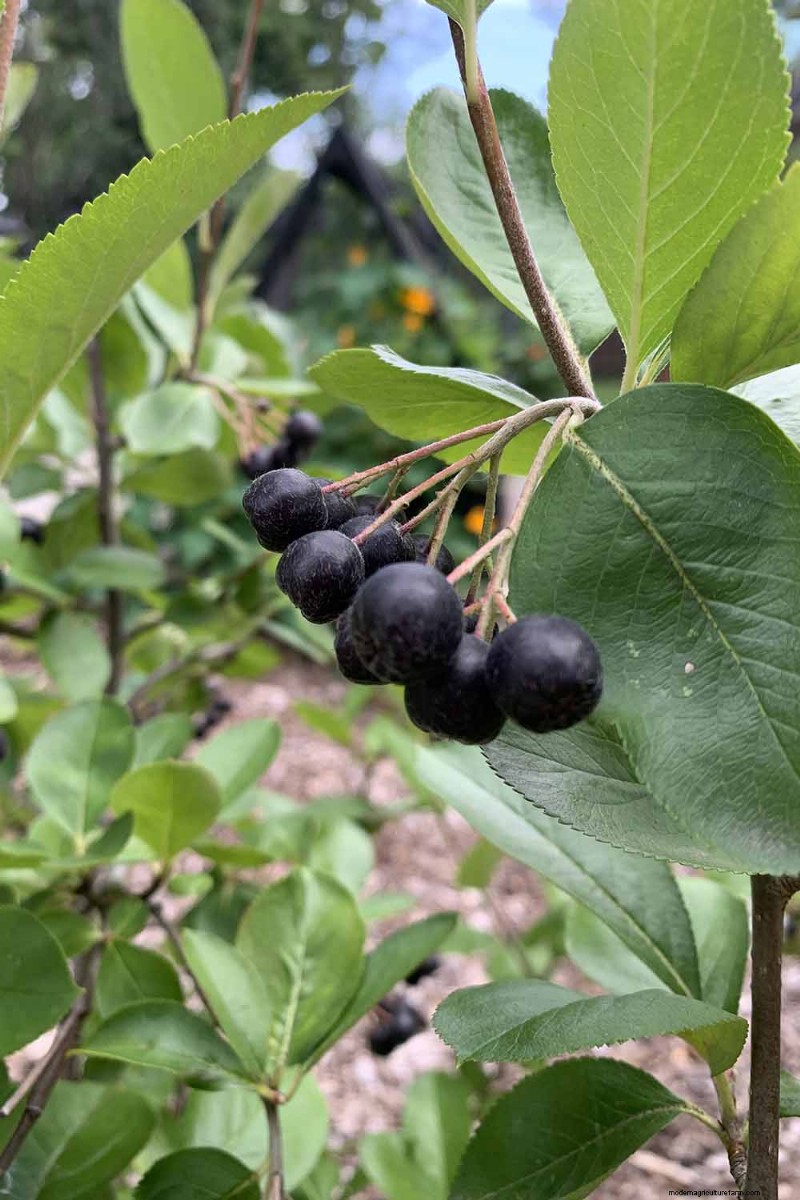
Aronia berries often persist on the branches well into winter, providing food for birds long after the leaves have fallen. The genus includes three species: A. melanocarpa (black chokeberry), A. arbutifolia (red chokeberry), and A. prunifolia (purple chokeberry). The “choke” in the common name refers to the fruit’s astringency when raw; the berries are fully edible.
Common name(s): Black or red chokeberry, aronia, aroniaberry, chokeberry
Plant type: Deciduous fruiting shrub
Hardiness (USDA Zone): 3‑8
Native to: Eastern North America
Bloom time / season: Spring flowers, summer fruits
Exposure: Full sun to partial shade
Soil type: Loose, loamy, well‑draining
Soil pH: 5.0‑7.0, slightly acidic to neutral
Time to maturity: First fruit 2‑3 years, full yield 4‑5 years
Mature size: 3‑8 feet tall and wide (varies by variety)
Best uses: Edible fruit, hedgerow, rain garden, wildlife garden, ornamental
Order: Rosales
Family: Rosaceae
Genus: Aronia
Species: Arbutifolia, melanocarpa, prunifolia
Aronia tolerates wet, boggy, clay‑heavy soils that would stress or kill many other fruiting shrubs. I’ve planted it in sites where blueberries struggled and currants suffered root rot, and it never missed a fruiting season.
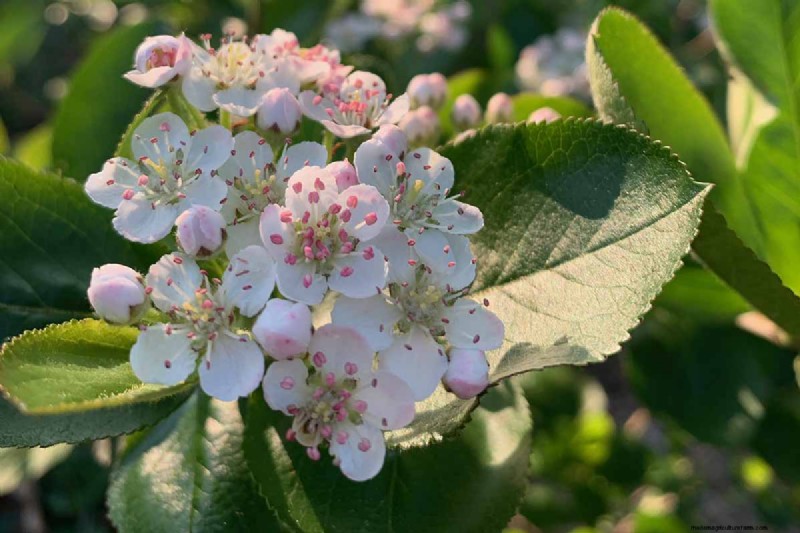
Most commercial varieties are intergeneric hybrids—× Sorbaronia mitschurinii—between aronia and European mountain ash (Sorbus). These hybrids grow more uniformly, fruit more heavily, and are easier to harvest than wild‑type aronia, though the botanical distinction matters mainly to taxonomists.
Aronia is self‑fertile, but cross‑pollination within 100 feet improves berry size and total yield.
It is hardy from USDA Zones 3 to 8, tolerating temperatures as low as –40 °C. A winter dormant period and adequate chill hours are essential for spring bud break.
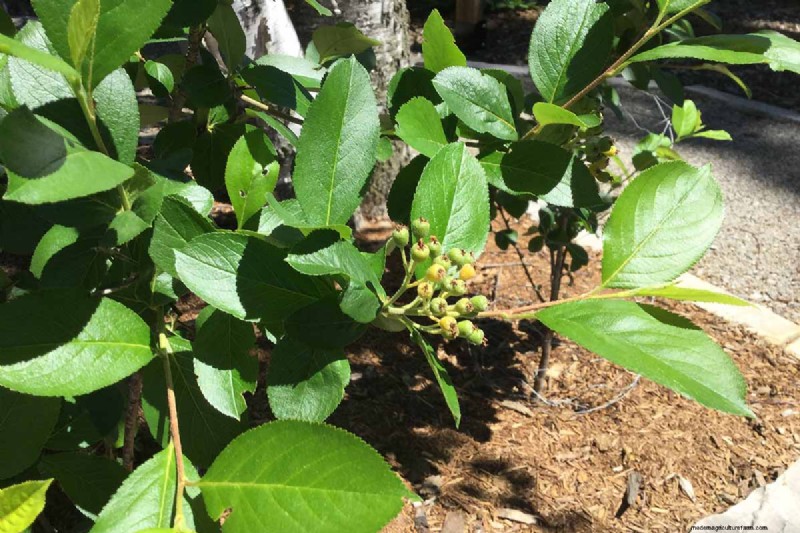
In climates where blueberries and brambles struggle with cold, aronia is often the more reliable choice.
Aronia tolerates partial shade but produces best fruit in full sun—at least eight hours of direct light per day. Shade can lead to leggy growth and reduced yields.
Aronia thrives in boggy, clay‑heavy, and chronically wet soils—including those exposed to road salt—where most fruiting shrubs fail. It prefers a pH of 5.0‑7.0 but can grow without stress at 4.5‑8.5. Well‑drained loam is ideal but not strictly required.
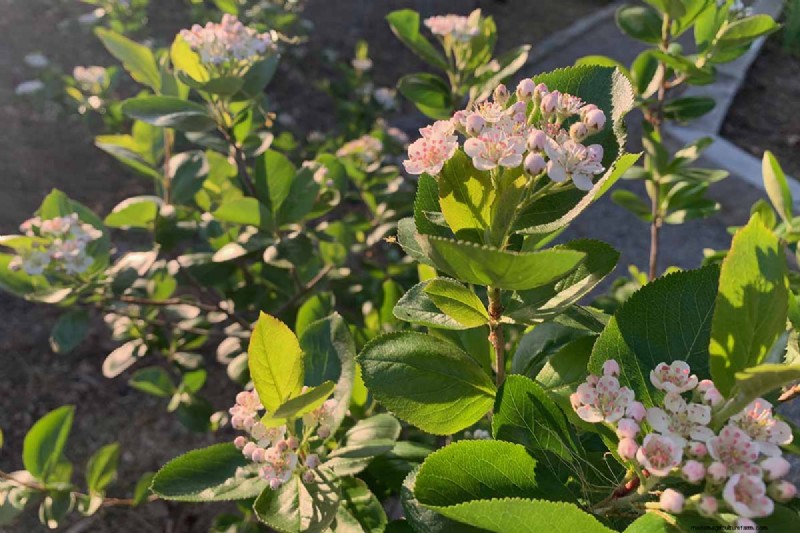
Keep soil consistently moist during the first one to two seasons while the plant establishes. Mature specimens are drought‑tolerant and can survive dry periods without supplemental watering. Consistent moisture during flowering and fruiting noticeably improves berry size.
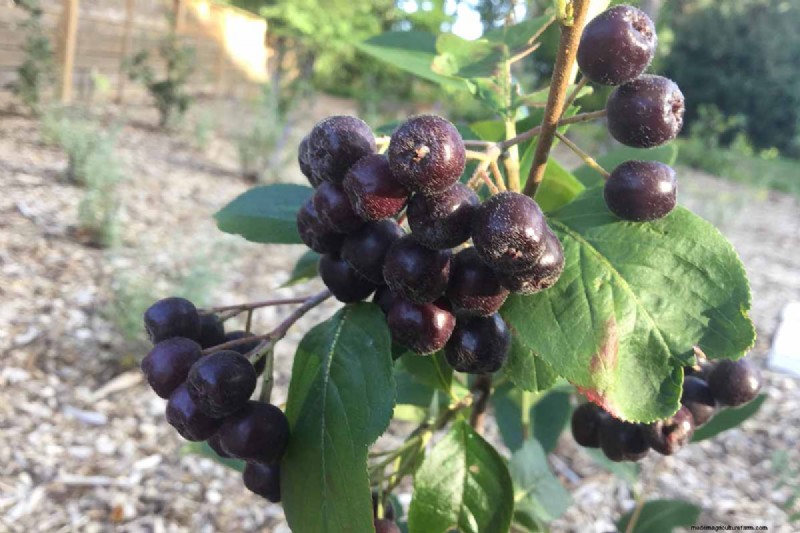
Aronia performs well in lean soils; heavy fertilization can promote leafy growth at the expense of fruit. Most home gardeners do not need to fertilize. A light compost side‑dress in spring is sufficient if the soil is nutrient‑poor.
Height, yield, berry size, and sugar content vary widely between cultivars. Choose cultivars described as having sweeter berries if you rely on a substantial harvest.
‘Brilliantissima’ is a red chokeberry (Aronia arbutifolia) grown primarily for ornamental appeal. It forms an upright, spreading shrub six to ten feet tall and three to five feet wide, hardy in Zones 4 to 9. White flowers with pink anthers appear in spring, followed by glossy red berries that persist well into winter. The fall foliage turns brilliant scarlet, orange, and crimson.
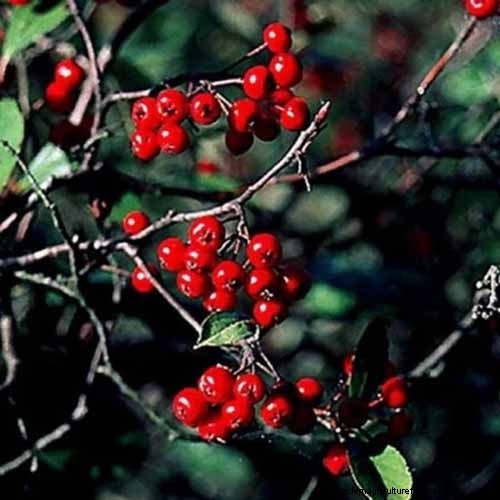
While the berries are technically edible, they are too tart and astringent for raw consumption. This cultivar is ideal for wildlife habitat, rain gardens, screening, hedges, and woodland edges. It tolerates clay and wet soils and remains drought‑tolerant once established.
You can find plants in #1 containers available at Nature Hills Nursery.
‘Galicjanka’ (also spelled ‘Galicianka’) grows six to eight feet tall and offers the largest berries and highest sugar content of any named cultivar. It’s the preferred choice when palatability matters—ideal for fresh preparations, jams, and recipes that require minimal astringency. It is less common in North American nurseries, so specialty growers may be required.
Ground Hug® (A. melanocarpa ‘UCONNAM012’) is a Proven Winners selection that stays just one to two feet tall and spreads two to three feet wide in Zones 3 to 9. Its prostrate habit makes it an excellent self‑contained ground cover. The foliage turns brilliant red and orange in fall, and the plant produces white spring flowers and dark purple‑black berries that are edible but best left for birds.
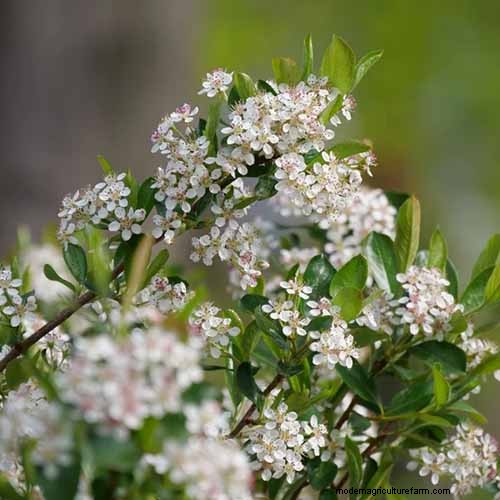
Use it on slopes, for erosion control, along pathway edges, in rain gardens, or in mass plantings. Ground Hug® is available at Nature Hills Nursery in quart‑sized containers.
Low Scape Mound® (Aronia melanocarpa) is a Proven Winners selection with a compact, rounded growth habit—just one to two feet tall and two feet wide—in Zones 3 to 9. It produces hundreds of white flowers with pink blush in spring, followed by dark purple‑black berries from late summer through early fall. Unlike ‘Ground Hug,’ this cultivar produces fruit worth picking; the berries sweeten after the first frost and are excellent for juicing, baking, and jellies.
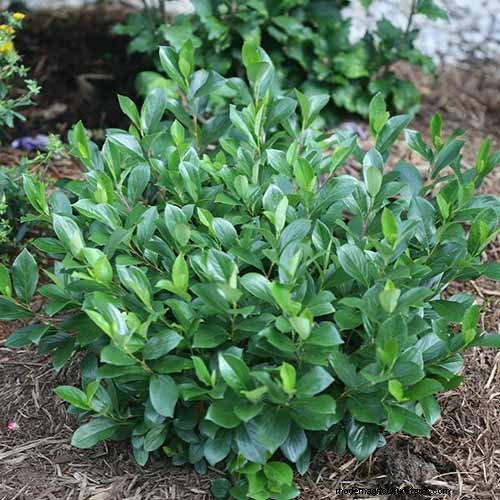
Its fall foliage turns brilliant red. Low Scape Mound® is available at Fast Growing Trees in one‑quart and two‑gallon containers.
‘Viking’ is the industry standard worldwide, growing six to eight feet tall and producing abundant deep purplish‑black berries in Zones 3 to 8. It is the default choice for juice, wine, and natural food coloring due to its reliable high yield and consistent berry color.
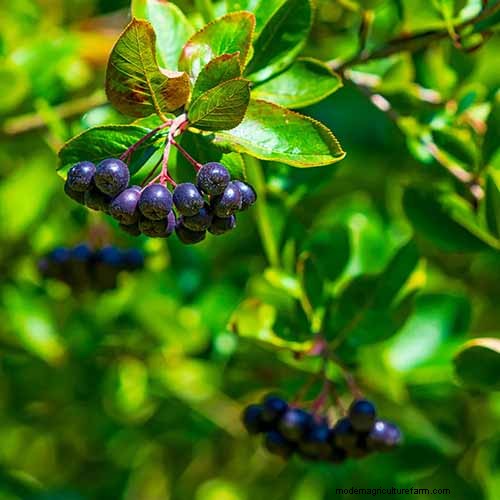
If you are planting for production and have no specific reason to choose otherwise, ‘Viking’ is a sensible starting point. It is available in one‑gallon containers at Fast Growing Trees.
Aronia blooms on old wood, so pruning timing is critical to ensuring fruit the following year. The maintenance routine is light and infrequent.
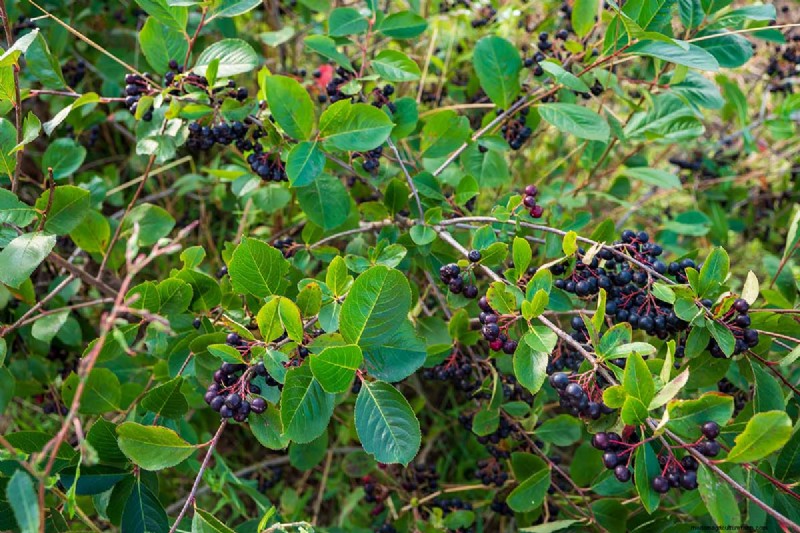
Prune in late winter or immediately after flowering. Avoid hard pruning in summer, which removes the flower buds forming for the next year. Each year, remove dead, diseased, or crossing branches and lightly shape as needed.
Every few years, rejuvenate the plant by cutting out one‑third of the oldest, thickest stems to keep it open and productive. Aronia sends up suckers from its base; remove these to transplant or compost.
A layer of mulch suppresses weeds and unwanted suckers.
Aronia chokeberry plants can be propagated from seed, softwood cuttings, or by dividing suckers.
Seed‑grown plants typically do not grow true to the parent, so use this method for species plants or experimentation.
Grow seedlings in containers for the first two years before transplanting to their final spot.
Cuttings provide a reliable way to clone the parent plant.
Transplant rooted cuttings into individual pots for the winter and move them to their final location the following spring.
In early spring before leaf‑out, locate a rooted sucker at the base of the plant. Dig around the roots to expose them, then carefully cut the connecting roots with a sharp spade or garden knife and lift the sucker with its root system intact.
Replant immediately or pot it for one season before setting it out. Fill the hole next to the parent plant with soil and backfill.
Dig a hole twice as wide and roughly the same depth as the root ball. For bare‑root chokeberry, create a small mound in the center to support the roots. Place the plant, adjust as needed, and backfill, tamping to remove air pockets. Water well, adding more soil if the mound settles. Add a mulch layer of woodchips—keeping it away from the stem—to retain moisture and suppress weeds.
Keep soil evenly moist while the plant establishes.
Aronia plants are remarkably resistant to pests and disease. Rare issues include rabbits, deer, and bird predation, which can be mitigated with fencing, deer repellents, or netting.
Occasional spotted wing drosophila (SWD) may appear but is not a serious problem; prompt harvesting keeps it in check. Lace bugs and aphids may appear on young shoots but usually decline as natural predators arrive. Japanese beetles, apple maggots, and stink bugs may visit, but treatment is rarely required.
Powdery mildew is the most common disease, preventable by planting in full sun with adequate spacing for air circulation. Crowded or shaded plantings are more susceptible. Cedar‑quince rust and cedar‑apple rust can affect aronia near eastern red cedar, though crop loss is minimal.
Black chokeberries typically first appear in year two to three after planting, with a meaningful harvest arriving around year four to five. The fruit turns deep black in late summer; color alone is not a reliable ripeness indicator. Berries that are still hard are unripe; slightly softened berries taste better. After a light frost, sugars concentrate and astringency decreases.
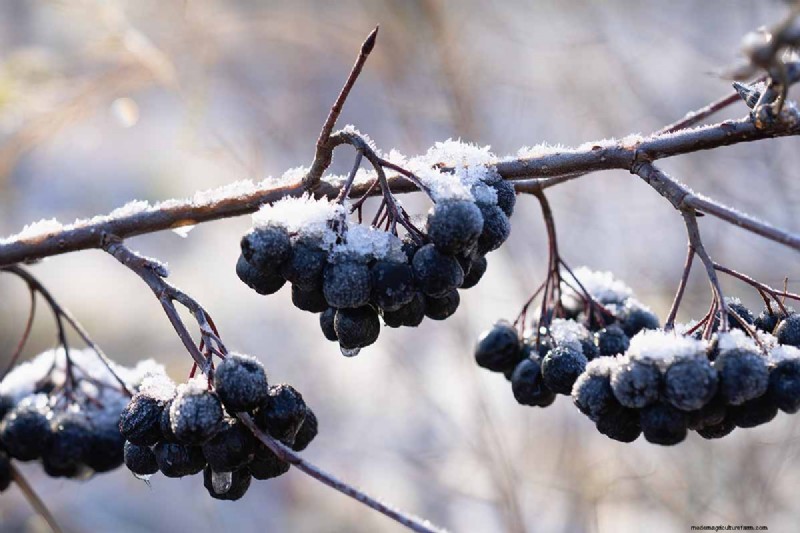
Harvest in September and October, depending on climate and cultivar. Once fully ripe, berries drop within weeks if left on the plant. Use a clean pair of scissors to clip clusters if the shrub is heavily loaded.
Fresh berries keep one to two weeks in the refrigerator. For longer storage, freeze them flat on a tray until solid, then transfer to a resealable zip‑top bag—use within 12 months.
Aronia berries are versatile—eaten fresh, baked into pies and muffins, made into compotes, jams, jellies, and syrups. They can substitute for blueberries in many recipes. For a sweet treat, try adding them to waffles or pancakes.
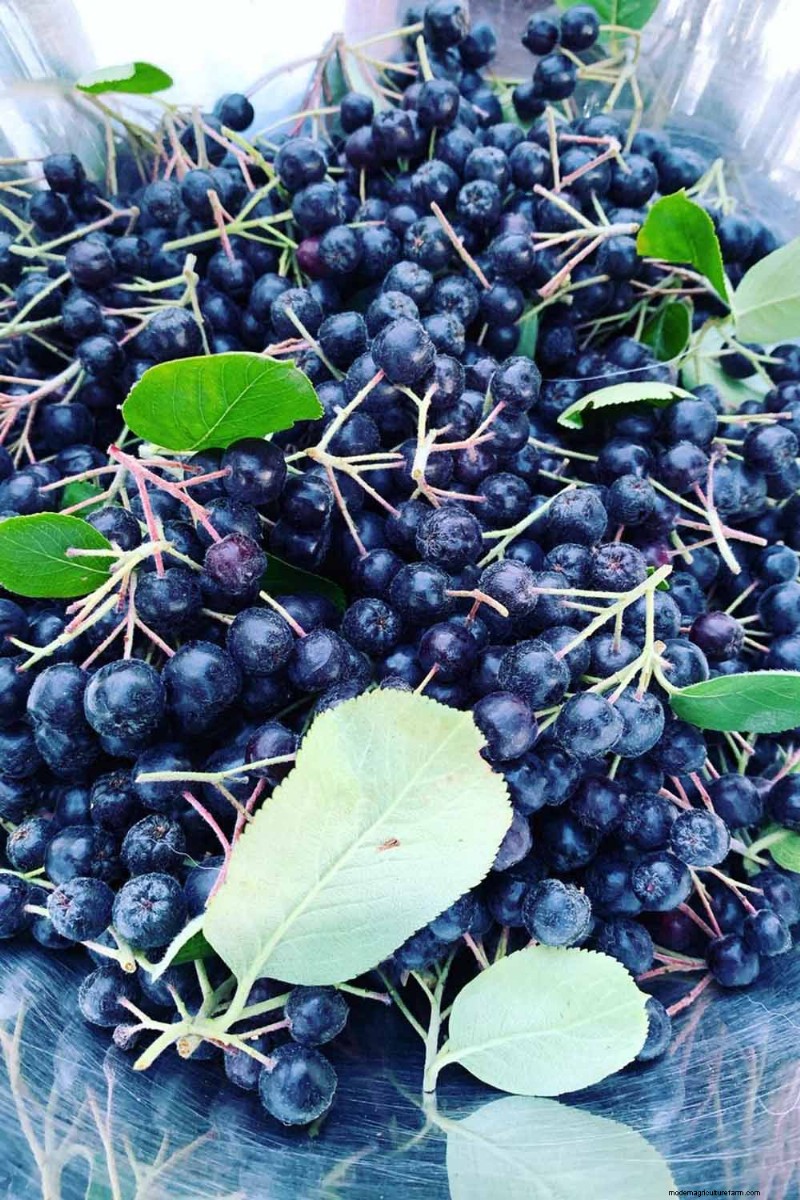
Fermentation enthusiasts can use chokeberries to flavor kombucha, craft a small‑batch wine, or create a shrub or drinking vinegar. Dried berries can be powdered for smoothies or baking, or used as a natural purple‑black colorant for icings.
Aronia offers three seasons of ornamental interest and a useful harvest. Its spring flowers attract beneficial insects—hoverflies, lacewings, and parasitic wasps—that help control aphid and mite populations elsewhere in the landscape. In wet or difficult corners where other fruiting shrubs fail, aronia is one of the few plants that truly thrives.
Do you grow aronia? Share your experiences in the comments below. For more information about growing berries in your landscape, explore our guides on:


