Welcome to Modern Agriculture!

Seeing unsightly gaps in a mature hedge can be frustrating, but with the right techniques you can restore a tidy, attractive boundary. Below is a step‑by‑step guide that draws on decades of horticultural experience to help you fill gaps in any hedge type.
Effective Strategies for Closing Hedge Gaps:
These methods are simple, adaptable, and, most importantly, they support the overall health of your hedge. Keep reading for detailed guidance on each approach and how to apply them to Leylandii, Privet, and deciduous hedges.
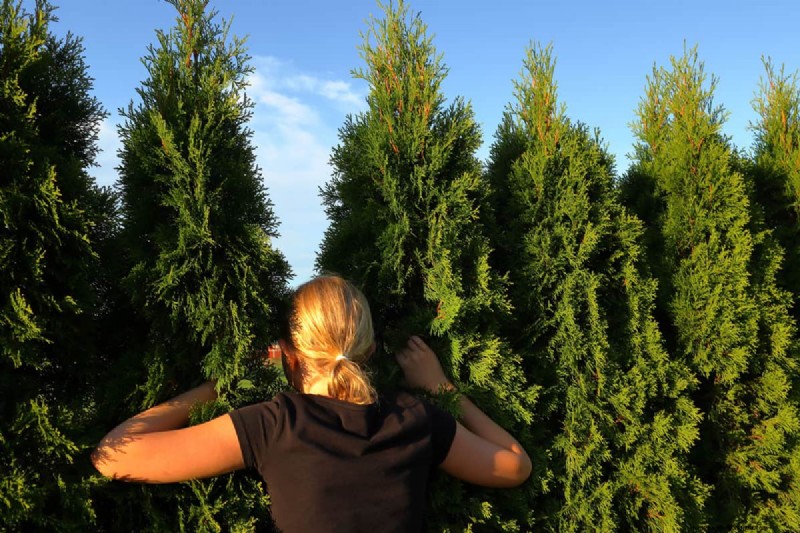
When the base of your hedge appears thin or open, plant taller, vigorous companions in front of the deficit. Larger species are essential because smaller plants won’t fill the space as the hedge is trimmed over time.
Choose small‑to‑medium flowering shrubs to fill gaps and introduce seasonal blooms. This dual benefit enhances privacy while adding aesthetic interest.
Use gentle ties or clips to redirect shoots from neighboring plants toward the gap. With consistent guidance, these branches will grow into the void, naturally closing the space.
Front‑plant or mount lightweight ornaments such as wind chimes, lanterns, or decorative stakes. These elements distract the eye from imperfections and can be swapped seasonally.
Attach vine‑friendly trellises or thin wood panels behind the hedge. When vines climb or when the structure is visible from the front, the hedge’s irregularities become less noticeable.
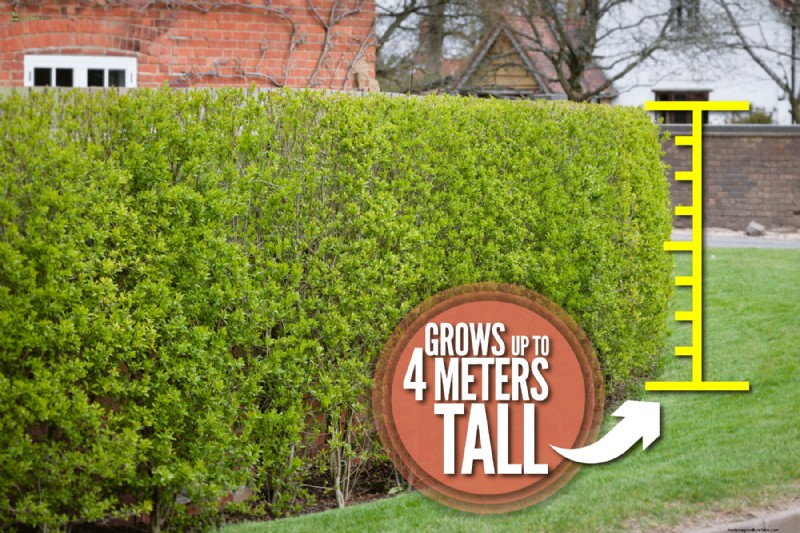
Leylandii (Leyland cypress) is prized for its rapid growth, dense foliage, and evergreen privacy. When gaps appear, consider adding companion plants that thrive under its canopy.
Recommended companions include:
Should a gap be substantial, a new Leylandii sapling can be inserted to reinforce density.
Privet offers a self‑propagating, dense hedge at a low cost. To address gaps, prop up understory companions such as:
Summer pruning of the base can stimulate new growth, helping the hedge self‑self‑propagate into the void.
For deciduous species, the best practice is to plant bare‑root or root‑wrapped specimens during the fall. This timing takes advantage of cooler temperatures and abundant soil moisture.
Common hedge layers for these species are:
Consider a short winter cut‑back to encourage vigorous regrowth from old wood.
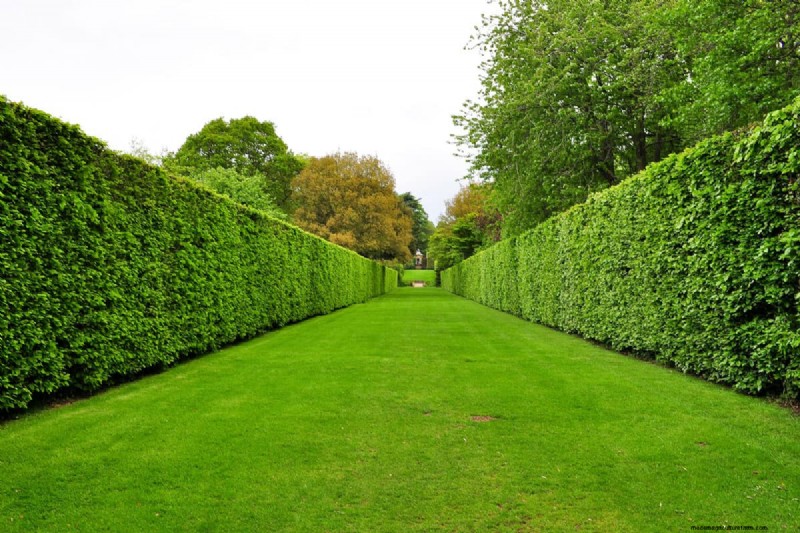
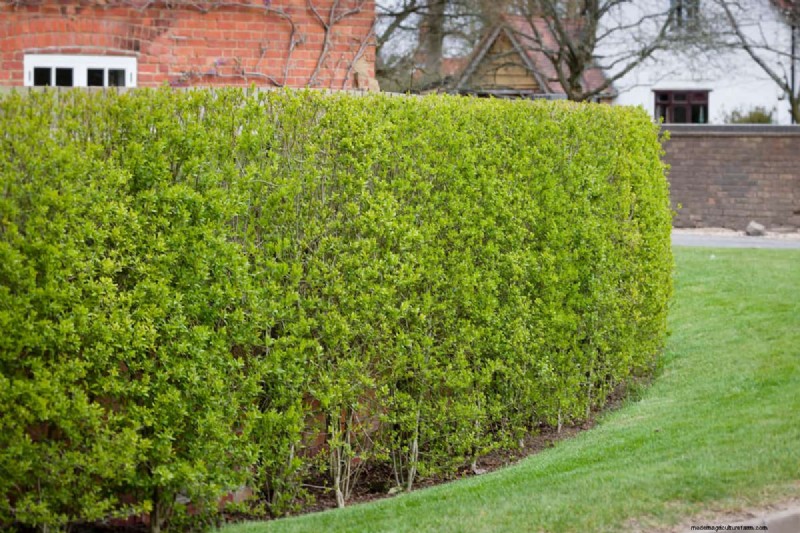
Gaps in hedges can be remedied with thoughtful plant selection, structural additions, and diligent care. By following these evidence‑based techniques, you’ll restore a dense, attractive barrier that enhances both privacy and curb appeal.
Author: Rachel Self
Rachel is a gardening enthusiast and plant curator who specialises in integrating greenery into living spaces. She enjoys discovering creative plant uses and sharing her knowledge with fellow garden lovers.
Meet the GardenTabs team →
Editorial Oversight
GardenTabs content is reviewed by Steve Snedeker, a seasoned gardener with decades of hands‑on landscaping experience.