
Welcome to Modern Agriculture!

Native to Asia and North America, poison ivy (Toxicodendron radicans) has become a common nuisance in backyards and gardens across the United States. Many homeowners wonder whether the plant simply dies off during the cold months or if it persists, posing a risk even in winter. The answer: poison ivy goes dormant, not extinct.
During winter dormancy, the plant’s leaves fall, but the oily sap urushiol—responsible for the characteristic rash—remains on stems, roots, and aerial roots. Contact with this sap can still trigger allergic reactions, so caution is essential year‑round.
For effective removal, the optimal time is after leaf fall when the plant is easier to see and less likely to be spread by wind. Always wear full protective gear: thick gloves, long sleeves, goggles, and closed‑toe shoes.
Urushiol is a light‑yellow, oily substance found on every part of the Toxicodendron family. It can persist on surfaces for months or even years, remaining potent long after the plant itself has been removed.
When urushiol contacts human skin, it binds to skin proteins, triggering an immune response that manifests as itching, redness, and blistering. While the rash is not contagious, the sap can be transferred to clothing, tools, or pets, spreading the irritation.
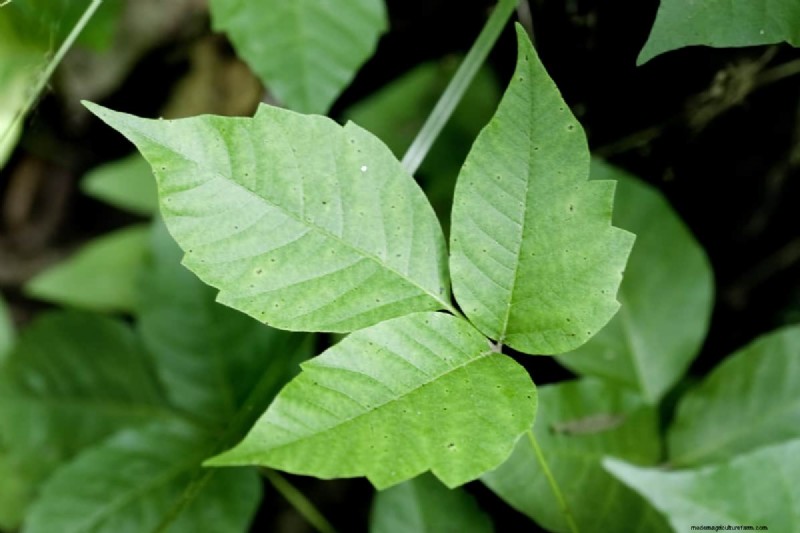
Poison ivy presents in two main growth forms: a trailing vine in the eastern United States and a shrub in the west. Regardless of form, it is unmistakable by its three‑leaf clusters, glossy surface, and smooth or serrated edges.
Eastern vines climb trees and buildings, often weaving through the canopy. Western shrubs grow upright, forming dense thickets.
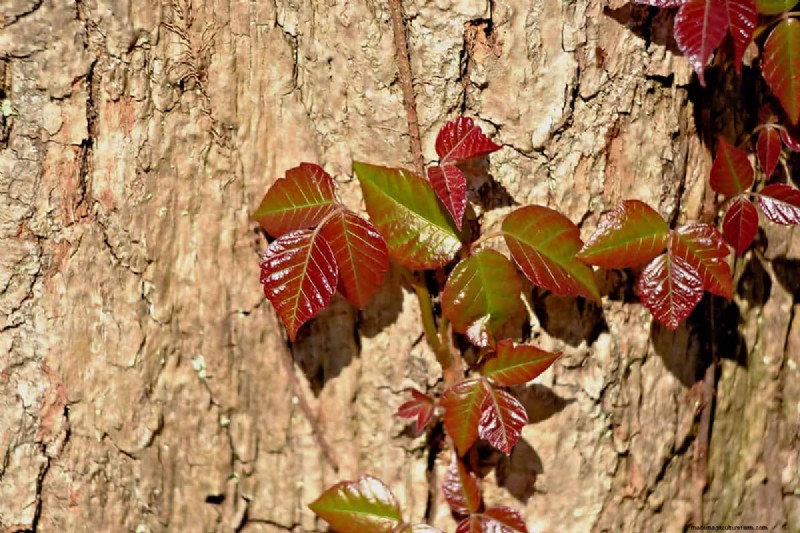
Every part of the plant—stems, leaves, roots, and aerial roots—contains urushiol. Even indirect contact, such as touching contaminated clothing or garden tools, can provoke a rash. Burned plant material releases fumes that irritate the eyes and lungs.
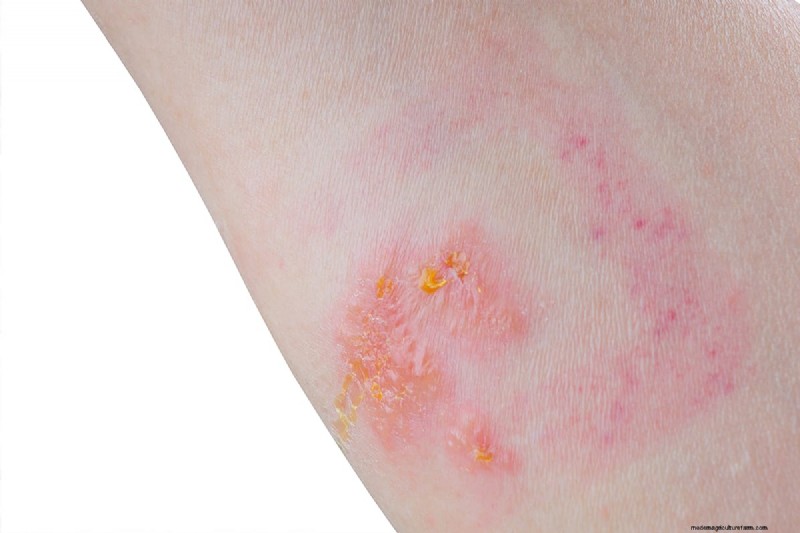
The allergic reaction, known medically as contact dermatitis, typically begins with itching, followed by red rashes and blistering. Symptoms may appear within hours to days and can persist for two to three weeks. The severity depends on the amount of urushiol absorbed.
While the rash is localized to the contact area, urushiol can linger on fabrics and tools for years, so thorough cleaning is essential.
For mild cases, try:
For extensive or severe reactions, especially in children or the elderly, consult a healthcare professional. Doctors may prescribe stronger corticosteroid creams or oral medications.
Prevention is key—never scratch the rash to avoid secondary bacterial infection.
Here are proven methods to eradicate poison ivy from your property.
Protective gear is non‑negotiable: goggles, thick gloves, long sleeves, long pants, and sturdy shoes. Consider high‑visibility clothing for added safety.
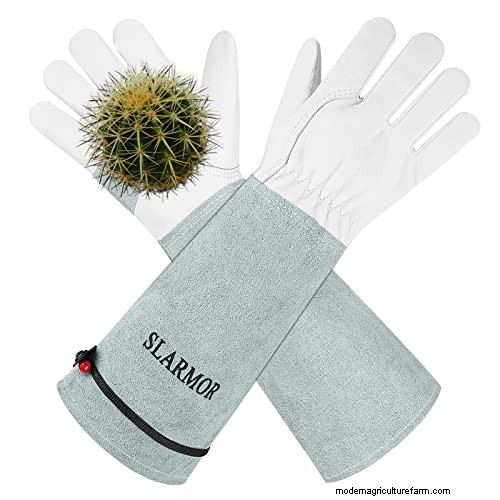
For instance, SLARMOR Long Gardening Gloves offer excellent coverage.
Identify the main stem and sever it with sharp shears, a sickle, or a knife. Allow the upper parts to wilt and die back; then dig out the root system. A salt‑and‑soap solution (1 cup salt + 1 gal water + 1 tbsp dish soap) can be sprayed on the base to disrupt the plant’s water balance. Reapply as needed.
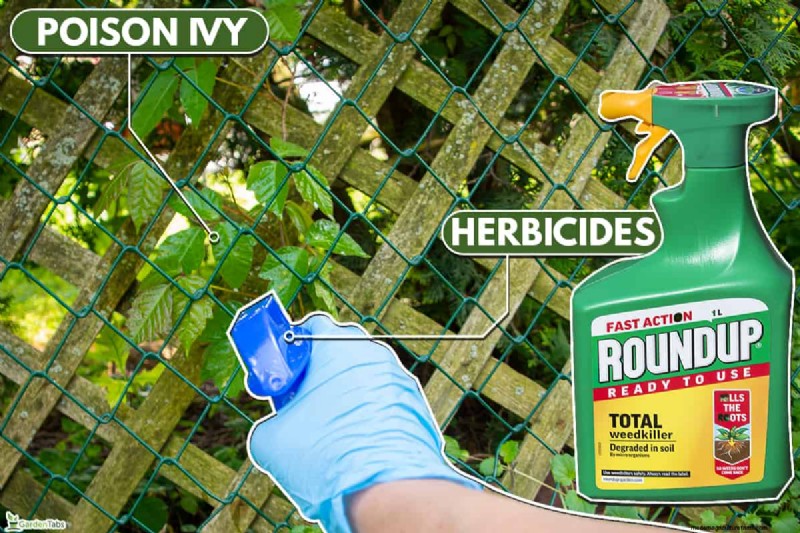
Selective herbicides containing triclopyr are highly effective but must be applied according to label instructions to avoid harming desirable vegetation and wildlife.
Poison sumac and poison oak, also members of the Toxicodendron genus, produce urushiol and cause identical reactions. They share the “three leaves” hallmark but differ slightly in leaf shape.
Approximately 85% of Americans are allergic to urushiol. Of those, 10‑15% experience severe reactions that may include blistering and open wounds.
Poison ivy may be dormant in winter, yet it remains a year‑round threat. If you encounter the plant, wash the affected area promptly, apply appropriate treatment, and seek medical advice if symptoms worsen. When possible, remove the plant to safeguard your family and pets.
Remember: Leaves of three, leave them be.
Explore more useful guides:
Written by SJ Icarro
SJ is a green‑thumbed enthusiast who delights in walks, music, food, and cats. With a passion for gardening, SJ shares her love of plants and the natural world through insightful articles.
Meet the GardenTabs team →

Editorial oversight: GardenTabs content is reviewed by Steve Snedeker, a seasoned gardener with decades of hands‑on landscaping experience.


