
Welcome to Modern Agriculture!

Garden fountains add visual appeal, yet many homeowners worry about standing water attracting mosquitoes. We consulted experts to debunk common myths.
Contrary to popular belief, properly maintained garden fountains do not become mosquito breeding sites. In contrast, neglected ponds and self‑watering gardens can evolve into mosquito hotspots.
Explore the science behind this and discover practical steps to keep fountains, ponds, and water gardens free from mosquitoes and other nuisance insects.
While mosquitoes favor wet, marshy habitats, a flowing fountain provides a different environment that discourages egg‑laying.
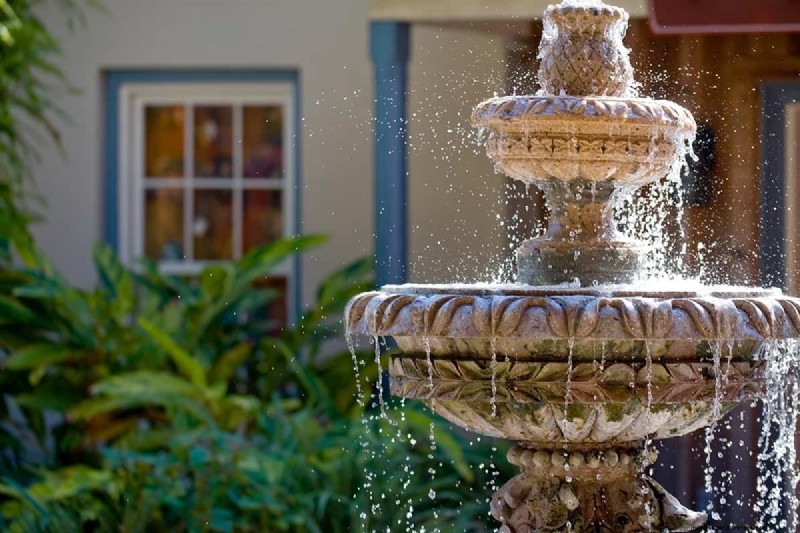
The continuous circulation of fountain water prevents the formation of a surface film—an essential step for mosquito eggs to develop—thereby thwarting larval hatching.
Introducing natural predators—like frogs or fish—can further suppress mosquito activity, as they consume emerging larvae and reduce egg survival.
Save this article & also instantly unlock today's gardening deals!
Don’t forgo a fountain because of mosquito concerns; with proper management, you can maintain a beautiful, pest‑free feature.
Mandate steady water circulation to deter egg deposition. If your fountain lacks a pump, invest in one; it energizes the flow and can transform your design into an appealing waterfall.
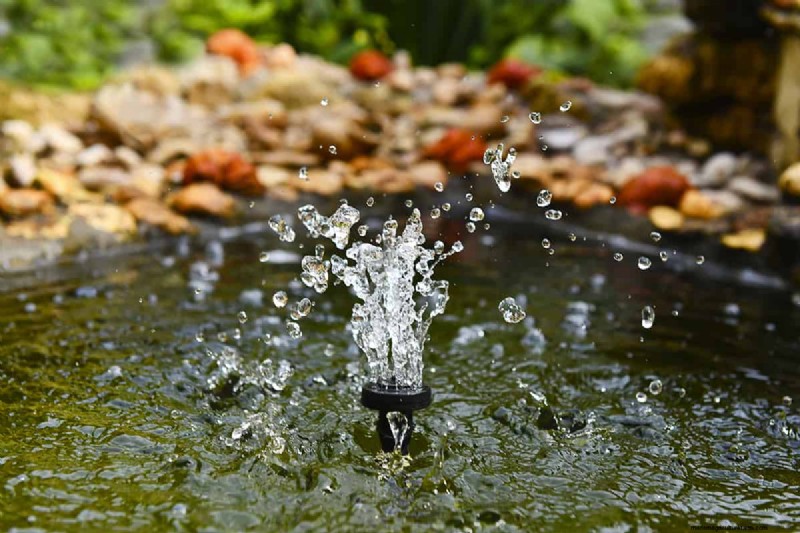
Check out this water pump on Amazon.
Routine cleaning and mandatory water changes eliminate stagnant conditions that attract mosquitoes.
Fish can consume mosquito larvae, making them an effective biological control. Choose hardy species that thrive in your fountain’s conditions. Ensure the fountain is large enough and that a functioning pump supplies adequate oxygen.
Deepening the fountain and adding steep walls reduces the available surface area, limiting the chance for larvae to establish.
When a clean aesthetic is essential, a larvicide can eliminate lingering larvae. Avoid broad‑spectrum insecticides that damage non‑target organisms like dragonflies or backswimmers.
For existing shallow fountains, alternative treatments can effectively neutralize larvae.
The most common and safe methods are:
Vinegar, at 15% acidity, is a proven “quick‑fix” that instantly degrades larval structures—an inexpensive, non‑toxic method.
Edible‑grade oils, such as vegetable or cinnamon, form a resilient barrier that prevents eggs from forming. They also provide a pleasant aroma.
BTI mosquito dunks deliver a harmless yet potent defense, neutralizing larvae without affecting pets or humans.

Click here to buy the BTI mosquito dunks on Amazon.
Soap‑based solutions can eliminate eggs, though large quantities may harm non‑target species.
Aerators are generally suited to larger features; for most garden fountains, a simple water pump suffices to maintain turbulence.
Once you eliminate mosquitoes in your fountain, you’ll enjoy:
Proper upkeep of a garden fountain is essential; cleanliness prevents parasites and pests.
Establish a routine schedule tailored to your fountain’s size, or hire a professional if you lack the time or inclination. A well‑maintained fountain enhances your outdoor experience.
Use the following maintenance tips to get the most out of your garden fountain.
To avoid scum and debris damaging the pump, schedule quarterly cleaning. Follow the manufacturer’s guidelines for optimal performance.
Algae can become a food source for mosquitoes. Use a certified algae remover to eliminate these structures, consulting an expert if your fountain hosts other aquatic life.
Ensure the pump remains fully submerged; exposure reduces its effectiveness and allows eggs to form. Monitor water levels seasonally to maintain optimal functioning.
Depending on the material—ceramic, marble, or stone—cleaning requires distinct approaches. Always drain the bowl and wipe it with a soft, non‑abrasive surface to preserve its integrity.
Because fountain water evaporates, repeated use can lead to eutrophic conditions. Conduct monthly water‑replacement cycles to keep the fountain free of larvae.
Even a small fountain can attract mosquito eggs if the water remains stagnant. Recognizing larval characteristics is key.
Mosquito larvae need 7–14 days to develop; their development hinges on intact water films. Continuous turbulence prevents hatching and reduces exposure to mosquito‑borne illnesses like dengue, malaria, or Zika.
Using chlorine or bleach in a fountain is ill‑advised; these chemicals can harm fish, birds, and degrade fountain surfaces.
Not only do they threaten aquatic life, but they also degrade ceramic or marble surfaces, leaving visible scratches.
With diligent upkeep—continuous flow, routine cleaning, and proper structure—garden fountains stay mosquito‑free, enhancing your landscape.
Here are more informative posts for your perusal:
What To Do With An Unwanted Pond? [7 Awesome Ideas!]
43 Stunning Deck Garden Ideas [Picture Post]
How Many Koi In A 1,000 Gallon Pond?
Written by Viola Adeloye
Viola is an enthusiastic writer who believes that life is a never‑ending learning experience. Her passion for research allows her to explore various topics and share her knowledge with others. With a positive outlook on life, Viola is always ready to engage in fascinating conversations with like‑minded individuals.
Meet the GardenTabs team →

Editorial oversight
GardenTabs content is reviewed by Steve Snedeker, a seasoned gardener with decades of hands‑on landscaping experience.


