Welcome to Modern Agriculture!

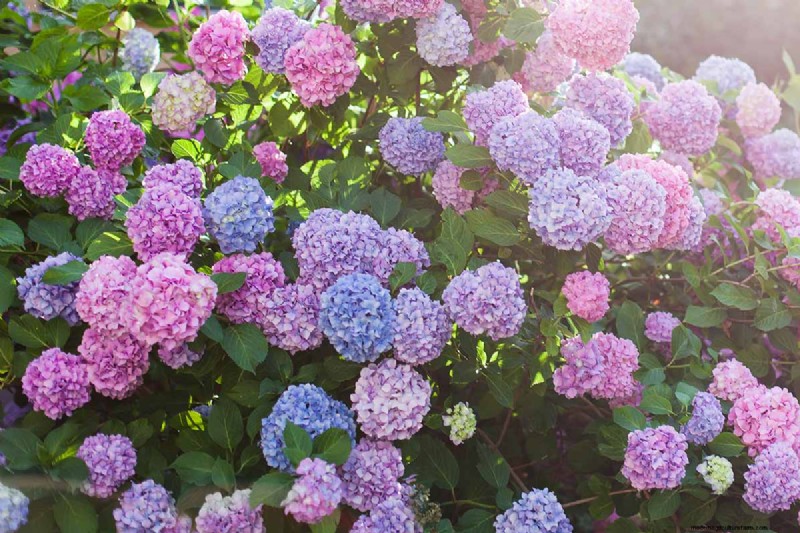
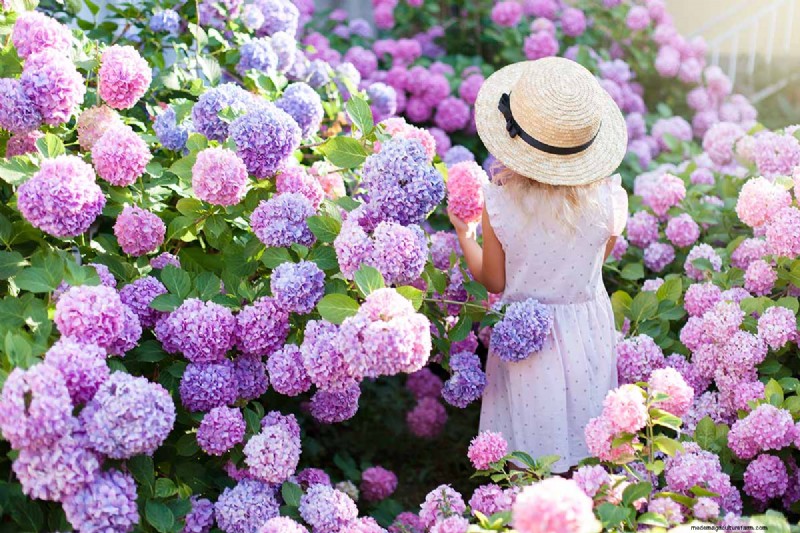
When you’re looking for a striking specimen plant that delivers dramatic, large blooms, hydrangea is the go-to choice. With spectacular flower heads in shades of blue, lime green, mauve, pink, red, and white, these shrubs add an old‑fashioned charm that commands attention.
Hydrangeas are forgiving; they tolerate a wide range of soils, bloom profusely into the fall, and many cultivars develop rich autumn foliage that enhances seasonal interest.
We link to vendors to help you find relevant products. If you buy from one of our links, we may earn a commission.
With over 80 species and countless hybrids, hydrangeas are available in a spectrum of sizes and forms—from dwarf container plants to towering climbers—so there’s a fit for every garden.
In the sections below, we’ll walk you through selecting, planting, caring, and pruning hydrangeas so you can enjoy a vibrant, long‑lived display.
Hydrangea (hortensia) belongs to the Hydrangeaceae family. Native to Asia and North America, these woody shrubs range from 3 to 10 feet tall, with some species growing as small trees or lianas that can reach up to 50 feet when trained.
Common name(s): Hortenisa, hydrangea
Plant type: Woody shrub
Hardiness (USDA Zone): 3–9 (varies by species)
Native to: Asia and North America
Bloom time / season: Spring and summer
Exposure: Full sun to part shade
Soil type: Organically‑rich, well‑draining
Soil pH: 5.2–6.2, slightly acidic
Mature size: 3–10 ft tall by 3–6 ft wide (depending on species)
Best uses: Borders, containers, hedges, privacy screens, specimens, trellises
Order: Cornales
Family: Hydrangeaceae
Genus: Hydrangea
Species: Arborescens, macrophylla, paniculata, petiolaris, quercifolia, serrata
The name derives from Greek, meaning “water vessel,” a nod to the plant’s affinity for moisture and its seed capsule shape.
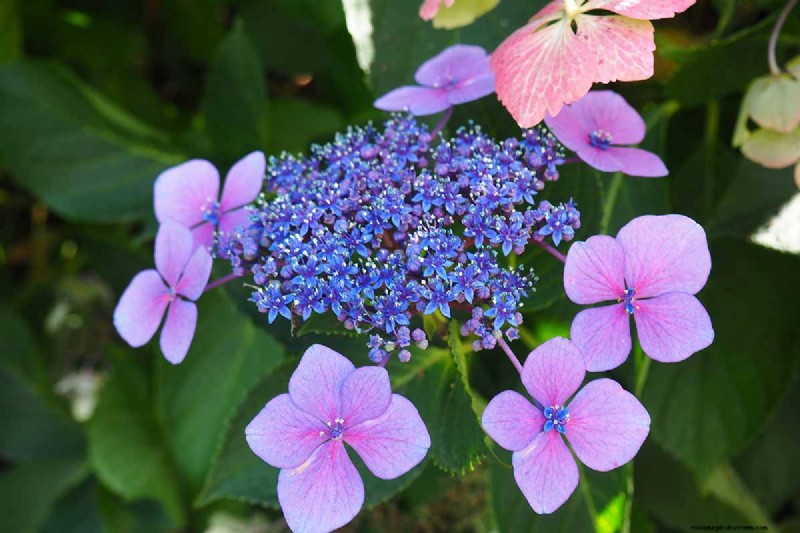
While most hydrangeas bloom in blue, mauve, and pink, shades of lime green, red, and white are also common. Flower head shapes vary—lacecaps, mopheads, panicles, and snowballs—all formed from densely packed, star‑shaped florets.
Some species are evergreen, but the majority sold in garden centers are deciduous, shedding leaves in late autumn. A few cultivars emit a faint fragrance, but most do not.
Fossil evidence indicates hydrangeas have existed for ~65 million years, underscoring their evolutionary resilience.
First cultivated in Japan, they entered Europe in the early 18th century and were introduced to North America via a colonial trade exchange.
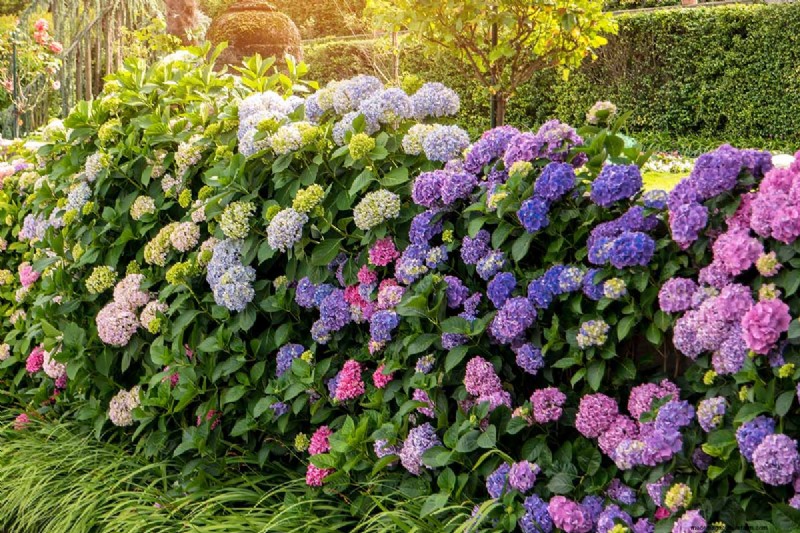
In Japanese culture, hydrangeas symbolize gratitude and apology, while Victorians associated them with vanity or polite rejection. Native Americans historically used the roots and bark for medicinal purposes—though many modern cultivars are toxic to animals and humans, so never use them for consumption.
Hydrangeas thrive best in full sun to part shade. In hot, dry conditions, the large leaves transpire heavily; if leaves wilt or droop, the plant is suffering from a water‑stress situation known as a "drought‑stress" response.
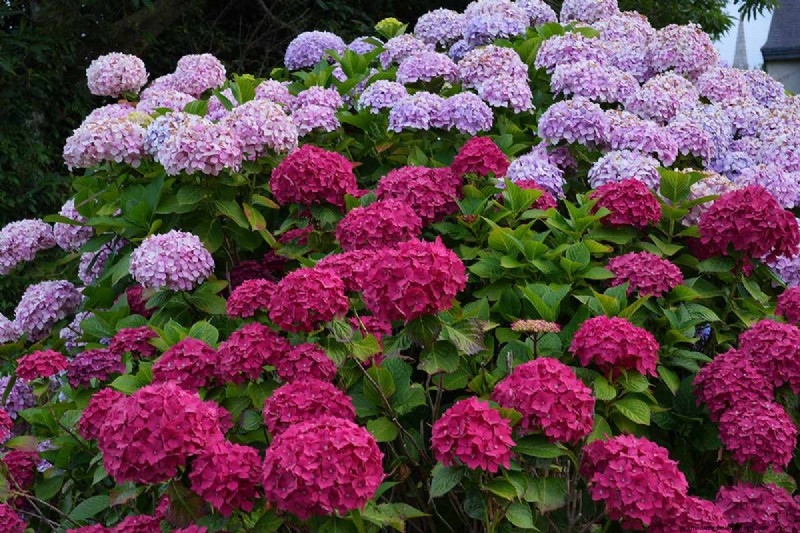
These shrubs prefer organic, well‑drained soils. When planting, dig a hole 2–3 × root‑ball width and equal depth. Amend with bone meal and loose any bound roots before setting the mandible. Backfill, water well, and mulch to retain moisture.
For container plantings, daily watering may be necessary. A 4‑inch layer of mulch will help keep roots cool and moist.
Feed early spring with a slow‑release, balanced 10–10–10 (NPK) fertilizer.
Use pots with adequate drainage and a 4‑inch layer of organic mulch. A potting mix rich in peat moss, perlite, or vermiculite retains moisture well. After planting, mix in a slow‑release fertilizer and water thoroughly.
In colder zones, provide winter protection—wrapping with burlap or landscape fabric can guard against sudden cold snaps.
You can read more about growing hydrangea in containers here.
One of hydrangea’s most beloved traits is its ability to change flower color based on soil pH. Bigleaf (H. macrophylla) and mountain species (H. serrata) can shift from blue to mauve or pink.
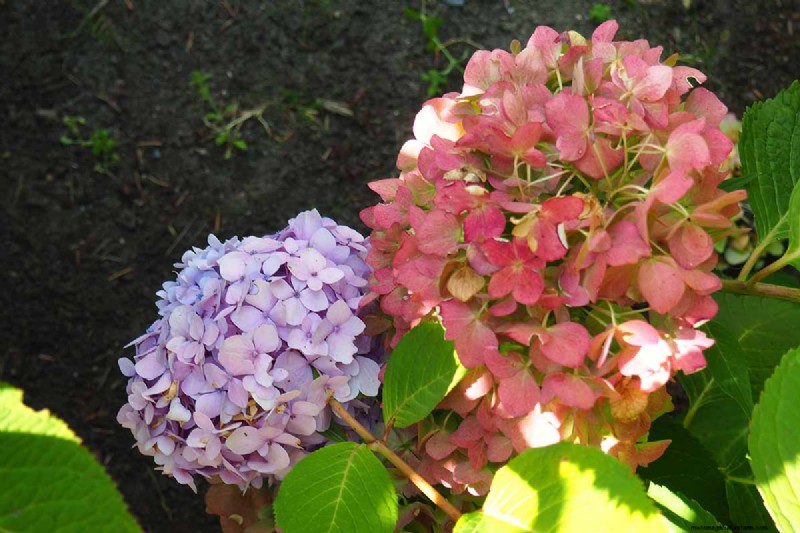
Blue blooms thrive in acidic soils (pH 5.2–5.5). To encourage blue, add coffee grounds, peat moss, pine needles, oak leaves, or sawdust—each incrementally raises acidity. For mauve to pink, slightly alkaline soil (pH 6.0–6.2) is ideal; garden lime is a quick way to raise pH.
Always test soil before planting and repeat annually to maintain desired pH, as soils naturally revert over time. Species with true white or cream flowers, such as oakleaf (H. quercifolia), retain their color regardless of pH.
These are the most commonly grown garden species in North America:
Let’s examine each in more detail:
Endless Summer® hydrangea bigleaf (H. macrophylla ‘Bailmer’) is a perennial favorite. It reaches 3–5 ft tall, 3–5 ft wide, and produces large mophead blooms in pink to sapphire. Blooming from June to September, the dark green foliage turns burgundy and scarlet in fall.
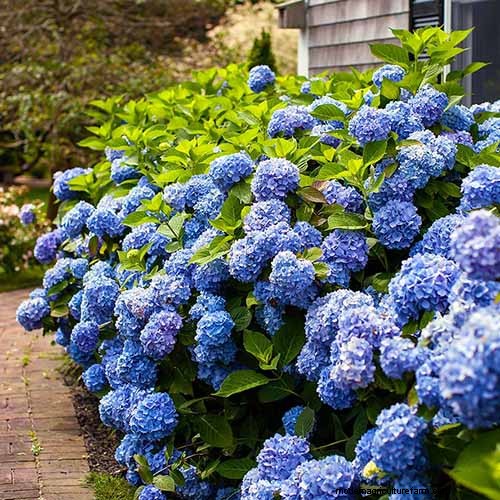
H. macrophylla ‘Bailmer’ (Endless Summer®)
Flowers form on new and old wood; prune in late summer as for old‑wood plants. Hardy in Zones 4–9, it makes an excellent foundation or specimen plant in beds, hedges, or as a focal point.
Butterflies love the blooms, and the flowers keep well in dried or fresh arrangements.
Available in 1‑ and 2‑gallon containers at Fast Growing Trees.
Climbing hydrangea (H. petiolaris) is a mandarin‑scented mandarin mandarin mandarin mandarin mandarin mandarin mandarin mandarin mandarin mandarin mandarin mandarin mandarin mandarin mandarin mandarin mandarin mandarin mandarin mandarin mandarin mandarin mandarin mandarin mandarin mandarin mandarin mandarin mandarin mandarin mandarin mandarin
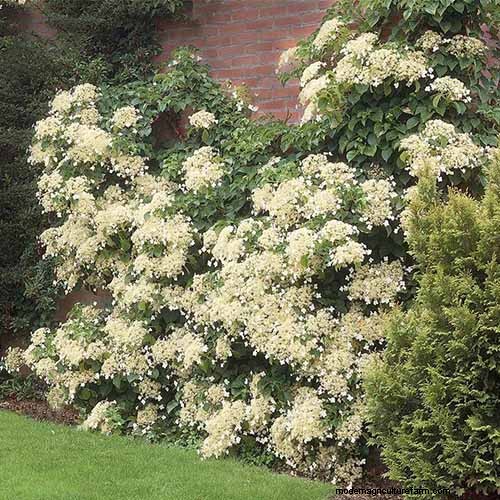
Climbing Hydrangea
Large, fragrant white lacecap blooms appear from late spring to mid‑summer. Over time, they deepen to a rich brick red, while the mandarin bark peels mandarin. The dark green foliage turns autumn yellow.
It can climb 60 ft and spread 5–6 ft, making it ideal for walls, fences, or as a ground cover on embankments and rock walls.
Hardy in Zones 4–8; it thrives in sun or shade. Available in 1‑quart and 5‑gallon containers at Fast Growing Trees.
H. serrata, or mountain hydrangea, matures to 2–3 ft tall and wide. Its dense branching habit and bright green, heart‑shaped leaves turn burgundy and magenta in fall.
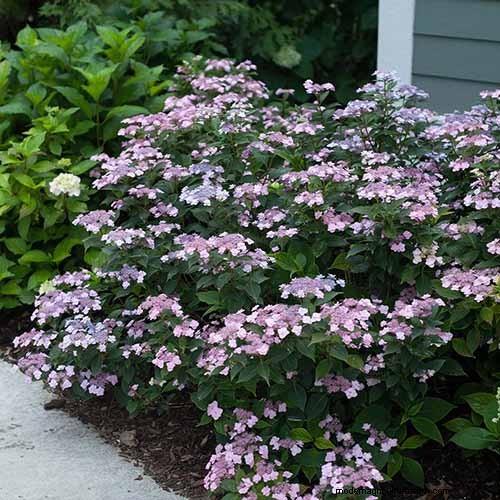
Tiny Tuff Stuff™ Mountain Hydrangea
‘Tiny Tuff Stuff’ is a cold‑hardy, reblooming cultivar that offers continuous blooms from early summer to mid‑autumn. The semi‑double lacecap pattern appears in cerise or lavender blue.
It blooms on old and new wood; prune as for old‑wood varieties. Hardy in Zones 5–9, its compact size suits containers, low foundation beds, edging, or low hedges.
Available in quart‑size containers at Fast Growing Trees.
Oakleaf hydrangea (H. quercifolia) sports oak‑shaped leaves that turn vibrant burgundy and red in fall. It reaches 6–8 ft tall, 6–8 ft wide, and is hardy in Zones 5–9.
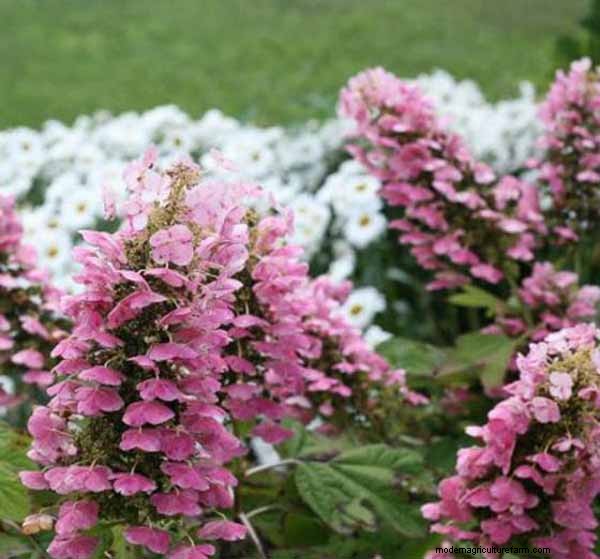
‘Gatsby Pink’ Oakleaf Hydrangea
‘Gatsby Pink’ produces large coral‑pink blooms from mid‑summer through autumn, thriving in afternoon shade in hot climates. Use it as a foundation or specimen plant, in hedges, or in woodland settings. Its long‑lasting flowers are great for fresh cut arrangements and drying.
Available in quart‑size containers at Nature Hills Nursery.
Learn more about growing oakleaf hydrangea here.
Panicle hydrangea (H. paniculata) boasts towering flower clusters. Strawberry Sundae® (‘Rensun’) is a compact variety that grows 4–5 ft tall, 3–4 ft wide.
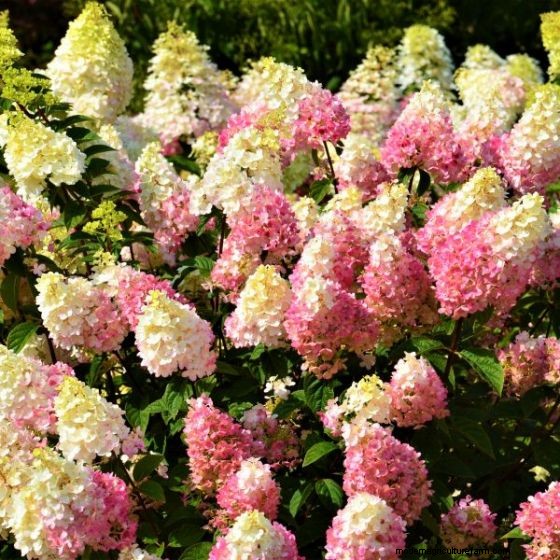
Strawberry Sundae® Hydrangea
The plant produces creamy white flowers that shift to pink, then bright strawberry red as they age. New‑wood blooms require spring pruning, cutting back to the ground or 1–3 ft for taller growth. Hardy in Zones 3–8, its colors linger into autumn, attracting butterflies and pollinators.
Ideal for large containers, small gardens, hedges, or as a striking middle layer in mixed beds. Available in 2‑size containers from Nature Hills Nursery.
Or read more about growing panicle hydrangea here.
Smooth hydrangea (H. arborescens) offers massive, symmetrical flower heads. It grows 4–5 ft tall, 3–4 ft wide, and is hardy from Zones 3–9.
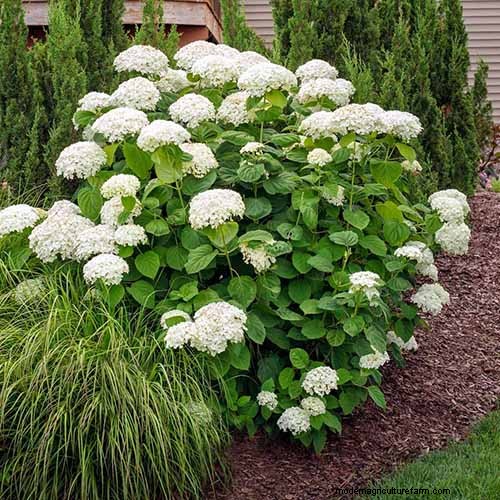
H. arborescens ‘Annabelle’
‘Annabelle’ produces huge, bright white corymbs that persist through summer, while the dark green leaves turn vivid yellow in fall. Prune in winter, cutting to ground or 1–3 ft for a robust shape.
Excellent as a foundation or specimen plant and especially effective when grouped in hedges or planted en masse.
Available in 1‑quart and 1‑gallon pots at Fast Growing Trees.
Or read more about growing it here.
Want More Selections?
If you’re planning a perennial flower garden and want a broader range of hydrangea cultivars, check out our Top 25 Hydrangea Cultivars list to narrow down the hundreds available.
Hydrangeas require minimal pruning. Once blooms fade, they dry on the stem, adding texture to fall. Cultivars that rebloom benefit from regular deadheading to encourage a second flush.
Many big‑leaf, lacecap, and mophead varieties (e.g., H. macrophylla, H. quercifolia) flower on old wood. They set buds in late summer after the current year’s blooms finish.
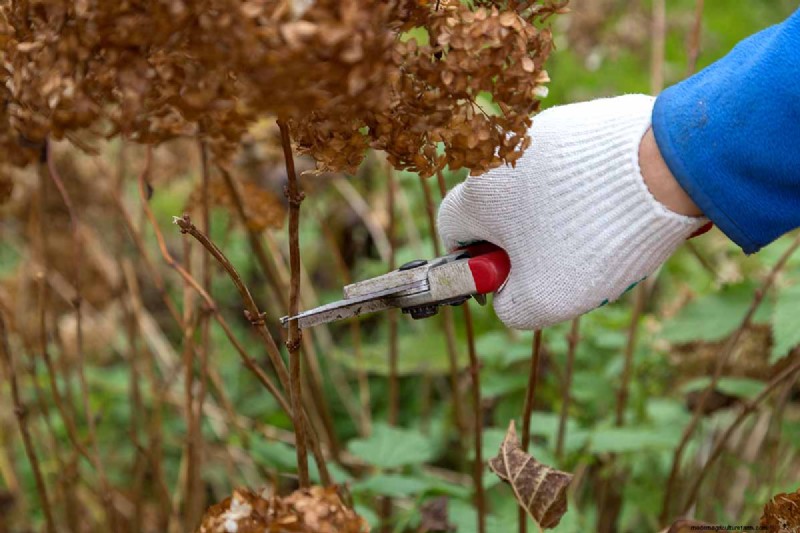
Trim lightly after flowering, cutting stems just above a pair of healthy leaf nodes. Avoid heavy pruning in winter or early spring, which removes next year’s buds.
Smooth and panicle species (H. arborescens, H. paniculata) flower on new wood. They set buds in spring and should be cut back late winter or very early spring. A hard prune to 1–2 ft encourages vigorous new growth and a strong, upright structure.
Reblooming (remontant) mopheads flower on both old and new wood. Prune as for old‑wood varieties: remove spent flowers promptly to trigger a second flush. In late winter or early spring, remove any broken, dead, or winter‑damaged branches.
While hydrangea cuttings can root in water, soil rooting is more reliable. Follow these steps:
Cuttings taken in late summer have a better chance of surviving winter if kept indoors or in a greenhouse.
To protect new outdoor plants, bury pots in a sheltered spot and cover with a dry mulch of hay, straw, or shredded leaves. For smaller pots, insulate by placing against a building foundation and covering larger pots with a blanket.
Leave top pots over winter and give occasional water during mild spells.
Read more about growing hydrangea from cuttings here.
Hydrangeas are generally hardy against disease and insect pests. Occasionally, bud blight, leaf spot, or powdery mildew may appear. Proper spacing, air circulation, and drainage help prevent these issues. Water in the morning so leaves dry throughout the day.
Aphids and spider mites can be removed with a strong hose spray on all leaf surfaces. If Japanese beetles appear, hand‑pick and discard them in soapy water or apply an insecticidal spray.
Read more about hydrangea diseases here.
If your plants aren’t flowering, consult our companion guide, 7 Reasons Why Hydrangea May Not Bloom, for potential causes.
Now that you understand hydrangea’s versatility, will you add them to your landscape?
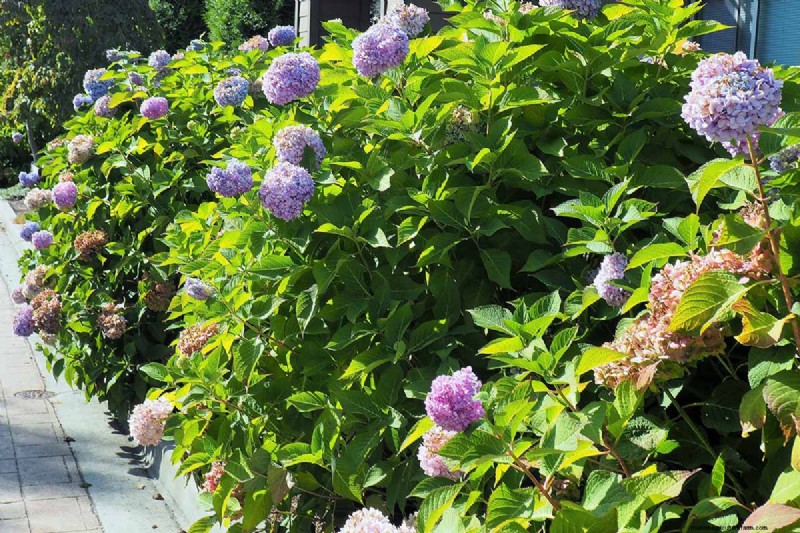
Whether you prefer mopheads, lacecaps, or compact pom-poms, there’s a hydrangea to suit any garden design. Most varieties also provide a stunning autumn color display.
Share your favorite cultivars or ask questions in the comments below.
For additional guidance on growing flowering shrubs, explore: