
Welcome to Modern Agriculture!

In early spring, cherry blossoms unfurl, magnolias open their fragrant petals, and daffodils bow in the gentle breeze.
A stroll through the woods at this time is a sensory delight, each step revealing another floral marvel.
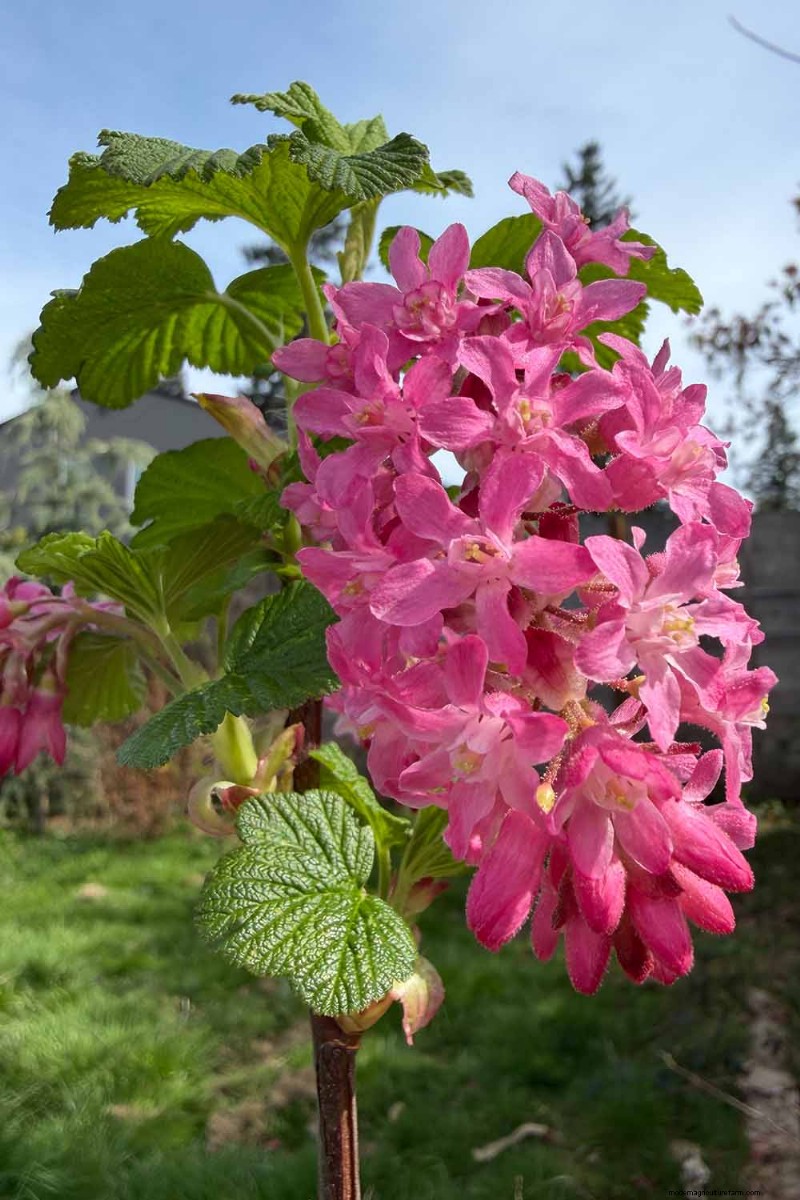
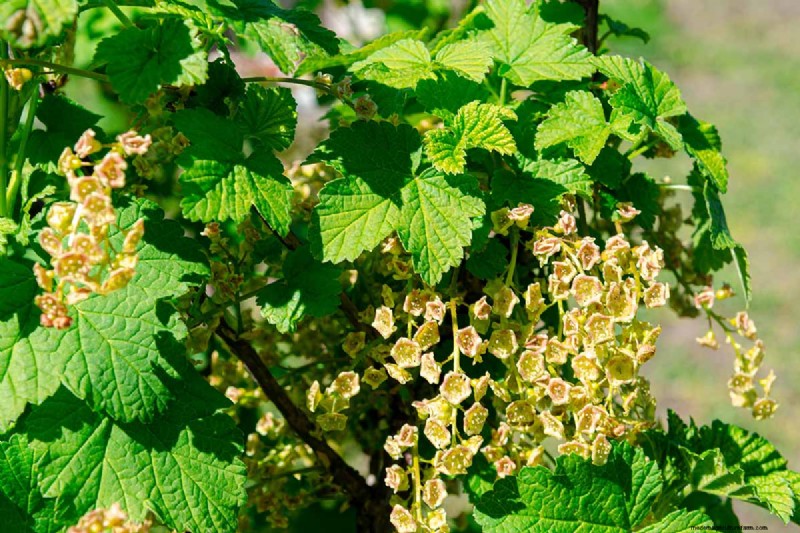
Red currants showcase a profusion of bright pink blossoms that thrive even in partial shade.
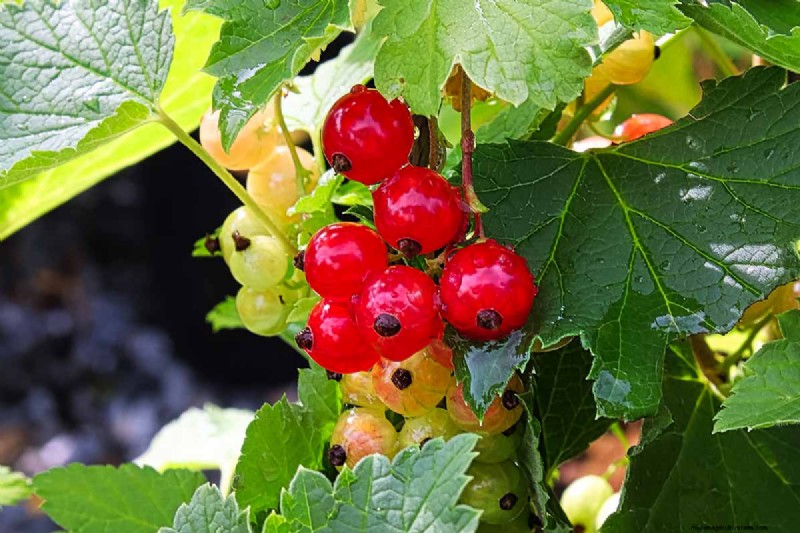
That display is only the start; within months, the blossoms transform into clusters of tart, vitamin‑rich berries.
We link to vendors to help you find relevant products. If you buy from one of our links, we may earn a commission.
Currants have historically been underrepresented in North America, largely because many states banned the cultivation of Ribes species for decades. The 1966 federal policy relaxed restrictions, but some states, including Ohio and Michigan, still impose limits. Always verify local regulations before planting.
In regions where they are legal, the blossoms and fruit of red currants offer both ornamental beauty and nutritional value.
This guide outlines every step for successful red currant cultivation, from species selection to maintenance.
The Ribes genus contains dozens of red currant species. Commercially, most are classified as R. rubrum or a hybrid, though R. patraeum, R. sativum, and R. vulgare are also common.
While these are the most frequently sold varieties, many other species exist, usually in smaller markets. In general, any Ribes with red fruit borne in long clusters is considered a red currant, though the term most often refers to R. rubrum.
Most garden cultivars are of European origin, but several North American varieties are also available. All are thornless, and most are self‑fruiting.
Common name(s): Red currants, redcurrants
Plant type: Deciduous hardwood shrub
Hardiness (USDA Zone): 3–7
Native to: North America, Europe
Bloom time / season: Spring flowers, summer fruit
Exposure: Full to partial sun
Soil type: Loose, rich, well‑draining
Soil pH: 6.0–7.0, slightly acidic to neutral
Time to maturity: 5 years
Spacing: 6 feet
Mature size: Up to 10 feet tall and 5 feet wide
Water Needs: Medium
Best Uses: Cottage garden, fruit, ornamental, wildlife
Order: Saxifragales
Family: Grossulariaceae
Genus: Ribes
Species: Patraeum, rubrum, sativum, vulgare
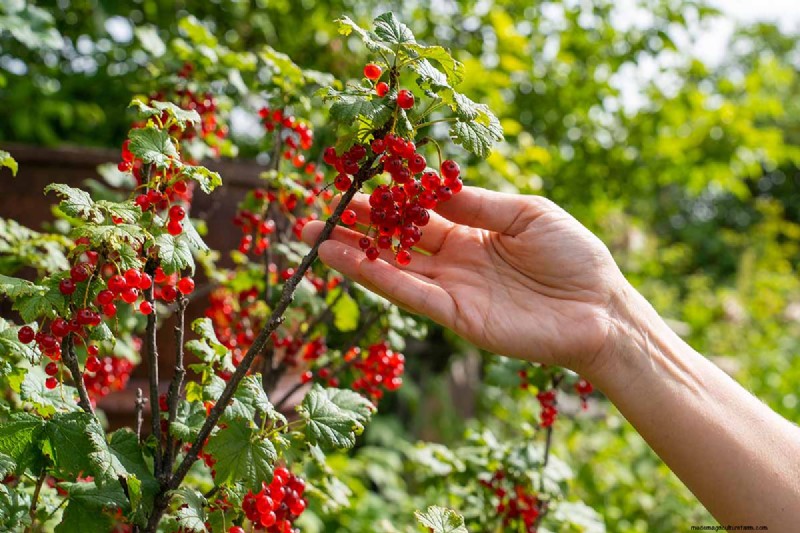
The fruit appears in medium to large, dangling clusters known as "strigs." The color ranges from pale pink to a deep red that can appear almost black. Tart in flavor, red currants are best enjoyed in jams, jellies, sauces, or savory dishes, rather than eaten raw. As ornamentals, they add vibrant blooms, striking fall color, and evergreen foliage to any garden.
Red currants are closely related to gooseberries, and some experts argue that North American currants are more genetically similar to gooseberries than European species.
Hardy in Zones 3 to 7, with some cultivars tolerating Zone 2 lows and Zones 8 warmth, red currants bloom early and can be vulnerable to late frosts. Selecting a site away from frost pockets—such as a south‑facing wall or a slope—reduces risk. Cool, consistently moist soil and partial shade during peak heat further protect the plants.
In humid or heavily rainy climates, ensure excellent air circulation to prevent fungal issues.
In cooler regions like the Pacific Northwest or central California, full sun is acceptable. Elsewhere, a brief period of afternoon shade—an hour or two during the hottest part of the day—helps maintain vigor. Red currants tolerate nearly full shade, though you’ll see fewer flowers, fruit, and less vivid fall color.
The ideal soil is loose, rich, loamy, and well‑draining. While many gardeners will have to work with less than perfect conditions, the plants thrive as long as the soil isn’t extreme. Incorporate well‑rotted compost to improve texture and fertility. For poorly drained or sandy soils, consider raised beds or large containers (five gallons or more). The pH should be slightly acidic to neutral, between 5.5 and 6.5.
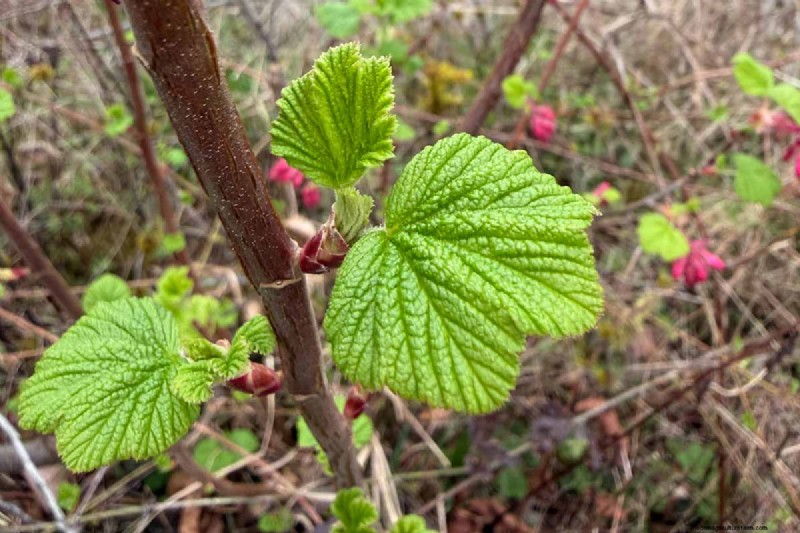
Keep soil consistently moist but not waterlogged. The surface may dry slightly, but deeper roots require regular moisture, especially during hot periods.
Red currants are nutrient‑hungry. Even in naturally rich soils, nutrients deplete over time. Soil testing every few years—via a local university extension—provides precise guidance. If testing isn’t feasible, apply a balanced, all‑purpose fertilizer in early spring, again in summer as fruit develops, and a final fall application after leaf change. Avoid direct contact with the shrub.
Down to Earth All Purpose Mix, available in 1‑, 5‑, and 15‑pound bags at Arbico Organics, is a reliable option.
Training can help maintain shape and reduce space usage. Gently secure branches to a trellis or fence as they grow, checking periodically to ensure ties don’t constrict the wood.
Mulch 2–3 inches of shredded bark or leaf litter to retain moisture, suppress weeds, and add nutrients as it decomposes.
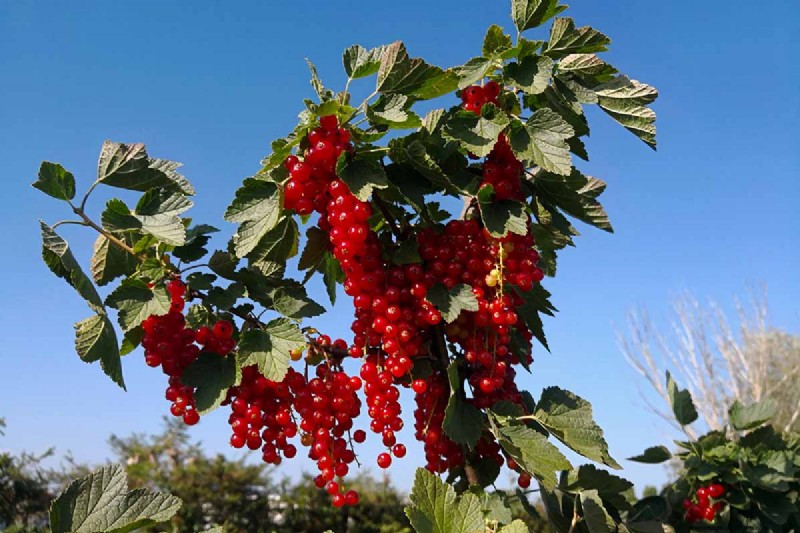
Prune in early spring before new growth. Remove broken, crossing, or low‑growing branches, and discard branches older than three to four years. This encourages vigorous, fruit‑bearing growth.
Select a species native to your region to maximize adaptability and support local pollinators.
A hardy, drought‑tolerant shrub, Alpine red currant is cold‑hardy to Zone 2 and excels in harsh conditions. It grows about five feet tall and wide, producing flavorful fruit and dense foliage suitable for privacy screens. However, it requires a male plant for fruiting. Available at Nature Hills Nursery.
‘Red Lake’ is a four‑to‑five‑foot shrub bearing long clusters of medium to large berries. Known for powdery mildew resistance and vigorous growth, it earned the RHS Award of Garden Merit in 1993.
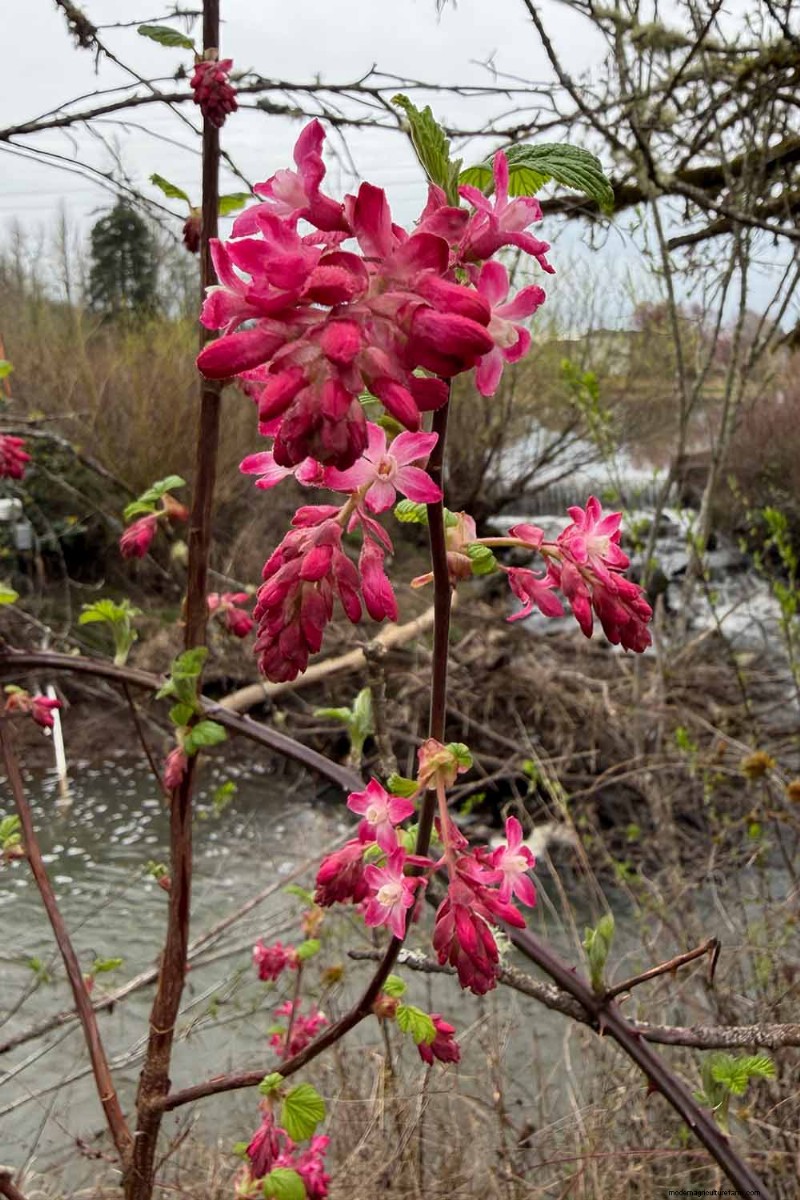
Common in the Pacific Northwest, this species blooms with vibrant pink, magenta, or red tubular flowers. Berries appear late summer, followed by colorful foliage that persists after most other plants have dropped. It thrives in full sun to partial shade and is drought‑tolerant. Though berries are mild, the plant’s ornamental value makes it a popular choice for privacy screens.
‘Rovada’, a Dutch‑bred R. rubrum cultivar, delivers high yields of large berries on a compact, four‑foot shrub. Resistant to leaf spot, it received the RHS Award of Garden Merit in 2019.
‘Stanza’ is a reliable bearer of medium‑sized, flavorful fruit. Growing to about six feet tall and five feet wide, it flowers late, avoiding late frosts. It also earned an RHS Award of Garden Merit in 1993.
Seed propagation is possible but unpredictable; many seedlings fail to mature. For reliable results, use cuttings. Stratify seeds for three months in moist sand and germinate in potting soil under grow lights or full sun. Keep seedlings moist, harden them off, then transplant.
In spring, before flowering, select pliable branches with abundant buds. Strip all but one leaf, cut into six‑inch sections, and root. Place cuttings three to four inches deep, keeping two‑thirds of the stem above soil. Maintain moisture but avoid waterlogging. After the first growth‑stabilization (the "cutting‑first‑harvest" or "crown‑first‑harvest" period), the new plant is ready for long‑term cultivation.
Nursery‑grown red currants are available as transplants. Dig a hole equal to the rootball size, place the shrub at the same height as it was in the original pot, backfill, and water well. Keep soil moist during establishment.
Red currants are generally resistant to pests and diseases when positioned correctly, but several issues can arise. They serve as important food sources for wildlife, so birds and mammals may damage fruit (the "useful plant" effect). Use nets during harvest if necessary.
Aphids and scale insects are common, but usually cause minimal damage. Sawfly larvae can strip foliage if infestations are heavy. For severe problems, a spinosad‑based insecticide may be applied, following manufacturer instructions and considering impacts on beneficial insects.
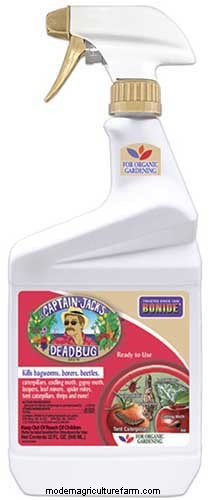
Captain Jack’s Deadbug Brew, available at Arbico Organics, offers an effective solution.
Key fungal diseases include leaf spot, powdery mildew, and white pine blister. Prevention through proper spacing, airflow, and sanitation is critical.
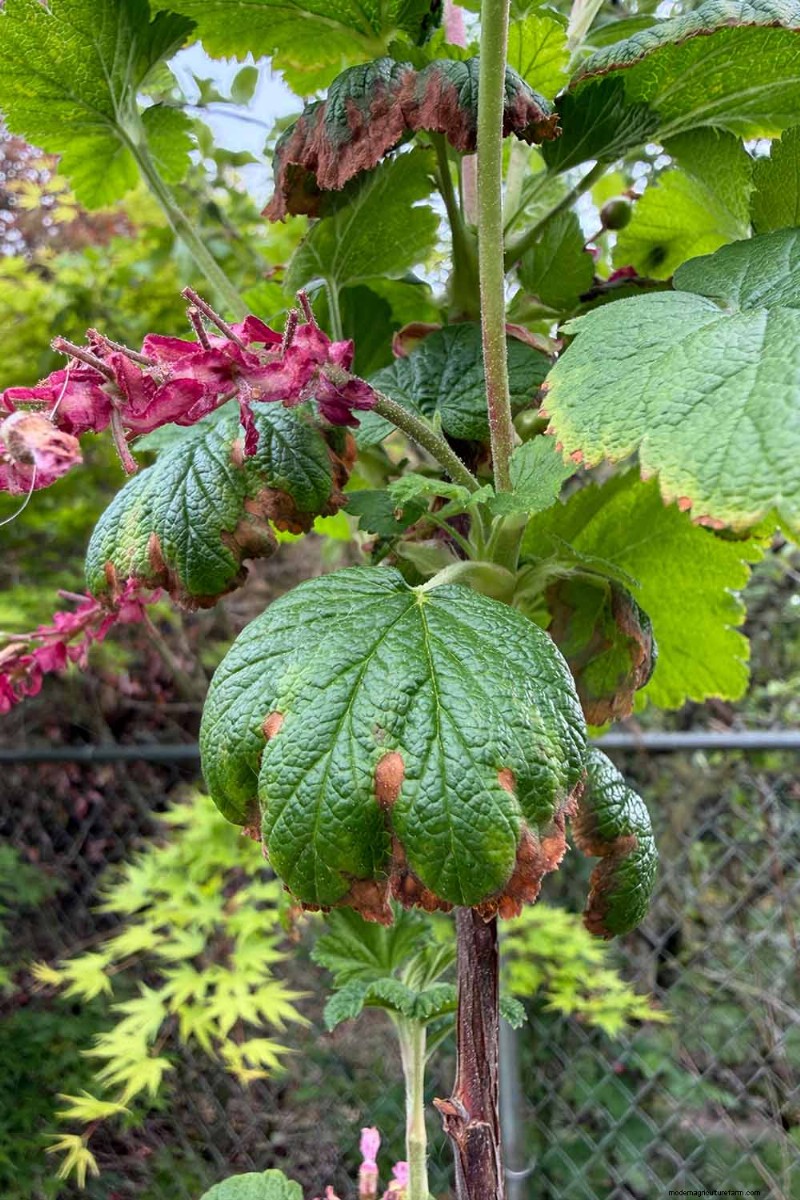
Caused by Drepanopeziza ribis, leaf spot manifests as dark brown or black spots that merge and may cause fruit to shrivel. Fungicides are ineffective; instead, remove symptomatic leaves and avoid leaf wetness.
White, powdery growth on leaf undersides is typical. Management strategies mirror those for other malformations.
Currants can host white pine blister (currant rust), which damages pine foliage but not the currants themselves. Spraying with copper fungicide in spring can reduce spread, especially if white pines are nearby.
Harvesting occurs when the fruit is at its "useful plant" stage. Since berries ripen at different times, it’s practical to pick ripe fruit or remove entire strigs, discarding unripe berries. Berries left unripe are best for making preserves.
Red currants are unsuitable for juicing due to their lack of flavor. However, they freeze well. After rinsing, cool‑down the dried fruits and store in airtight containers. Alternatively, preserve as fruit salads, cookies, or pies. Fresh berries can last a week or more in the refrigerator.
Red currants are versatile for desserts, scones, muffins, cookies, and cakes. They also pair well with yogurt, making them ideal for yogurt bowls or sauce bases. For savory dishes, prepare a sauce by simmering berries with equal parts water and vinegar, then adding sugar or vinegar to achieve the desired flavor profile.
Red currants offer striking fall foliage, lasting floral displays, and nutrient‑rich fruit. Their ability to support wildlife, combined with their aesthetic appeal, makes them a valuable addition to any garden. While black currants often receive more attention, red currants provide equally delightful fruit and ornamental value.
Share your cultivation plans or culinary uses in the comments below. For more information on berry gardening, explore our guides on marionberries, honeyberries, and Saskatoon serviceberries.


