
Welcome to Modern Agriculture!

Choosing the right fertilizer is the cornerstone of a healthy, productive vegetable garden. With countless options on the market, it can be hard to know which product will best support your specific crops and soil conditions. Our expert guide breaks down 11 top fertilizers—both organic and synthetic—so you can confidently select the best formula for every stage of growth.
Whether you’re a novice, an intermediate grower, or a seasoned horticulturist, understanding your plants’ nutrient needs—nitrogen (N), phosphorus (P), potassium (K), and micronutrients—will help you avoid common pitfalls such as nitrogen overload or blossom‑end rot. A well‑balanced fertilization plan, combined with soil testing and proper application timing, can reduce pest and disease pressure while maximizing yields.
We provide links to reputable vendors; if you purchase through these links, we may earn a small commission at no extra cost to you.
Below, we categorize each product by its ideal use case—leafy greens, root crops, fruiting vegetables, and specialty plants—along with key NPK ratios, application tips, and where to buy.
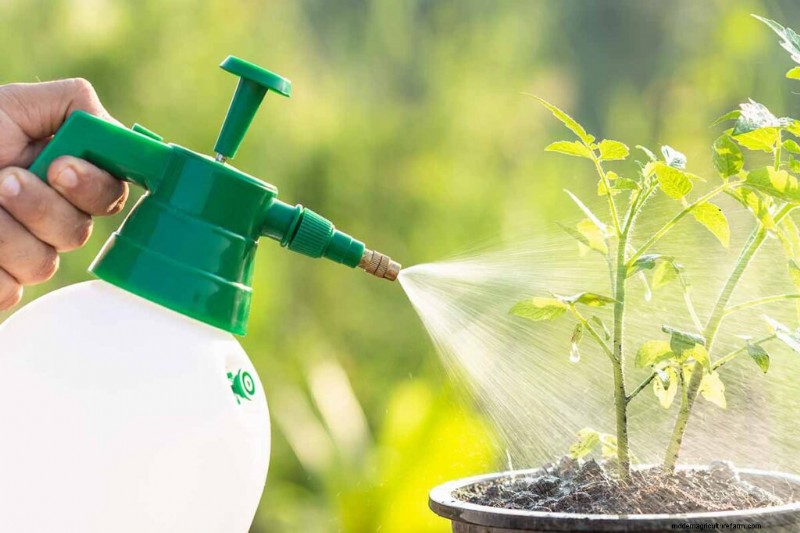
Perfect for nitrogen‑hungry leafy crops such as lettuce, spinach, and collard greens. Its high N content promotes lush foliage while the balanced P and K support root development. Fish emulsion is a liquid that can be diluted and used as a foliar spray or mixed into the soil. Because it breaks down quickly, it delivers rapid results without the risk of nitrogen buildup that can harm more mature plants.
Available on Amazon.
Worm castings supply a broad spectrum of macro‑ and micronutrients, along with beneficial microbes that improve soil structure and fertility. Though the exact NPK ratio is variable, the overall blend supports nearly every vegetable type. Castings are ideal for top‑dressing beds or incorporating into container mixes.
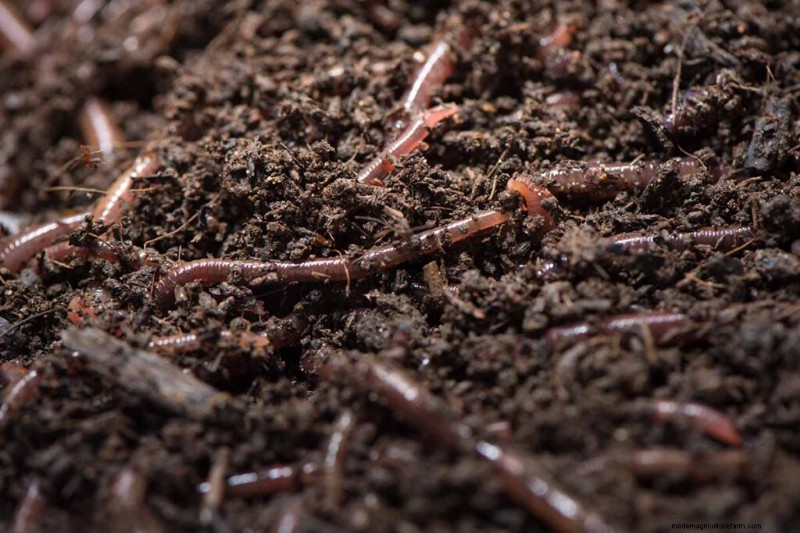
Purchase at Arbico Organics in 1, 5, 10, or 25‑lb bags.
High in nitrogen and phosphorus, bone meal is especially beneficial for alliums (onions, garlic) and early‑season fruiting crops. It enhances root strength and early growth. Use a low‑N fertilizer later in the season to shift the balance toward fruit set.
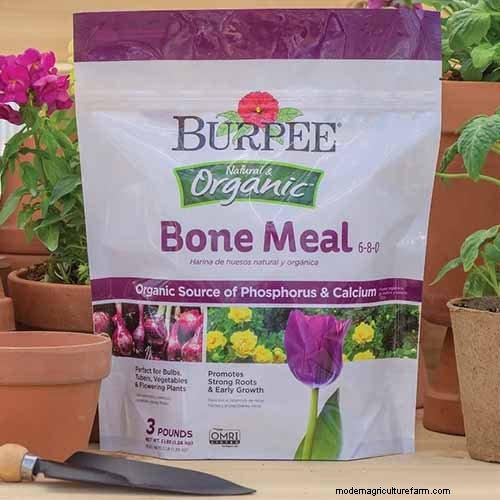
Available from Burpee; a 3‑lb bag is recommended for most beds.
Formulated for root crops and flowering bulbs, this granular blend delivers high phosphorus to encourage robust root development. It also contains organic ingredients like fish bone meal and alfalfa that improve soil structure.
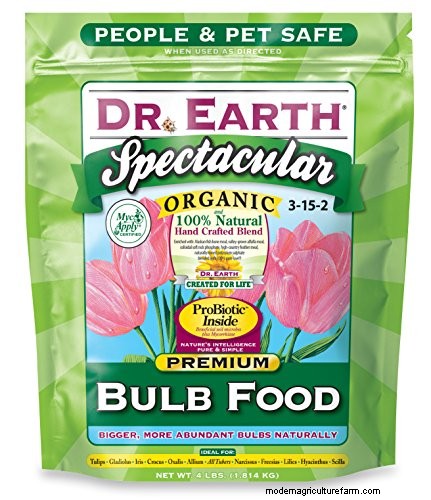
Four‑lb bags are sold on Amazon.
Ideal for acidophilic species such as blueberries, raspberries, and certain root vegetables. The cottonseed meal base raises soil acidity slightly, improving nutrient availability for plants that prefer a pH of 5.5–6.0.
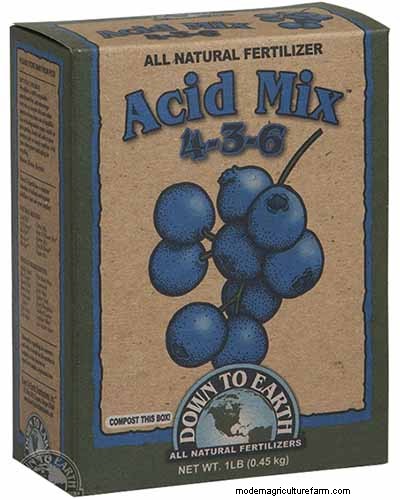
Available in 1, 5, or 15‑lb bags from Arbico Organics.
Derived from food‑industry waste, this granular blend provides a balanced NPK ratio that supports both leafy greens and nitrogen‑heavy crops like onions and broccoli.
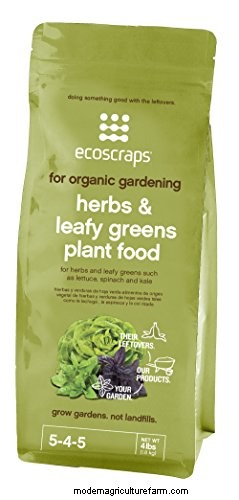
Four‑lb packages sold on Amazon.
Espoma’s slow‑release formula enriches the soil with essential nutrients and a spectrum of beneficial microbes. It’s versatile enough for cucurbits, tomatoes, herbs, and asparagus.
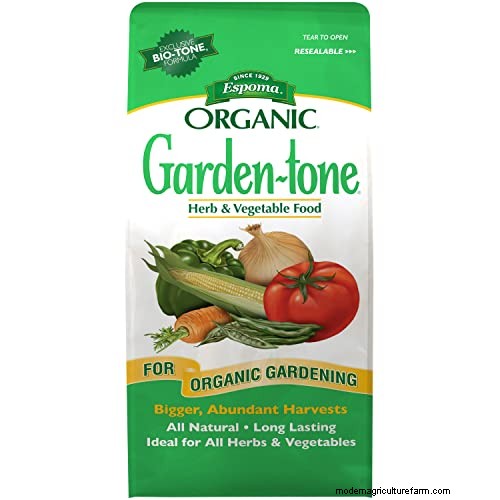
Four‑lb bags available on Amazon.
Three liquid concentrates that work synergistically: Grow Big (6-4-4) for early vegetative vigor, Big Bloom (1-3-7) for continuous low‑level support, and Tiger Bloom (2-8-4) for peak fruiting. Dilute each with water and apply at the specified growth stage.
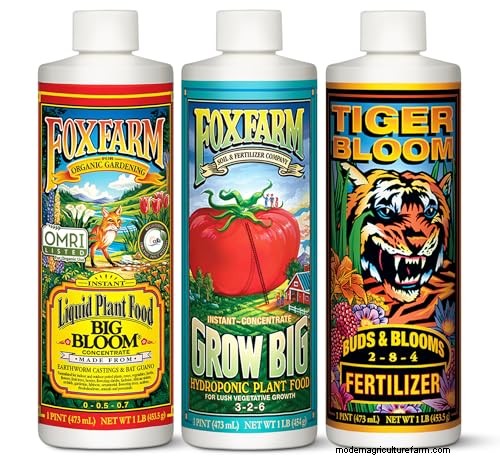
Multipack of all three is sold on Amazon.
High potassium and a cocktail of over 70 enzymes make this extract ideal for boosting plant vigor during blooming and fruit set. Spray diluted foliar or mix into the soil to improve water retention.

Available in 7‑oz, 2‑lb, or 13‑lb sizes on Amazon.
Eggshells are a natural calcium source that combats blossom‑end rot in tomatoes and peppers. Crush or pulverize before use; sprinkle over the root zone or mix into compost.
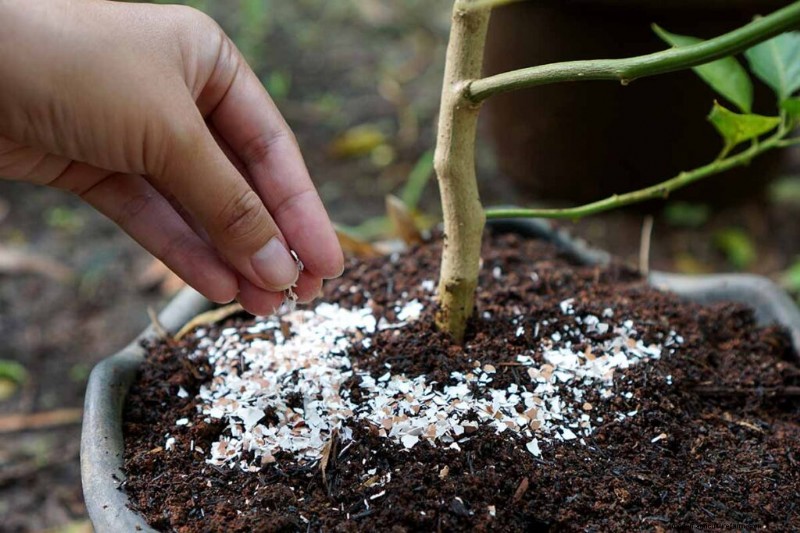
TruBlu sells one‑lb bags on Amazon.
For growers who prefer a synthetic option, Vigoro provides a slow‑release blend rich in nitrogen and calcium. It’s particularly useful for leafy crops and tomatoes, preventing blossom‑end rot while supporting vigorous growth.
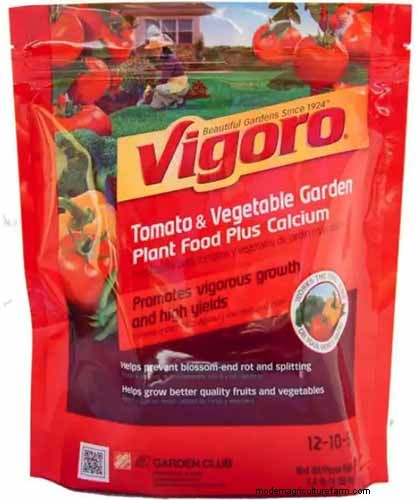
Three‑and‑a‑half‑lb bags are sold at Home Depot.
A successful fertilization plan starts with a soil test to determine existing nutrient levels and pH. Apply a pre‑plant base of an organic or balanced fertilizer, then adjust with targeted products as your crops progress. Consistency is key: follow label instructions for timing, dilution, and dosage to avoid nutrient burn or deficiency.
Have questions or need personalized advice? Drop a comment below—we’re happy to help. Share what you’re growing this year and show us your results!
For more in‑depth care tips, explore:


