
Welcome to Modern Agriculture!

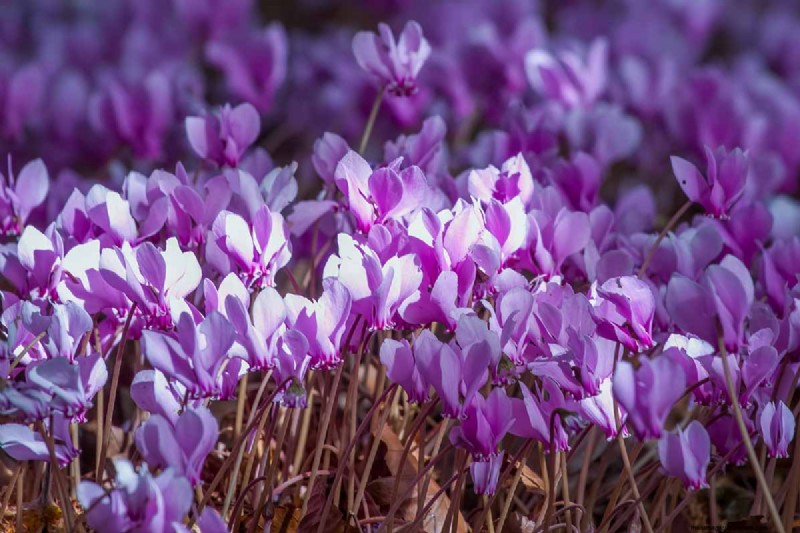
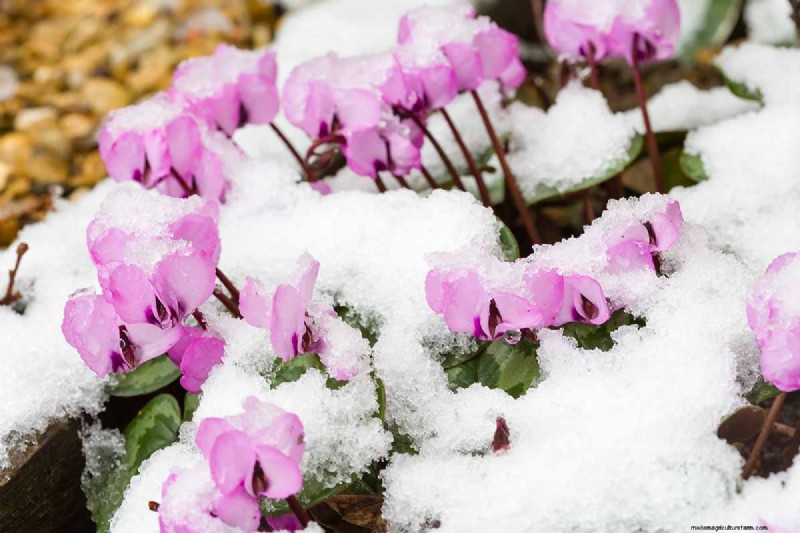
Hardy cyclamen (Cyclamen spp.) are celebrated for their striking, fairy‑winged flowers and elegant foliage. Their bright, upswept blossoms provide a splash of color during the cold, dark winter months, making them a favorite for low‑lying, shade‑filled gardens.
The flowers are sweetly scented, offering light floral, honey, or spicy notes. Upright, nodding clusters in shades of pink, purple, red, and white emerge from handsome rosettes of foliage. The leaves, often frosted or variegated in silver or white, create an eye‑catching contrast against the surrounding landscape.
As tuberous perennials, hardy cyclamen spread slowly at first, but within a few years a charming drifts of color begins to form—perfect for filling in spots when other plants are not in flower.
These links are provided for convenience. If you purchase through them, we may receive a commission.
Unlike the more ornamental florist varieties, hardy cyclamen species are naturally suited for alpine beds, banks, containers, edging, rockeries, and window boxes. They thrive in dry shade—yes, dry shade—and serve as excellent seasonal ground cover under deciduous trees, shrubs, and woodland fringes.
Most species go dormant and shed their foliage during the summer, with new growth emerging in late summer to early fall. This growth period, known as the "morphogenic or "severe” phase, is when the plant can best support future changes, making it an ideal time to add or correct any elements.
Following this phase, flowering typically occurs in late fall, winter, or early spring, depending on the variety—ideal for gardeners seeking durable color in low‑light conditions.
Ready for a reliable, hands‑off color source? Let’s dive into the straightforward steps for cultivating hardy cyclamen.
The Cyclamen genus comprises over 20 species, largely categorized as hardy or semi‑hardy. These plants are also known as sowbread, alpine violet, or Persian violet. Hardy varieties are suitable for outdoor planting in USDA Hardiness Zones 4‑9, while semi‑hardy types thrive in Zones 6‑11 and are best grown in greenhouses.
Most florist varieties are hybrids of C. persicum, which are cold‑tender and suited for outdoor growth only in Zones 9‑11. However, they excel indoors, making them popular houseplants. Refer to our guide to growing cyclamen houseplants for indoor care instructions.
Garden‑ready species include C. coum and C. hederifolium, with additional noteworthy types such as C. cilicium, C. purpurascens, and C. repandum. A comprehensive roundup of 15 cyclamen varieties offers details and bloom‑time options that can extend your garden’s flowering season.
Common name(s): Cyclamen, alpine or Persian violet, sowbread
Plant type: Herbaceous perennial tuber
Hardiness (USDA Zone): 4‑9 (varies by species)
Native to: Eastern and southern Europe, western Turkey
Bloom time / season: Fall, winter, early spring
Exposure: Partial to full shade
Soil type: Humus‑rich, well‑draining
Soil pH: 6.0‑7.0 (slightly acidic to neutral)
Time to maturity: Flowers in a few years from seed, one year from divisions
Mature size: 4‑6 inches tall by up to 12 inches wide
Best uses: Containers, shade gardens, under deciduous trees and shrubs, woodland fringes
Order: Ericales
Family: Primulaceae
Genus: Cyclamen
Species: Cilicium, coum, hederifolium, purpurascens, repandum
Cyclamen plants are herbaceous perennials that grow from round or patty‑shaped tubers. Mature tubers can reach up to 12 inches wide and, if planted in the right spot, may live for up to 100 years—an impressive testament to their durability.

Leaves emerge from growing points on the top of the tuber. Most species go dormant during summer, with foliage dying back—an essential characteristic known as "morphogenesis." A few species, like C. purpurascens, are evergreen and retain their leaves throughout the growing season.
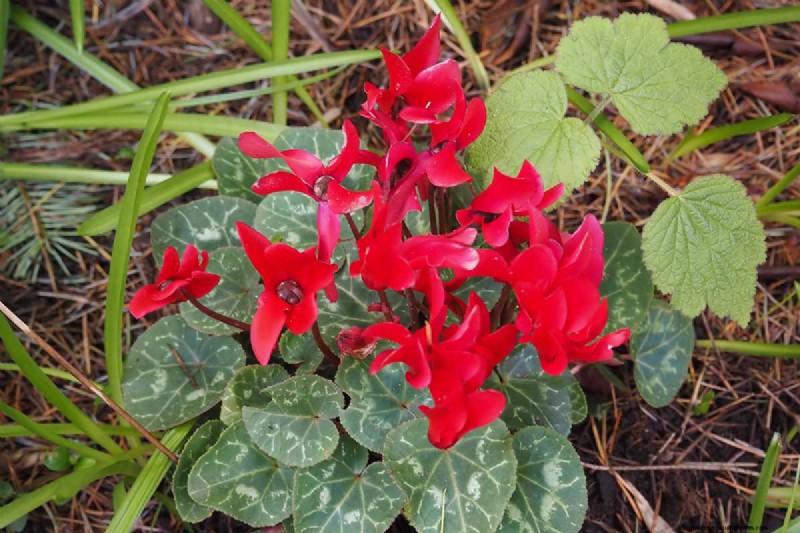
The leaves are generally rounded or heart‑shaped with a roughly triangular outline, often featuring patterns and variegations in green tones, iced in cream, silver, or white.
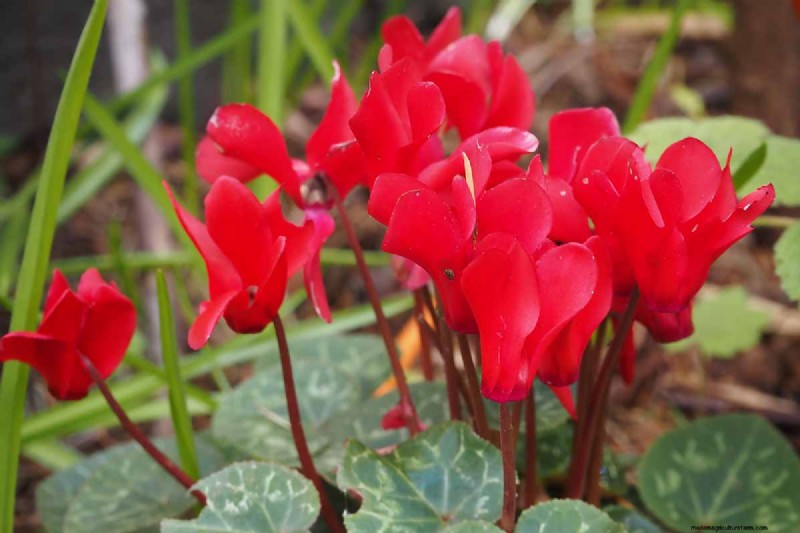
Multiple flower stalks arise from the tubers, bearing nodding, five‑petaled flowers. The recurved petals fuse at the base, giving the flowers a rounded or triangular shape that feels almost alive. Flower colors include magenta, mauve, flame orange, scarlet, pink, purple, and white.
After flowering, the stalks of many species coil around the seed pod and pull it back into the soil, creating a protective structure that helps preserve future growth.
Hardy cyclamen typically measures 4‑6 inches tall and spreads up to 12 inches wide. However, the plant contains saponins—compounds that are toxic to pets and humans. The saponins are present throughout the plant, especially concentrated in the tubers.
Despite their delicate appearance, hardy cyclamen are vigorous, easy‑to‑grow plants that can thrive with minimal care.
These tuberous perennials are best planted in late summer, fall, or even winter if the ground is not frozen. When planting, position the tuber’s top—known as the “crown”—just below the soil surface, and avoid burying it too deeply, which can restrict flowering.
Use a sharp, clean cutting tool to create a functional root system—this process is known as a "cutting, a pruning, or an "evidence-based" method of saving the plant.
Hardy varieties thrive in bright, indirect light and are commonly planted in partial to full shade. The dappled winter light beneath deciduous or mixed tree stands is ideal.
While tolerant of many soil types, cyclamen perform best in humus‑rich, well‑draining soil with a slightly acidic to neutral pH of 6.0‑7.0. Use a garden fork to loosen the soil to a depth of 12 inches, then amend with compost, leafmold, well‑rotted manure, or worm castings—adding one shovelful per plant.
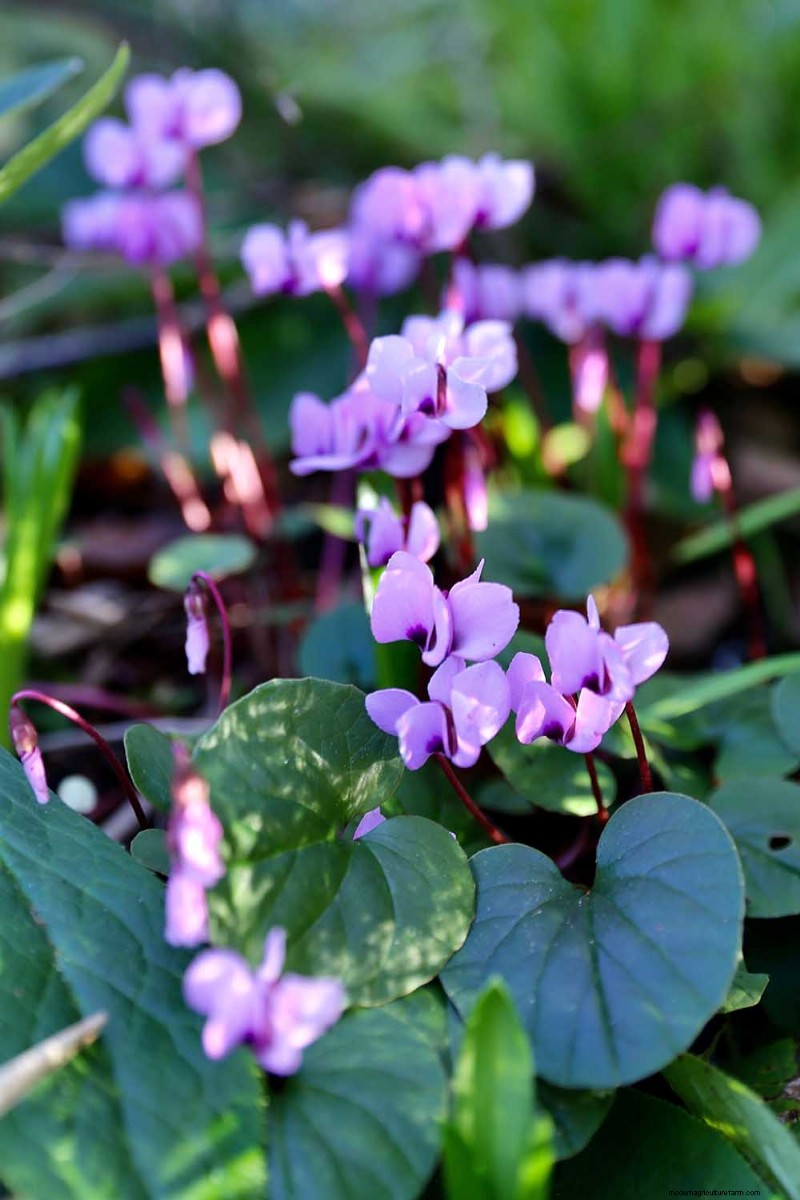
To improve drainage, incorporate gritty material such as landscape sand, crushed shells, pea gravel, or stone chips. For a nutrient boost, mix in a tablespoon of bone meal per plant, which encourages strong root growth.
During the growing season, maintain light moisture but avoid water‑logged soil, which can lead to tuber or root rot. Provide roughly one inch of water per week when the soil is dry.
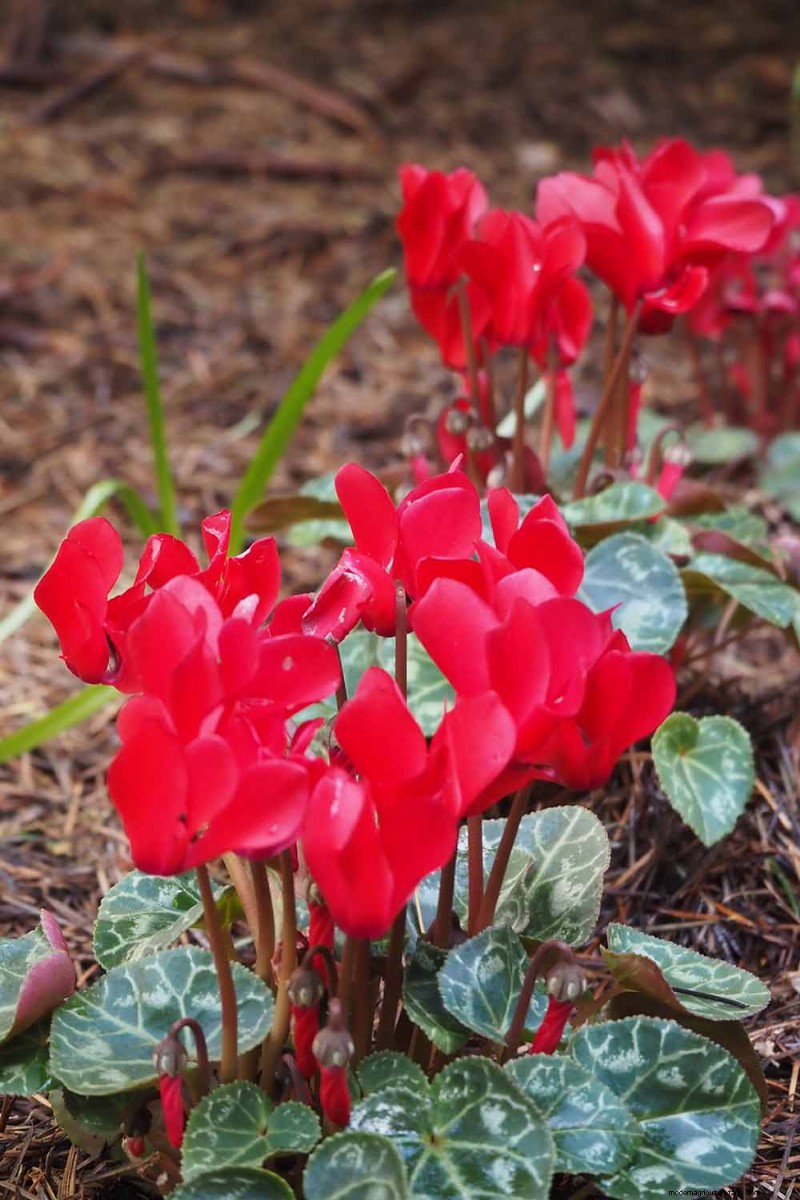
Water only until the soil dries to the touch. Excess moisture is the primary cause of root rot. During summer dormancy, water sparingly to keep the tubers healthy and prevent rot.
Hardy cyclamen favor cool temperatures and moderate to high humidity. Cold temperatures are best tolerated when the soil remains dry—good drainage is essential.
In colder climates, choose containers made from materials that can withstand freezing temperatures without damage. Pots and planters must provide ample drainage to prevent water‑logged soil.
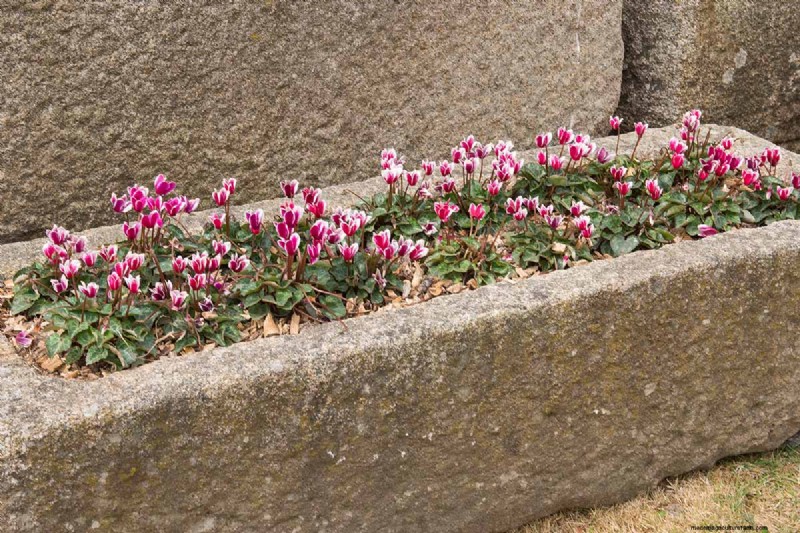
Line pots with porous materials such as broken pottery, tile shards, or shells to keep the soil from becoming soggy.
Fill with humus‑rich, well‑draining potting soil that is peat‑free, then add a tablespoon of bone meal per plant.
Plant either singly or in groups, placing the tuber’s crown just below the soil surface and backfilling after setting. Firm gently in place and water lightly to settle.
Since cyclamen grow in nutrient‑rich environments, they require little additional fertilization. For optimal results, apply a two‑inch top dressing of compost, manure, or worm castings to the root zone in early autumn after new growth is established.
Alternatively, a slow‑release fertilizer with a balanced formula can be scratched into the soil surface in autumn.

Burpee Enhanced All Purpose Plant Food
We recommend certified organic products such as the 5‑5‑5 (NPK) Burpee Enhanced All Purpose Plant Food. This product is available at Burpee.
Tubers are widely available from online bulb and garden shops, specialist bulb societies, or large garden centers during late winter and early spring.
C. cilicium is a fall‑flowering species from mountainous Turkey. It features variegated foliage and blooms in white to deep pink. This species is hardy in Zones 5‑9.
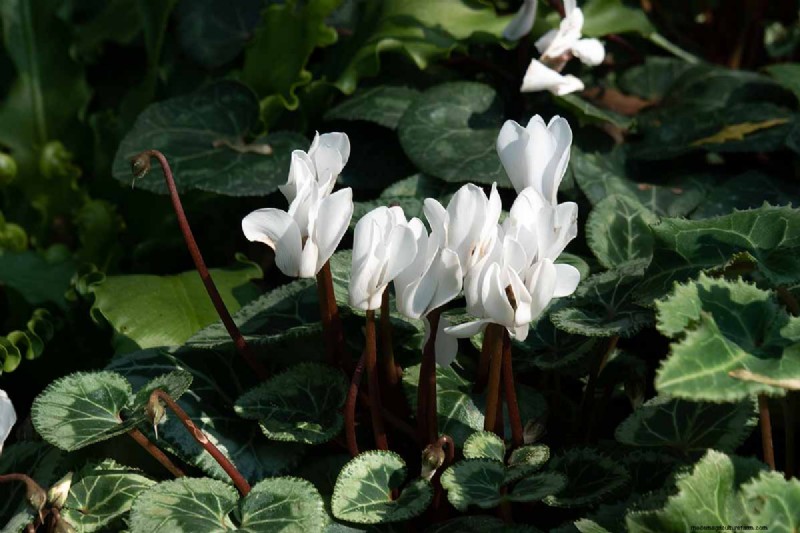
C. coum, also known as eastern sowbread, is a popular choice for its unscented white, pink, or magenta flowers that bloom through winter. It is native to coastal and mountain regions around the Black Sea and northeastern Mediterranean, and is hardy in Zones 4‑8.
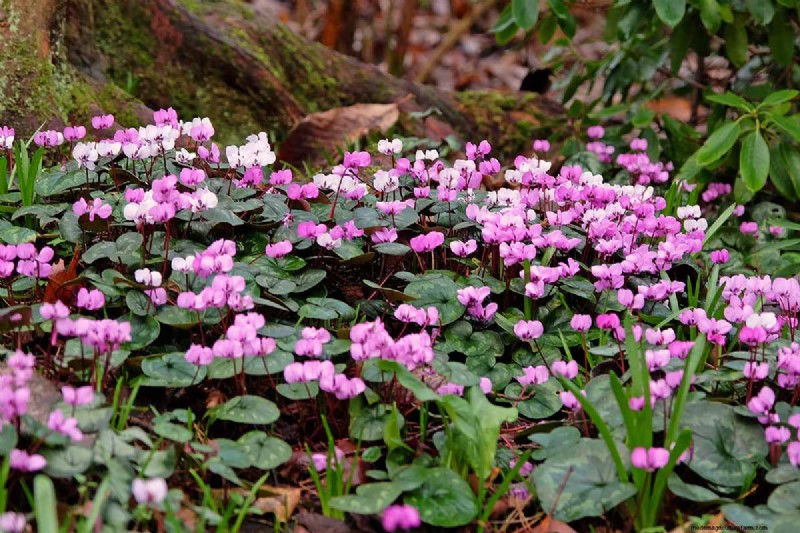
C. hederifolium—the ivy‑leaf variety—is favored in coastal climates. It produces magenta, mauve, pink, or white flowers, often with a subtle fragrance. This species is hardy in Zones 5‑9 and is native across much of the northern Mediterranean region and southern Europe.
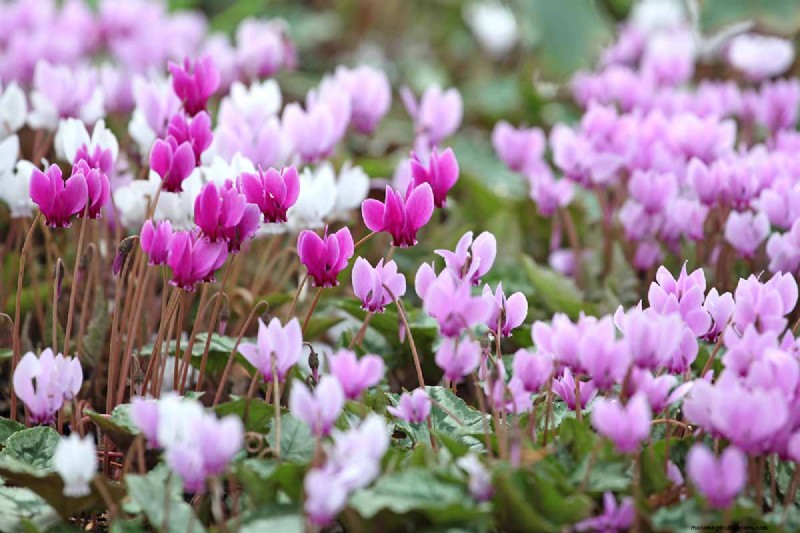
Holland Bulb Farms via Walmart offers packets of two bulbs that produce pink flowers.
C. purpurascens is a variegated charm that blooms from late summer through fall. Its sweetly scented, rosy pink to purple flowers are especially attractive in winter settings. Hardy in Zones 5‑8, it originates from central Europe, spanning the Alps, France, the Balkans, and a separate subspecies in Slovakia’s Carpathians.
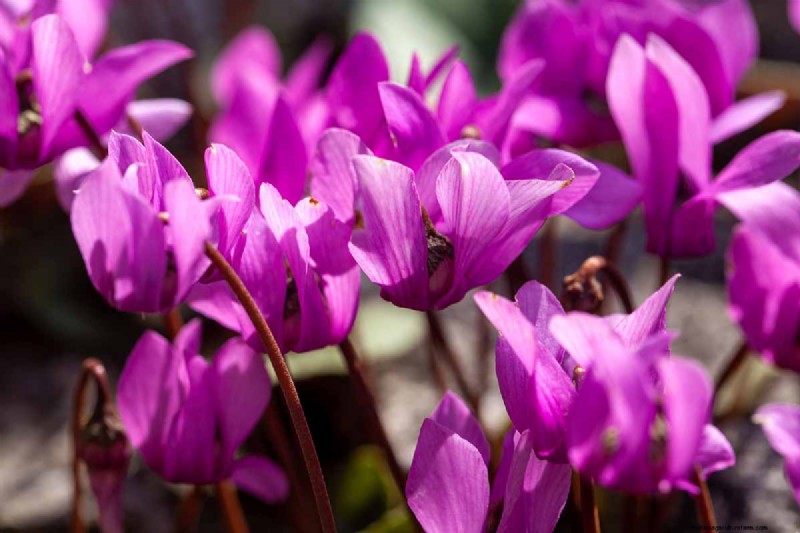
C. repandum is a spring‑flowering species known as spring sowbread. Its rosy pink to magenta flowers exude a strong, sweet perfume. Native to Italy, the western Balkans, and southern France, it is hardy in Zones 5‑9.
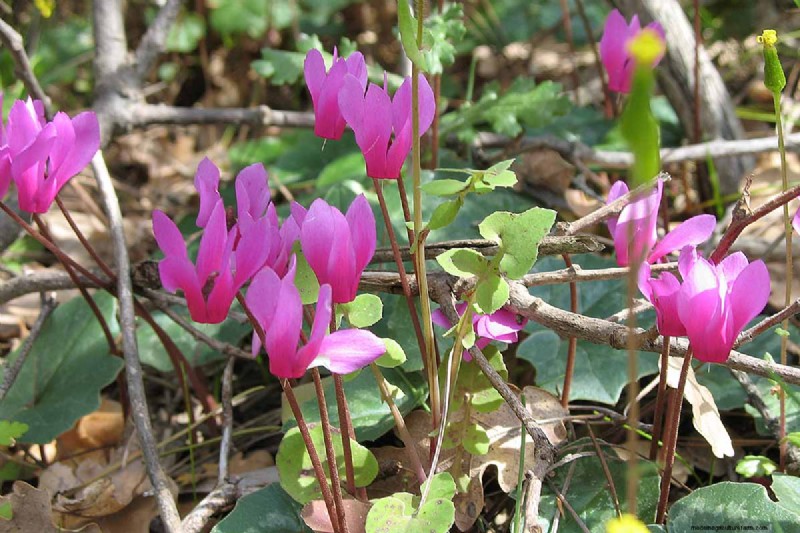
After the tubers enter dormancy, trim away any dead foliage near the crown using sharp shears. In areas prone to freezing, apply a two‑inch layer of loose mulch—shredded bark, chopped leaves, or straw—to protect the root zone.
Species plants spread slowly through tuberous self‑division. Each year, the tuber develops new growth points that support future flowers, leaves, and roots.
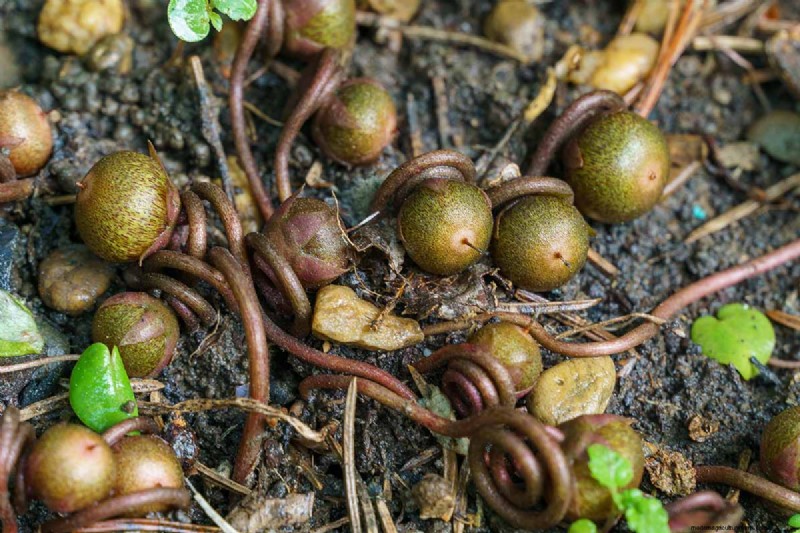
Some species self‑seed, and while it is possible to start new plants from seed indoors, this process can take several years before flowers appear. A faster approach is division, typically performed in early to mid‑fall or at the end of the plant’s dormant period.
Divided sections can produce flowers in their first year, making this an efficient way to expand your garden’s color.
Cyclamen are generally not heavily targeted by pests, but may occasionally attract aphids, mealybugs, spider mites, and thrips. Root rot remains the primary disease concern.
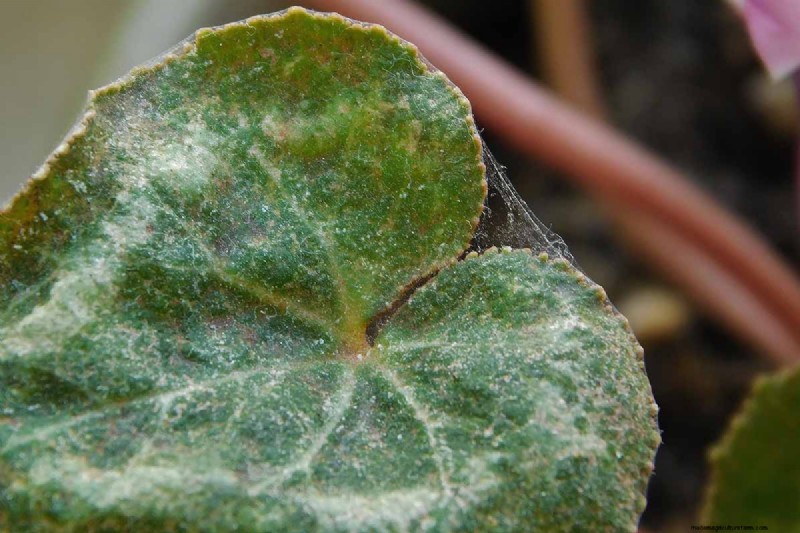
Use a strong stream of water to dislodge insects or a spray of insecticidal soap for stubborn infestations. For persistent problems, an insecticidal soap like Bonide Neem Oil—available at Arbico Organics—can be effective.

Bonide Neem Oil
Root rot is best prevented by ensuring a well‑draining site. Amend soil with grit before planting to create a durable, resilient root system.
For vibrant winter flowers in shady areas, hardy cyclamen are a reliable choice. Plant in loose, humus‑rich soil during fall and maintain light moisture throughout the growing season.
During dormancy, water sparingly to prevent rot. After new growth emerges, apply a top dressing of compost or scratch in slow‑release fertilizer.
Enjoy weeks of scented, jewel‑tone blooms in fall, winter, or early spring.
Do you have a favorite cyclamen for shade gardens? Share your experience in the comments below.
Explore additional winter flower ideas in our guides:


