
Welcome to Modern Agriculture!

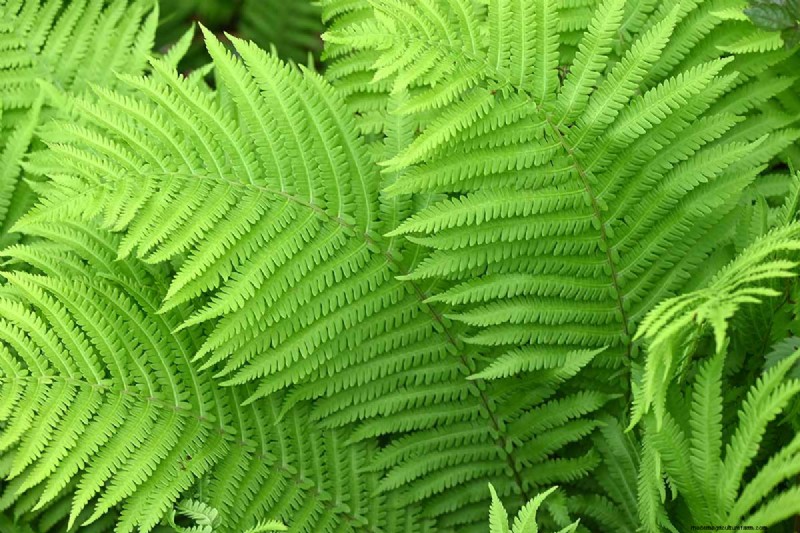
Growing up in a desert, I was never exposed to the lush, feathery world of ferns. Yet, the Ostrich Fern’s elegant fronds—resembling a giant, feathered plume—capture a sense of timeless magic. These plants can surpass human height, making them a striking feature in any shaded garden.
We link to vendors to help you find relevant products. If you buy from one of our links, we may earn a commission.
Ostrich ferns thrive in areas where other plants struggle, filling bare, shady spots with vibrant color and texture. Their forgiving nature makes them an excellent starting point for beginners who may feel intimidated by fern cultivation.
Below is a comprehensive guide covering everything from botanical background to practical care tips.
Ostrich ferns are widespread across the Northern Hemisphere, thriving in Europe, northeastern Asia, the northeastern United States, and all of Canada. In the wild, they can reach six feet, but most cultivated specimens stay under two feet.
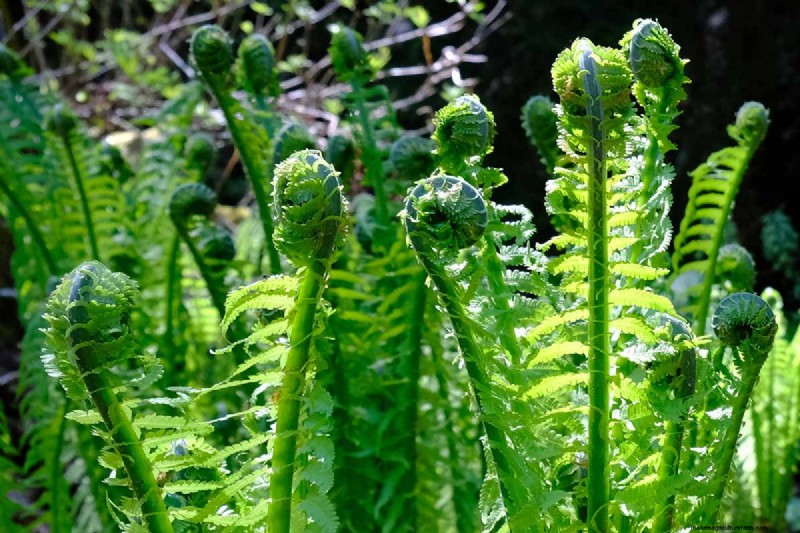
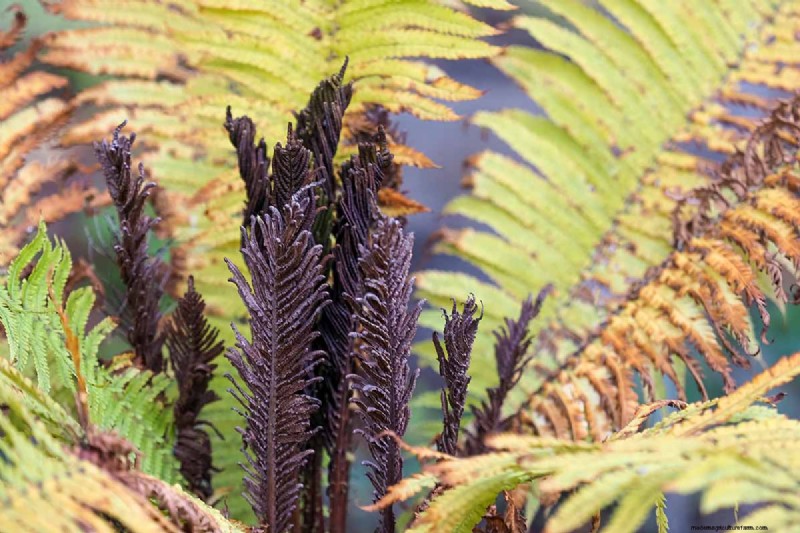
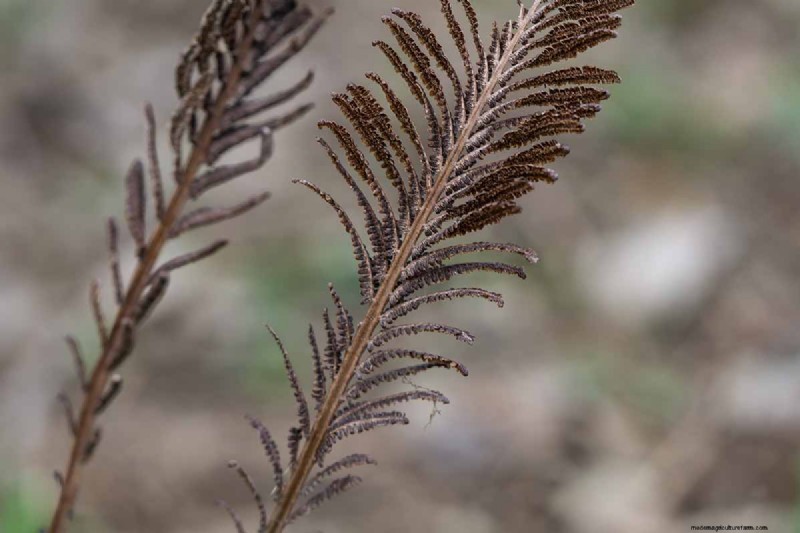
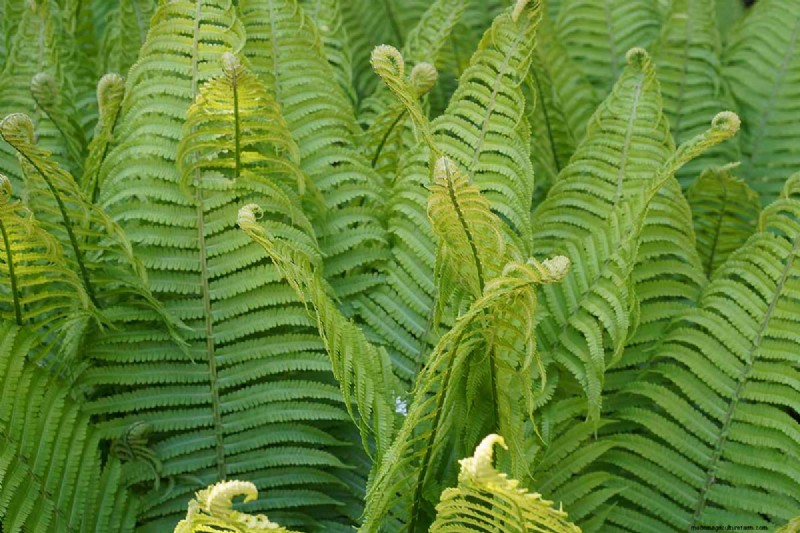
During spring, the sterile vegetative fronds—often called fiddleheads—emerge. In mid‑summer, darker, spiky fertile fronds appear. The plant is dimorphic, producing separate fertile and vegetative fronds.
The vegetative fronds die back in winter, while the fertile ones persist, releasing spores in early spring. Young or stressed plants may not produce fertile fronds, which can be used in winter floral arrangements.
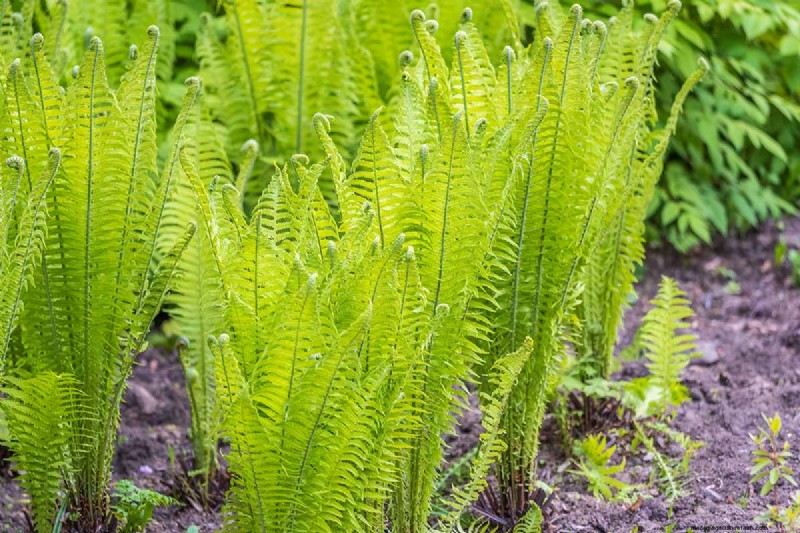
Each frond is pinnate‑pinnatifid, featuring up to 50 leaflets that give the fern its lacy, feathery appearance.
Fiddleheads are edible but should always be cooked to avoid potential intestinal discomfort and to reduce the risk of carcinogenic compounds in large quantities. Consume them in moderation and follow proper cooking methods.
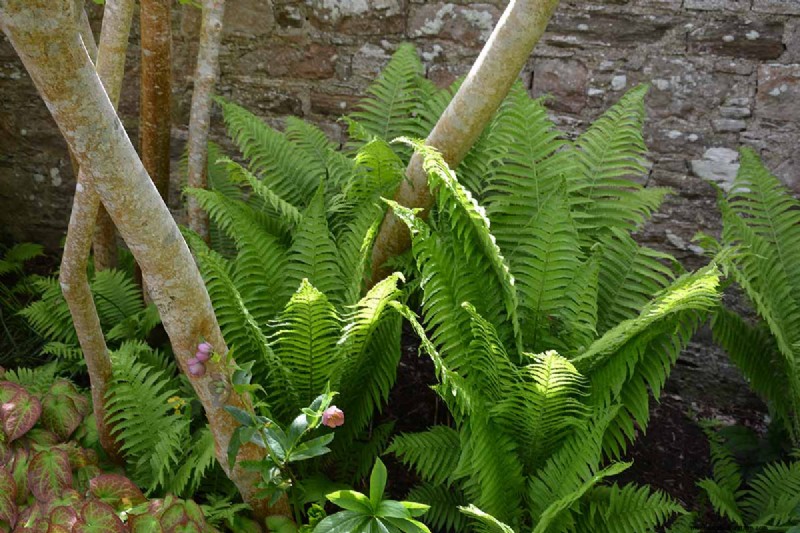
Ostrich ferns thrive in shaded environments. Provide partial to full shade, especially in hotter climates where additional shade reduces heat stress.
Any soil that is not pure clay or sand works well. Aim for a slightly acidic to neutral pH (6.0–7.0). The plant is adaptable, but a well‑draining mix encourages healthy growth.
Consistent moisture is crucial. These ferns prefer soil that remains moist—more tolerable than dry conditions. In the wild, they favor shaded, slowly draining soils near streams.
Maintain steady moisture throughout the growing season, avoiding prolonged drying. A mulch layer helps retain soil moisture.
Simulate their forest floor habitat by adding well‑rotted compost in spring. Avoid high‑nitrogen fertilizers; excessive growth can weaken fronds.
While cultivars are not overly common, ‘The King’ (also called ‘Jumbo’) is a popular choice, reaching up to seven feet and offering better heat tolerance. Most nurseries list the species itself. For example, Nature Hills sells plants in #1 containers.
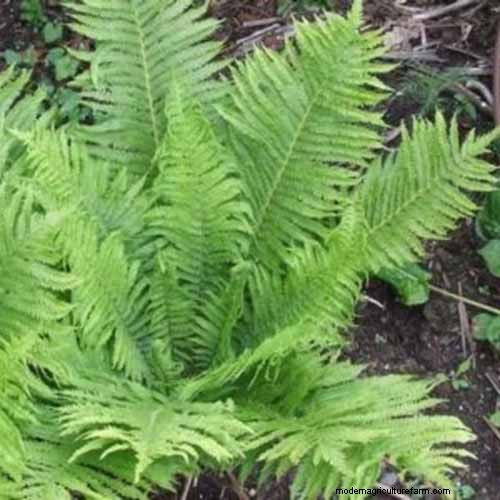
Fronds may appear dull by late summer or early fall and will die back by winter. Keep soil moist and protect from strong winds to prolong frond vigor. Do not trim ragged leaves; they provide nutrients for the next year’s growth.
Ostrich ferns can be propagated through division, plantlets, spores, or cuttings. Division and plantlet removal are the easiest and quickest methods, while spore cultivation requires specialized equipment but offers a rewarding experience.
For detailed instructions, consult our guide on propagating ferns.
Ostrich ferns are relatively pest‑free. The primary concern is the ostrich fern borer moth (Papaipema hesseli), whose larvae bore into frond bases. This moth is beneficial and causes minimal damage. Deer may nibble fiddleheads, but they typically use the fern for shelter rather than food.
In a landscape where cacti and sagebrush dominate, ferns bring an enchanting, almost fairy‑tale quality. Pair ostrich ferns with spring ephemerals—trilliums, bleeding hearts, trout lilies, wood anemone, or Dutchman’s breeches—to fill early‑season gaps. As the ephemerals fade, the ferns will emerge as a dramatic, resilient canopy.
Let these hardy plants transform shaded areas into focal points. Share your experience in the comments below, and explore our other fern guides to broaden your botanical collection.


