
Welcome to Modern Agriculture!

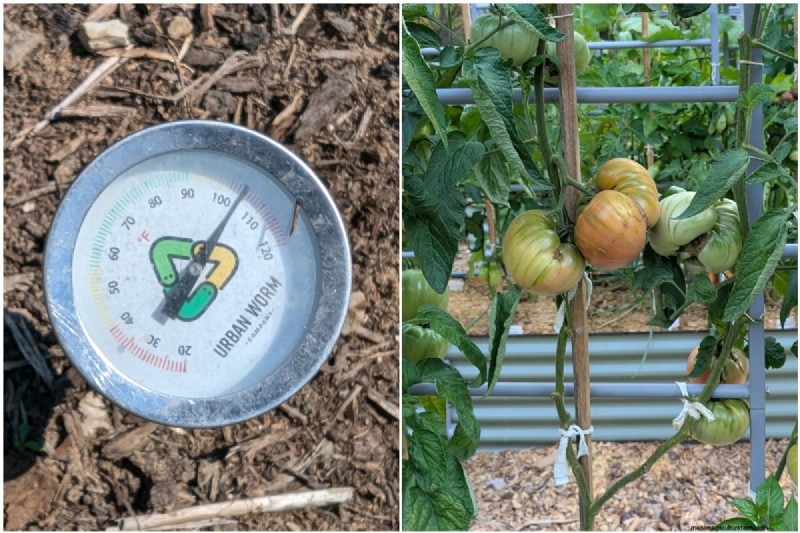
When temperatures soar, tomatoes are the first to suffer—blossoms fail, growth slows, and fruit stops ripening. A healthy tomato plant is vital for a thriving garden. I’ve assembled a set of proven tools that keep tomatoes resilient even during the hottest summer. Below is my Heat Wave Survival Kit.
Understanding the science behind tomato stress can help you protect your crop. Tomatoes are true sun lovers, requiring 8–10 hours of direct sunlight daily. That sunlight fuels photosynthesis, which in turn powers growth, nutrient transport, and fruit development. However, the heat component is equally critical—without it, tomato plants cannot reach their full potential.
Tomatoes evolved in South America where temperatures typically fall between 65 °F and 85 °F. Beyond this window, the plant’s internal hormone systems—essential for cell division and fruit set—become unstable. When the mercury climbs above 90 °F, the plant’s “electronic” systems begin to shut down, and by 95 °F, you’ll notice aborted blossoms and incomplete ripening.
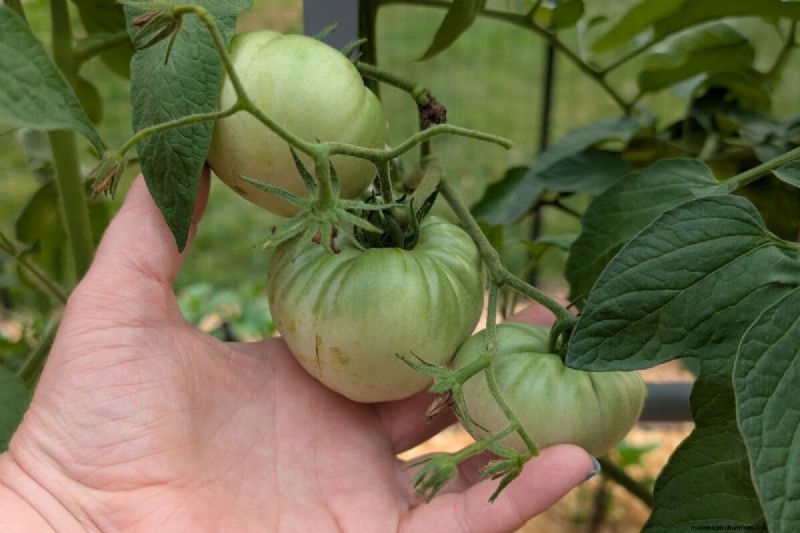
During a heat wave, a tomato plant’s leaves curl to reduce transpiration. The next morning, they unfurl—until the stress becomes chronic, forcing the plant to redirect energy away from fruit production.
Heat stress doesn’t just affect the fruit; it stops the plant’s entire development cycle. As the leaves curl and the soil dries, the plant’s growth halts. That’s why an effective heat‑wave kit is essential.
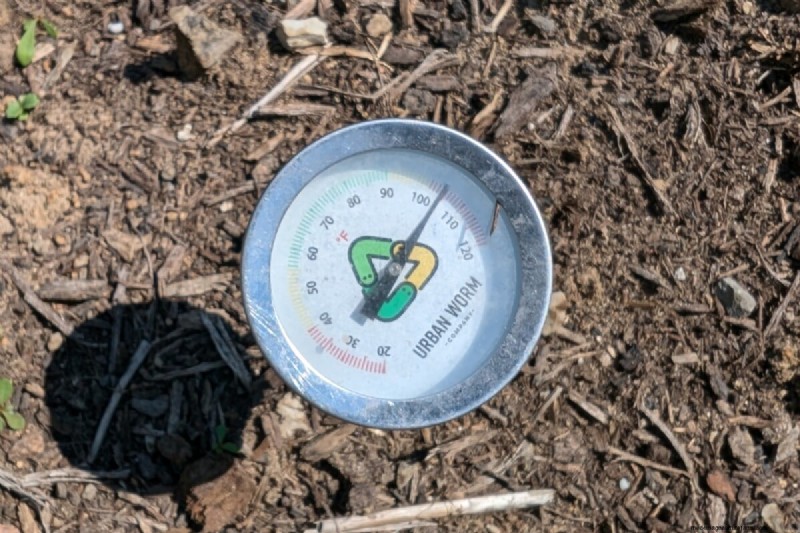
Typical tomato thresholds: 90 °F triggers the first signs of stress, 95 °F and above escalates the problem. But the most accurate indicator is soil temperature—once it exceeds 85 °F, action is needed. Ground‑based systems, such as raised beds, heat up slower than soil directly exposed to the sun, giving you a brief advantage.
Short, occasional heat spikes are harmless, but extended periods—lasting a week or more—can cause irreparable damage. A well‑timed intervention can keep your crop healthy throughout the heat wave.
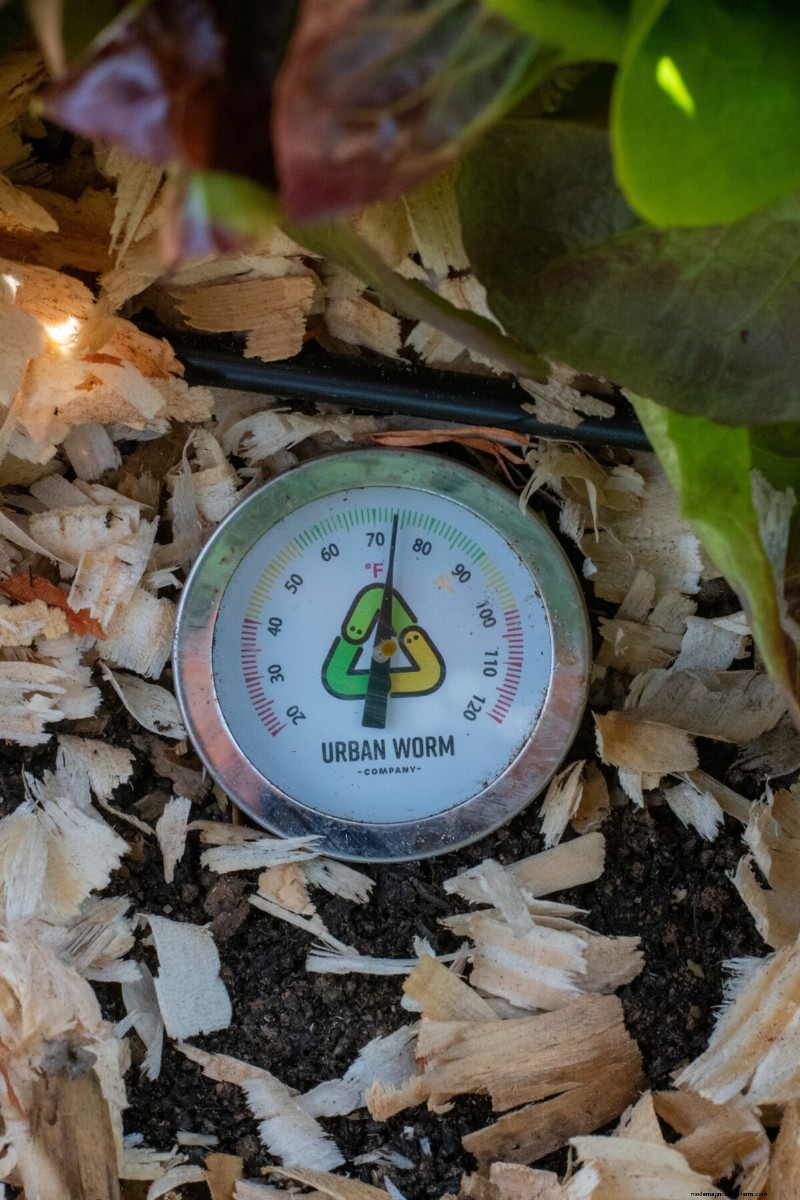
The cornerstone of any heat‑wave kit is a reliable soil thermometer. Air‑temperature gauges are misleading; they don’t reflect the true conditions the roots experience.
I’ve used the Urban Worm thermometer for five years. Its clear glass and durable construction provide accurate readings for extended periods. Cheap alternatives often fog or lose precision quickly.
Place the thermometer so the sensing probe is flush with the soil surface and shield it from direct sun by covering the rim with mulch. Mark the spot with a flag so you can locate it quickly beneath the mulch.
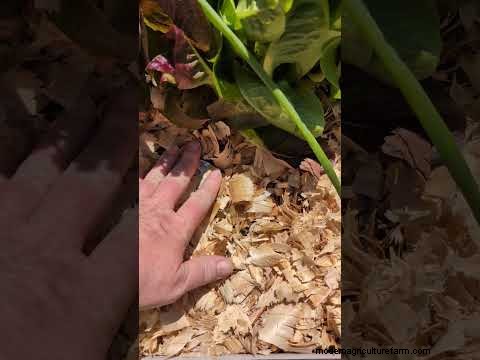
Mulching is the simplest and most effective defense against heat stress. A 3‑inch layer of organic material provides a protective barrier, keeping soil moisture and temperature in check.
I favor pine flake mulch for its affordability and light color, which reflects sunlight and keeps the soil cooler. Whether you’re using raised beds or in‑ground beds, apply mulch around the base of each tomato plant, extending it a few inches beyond the root zone.
During a heat wave, mulch slows evaporation and absorbs excess heat, ensuring the soil remains cool and moist.
When temperatures become extreme, shade cloth offers immediate relief. This breathable mesh reduces direct sunlight while allowing airflow, lowering the plant’s temperature.
For tomatoes, I recommend a 50 % shade cloth—enough to keep the heat at bay while preserving essential light for photosynthesis. Install it using sturdy poles or the hoops of a hoop house. Avoid draping cloth directly over the plant to prevent mechanical damage.
Attach the cloth to the top of the plant’s canopy, leaving the lower leaves exposed. Remove the cloth after dusk if the heat is moderate; for prolonged heat, keep it in place until temperatures drop.
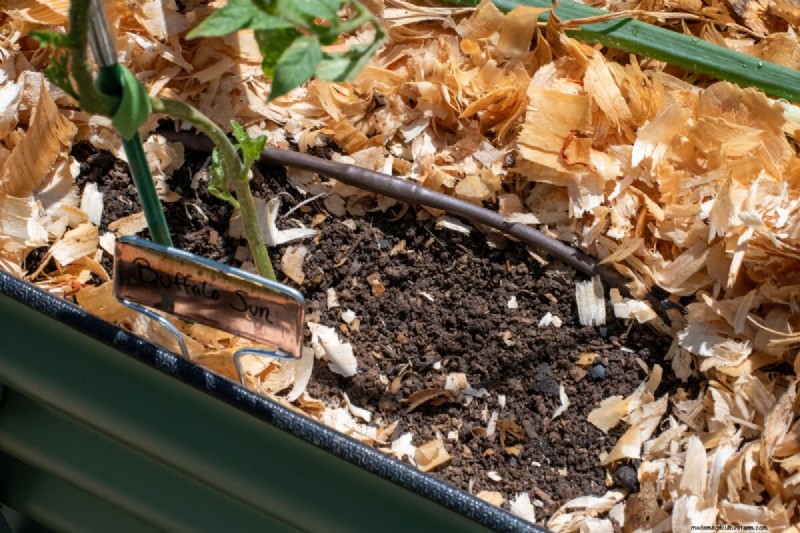
Dripline irrigation is optional but highly effective during heat waves. It delivers water directly to the root zone, conserving moisture and keeping the soil consistently cool.
Install dripline before mulching so the mulch can shield the line from heat and imperviousness. This not only reduces water waste but also ensures the moisture reaches the roots efficiently.
Regular, shallow watering—known as “flooding”—keeps the soil structure intact and prevents the plant from wasting energy. Dripline allows you to provide this without disturbing the mulch.
During the hottest days, pull the mulch away temporarily to expose the “lively” soil, then replace it once the dripline is active. The result is a resilient, moisture‑rich environment.
By combining these tools—a soil thermometer, mulch, shade cloth, and dripline—you create a comprehensive defense against heat damage, enabling your tomatoes to thrive even when temperatures rise.
Get the renowned Rural Sprout newsletter delivered directly to your inbox. Join 50,000+ gardeners who receive timely tutorials, must‑know tips, and seasonal task reminders.


