Welcome to Modern Agriculture!

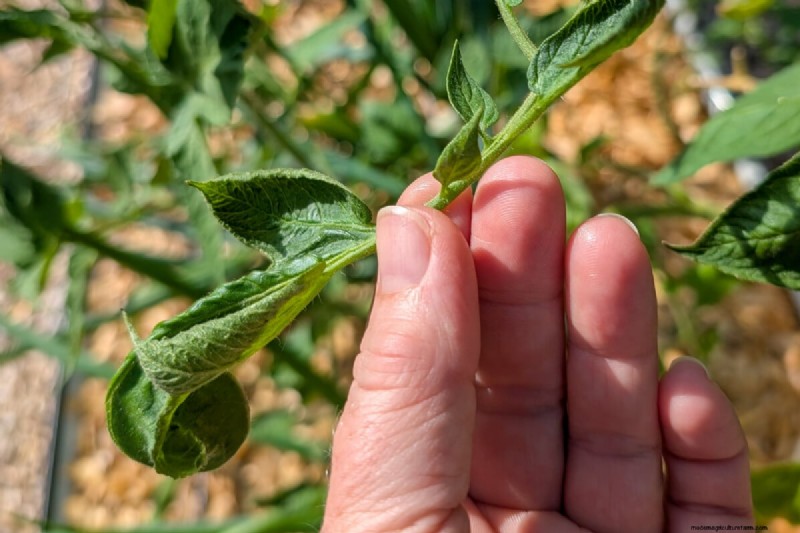
When a tomato plant’s leaves curl, it signals that something is wrong—an early warning of a problem. Knowing the exact cause lets you take the right action, or simply let the plant recover on its own. Below is a step‑by‑step guide to diagnosing leaf‑curling and restoring healthy, productive tomatoes.
Start by observing the leaves closely:
These clues help distinguish between a harmless “stress” response and a genuine problem that requires intervention.
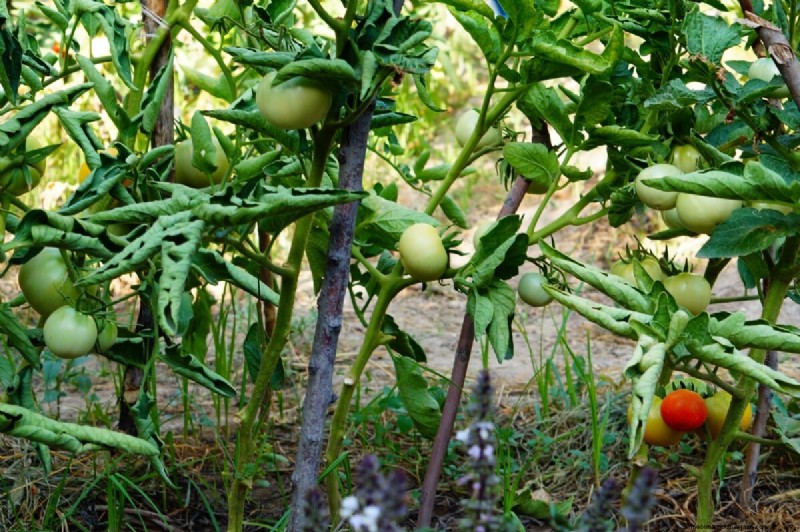
PTC is the most frequent reason for leaf curling. It occurs when the plant conserves water and energy, typically affecting older, lower leaves first. The leaves remain green, with no color change, and usually only need minor adjustments—such as ensuring consistent moisture—to resolve.
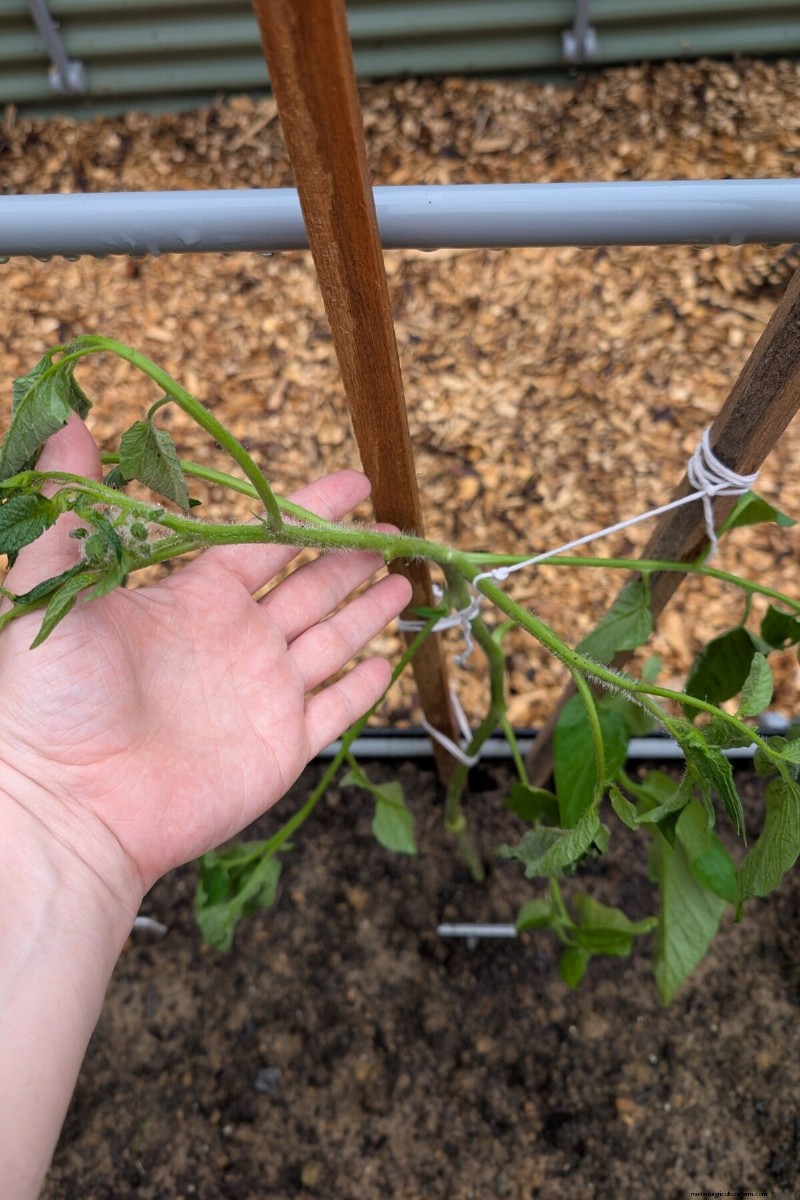
After transplanting seedlings, leaves may curl as the plant adjusts. Keep soil moist and wait for the plant to recover before making any changes.
Damage to the shallow root system during weeding or planting nearby crops can cause leaves to curl. This usually resolves quickly as the root system regrows.
Heavy pruning can shock the plant. Light pruning, done gradually, prevents leaf‑curling and maintains plant structure.
High temperatures cause plants to reduce water loss. Mulching helps keep the soil cool and moist, preventing leaf curling.
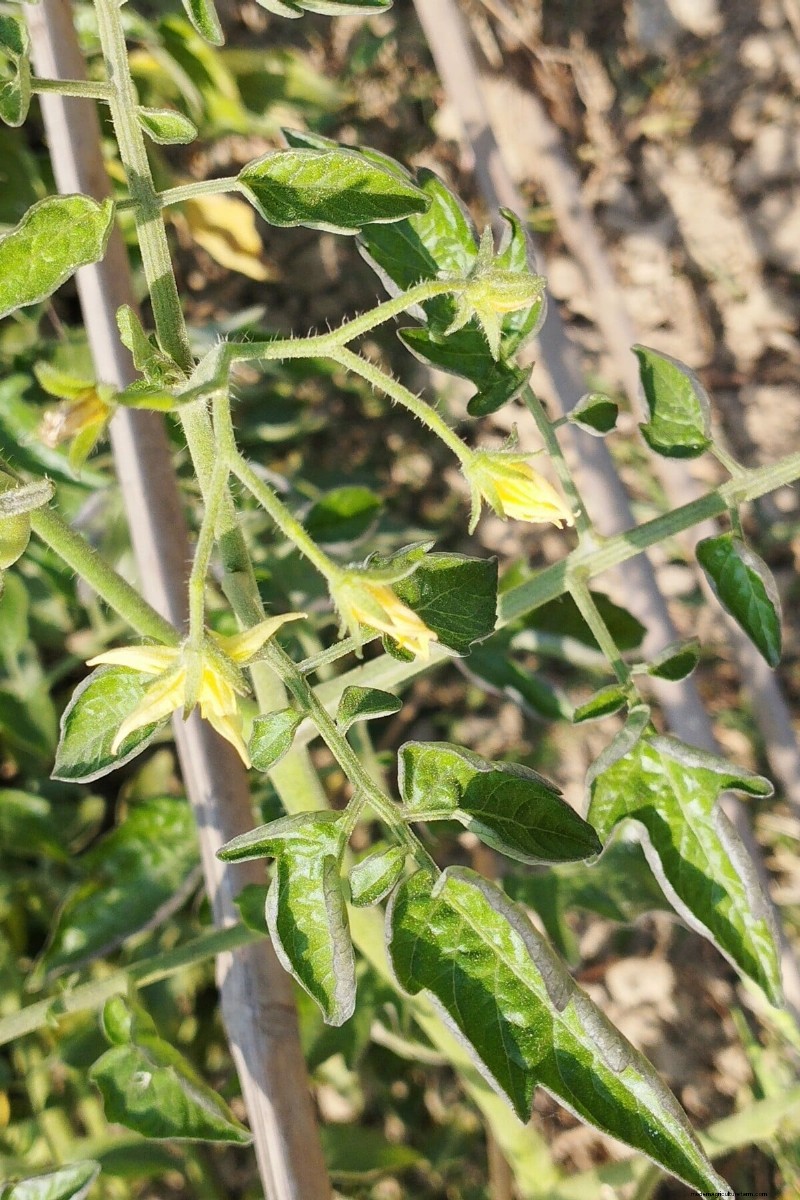
Irregular watering or rapid weather changes can trigger leaf curling. Mulch consistently and water deeply to maintain plant health.
High nitrogen levels encourage lush foliage and can cause dark, leathery leaves. Use a balanced fertilizer and avoid over‑fertilizing.
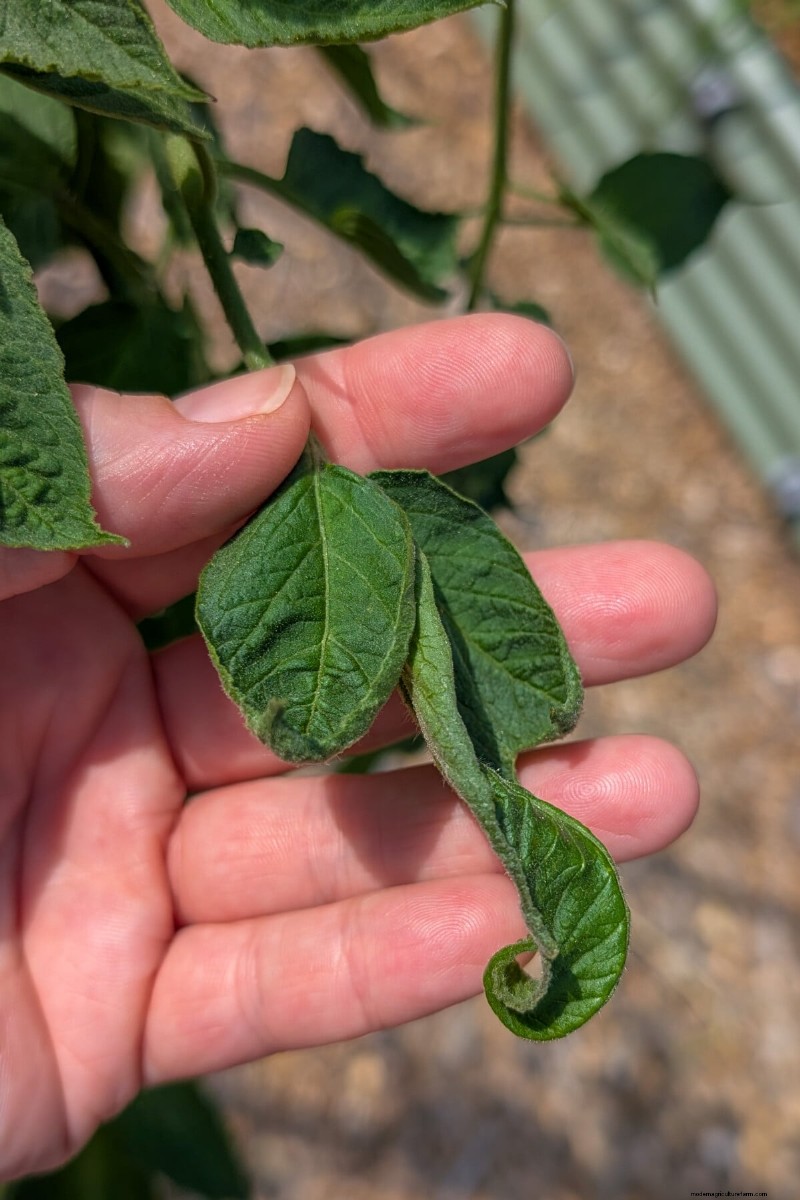
Herbicide exposure may cause curling, twisted stems, and dropped blossoms. Trim affected areas and remove damaged tissue.
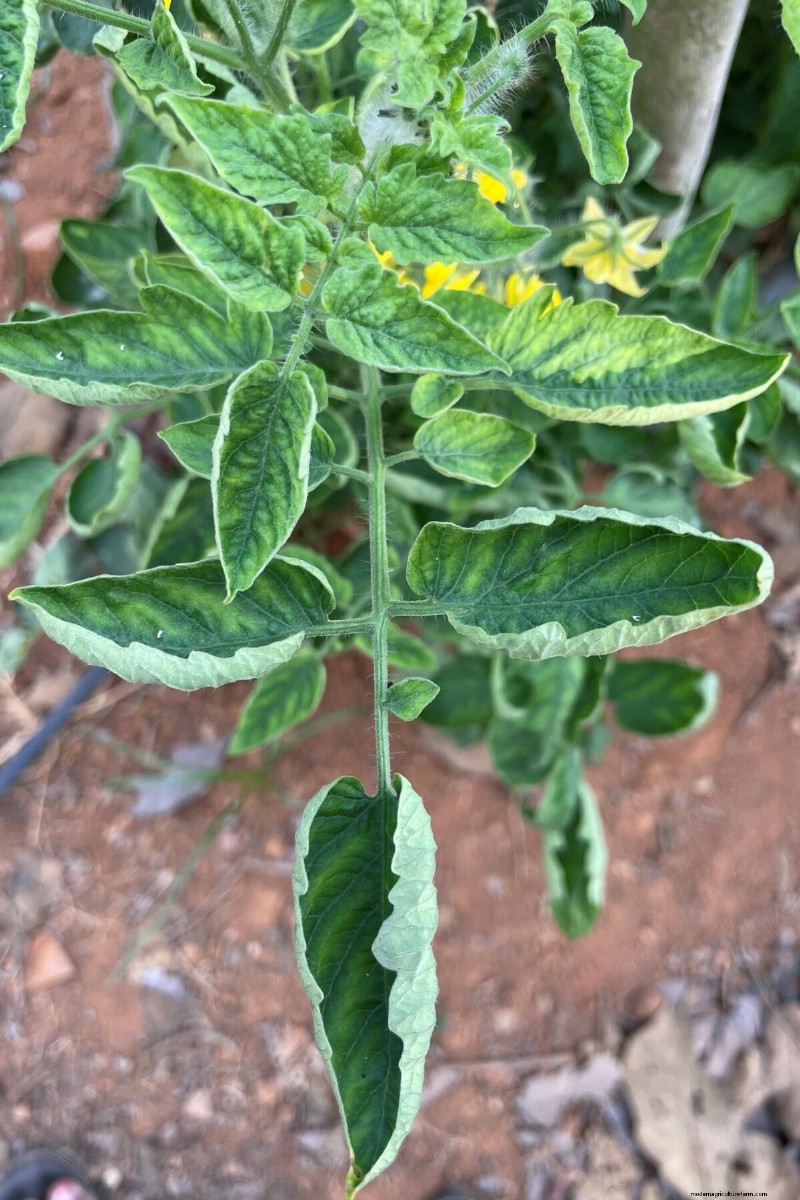
TYLCV is a serious disease that spreads rapidly. Symptoms include entire plant yellowing and reduced fruit. If you suspect infection, remove the plant immediately and contact your local extension office.
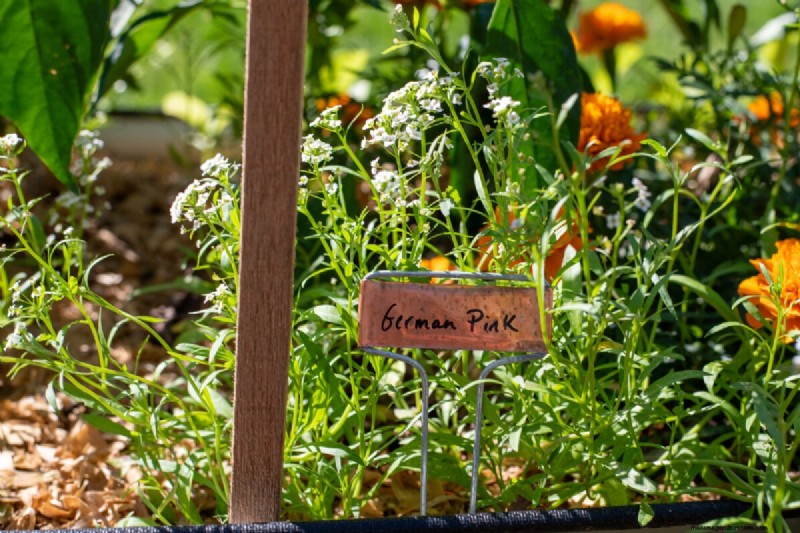
Planting sweet alyssum or other companion plants attracts hoverflies that can help control whiteflies—one of the main vectors for TYLCV.
Join the Rural Sprout community of over 50,000 gardeners who receive expert gardening tutorials, tips, and tasks straight to their inbox.