
Welcome to Modern Agriculture!

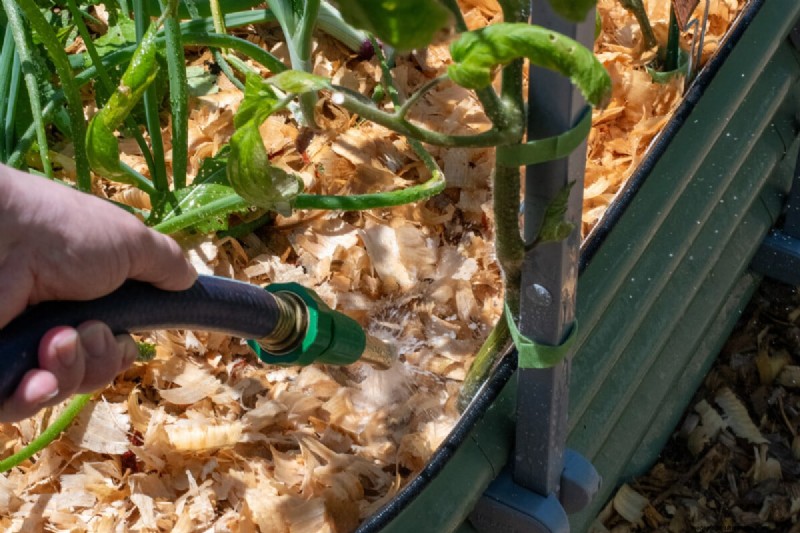
Gardeners everywhere have heard the classic mantra: “Water tomatoes deeply, but infrequently.” While the intent is sound, the guidance can be vague and often misapplied—especially for those growing in raised beds or containers.
In this concise guide, we’ll unpack the science behind the phrase, explain exactly how much water a tomato plant truly needs, and show you how to adjust your routine for in‑ground, raised‑bed, and container gardens. By the end, you’ll be able to provide the right amount of moisture at the right time, yielding more robust plants and fewer cracked fruits.
Traditional “deep” watering is most effective for tomatoes planted directly in the ground. When you provide a generous, infrequent pour, the plant is encouraged to grow roots deeper into the soil, where moisture is more stable and temperatures are cooler.
Root systems that remain near the surface are more prone to rapid drying, higher soil temperatures, and blossom drop—issues that can reduce fruit set and quality.
For most climates, tomatoes require about 1–2 inches of water per week—either from rainfall or irrigation. Translating this into garden practice:
Apply water slowly at the base, allowing it to infiltrate 6–12 inches of soil. This mimics a “deep” soak, ensuring moisture reaches the root zone.
To avoid the common issue of cracked tomatoes, it’s often better to split the weekly total into two smaller applications—especially as the season heats up. Consistent, moderate watering keeps the skin from expanding too quickly relative to the fruit interior.
Deep roots do provide a buffer against brief dry spells. However, prolonged droughts will still halt fruiting, regardless of root depth. In regions with strict watering bans, this strategy can extend the productive period, but it isn’t a cure‑all.
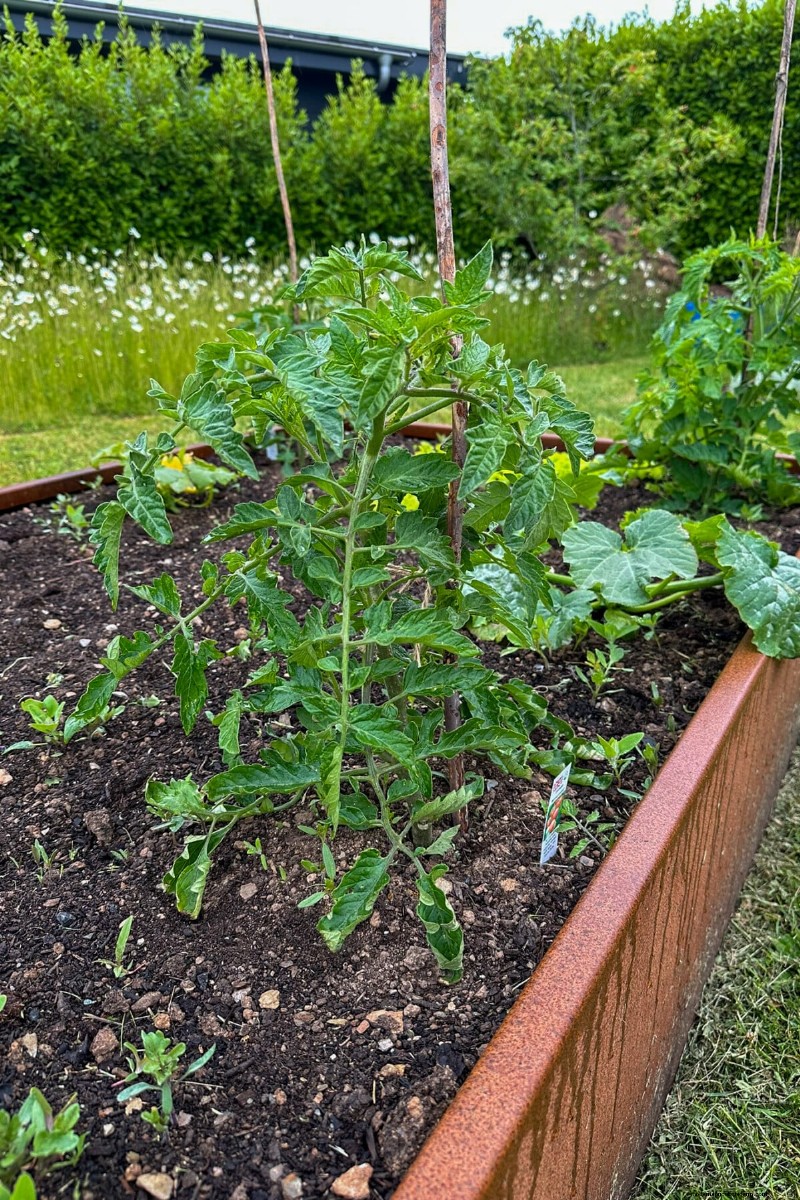
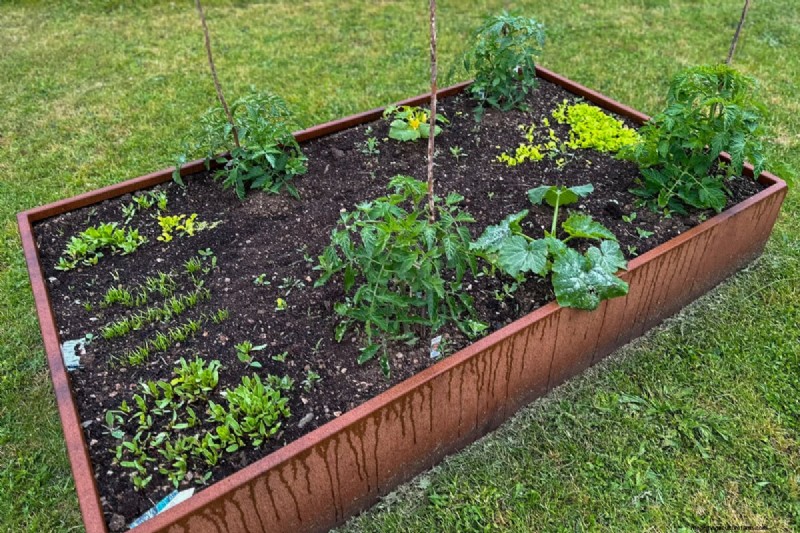
Raised beds are popular because they improve soil quality, reduce compaction, and are accessible for many. But the limited depth of the bed confines root growth, and the soil layer heats up faster than in‑ground soil.
Despite these constraints, raised‑bed tomatoes can thrive with the right adjustments.
Your goal remains the same—1–3 gallons per plant per week—yet you may need to water more frequently because of faster evaporation.
When starting seedlings, water frequently for the first two weeks to encourage a robust root system before shifting to the deeper schedule.
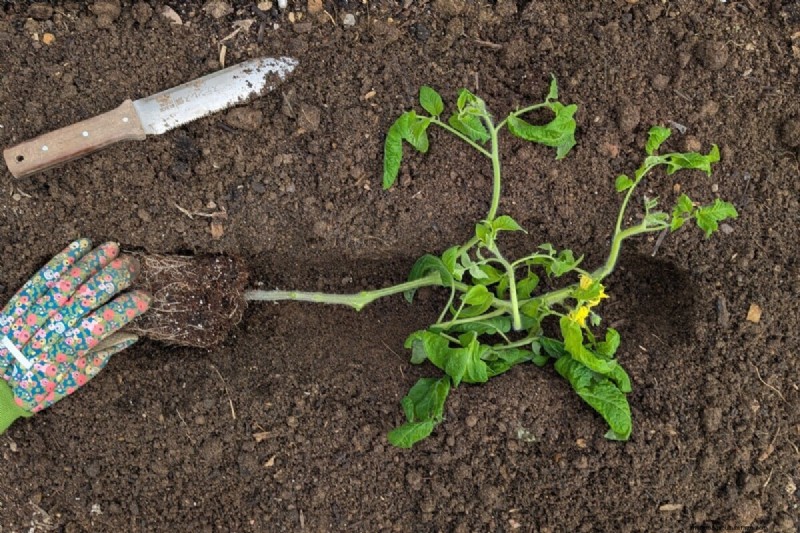
Planting seedlings with the stem buried encourages additional root growth. Bury most of the stem (about 1–2 inches) to provide more root surface area, which is especially useful in shallow beds.
For this year’s crop, focus on deep watering in the early season. As fruit begins to form, switch to more frequent, moderate applications to keep the skin and fruit growing at a similar rate.
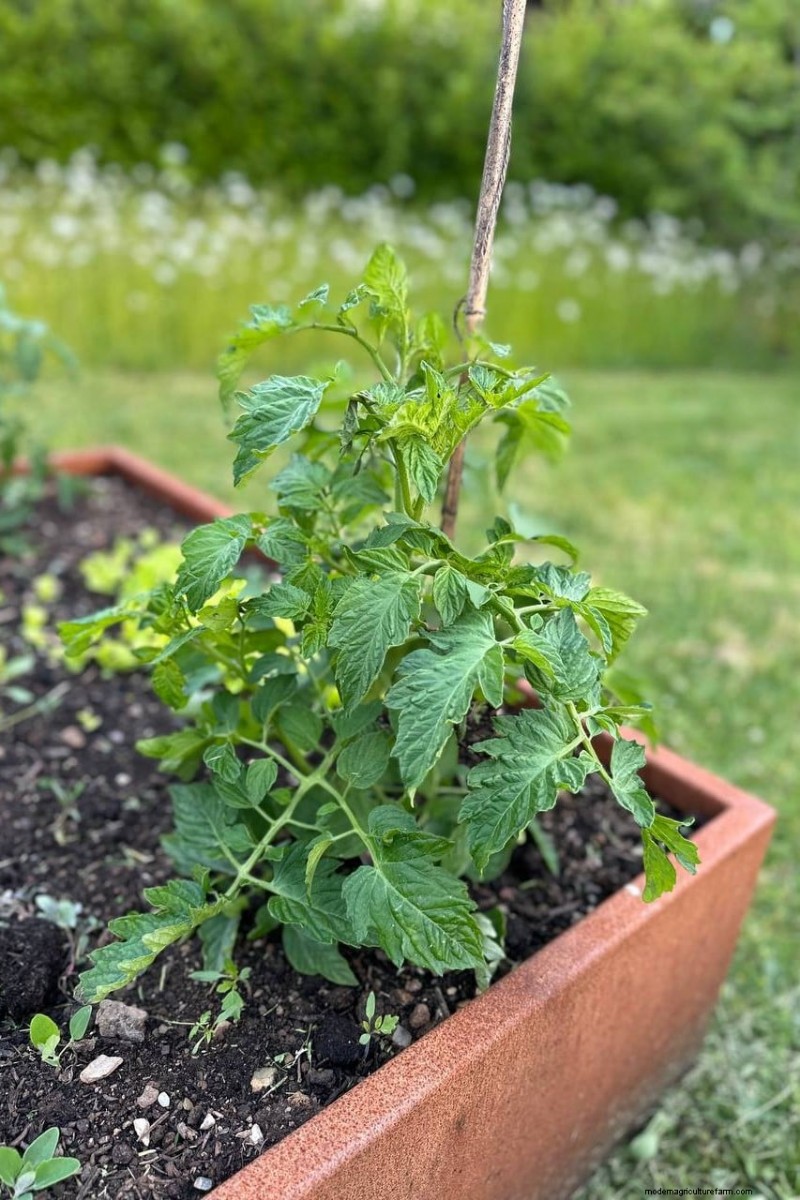
Mulch is a gardener’s best friend. It can lower soil temperature by 10–12°F, slow evaporation, and maintain a consistently moist root zone—crucial for heat‑tolerant tomatoes.
Use lightweight pine needles or shredded bark. Aim for a 3–5 inch layer that extends to the base of the plant.
Without a drip system, you can still deliver the right amount of water:
When the soil feels waterlogged, split the total volume over two days.
There’s no single answer. Monitor the soil rather than the plant. A dry, dark surface indicates moisture is needed. If the soil feels soggy, pause watering.
In raised beds, keep the top layer consistently damp but not saturated. This habit reduces the risk of cracked tomatoes and ensures continuous fruit production.
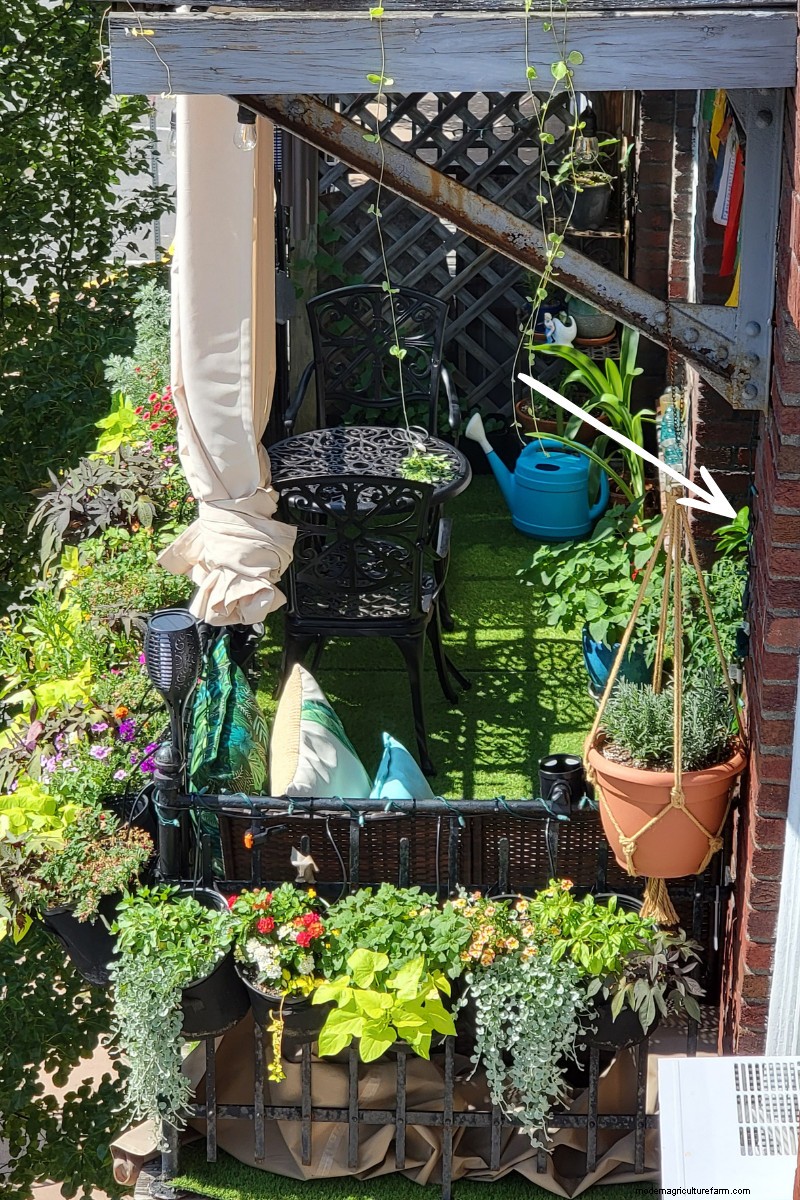
Container plants face unique challenges: limited soil volume and higher evaporation rates.
Whether you’re gardening in the ground, a raised bed, or a container, the core principle remains: provide enough water to satisfy the plant’s needs, but do so in a way that encourages healthy root development and protects against temperature stress.
Apply these practices, and you’ll enjoy abundant, crack‑free tomatoes that taste like summer.
Join the 50,000+ gardeners who receive timely tips and tutorials in the Rural Sprout newsletter.


