
Welcome to Modern Agriculture!

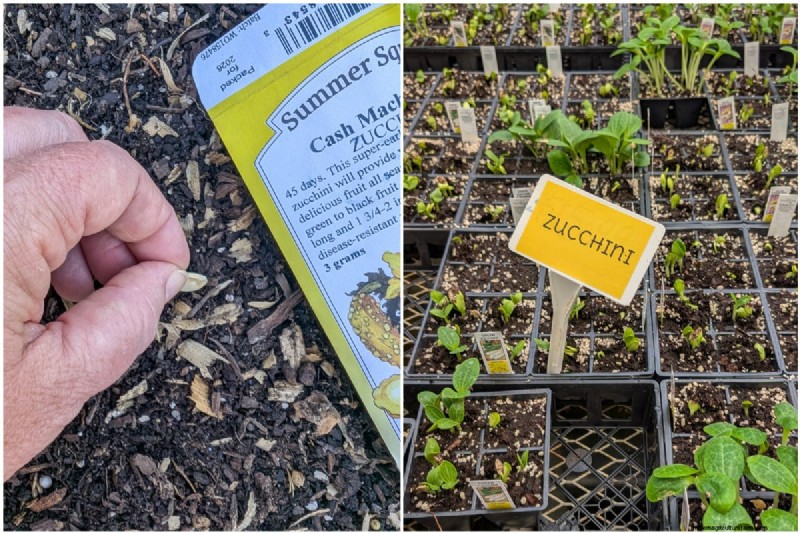
Many growers claim that direct sowing zucchini and other summer cucurbits yields better results than starting seedlings indoors. In this article, we examine the evidence behind these claims and offer a clear, data‑driven recommendation for maximizing your harvest.
With the summer months rapidly approaching, gardeners are eager to harvest large, flavorful zucchini and summer squash. Choosing the correct planting method can influence plant vigor, fruit set, and overall yield.
Below, we dissect the key factors that determine whether direct sowing or transplanting works best for these fast‑growing cucurbits.
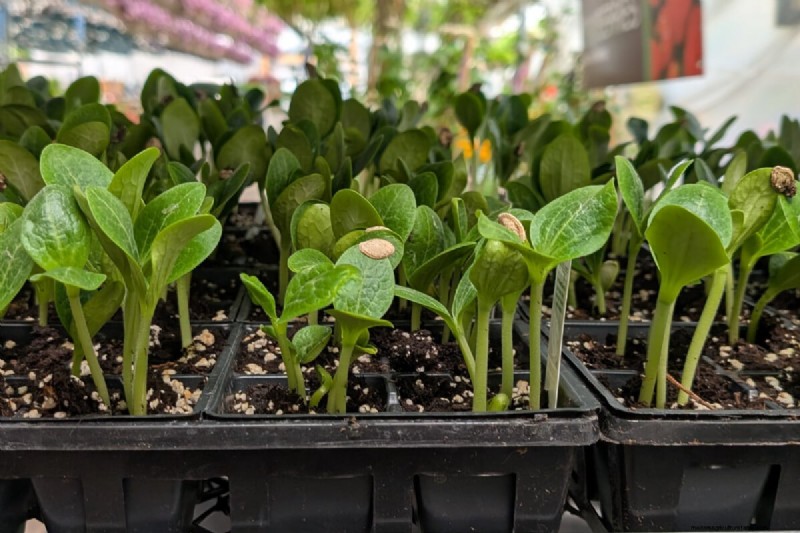
From personal experience, direct‑sown zucchini tends to outperform transplanted seedlings. The advantage stems from the plants’ rapid development of a taproot and their sensitivity to transplant shock.
Summer squash seeds germinate quickly and their seedlings grow at an accelerated pace. They develop a long taproot within days. Disturbing this root—whether by potting up or transplanting—can trigger transplant shock, delaying growth and reducing fruit production.
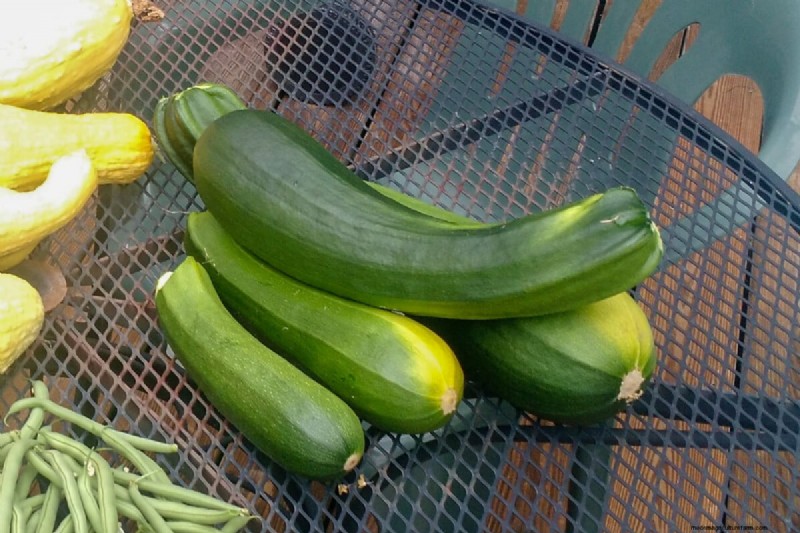
Unlike tomatoes or peppers, zucchini seedlings are prone to becoming rootbound in a pot. If you transplant them too early, the plant may struggle to adapt, especially once the last frost date arrives.
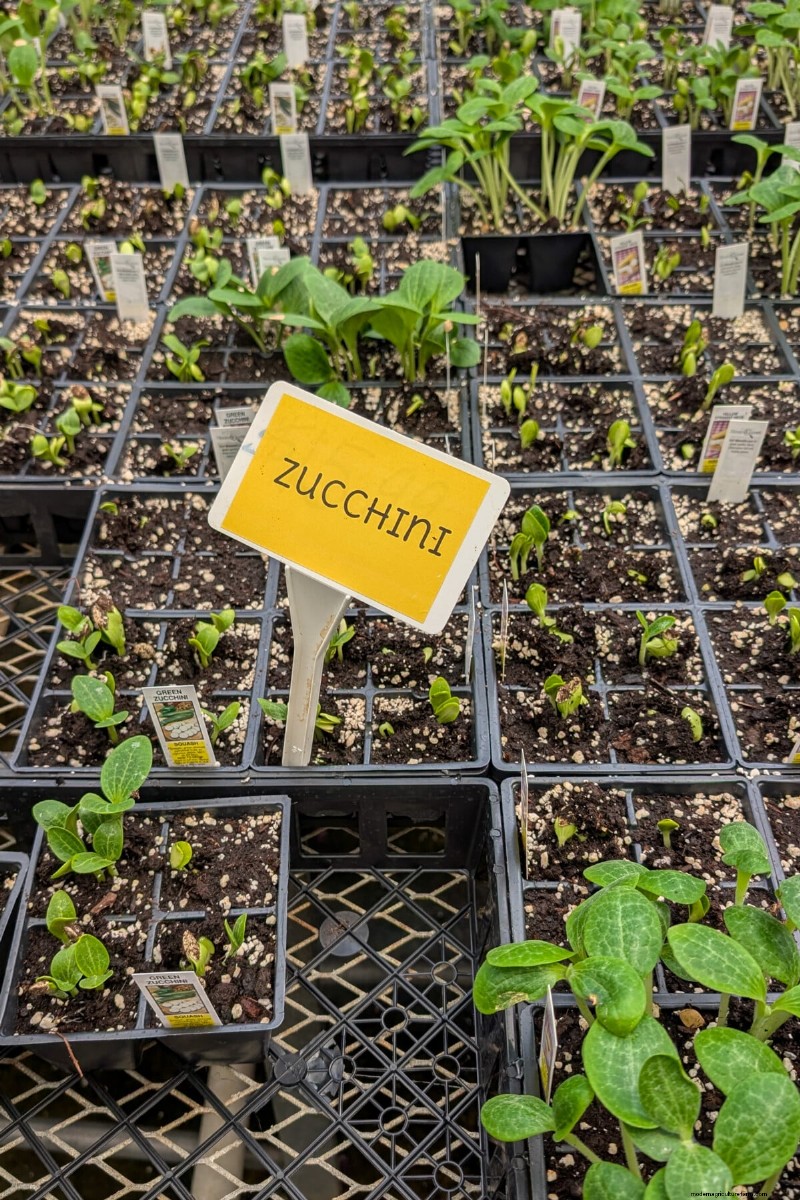
Contrary to the “never transplant” rule, many commercial growers actually start cucurbits indoors. They do this to control the timing of plant emergence and to optimize uniformity for market production.
A seminal 1993 study published in HortScience compared the performance of summer squash seedlings at 10, 21, and 30 days old against direct‑seeded controls. Read the full study here.
The researchers discovered a narrow window where 21‑day‑old seedlings outperformed direct‑seeded plants. Seedlings that were 10 days old were underdeveloped and suffered from transplant shock, while 30‑day‑old seedlings were already rootbound and lagged behind in both growth and yield.
To replicate the optimal 21‑day window:
For example, if your last frost is on May 15, you might start seedlings on April 3. Transplant them outdoors on May 24, ensuring they are 21 days old.
While this method requires precise timing, it can be especially valuable in regions with short growing seasons.
Direct sowing remains a reliable, low‑maintenance option that eliminates the need for indoor grow tents, frequent watering, and potting. It also reduces the risk of root damage from premature transplanting.
Whether you sow seeds or transplant seedlings, enriching the soil boosts plant health and fruit production. Consider incorporating the following amendments:
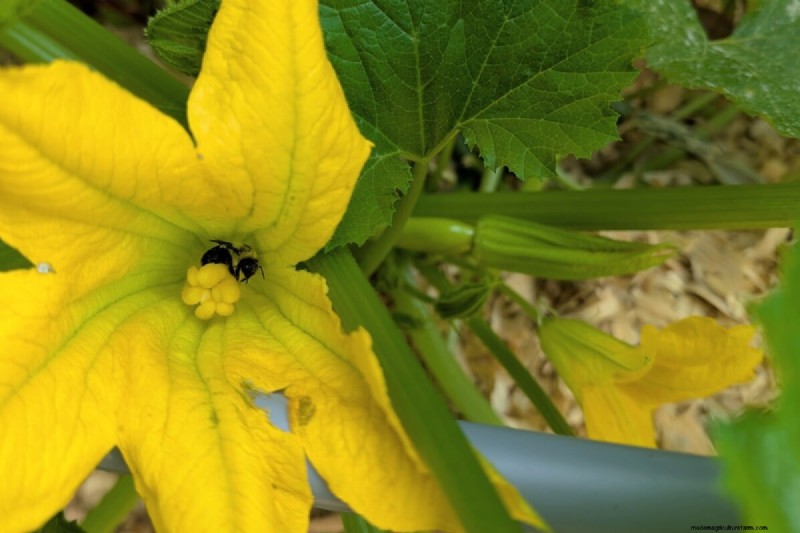
Early in the season, zucchini plants produce predominantly male flowers. These yellow blooms attract pollinators, creating an ideal environment for the subsequent appearance of female flowers, which will set fruit.
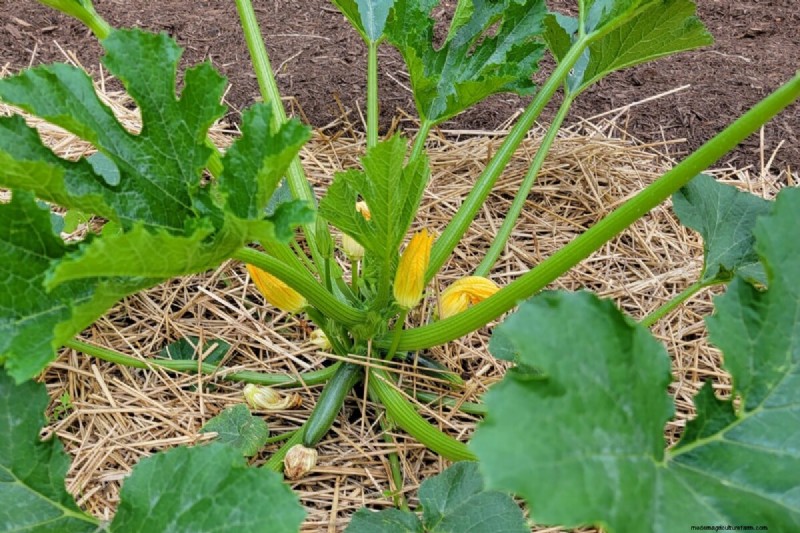
To maintain a steady supply of fresh squash:
Squash vine borer is a destructive pest that can be prevented with simple physical barriers. Wrap the base of the stem with aluminum foil strips to protect the stem and halt further development.
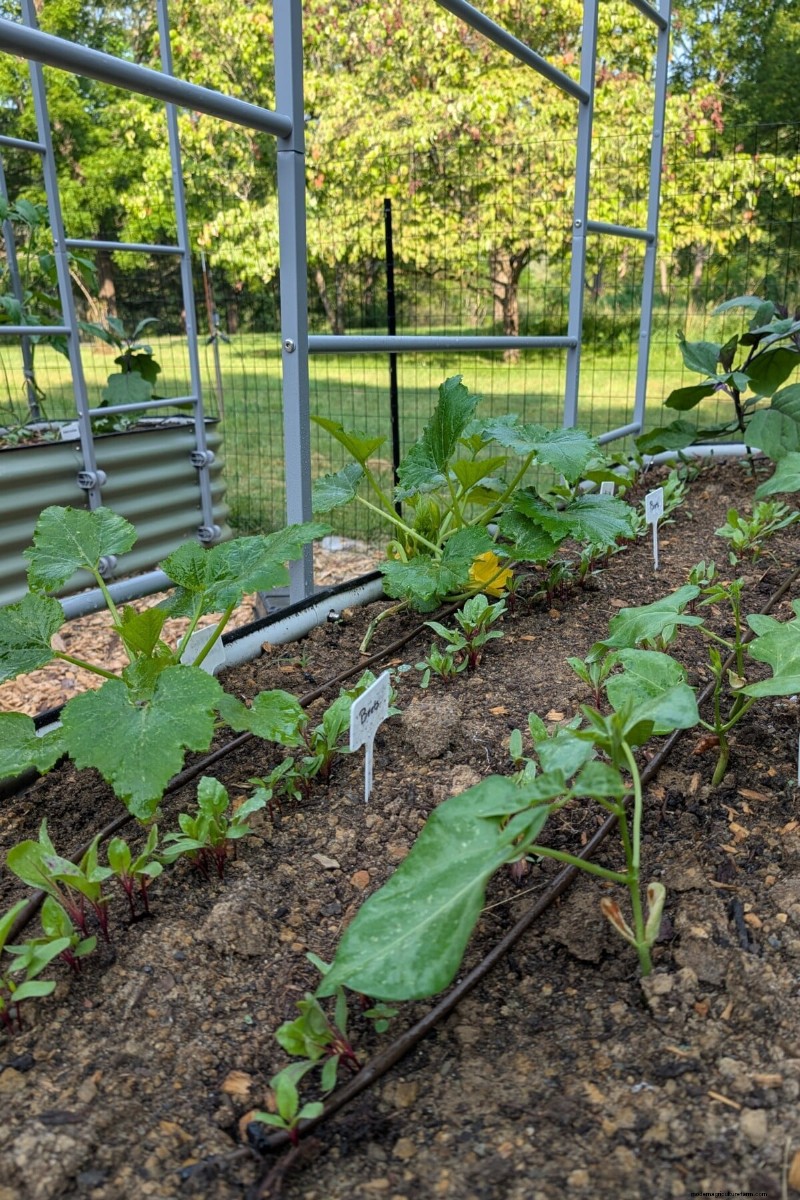
For detailed instructions, visit our guide on stem‑wrapping.
Powdery mildew is a frequent issue for summer squash. The most effective early‑warning treatment is hydrogen peroxide, applied at the appropriate dilution. Consistent application can control the disease within two weeks.
Join the 50,000+ gardeners who receive timely tutorials, tips, and seasonal tasks straight to their inbox.
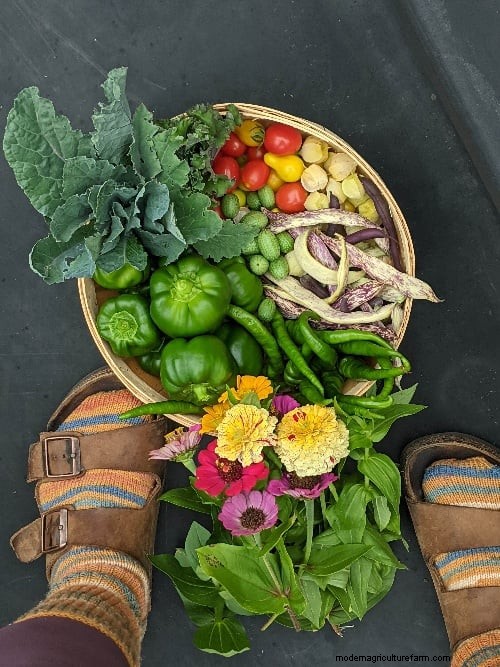
Subscribe now to keep your garden thriving all year long.


