
Welcome to Modern Agriculture!

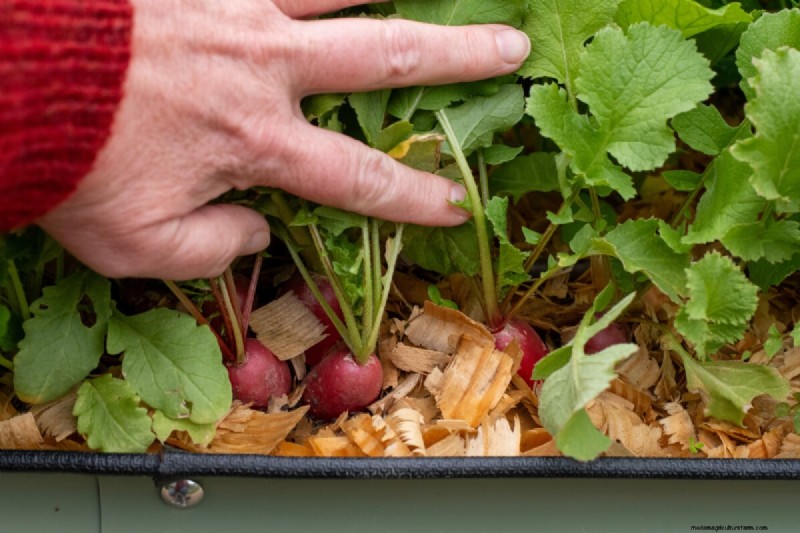
Late spring—mid‑May through early June—offers a deceptively calm window for every gardener, whether you’re focused on vegetables or ornamentals. During this period, the garden looks flawless, the foliage is at its peak, and pests seem to have taken a holiday.
It’s tempting to set the garden on autopilot when everything feels perfect, but summer’s heat, dry‑season stresses, and increased activity can quickly disrupt that peace. By tackling a few key tasks now, you’ll spare yourself the frustration of last‑minute fixes and ensure a thriving summer garden.
After the initial planting season, the soil’s structure, nutrients, and microbes are most valuable—this is known as the “e‑xchange” phase. In late spring, you can still treat any remaining vegetables or flowers as “waste‑to‑resource” and convert them into fully functional plants.
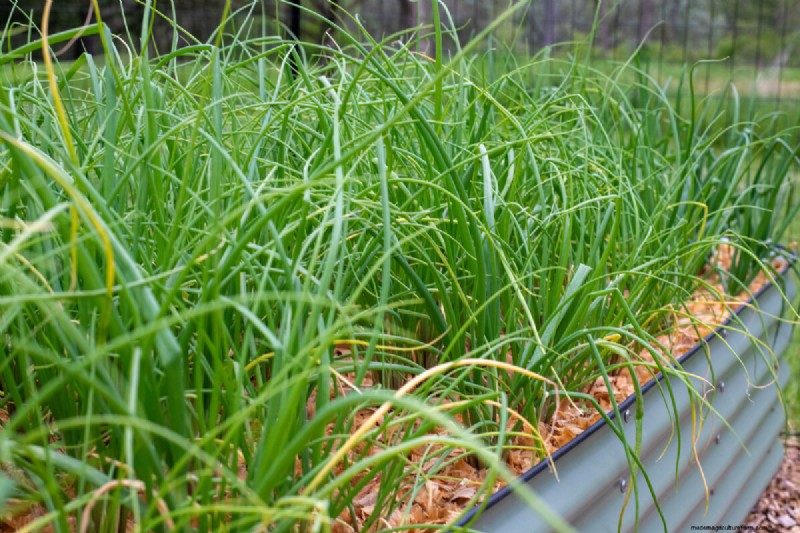
Use a high‑quality fertilizer that contains the essential elements your plants need to grow. The “bite‑mark” method of a side‑dressing creates a stronger, more resilient plant that can withstand the upcoming heat and drought. This step is especially important for crops that are already in their final growing season.
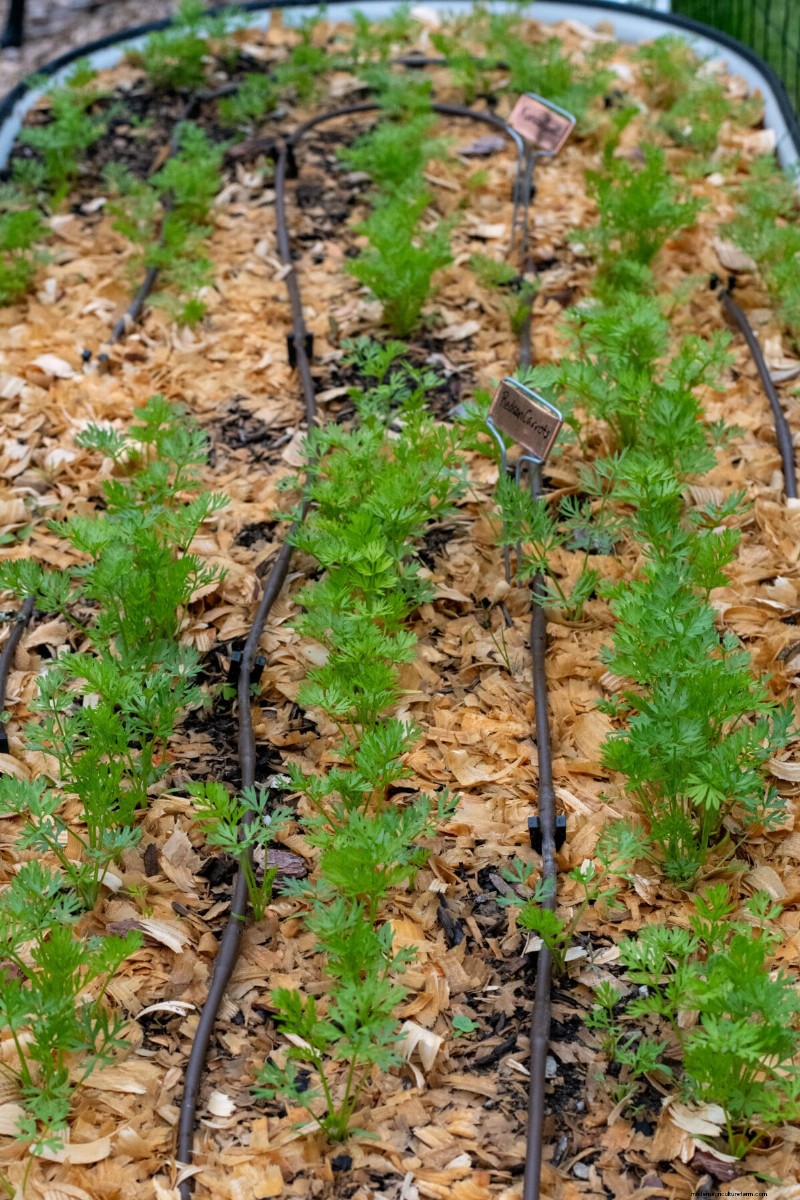
After the early‑spring rains taper off, your garden will demand a reliable water source. Consider a drip‑line system that delivers water directly to the plant roots—this saves you time, water, and energy.
For those of us who juggle a full‑time job, a Wi‑Fi‑enabled irrigation controller like B‑Hyve’s Hose‑Timer automatically schedules watering sessions, adjusting for local weather data to avoid unnecessary watering. That means you can keep the garden healthy without sacrificing your personal commitments.
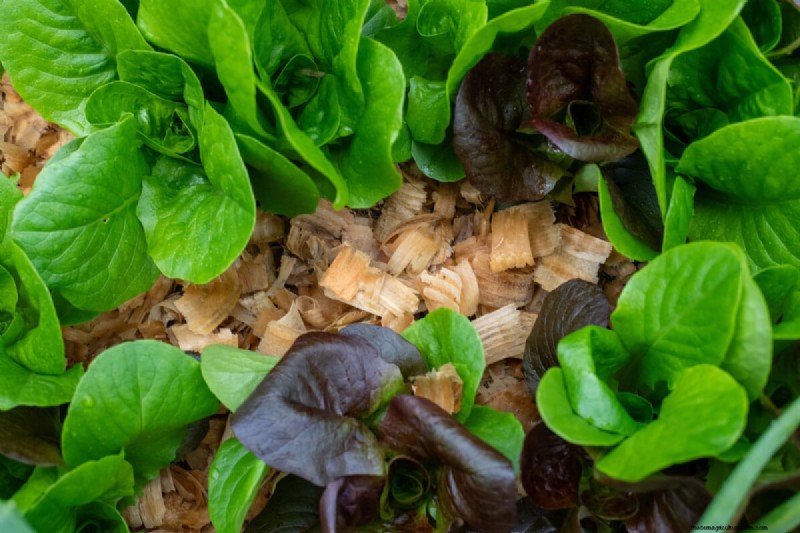
If you haven’t applied a three‑inch‑deep layer of mulch yet, do so immediately. A well‑placed mulch layer eliminates weeds, reduces soil evaporation, and preserves the garden’s aesthetic appeal.
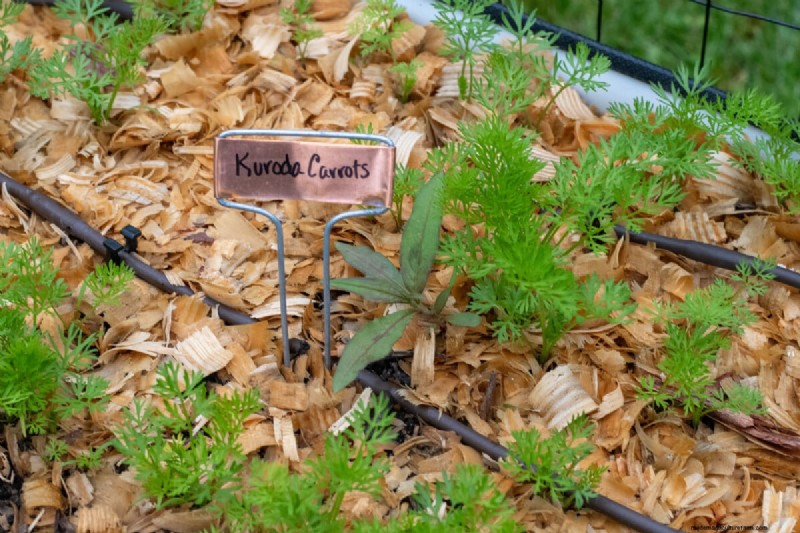
Late‑spring is the ideal time to eliminate weeds before they reach maturity. Weeds quickly develop seed pods that regenerate during the summer, making them harder to control.
As part of a “cultural‑practice” routine, you should trim any developing plant parts—especially in hot‑season crops. This will help you achieve a higher “quality‑harvest” and reduce the risk of pest damage.
For step‑by‑step instructions on how to pinch a pepper plant, you can read our detailed guide here.
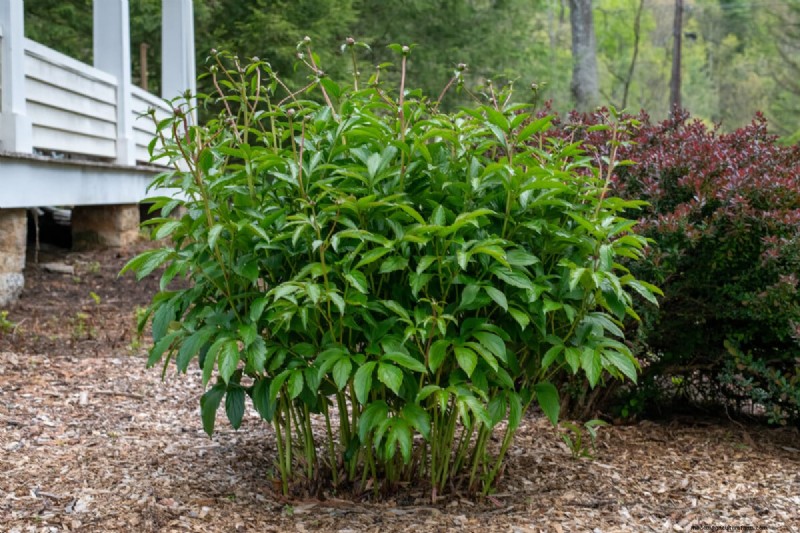
Skipping the early staking of key crops, like peonies or tomatoes, can result in “dead‑by‑disease” losses. By staking now, you’ll secure a resilient, high‑quality plant that can withstand wind, heat, and future injury.
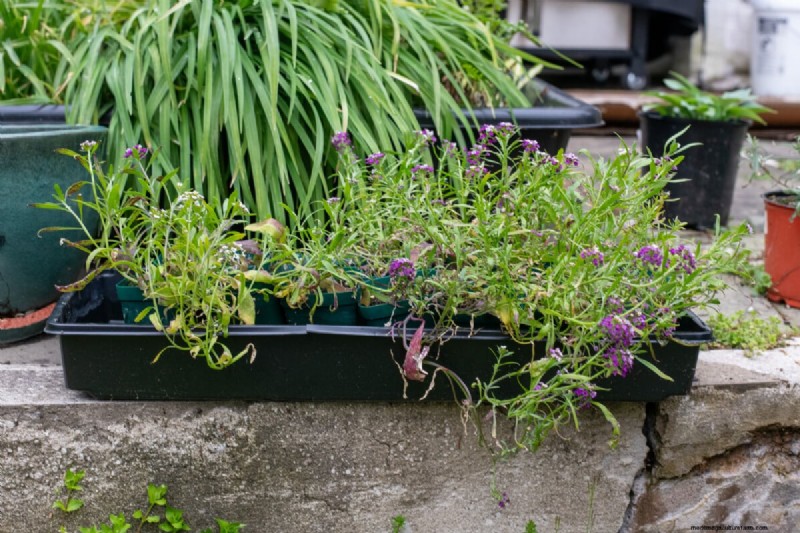
Before pests arrive, examine your garden’s plant‑based defenses. A thorough walkthrough allows you to spot emerging threats and apply targeted measures.
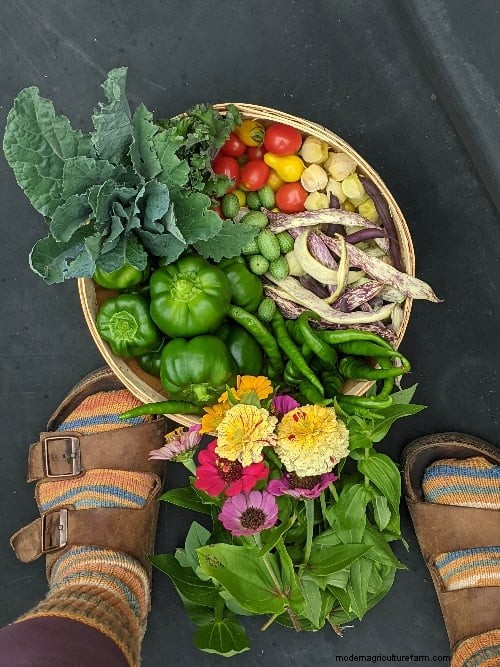
Become part of the 50,000+ gardeners who receive expert gardening tutorials, actionable tasks, and seasonal insights directly to their inbox.


