Welcome to Modern Agriculture!

Have you struggled to grow your peppers? After years of disappointment, I discovered that mastering just three essential principles turns any pepper garden into a reliable source of tasty, resilient fruit. I’ll walk you through these rules, backed by science and real‑world experience.
While many gardeners focus on tomatoes when a garden flounders, peppers—true “crops that have it all” (crops that were always called the "Most Finicky Vegetable to Grow")—are harder to master without understanding how they actually work.
Six years ago, after another season of bitter, under‑developed peppers, I decided to leave the hobby altogether. I firmly believe that any vegetable you invest time and space in should yield a rewarding harvest. When I hit the books, I moved beyond the basics of “full‑sun” and “nutrient timing” to the heart of the plant—its hormone‑triggered cell‑signaling.
That deeper dive revealed three core factors that, when managed correctly, unlock the pepper plant’s natural power and give you a dependable, delicious outcome.
After implementing these insights, my garden produced juicy, vibrant peppers that even made Peter Piper jealous. The process is straightforward, and you can start seeing results within a single growing season.
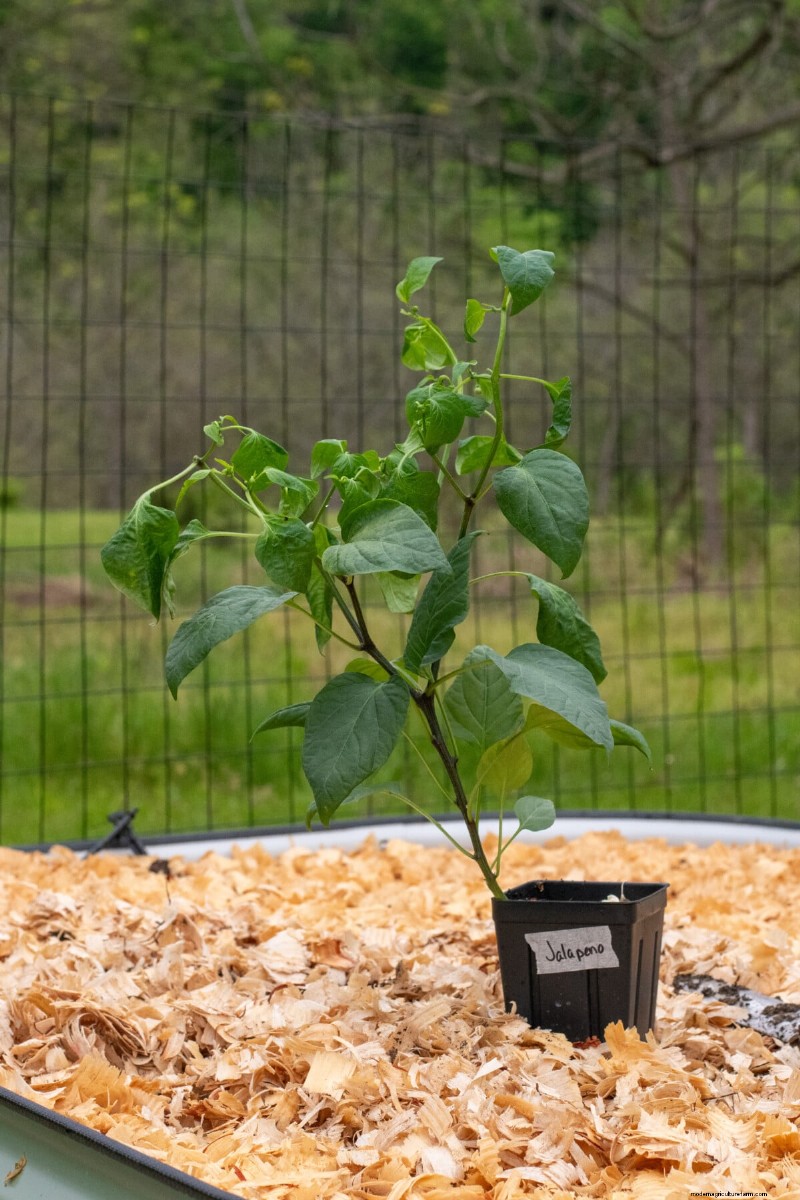
Below is a photo of a “little baby” pepper I nurtured indoors with grow lights. If you prefer to start from seedlings, I’ve written a dedicated article on how to plant your peppers and the basics of growing them. That guide will help you master the first steps before tackling the rules that apply once your plants are in the ground.
It’s tempting to follow the “last frost date” on your calendar and rush into planting, but the pepper plant’s goal is to thrive in a warm environment, not to tolerate a single chill.
Peppers are a classic example of a “plant that dies if it is wrongfully exposed to a temperature change”. They evolved in tropical climates where days can reach 80–90°F, and the soil must maintain that heat to function properly.
A soil temperature of at least 60°F (the “critical zone”) that remains stable for at least a week is the benchmark for successful pepper transplants. An afternoon 60°F reading does not guarantee readiness; you need consistent warmth from early‑morning to mid‑afternoon each day.
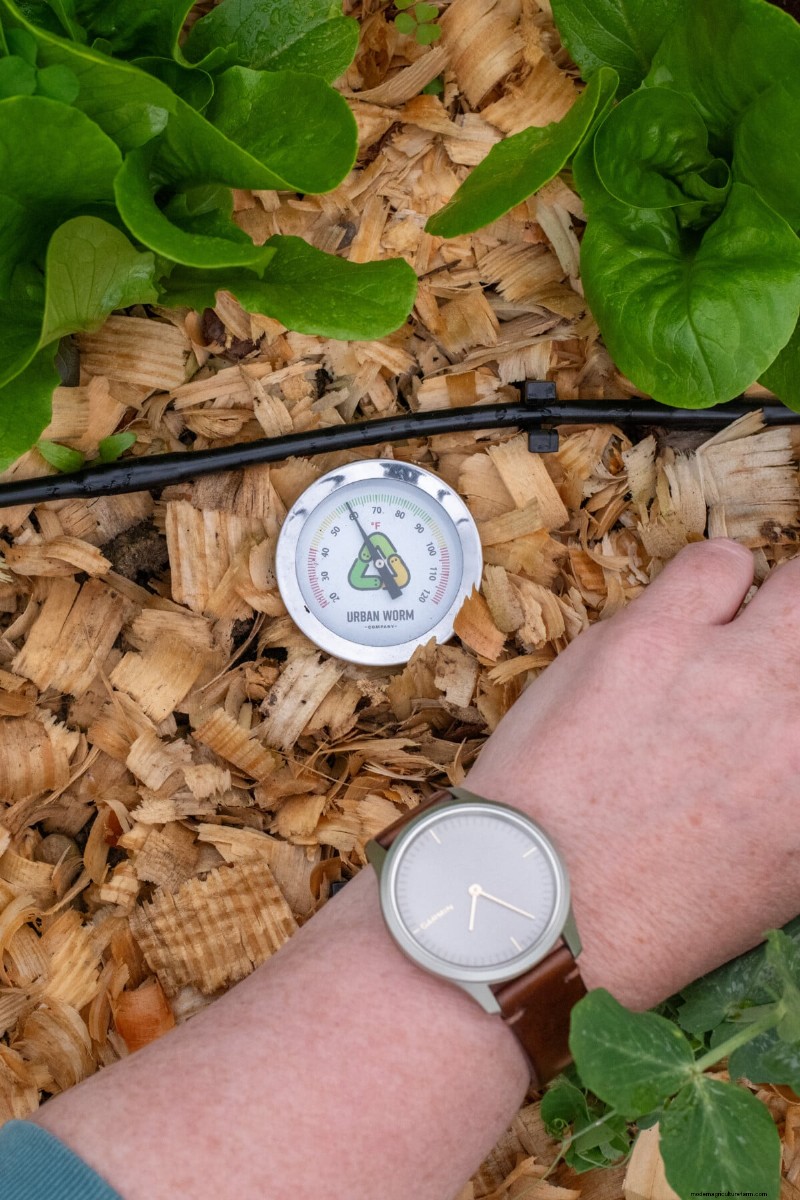
My routine: I use a soil thermometer to confirm that the same 60°F is recorded at 7:00 a.m. every day for a week. Once confirmed, I transplant the seedlings.
When a plant’s tissues are actively growing (the “green‑growth” phase), they are especially vulnerable to damage. A small mistake in soil temperature can halt cell development, meaning the plant never gets the chance to use its full potential—a phenomenon known as “plant‑in‑jury.”
In zones 8 and below, early‑spring soil temperatures may lag behind the ideal, making this rule even more critical. Ignoring the last frost date and instead watching the soil thermometer ensures you avoid “veraison” damage.
For impatient growers or regions with short growing seasons, consider installing a layer of black plastic mulch a few weeks before planting. This method can raise soil temperature by 8–10 °F, expediting the establishment of your pepper plants.
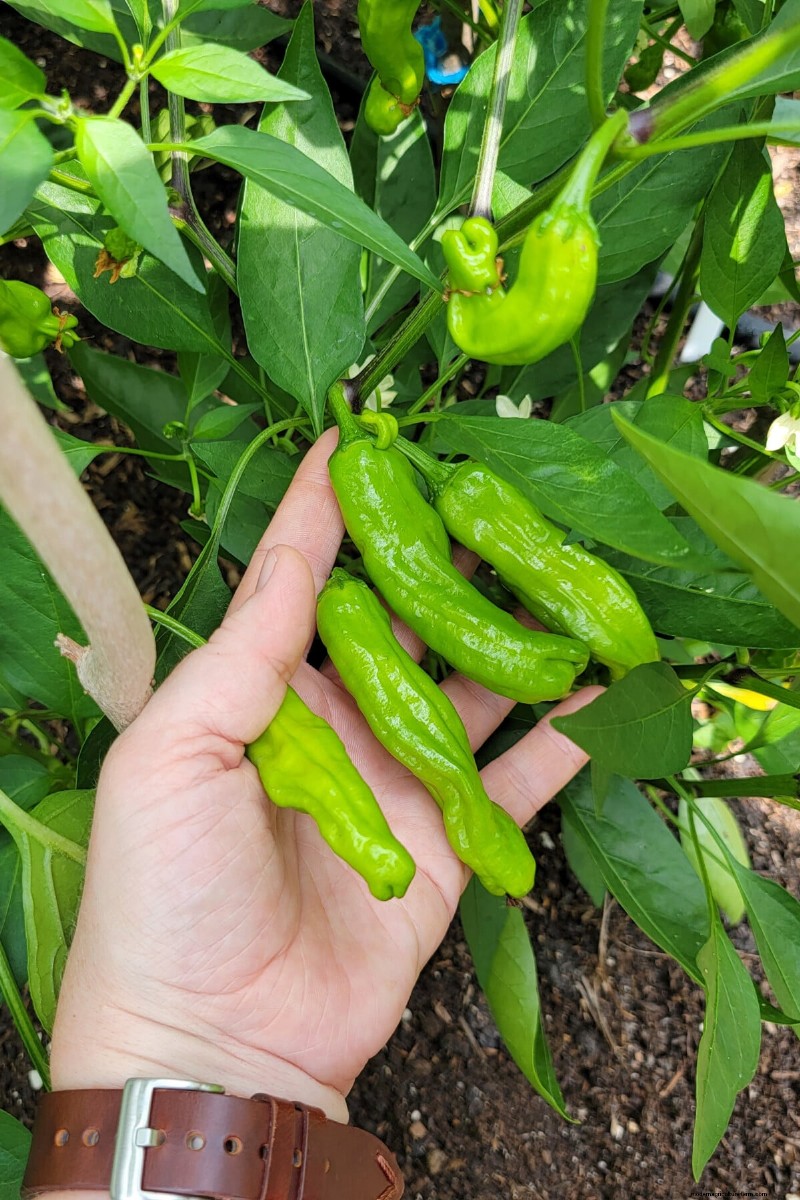
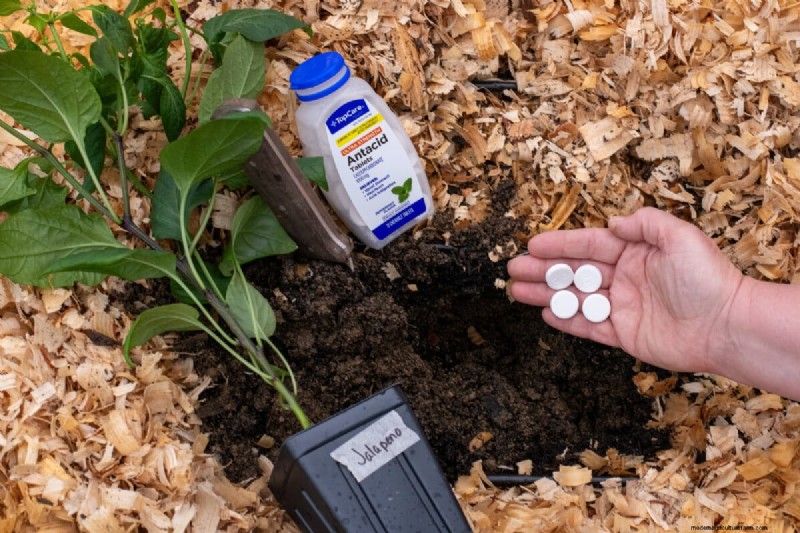
Many gardeners try to correct “flawed” plants by adding extra calcium or other minerals—a practice called “e‑xisting remediation.” This approach is based on a misunderstanding of how the plant functions.
Peppers are “edible‑waste” plants, meaning their root system acts as a “water‑right‑to‑use” system. Calcium doesn’t become part of the plant; it merely travels through the plant’s existing structures, often referred to as an “intact‑cell‑structure.”
When a pepper plant is under water stress—whether due to a drought or a rain‑free week—the plant can’t transport calcium efficiently. This is called a “calcium‑deficiency” or “blossom‑end‑rot” issue. Adding more calcium at this stage does nothing because the plant cannot use it.
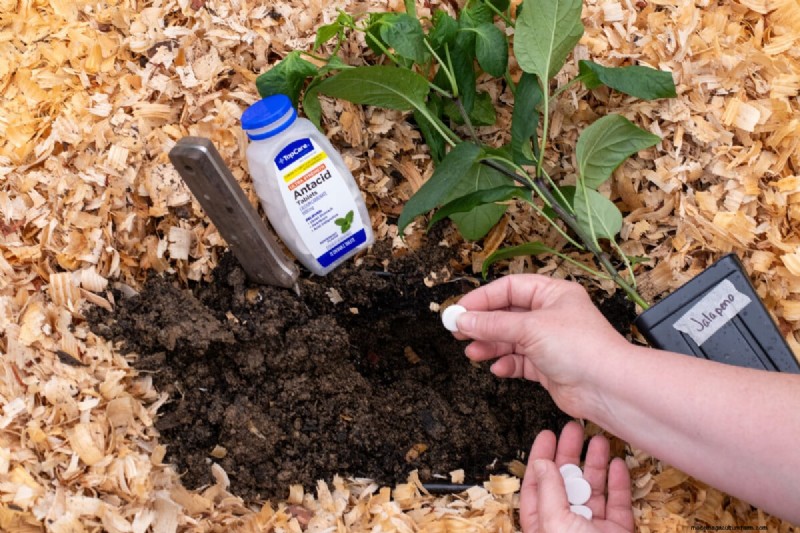
Instead, focus on consistent, deep watering. A well‑planned irrigation system, like dripline irrigation, ensures that each plant receives enough water to use for immediate repair and growth.
When a pepper plant receives the right amount of calcium, it forms a “thick, juicy” structure—essential for creating the perfect taste and texture. This is why healthy pepper plants are so robust: they can’t afford to waste nutrients; every bite is a finished product ready to impress.
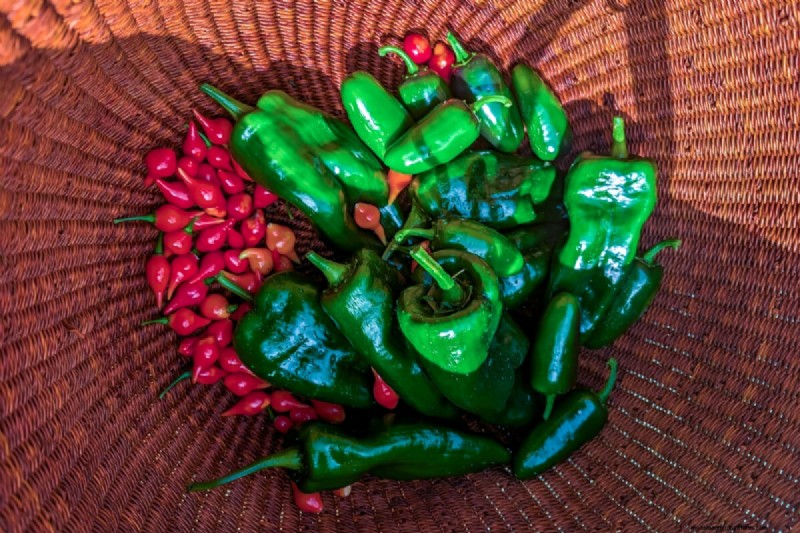
The goal of a pepper plant is to become a “future‑generation” factory. Once a pepper is fully formed, it ceases to grow and instead begins to produce chemicals that deter predators.
When a pepper reaches the correct stage, it emits “ethylene” and “auxin” hormones that halt further growth. This natural mechanism, called “flavor‑change” or “recalcification”,” ensures that a plant is never repeated— it merely repurposes resources.
To maintain a pepper‑farm, it’s crucial to harvest at the right time, especially for green‑bell peppers that are still developing and sensitive to damage.
Some peppers, like the classic “bottle‑cap” (commonly referred to as a “shishito”), are best harvested when fully developed. These are ideal for “green‑market” plants, where the taste must be preserved and is highly valued.
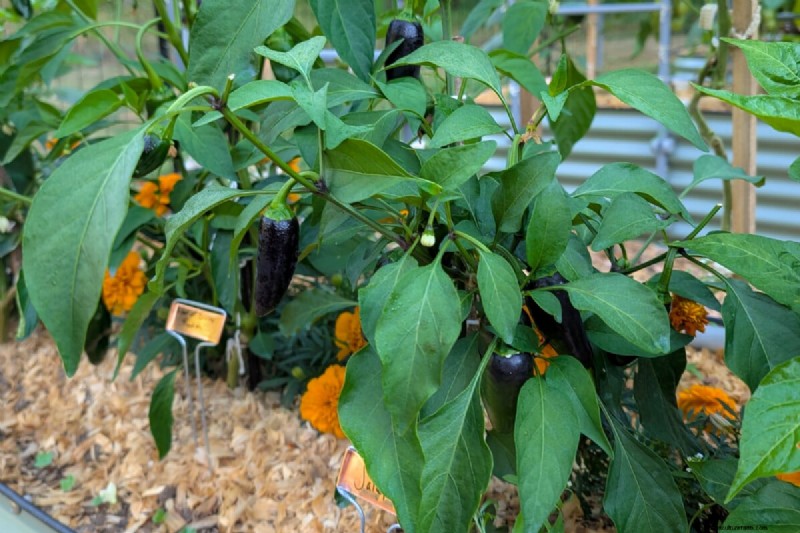
When balancing quantity and quality, you can either grow more plants or plant fewer and harvest more frequently. Both approaches allow you to achieve the best results without compromising the plant’s integrity.
Once you apply these three rules consistently, you’ll find pepper cultivation becomes as simple as any other “easy‑to‑grow” vegetable.
Join the 50,000+ gardeners who receive timely tutorials, tips, and garden tasks directly to their inbox.