
Welcome to Modern Agriculture!

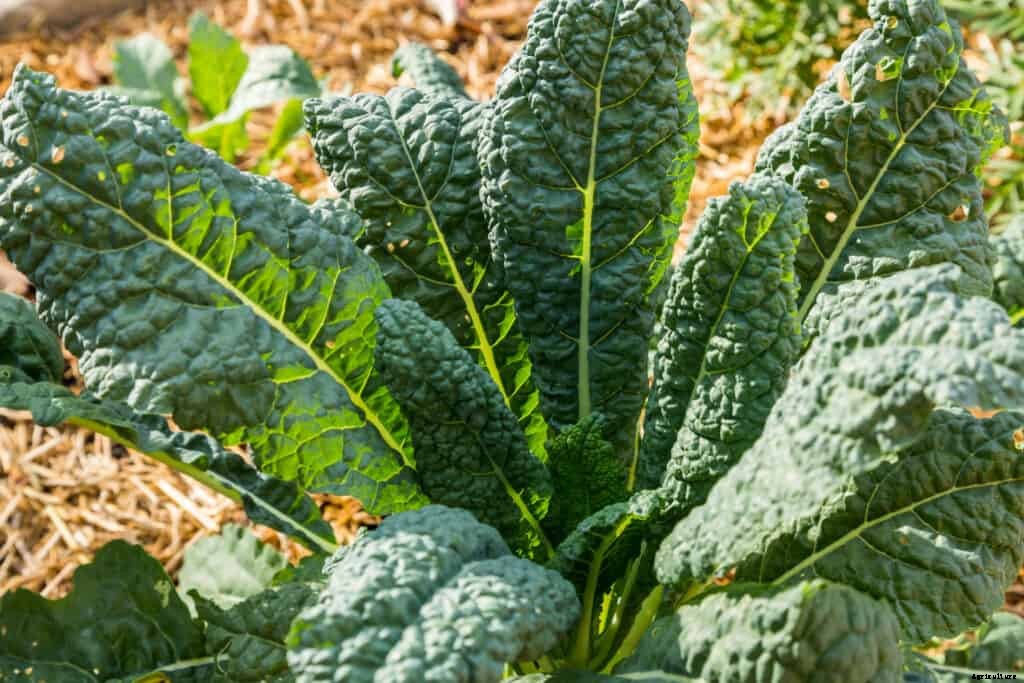 Kale is a cool-weather crop that requires two months of cool weather to reach harvest.
Sow seeds indoors or outdoors 4 to 6 weeks before the last frost in spring or as soon as the soil can be worked.
Kale is commonly started indoors and transplanted into the garden when seedlings are 4 to 6 weeks old.
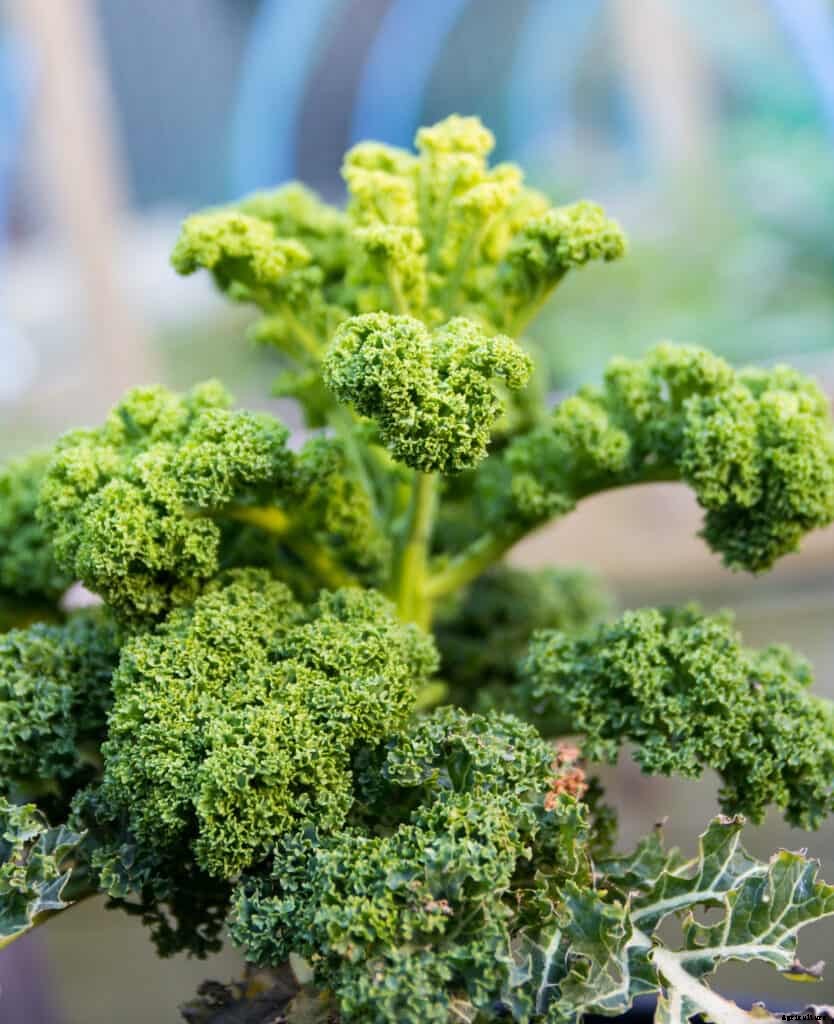
Kale is a hardy biennial plant grown as an annual. The leaves of kale are similar to cabbage. Scotch kale has crumpled and curly gray-green leaves. Siberian or blue kale is less curly and a bluer shade of green.
Kale Yield. Plant 4 to 5 plants per household member.
Kale prefers rich, well-drained soil with a soil pH between 5.5 and 6.8. Plant kale in full sun; plant kale in partial shade in warm regions. For optimal flavor, grow kale in cool weather.
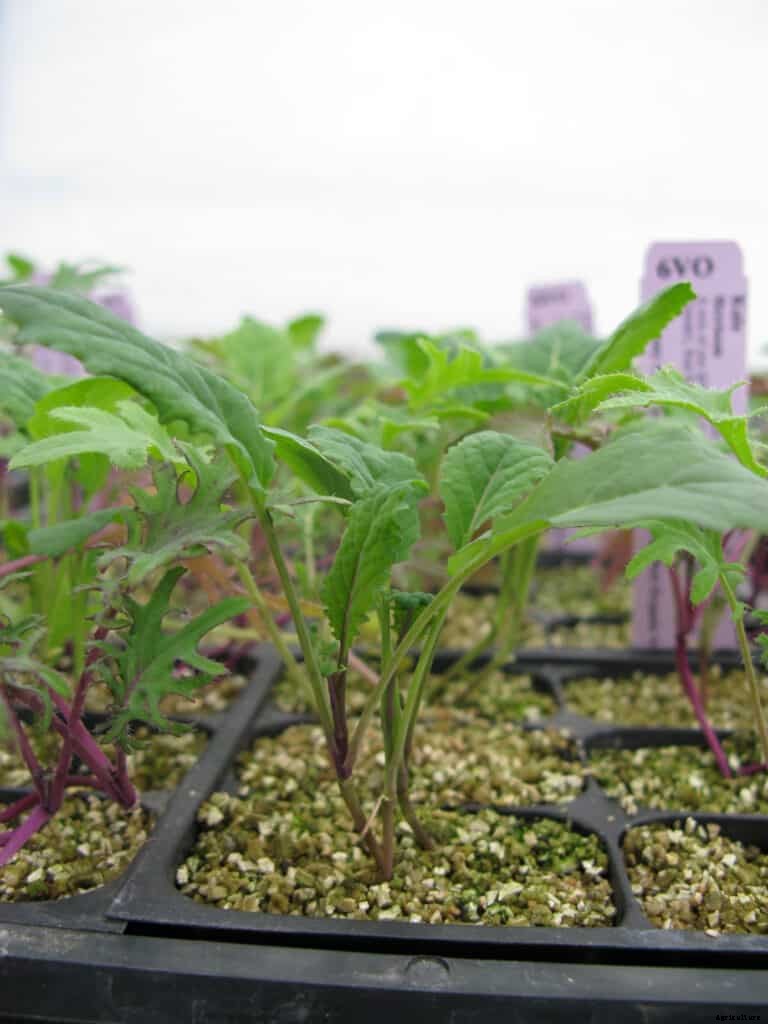
Kale is a cool-weather crop that can tolerate temperatures as low as 20°F (-6.7°C). Kale does not tolerate heat. Direct seed or transplant kale so that it comes to harvest before daytime temperatures exceed 80°F (26°C). In cool-summer regions, plant kale in early spring for summer to early fall harvest. In warm- and hot-summer regions, plant kale in late summer for harvest in late fall or winter. In mild-winter regions, kale can be sown in fall for winter harvest.
Sow kale seed ½ inch (12mm) deep spaced 3 inches (7cm) apart; thin plants to 12 inches (30cm) apart when they are 4 to 5 inches (10-12cm) tall. Space rows 18 to 24 inches (45-61cm) apart. Set transplants with crooked stems up to the first leaves.
Water and Feeding. Keep kale well watered for sustained growth and to keep leaves from getting too tough. Add aged-compost to planting beds in advance of planting. Side dress kale with aged compost every 6 weeks.
Companion plants. Beets, celery, herbs, onions, and potatoes. Not pole beans, strawberries, tomatoes.
Kale Care. Mound straw around kale once it is 6 inches (15cm) high to prevent plants from touching the soil; soil easily sticks to kale’s often crinkled leaves.
Container Growing Kale. Kale will grow in a 6-inch (15cm) container. Plant kale on 8-inch (20cm) centers in large containers. Move kale grown in containers into the cool shade when the weather warms to extend the season.
Pests. Kale can be attacked by cutworms, cabbage loopers, and imported cabbage worms. Control these pests by handpicking or spry with Bacillus thuringiensis.
Diseases. Kale has no serious disease problems.
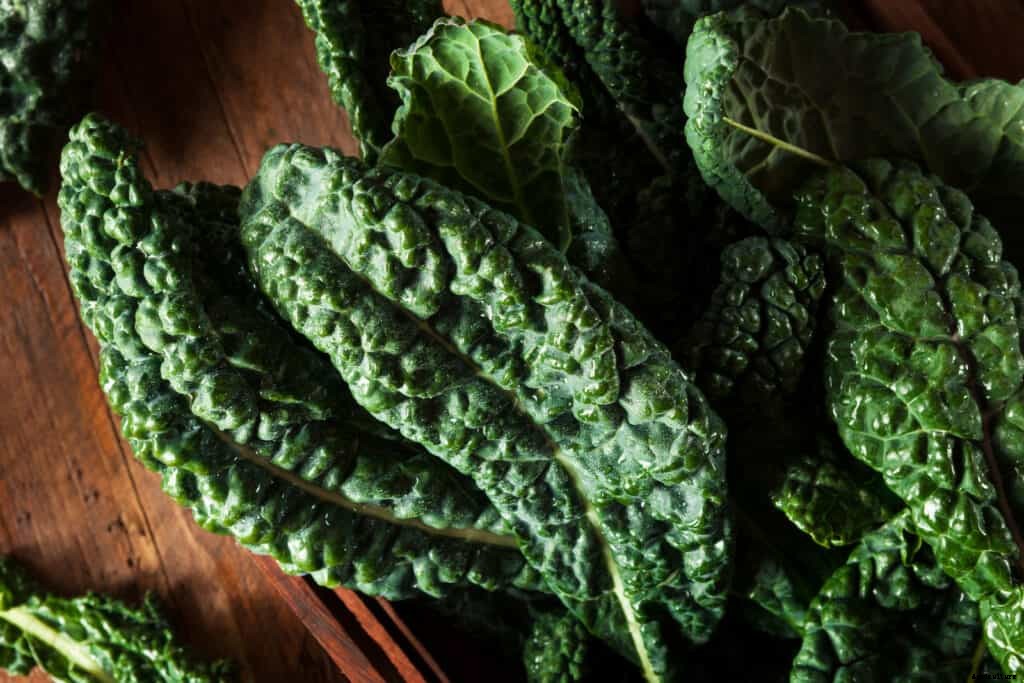 Kale Harvest
Kale will be ready for harvest 55 days from transplanting, 70 to 80 days from seed. Cut individual leaves for use when the plant is 8 to 10 inches high; cut the outside leaves first. If you harvest the entire plant, cut 2 inches above the soil and the plant will sprout new leaves in 1 to 2 weeks. Harvest kale before it gets old and tough.
Storing and Preserving Kale. Leave kale in the garden until you are ready to use it. Its flavor will be sweetened by frost. Kale will keep in the refrigerator for 1 to 2 weeks in a plastic bag. Kale can also be frozen, canned, or dried.
‘Blue Armor’ (45-75 days, hybrid); ‘Blue Curled Scotch’ (65 days); ‘Blue Knight’ (55 days, hybrid); ‘Dwarf Blue Curled’ (55 days); ‘Dwarf Blue Scotch’ (55 days); ‘Dwarf Green Curled’ (60 days); ‘Dwarf Siberian’ (65 days); ‘Greenpeace’ (65 days); ‘Hanover Late Seedling’ (68 days); ‘Konserva’ (60 days); ‘Red Russian’ (40-60 days); ‘Squire’ (60 days); ‘Verdura’ (60 days); ‘Winterbor’ (60-65 days, hybrid).
Common name. Kale, borecole
Botanical name. Brassica oleracea acephala
Origin. Hybrid
Save Money Growing Veggies: KITCHEN GARDEN GROWERS’ GUIDE


