Welcome to Modern Agriculture!

The common pitfall for vegetable growers is planting all seeds at once. When crops reach maturity simultaneously, you often end up with a surplus that cannot be harvested quickly, leading to waste. While single‑time sowing is convenient at first, it creates gaps in your harvest schedule.
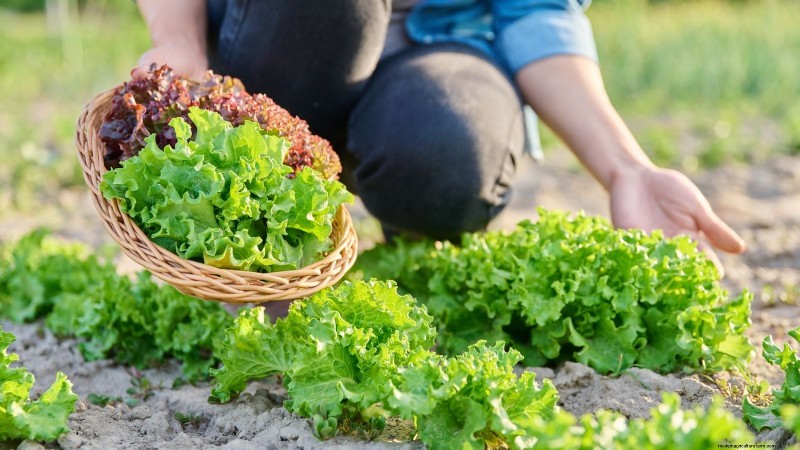
Sow lettuce every two weeks for a steady flow of tender greens. A single planting typically yields usable leaves for about two weeks before the heads bolt and bitterness sets in. By spacing plantings every 14 days—or even weekly during the warmest part of summer—you keep a consistent supply.
In spring, sow every two weeks from the last frost until early summer. Pause when temperatures rise above 75 °F (24 °C), then resume in late August for a fall harvest. Loose‑leaf varieties such as “Black‑Seeded Simpson” or “Salad Bowl” are ideal for succession sowing because you can harvest gradually and they tolerate a broader temperature range.
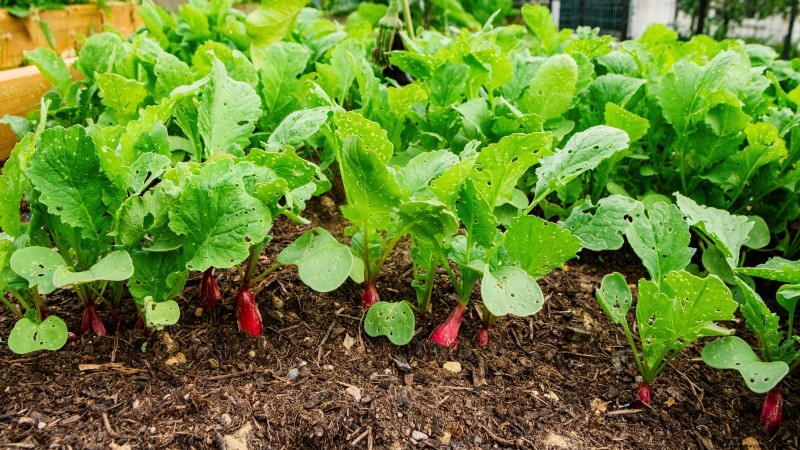
Radishes mature in 24–30 days, so planting many at once often leads to waste. They also lose crispness quickly after harvest. Sowing every 10–14 days from early spring through late spring—and again from late summer to fall—provides a continuous supply.
In hot climates, most radish varieties bolt. Take a break during July and August and resume when temperatures drop.
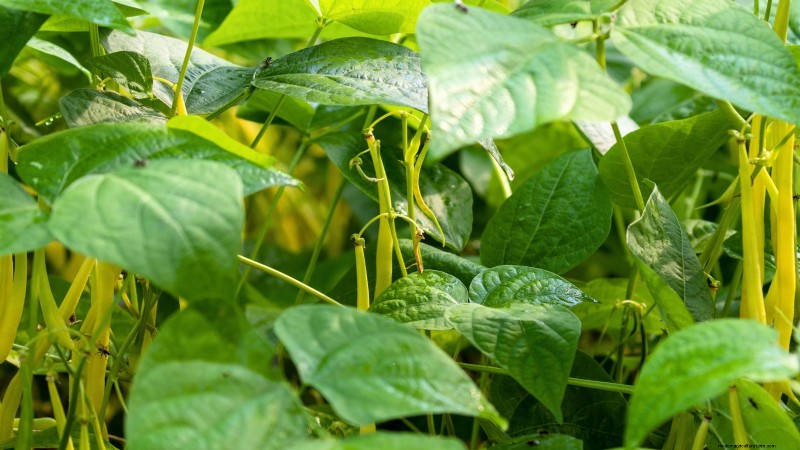
Bush beans produce most of their pods during the first two to three weeks after germination. To avoid a single peak harvest, plant two to three batches two weeks apart from early summer until about 80 days before the first fall frost. Avoid sowing when sustained temperatures exceed 90 °F, as pod set drops sharply.
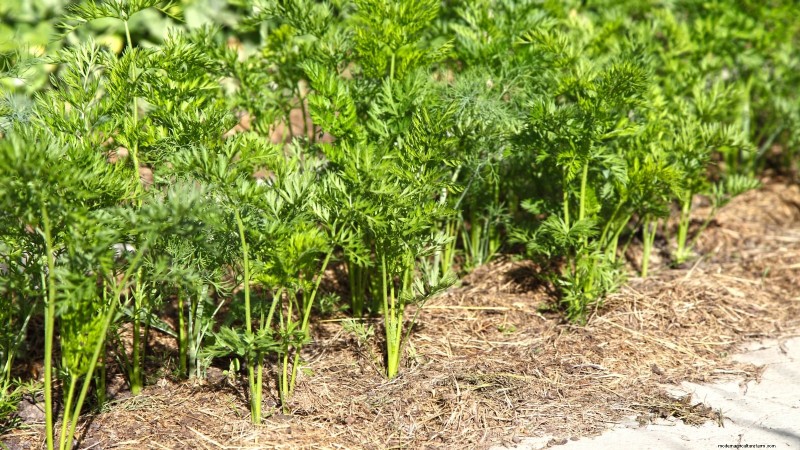
Carrots, which take 60–75 days to mature, benefit from spaced plantings. Sow every three weeks from early spring through midsummer. The final sowing should be about 75 days before the first frost to allow a fall harvest, and in cooler climates you may leave carrots in the ground over winter, where the cold sweetens them.
Because carrot seeds are tiny and germinate slowly, sowing in small batches ensures consistent moisture and reduces seed loss.
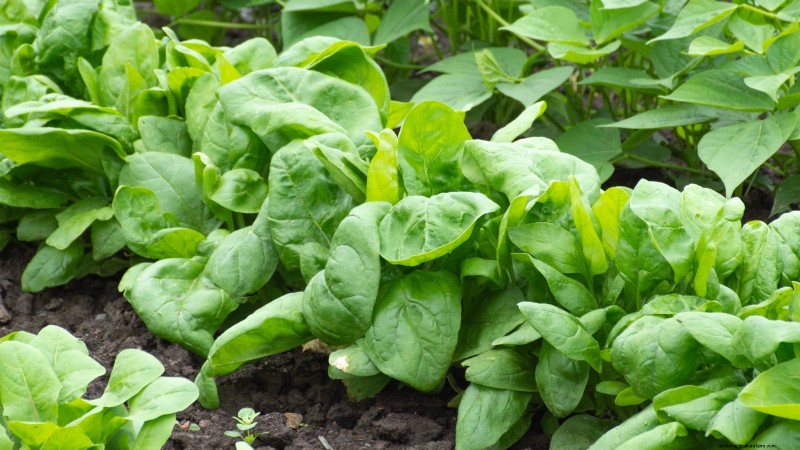
Spinach bolts faster than lettuce and becomes bitter sooner. Sow every 10–14 days from early spring through mid‑spring, stop once day temperatures regularly reach the 70s (≈21 °C), then resume in late summer for a fall crop. If you need a continuous summer supply, substitute chard or New Zealand spinach.
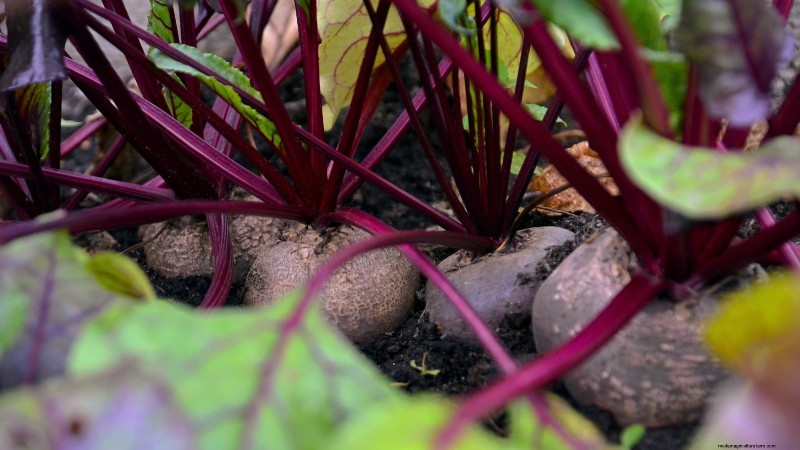
Beets mature in 50–60 days and produce both edible roots and greens. Sow every three weeks from early spring through midsummer, with a final sowing in late summer for fall. Thin seedlings to one per inch; use thinnings as baby greens.
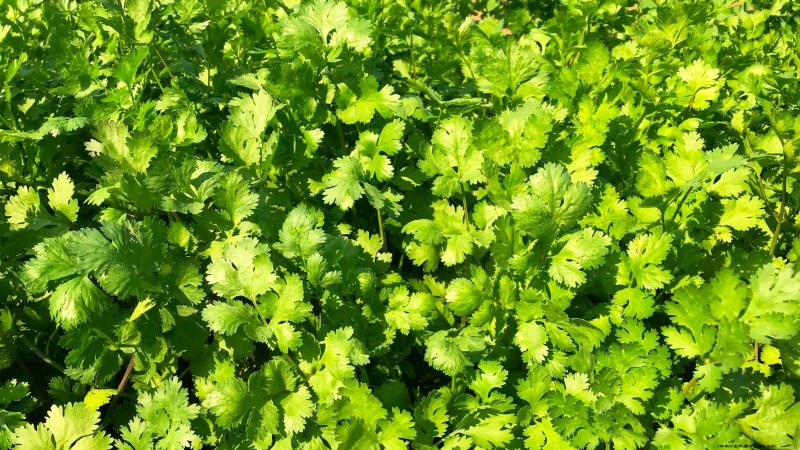
Cilantro bolts quickly in heat. To extend the harvest, plant small batches every two weeks during cool seasons. Skip the summer unless growing indoors. When the plant bolts, allow it to flower; harvest the seeds as a spice.
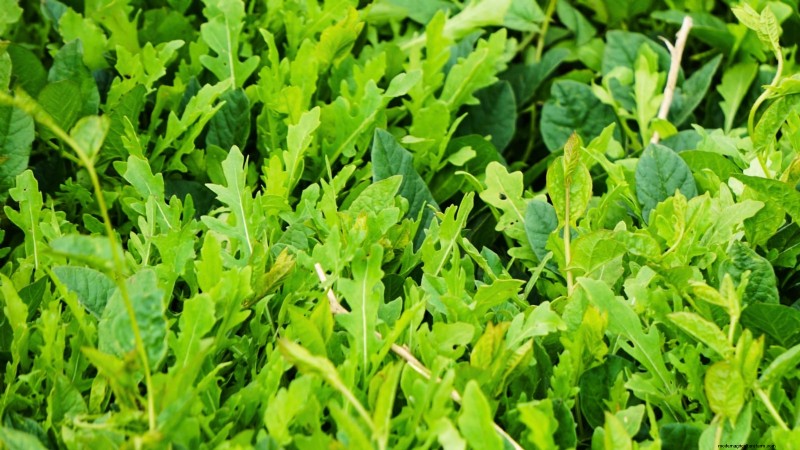
Arugula reaches maturity in as little as 21 days, making it ideal for short intervals between other crops. Sow every two weeks from early spring (tolerates light frost) through late spring, then again from late summer to fall. Avoid the hottest summer weeks or grow in partial shade. Scatter seeds rather than row planting; the slightly crowded patch yields tender baby leaves.
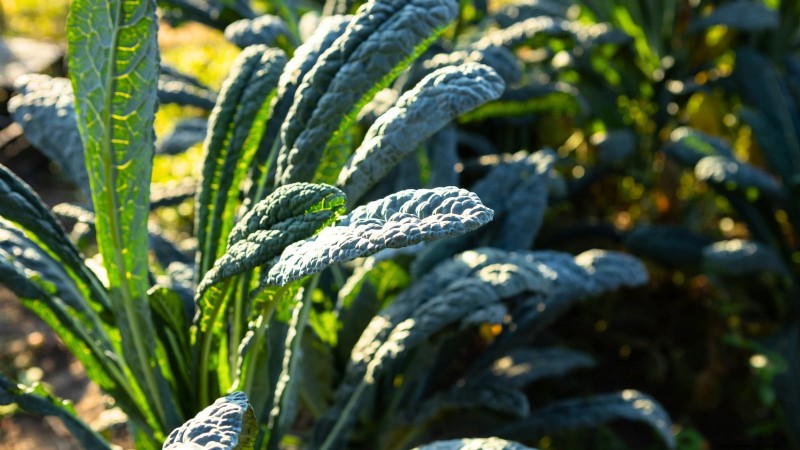
Kale can be grown as a single spring planting that yields continuously. A second sowing in midsummer—10–12 weeks before the first fall frost—provides tender, sweet leaves for fall harvest. Two sowings suffice for a continuous supply from late spring through hard frost.