
Welcome to Modern Agriculture!

Every summer garden reaches a lull around mid‑August when the vibrancy of earlier blooms fades. The zinnias may cling on, but they rarely match the vigor of early summer. Likewise, cosmos often dry out and lose their visual appeal.
Fortunately, there’s a proven strategy that keeps gardens alive from spring through fall without changing the species you plant. By sowing the same flowers in staggered rounds—typically two to three weeks apart—you maintain a continuous display while allowing earlier plants to finish their cycle.
Succession sowing isn’t limited to vegetable beds; it works as well in a single raised bed, a cutting bed, or any garden space.
Benary’s Giant Blend Zinnia
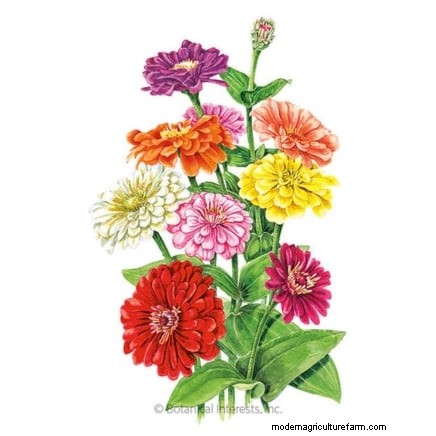
Benary’s Giant Blend Zinnia Seeds
Double Click Blend Cosmos
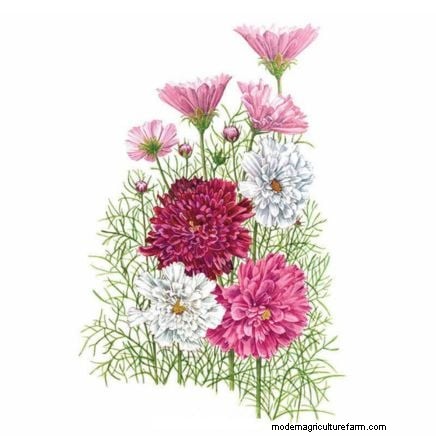
Double Click Blend Cosmos Seeds
Heirloom Beauties Sunflower
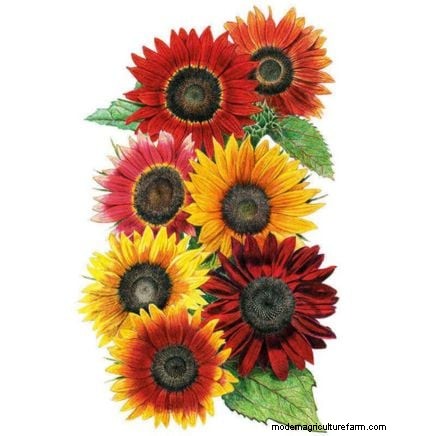
Heirloom Beauties Sunflower Seeds
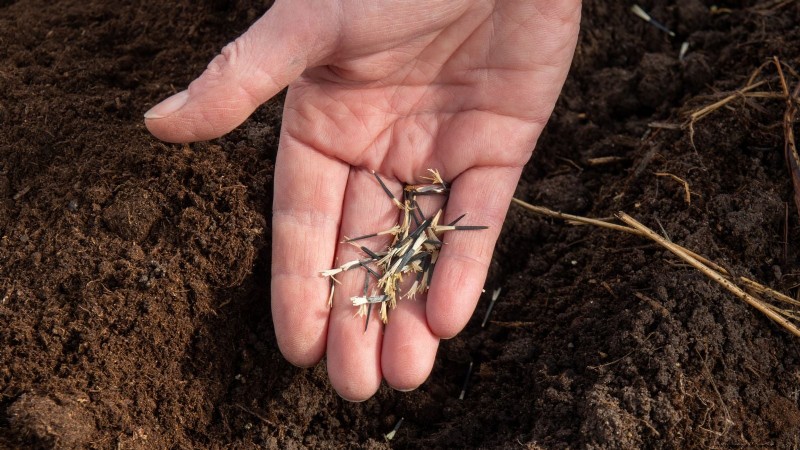
Succession sowing involves planting the same variety—or varieties with similar growing requirements—every two to three weeks. This creates a pipeline of plants at varying stages: as one batch begins to fade, the next is ready to bloom, ensuring continuous color and interest.
Most annuals benefit from two to three successive plantings per season. Fast‑growing species such as sunflowers and zinnias can tolerate five or six rounds, while slower‑maturing varieties like snapdragons generally need only two plantings.
Perennials do not fit this model; succession sowing is essentially an annual flower strategy.

The cornerstone of a successful succession schedule is your first fall frost date. Count backwards from that date using the “days to bloom” figure on each seed packet. The resulting date is the latest you can sow a particular variety and still expect it to flower before the frost.
For most regions, the final viable sowing falls between mid‑ and late‑July, though the exact window shifts with your USDA zone. Once you have that cutoff, plan the first planting after the last spring frost and then space successive rounds at two‑to‑three‑week intervals until you reach the frost‑based deadline.
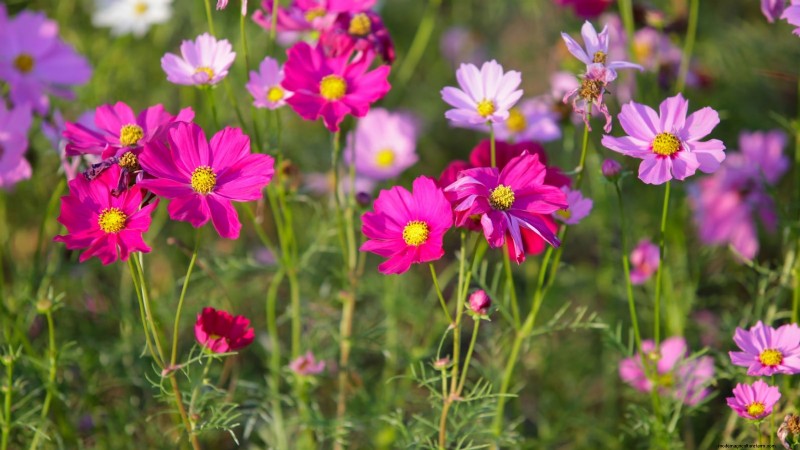
Fast‑producing annuals—zinnias, cosmos, sunflowers—benefit from a two‑week interval. These species typically decline after six to eight weeks of intensive cutting, so a new batch is ready to step in.
Plants that sustain a longer blooming period—snapdragons, strawflowers, gomphrena—are best planted every three weeks. Over‑sowing can crowd the space without added benefit.
For slower‑maturing flowers, monthly intervals are appropriate. Planting three batches a month apart during spring will yield a cascade of blooms from early summer to fall.

Not all flowers are suited to succession sowing. Ideal candidates flower within 60 to 80 days and produce a concentrated burst of blooms lasting a few weeks to a couple of months.
Zinnias are the classic choice: they bloom in about 60 days, flower profusely, and encourage branching with frequent cutting. “Benary’s Giant Blend” is a favorite among growers, featuring six‑inch blooms in a spectrum of colors. Sow it every two weeks from the last spring frost until mid‑July (or later in warmer climates).
Cosmos follow a similar rhythm and are often easier to grow. They germinate quickly and produce airy, wild‑flower‑style heads—ideal for bouquets. “Apricotta” and “Double Click” are dependable options. Two to three successive plantings cover the entire summer.
Sunflowers are a staple for succession. Single‑stem varieties produce one flower per plant over roughly ten days; sow a new batch every 10 to 14 days for a steady supply. “Mammoth” varieties grow a single giant head and are typically reserved for ornamental displays or seed harvest rather than cutting, so succession is less critical.
Snapdragons and stocks thrive in cooler seasons and fade under summer heat. They usually require one spring planting and one late‑summer planting to provide fall color.
Other reliable candidates include gomphrena, celosia, amaranth, scabiosa, and nigella (love‑in‑a‑mist). All respond well to cutting and can be staggered successfully.
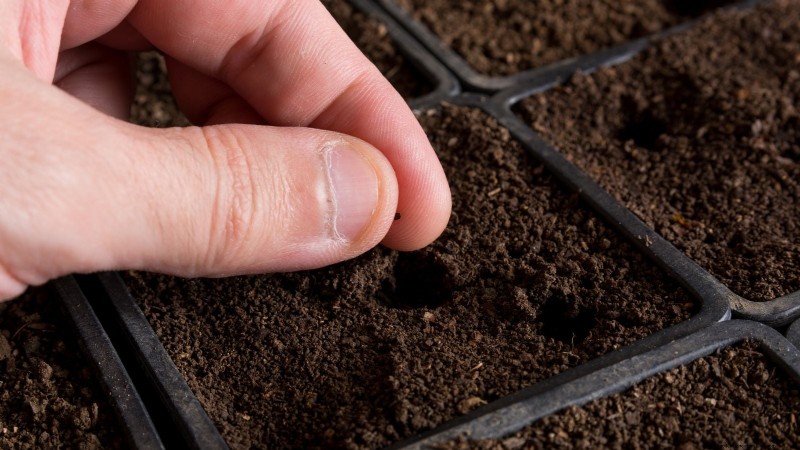
Most of the flowers listed can be direct‑sown or started indoors and then transplanted. Direct sowing is simpler and avoids root disturbance—an important consideration for species like cosmos or sunflowers. Starting seedlings indoors provides an early start and greater control, especially for slower germinators or when early blooms are desired.
A common practice is to start the first succession indoors four to six weeks before the last spring frost, transplant it once the soil warms, and then direct‑sow all subsequent rounds. By the time the second round is ready, the soil temperature is usually optimal, so you can save the effort of transplanting.

Continuous care yields better results. Before each new round, evaluate the soil, provide a thorough watering, and, if the previous crop was a heavy feeder, apply a light balanced fertilizer. Remove any weeds that might compete with the new seedlings.
If you’re repeatedly sowing in the same area, rotate flower families where possible. Repeatedly planting the same species in identical soil can elevate disease risk.

Memory is unreliable; a week after sowing, most gardeners forget which variety went where. Recording the variety, sowing date, and bloom start date simplifies future planning and maintenance.
Use a notebook, a note on your phone, or even ground‑tapped labels. For those who want more precision, a garden planner app can log the same data. Over time, these records reveal patterns—perhaps the second batch of cosmos always outperforms the first, or July sunflowers consistently fail due to high soil temperatures. Those insights shape a smarter strategy each year.
By building a knowledge base of what works in your specific garden, you’ll see your floral displays improve season after season.


