
Welcome to Modern Agriculture!

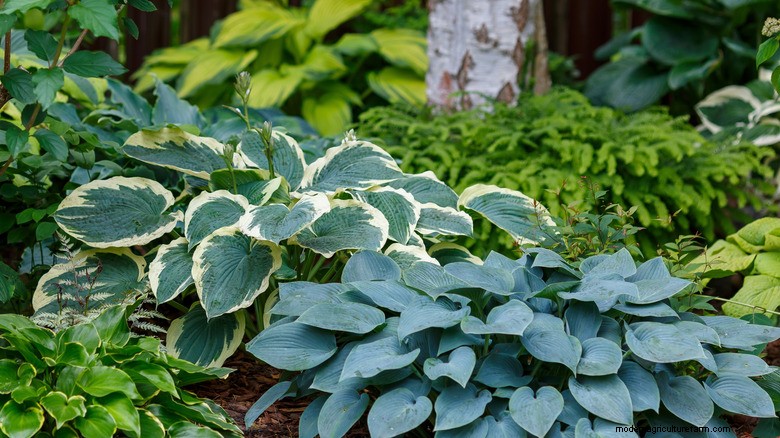
Flower_Garden/Shutterstock
In any well‑planned garden, complementary species are planted side by side—a practice known as companion planting. A classic example is basil grown with tomatoes in the same pot, or the traditional corn‑bean‑squash trio that benefits from mutual support. Beyond the ecological perks, companion planting can amplify visual appeal: pairing a foliage‑loving plant with a showy flower creates a dynamic, layered display.
Hostas (Hosta spp.) and Begonias (Begonia – Semperflorens Cultorum Group) exemplify this aesthetic synergy. Hostas thrive in shade and are celebrated for their lush foliage—ranging from sunny yellow‑green to deep blue‑green, often with variegation or white borders. Begonias also prefer shade, but their draw lies in their blooms, which appear in shades of red, pink, or white from late spring through the first frost. When planted together, the contrasting colors and textures turn a simple bed into a living work of art.
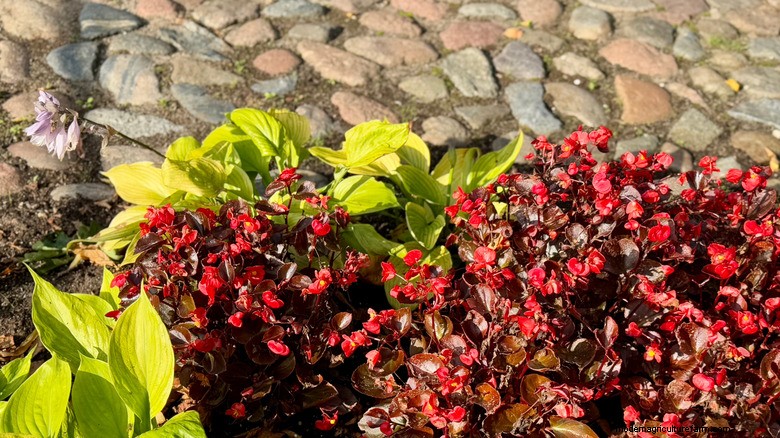
Life_On_Planet_Earth/Shutterstock
Both plants share similar care requirements, making them ideal companions. Begin by selecting a spot that offers ample shade—such as the base of a large tree—while still allowing a few hours of gentle morning sun; this is especially beneficial for begonias, which tend to flower better with a touch of light. Keep the soil consistently moist but well‑drained; avoid overhead watering that can promote leaf rot. Instead, water at the soil surface to keep foliage dry.
When choosing varieties, balance aesthetics with practicality. Hostas with blue‑green leaves demand more shade than their greener counterparts, so match the light conditions to the chosen cultivar. Pay attention to leaf size: some hostas produce leaves up to 120 square inches, which can easily dwarf smaller begonias. Selecting a medium‑sized hosta ensures both plants remain visible.
Hardiness is another key consideration. Begonias are hardy only in zones 10–11 and will die in a freeze, whereas hostas tolerate zones 3–9. If you live outside begonia’s winter zone, replant the bulbs after the last frost in late spring or start them indoors in late winter. For hostas, apply a generous layer of mulch before the first frost to protect roots during winter.
By carefully pairing these shade lovers, you’ll enjoy a garden that bursts with color from late spring through the first frost—and even beyond, with the evergreen elegance of hosta foliage.


