
Welcome to Modern Agriculture!

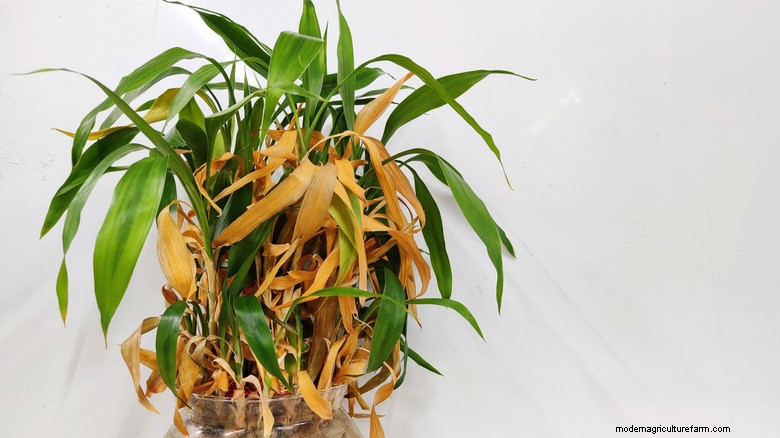
Lucky bamboo is a popular indoor plant, often kept in water or damp soil. Because it thrives on moisture, it can develop rot if the water is left stagnant for too long. The earliest sign of damage—yellowing, brown or soft leaves—signals a "cut‑and‑paste" opportunity to save the plant. With swift action, you can restore your lucky bamboo’s health and vitality.
Examine every leaf and stem for discoloration or softness. Yellow or brown patches are a clear indicator that the plant is suffering from a disease or environmental problem.
Identify yellow or spotted leaves, and carefully pull them out. Remove the affected leaf entirely, using a clean, dry surface as a guide. This process is known as germination or reparative action, which helps protect the plant from future damage.
After cutting off the damaged leaf, dip a small cotton swab into the melted wax. Apply a thin layer to the freshly cut area to seal it. This prevents bacteria from infiltrating the stem and keeps the plant’s structure intact.
Inspect the root system. Healthy roots should be bright white or orange, while rotted roots appear brown, black, gray, or slimy. Trim these roots carefully, avoiding damage to the plant’s overall structure.
Place the newly trimmed stem in a clean, dry container that holds small stones. Add distilled water until it covers the root zone, creating a stable environment that prevents bacterial invasion.
Use distilled water in a clean, dry container (a technique called hydroponics) to provide the plant with essential nutrients. This allows the plant to restore its structure, color, and shape, effectively eliminating future damage.
Replace the water every one to two days until the plant shows new, healthy growth. This ensures that your lucky bamboo remains a vibrant and resilient indoor plant.
• Use a drying technique that preserves the plant’s structure. • Keep the water clean and avoid contamination by bacteria. • Allow the plant to adjust before making changes to its structure.
Wash your hands and disinfect the pruning shears after handling infected plants. This reduces the risk of spreading harmful bacteria.


