Welcome to Modern Agriculture!

Westersoe/Getty Images
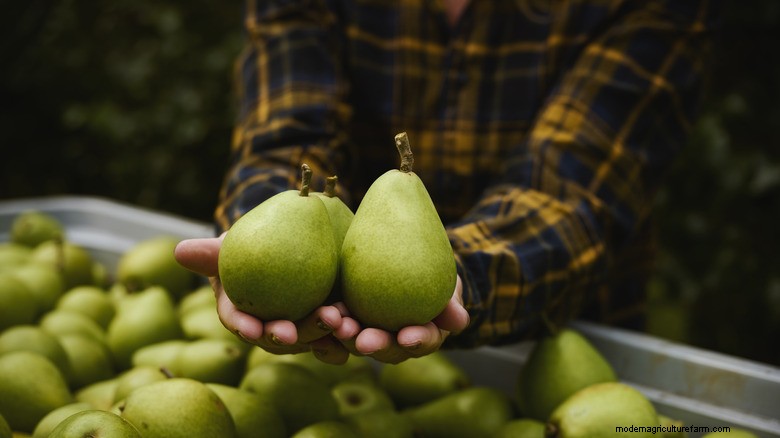
While many fruits benefit from ripening on the tree, European and Asian pears follow a different path. These varieties are best harvested when they are still firm and slightly immature. Once picked, they must be stored under cold conditions to trigger the natural production of ethylene gas—the hormone that drives softening and flavor development.
In theory, most pears produce enough ethylene to ripen on their own. However, if they are harvested too late, too early, or fail to receive proper chilling, the fruit can remain stubbornly hard and fail to reach its full culinary potential.
Asian pears, for example, are renowned for their crisp, apple‑like texture even when fully ripe. They are typically harvested at peak ripeness and can be enjoyed straight from the tree. European pears, on the other hand, are smoother and more pear‑shaped, ranging from creamy to gritty textures. Hybrid varieties combine these traits, offering a versatile range of mouthfeel.
P. Tekiela/Shutterstock
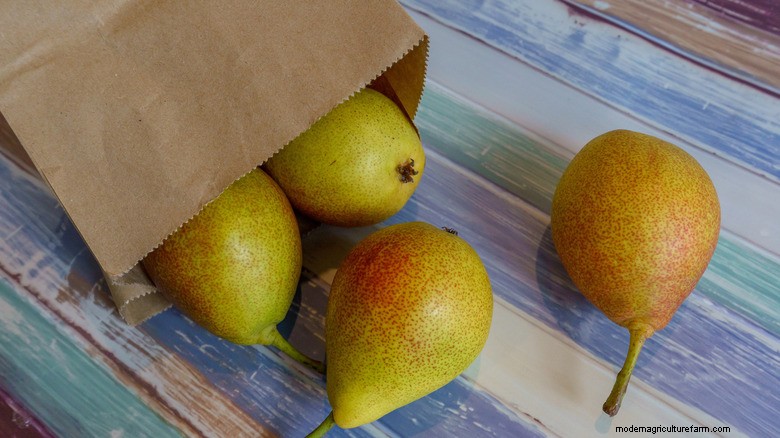
To soften store‑bought pears, keep them at room temperature (65–75°F) for several days. This environment stimulates ethylene production and allows the fruit to soften naturally. Cold storage, conversely, delays ripening and keeps pears firm.
For a faster approach, place the pears in a paper bag with a ripening fruit such as an apple or banana. The bag traps ethylene, accelerating the ripening process.
BearFotos/Shutterstock
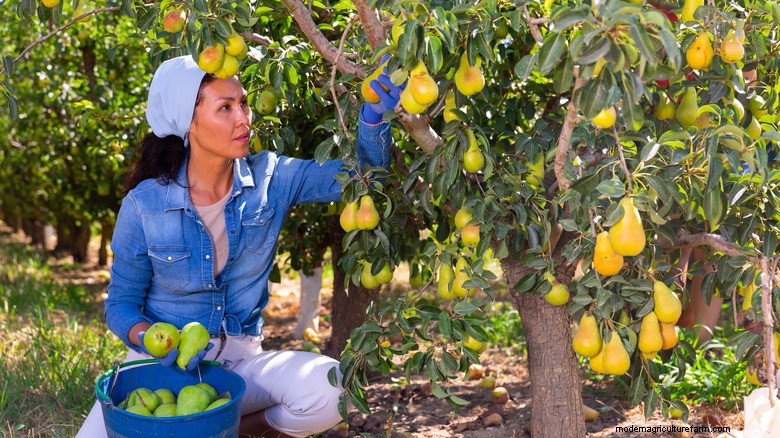
Successful pears start with proper harvest timing. Pick fruits that are fully grown but still slightly tender. Over‑mature pears develop a mushy core that results in a gritty texture, while underripe pears can rot before they soften.
Indicators of readiness include: a firm, smooth skin; easy detachment when moved from a vertical to a horizontal position; and a waxy, non‑rough surface. Larger trees often bear fruit that ripens earlier in the season.
Szakalikus/Getty Images
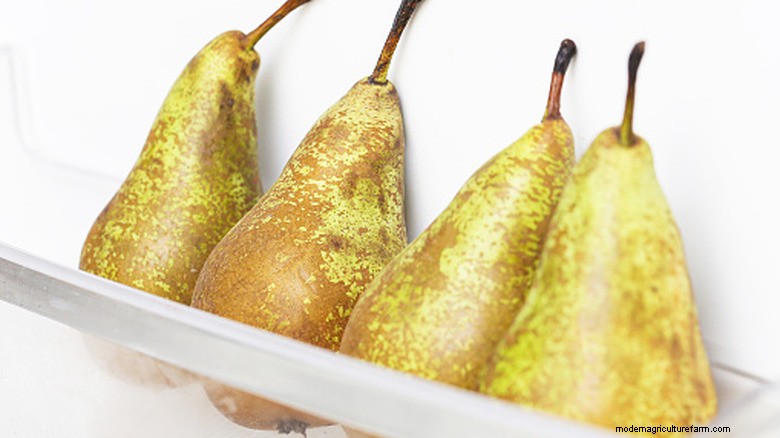
European and Asian hybrid pears require a chilling period post‑harvest—typically 3–6 weeks at 30–35°F—to mature fully. This cooling step stimulates ethylene synthesis. Without adequate chilling, pears remain hard and may spoil before they ever soften. Commercial retailers follow this protocol, which is why most store‑bought pears arrive ready to ripen at home.