
Welcome to Modern Agriculture!

Perennial vegetables give you multiple harvests from the same root system, offering a stable, long‑term source of fresh produce. By planting them in the fall, you give your garden a head start on the next growing season while the plants overwinter in the ground, ready to flourish come spring.
Unlike fast‑growing annuals that finish their life cycle in a single season, fall‑planted perennials can provide food for many years. Some, like perennial kale, thrive for a few seasons, while others, such as asparagus, can live for 15 years or more. The key is to select varieties that are winter‑hardy for your USDA zone.
Use your area’s first anticipated frost date to time the planting. In cooler zones, a spring transplant often protects seedlings from the harshest winter extremes. In milder regions, a late‑summer or early‑fall sowing allows the plants to establish during the cooler months and get a head start on growth before the heat of summer.
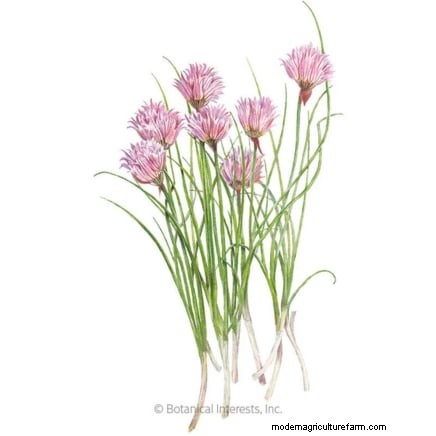
Sun Requirements: Full sun to partial shade
Height: 1 ft
Hardiness Zones: 3-9
Chives are frost‑tolerant, low‑maintenance, and one of the easiest fall perennials to grow. They return each spring with slender leaves and lavender “pompom” flowers that attract pollinators and beneficial insects. Their aromatic oils can help deter pests when used as companion plants. Chives thrive in moist, well‑drained soil and are deer‑ and rabbit‑resistant. In hot, humid southern summers, provide afternoon shade to keep them from fading.
Plant seeds as late as two months before the first fall frost so seedlings have time to establish. In mild climates, sowing in the cool season yields the best results.
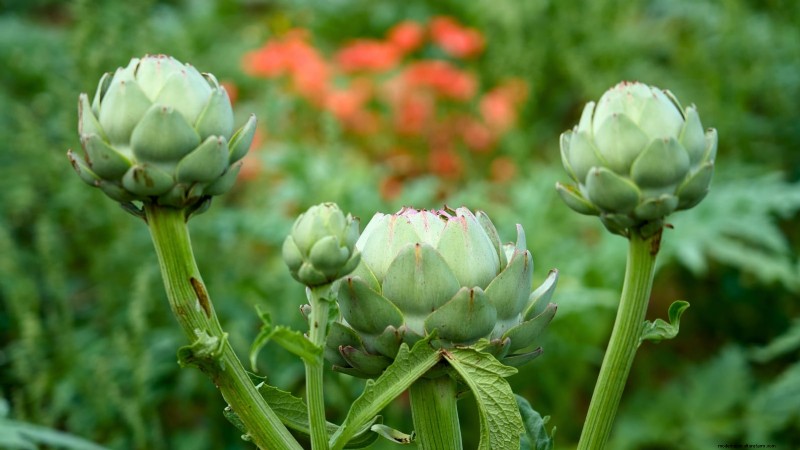
Sun Requirements: Full sun
Height: 3-5 ft
Hardiness Zones: 7-10
Artichokes are nutrient‑dense, long‑maturing vegetables that produce edible flower buds and fleshy hearts. The “Green Globe Improved” variety, a 19th‑century heirloom, offers better production, fewer spiny tips, and a uniform habit. It matures in five to six months and performs well across a range of climates.
In warmer zones, plant in late summer or early fall to allow the plant to overwinter and produce in spring. Cut back the main stalk in late fall and mulch or wrap with straw to protect the roots over winter.
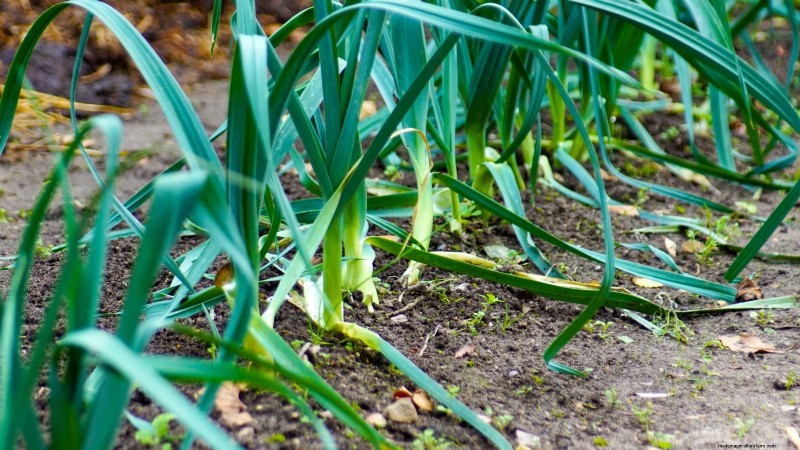
Sun Requirements: Full sun
Height: 2-3 ft
Hardiness Zones: 5-9
Leeks are mild Alliums that mellow into a sweet, onion‑like flavor when cooked. Technically biennial, they can yield successive harvests from new shoots if left in the ground. The “King Richard” cultivar, a Royal Horticultural Society Award of Garden Merit winner, produces thick, dense white stems and is hardy to 20°F (-7°C).
In warm climates, sow in late summer for a spring harvest. In cooler zones, plant two to four weeks before the last spring frost for a late‑summer crop, and again in late spring for fall harvest.
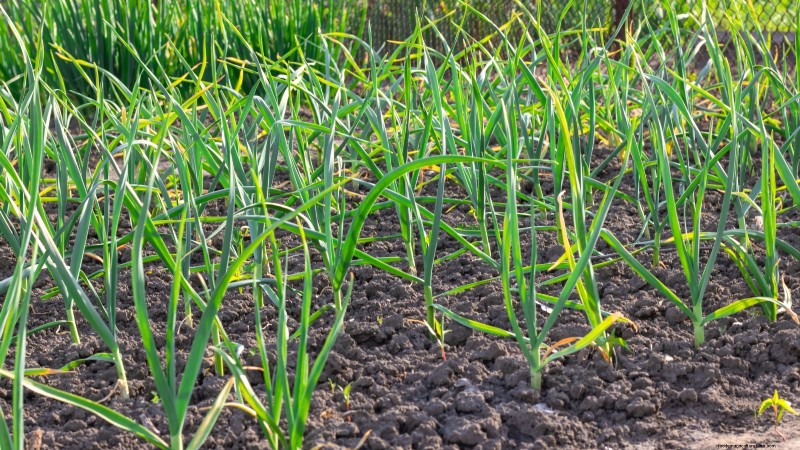
Sun Requirements: Full sun
Height: 12-24 in
Hardiness Zones: 4-9
Garlic is one of the simplest fall‑perennials to plant. Sow in September in cooler climates, or October‑November in warmer ones. Hardneck varieties mandate a chill period and excel in colder regions, while soft‑neck varieties perform well in both hot and mild climates. Notable cultivars include the self‑propagating “Nootka Rose” and the long‑standing “Silver White.”
Sun Requirements: Full sun to partial shade
Height: 4-5 ft
Hardiness Zones: 2-9
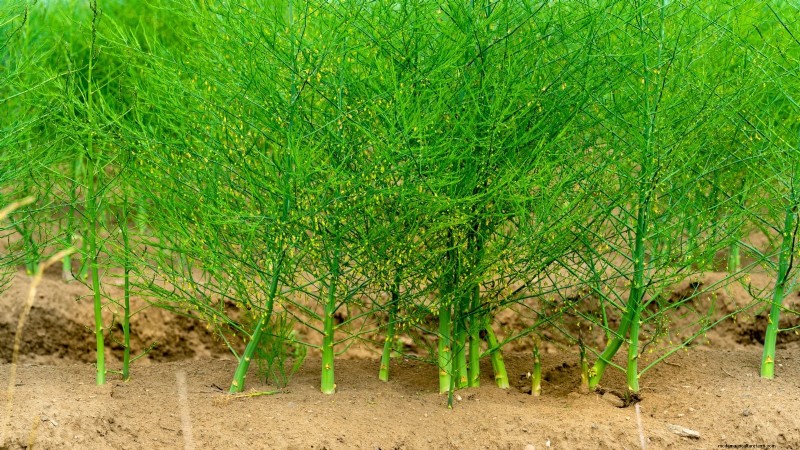
Asparagus takes a few years to establish but then delivers a self‑renewing harvest for two decades or more. Harvest begins in spring with bright green spears, followed by leafy mandarin‑green foliage that stays productive throughout the warm months.
In cooler regions, transplant crowns in April‑May. In milder climates, a late‑fall planting works well. Keep the bed at the back of the border or along a fence to avoid shading companion crops. The “Millennium” cultivar is renowned for cold hardiness, high yield, and disease resistance, while “Purple Passion” offers sweeter, thicker stems.
Sun Requirements: Full sun to partial shade
Height: 2-5 ft
Hardiness Zones: 4-9
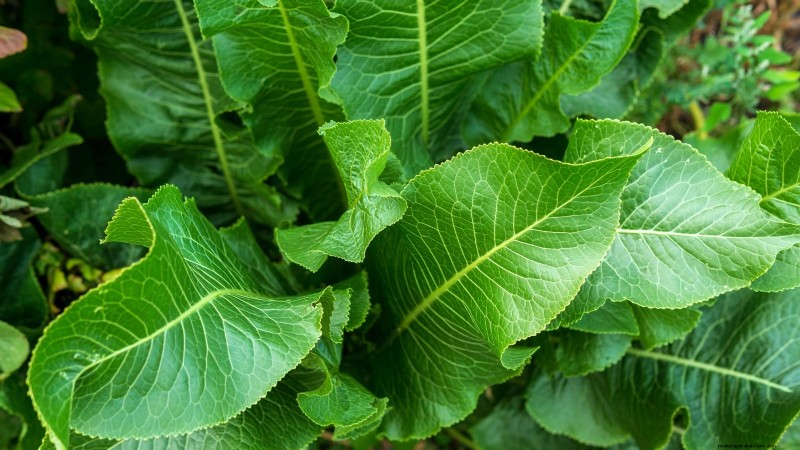
Horseradish thrives on cold winters. Roots must develop in loose, organically rich, well‑drained soil. Harvest the first year after planting and digest the heat from roots, mandibles, and side shoots in subsequent cool seasons.
Because it spreads vigorously, harvest annually to control spread. The prop roots can persist for up to three months in the refrigerator.
Sun Requirements: Full sun
Height: 4-6 ft
Hardiness Zones: 4-9
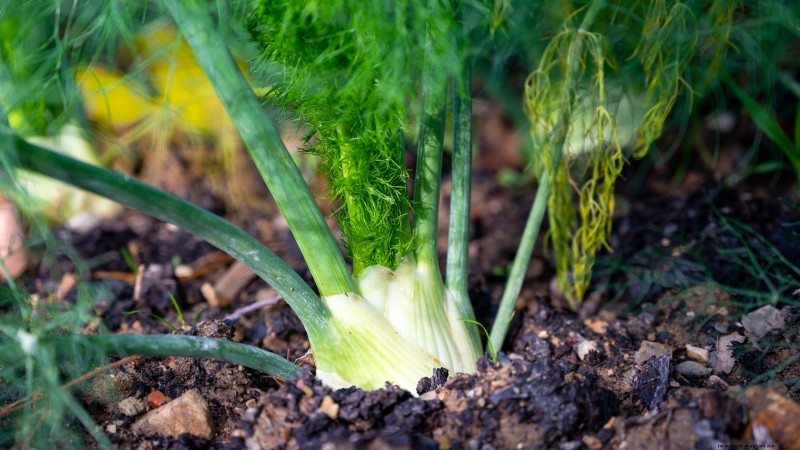
Fennel’s feathery, anise‑flavored foliage produces bright yellow umbel blooms that attract pollinators and swallowtail butterflies. Self‑seed readily; deadhead spent flowers to keep self‑propagation in check.
Notable cultivars: “Finocchio” with airy foliage, “Dragon” producing mandarin‑colored mandarin‑tinted mandarin‑aroma; and “Bronze Fennel” offering a sweet, anise flavor. These are good for fall‑after‑the‑rain, taking advantage of the mild autumn climate.
Sun Requirements: Full sun
Height: 12-18 in
Hardiness Zones: 3-8
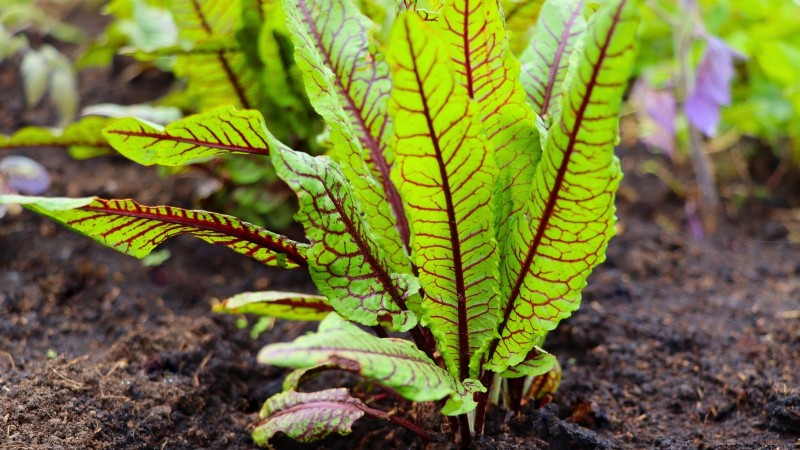
Sorrel leaves are tart, juicy, and highly prized as a green‑food. Harvest the tender leaves as early‑spring crops or use them as a “culinary herb” in the English wine style.
In southern zones, it behaves as a cool‑season annual until the hot, humid summer arrives. In colder zones, it persists from spring through fall, entering dormancy over winter. The red‑veined variety (Rumex sanguineus) provides striking foliage and fall blooms.
Sun Requirements: Full sun
Height: 2-4 ft
Hardiness Zones: 3-8
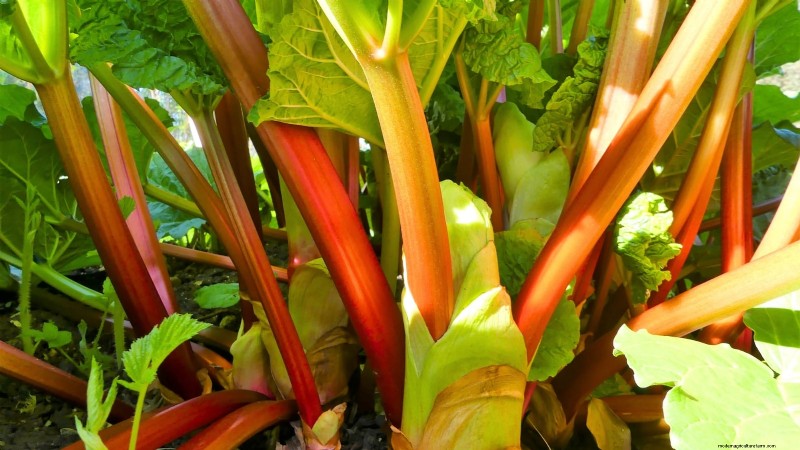
Rhubarb is a classic “edible‑garden” crop, delivering fibrous stalks that are sweet, sour, and highly nutritious. Its flavor profile (often called a “tasting” element) makes it ideal for recipes, desserts, and sauces. Rhubarb thrives in long, cold winters and mild summers, making it a long‑lived garden crop.
Plant in fall or spring, then harvest stalks in the second year of growth. For fall planting, allow the dormant plant to set root systems before winter dormancy begins.


