Welcome to Modern Agriculture!

September is a prime month for establishing new fruit trees. The post‑harvest period allows young plants to develop sturdy, resilient root systems, ensuring they thrive when the growing season returns. Planting now means stronger, drought‑resistant trees that produce delicious fruit faster.
When the heat of summer fades, the cooler air of early autumn offers less stress on growing plants. Warm soil accelerates root development, creating a “root‑zone” that protects your future garden.
While apples, pears, and plums are well‑known options, a range of lesser‑noticed trees can also thrive when planted in September. Below are 11 carefully selected varieties that combine beauty, nutrition, and durability.
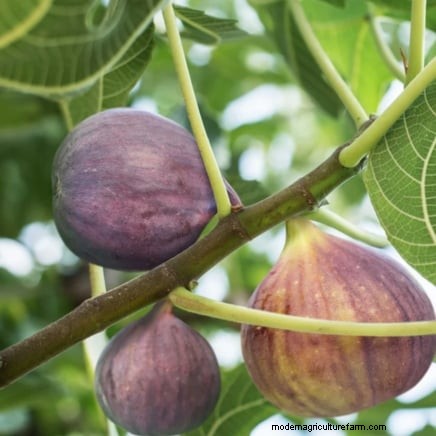
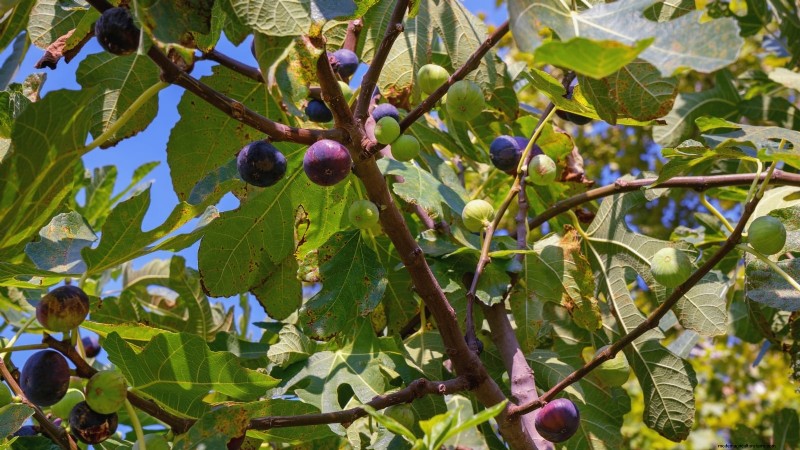
| Botanical name | Ficus carica ‘Little Miss Figgy™’ |
|---|---|
| Sun requirements | Full sun to partial shade |
| Height | 4’–6’ |
| Hardiness zones | 5–10 |
Figs are celebrated for their fertility symbolism and their delicious, sweet fruit. The ‘Little Miss Figgy™’ is a dwarf variety that reaches only 6 feet tall, yet it delivers a robust, flavorful harvest. Because it is a self‑pollinating tree, one plant is enough to produce a year’s supply.
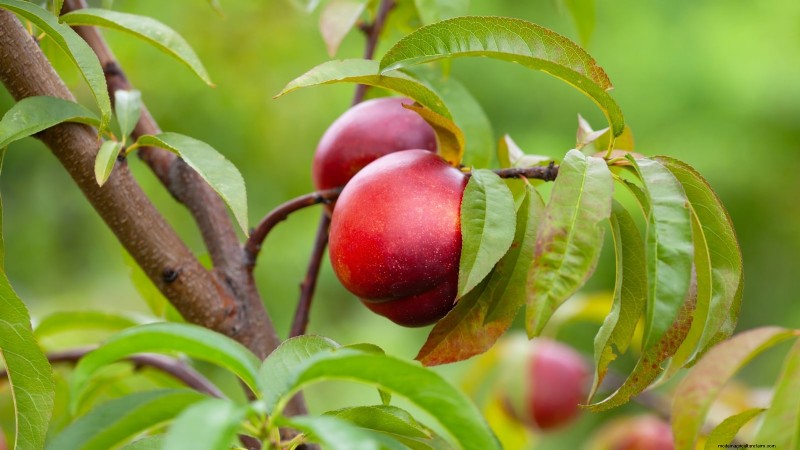
| Botanical name | Prunus persica var. Nucipersica ‘Hardired’ |
|---|---|
| Sun requirements | Full sun |
| Height | 10’–12’ |
| Hardiness zones | 5–8 |
‘Hardired’ is a hardy, self‑pollinating nectarine that thrives in cooler climates. Its fruits are juicy, sweet, and resistant to winter chill, making it a reliable choice for early fall planting.
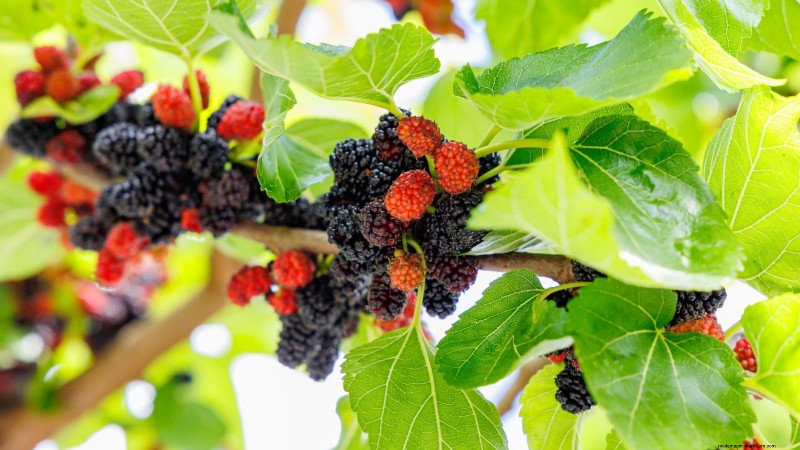
| Botanical name | Morus nigra |
|---|---|
| Sun requirements | Full sun to partial shade |
| Height | 15’ |
| Hardiness zones | 4–10 |
Mulberries produce abundant, sweet fruit from late spring through late summer. As an everbearing cultivar, it offers a continuous supply of berries, which are a favorite of both people and birds.
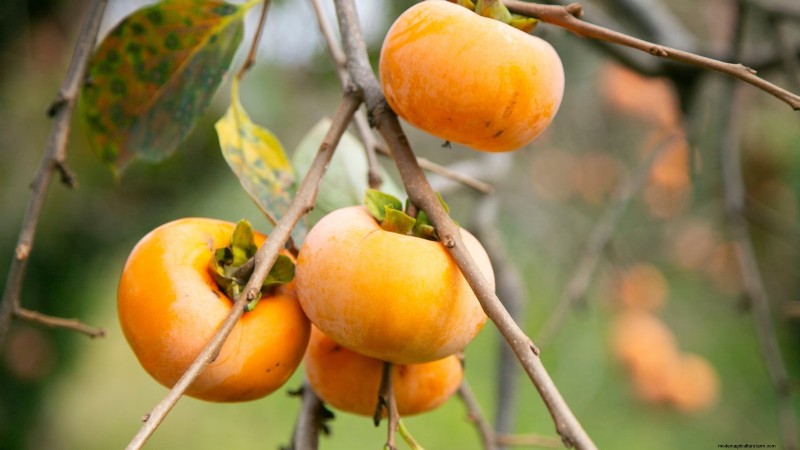
| Botanical name | Diospyros kaki ‘Fuyu’ |
|---|---|
| Sun requirements | Full sun to partial shade |
| Height | 12’–15’ |
| Hardiness zones | 7–11 |
The ‘Fuyu’ persimmon offers a sweet, stone‑free fruit that can be enjoyed raw or cooked. Its hardy nature makes it suitable for many regions.
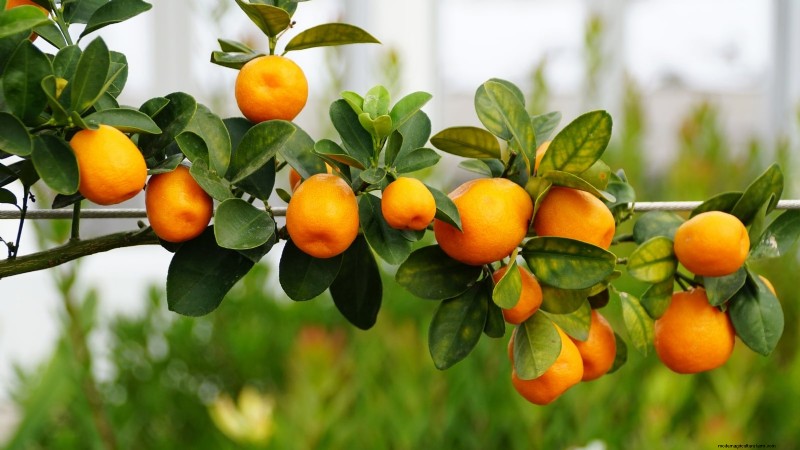
| Botanical name | Fortunella obovata ‘Fukushu’ |
|---|---|
| Sun requirements | Full sun |
| Height | 10’–15’ |
| Hardiness zones | 4–11 |
‘Fukushu’ delivers bright, citrus‑like fruits and ornamental value. Its small, robust form makes it ideal for container gardening or small yards.
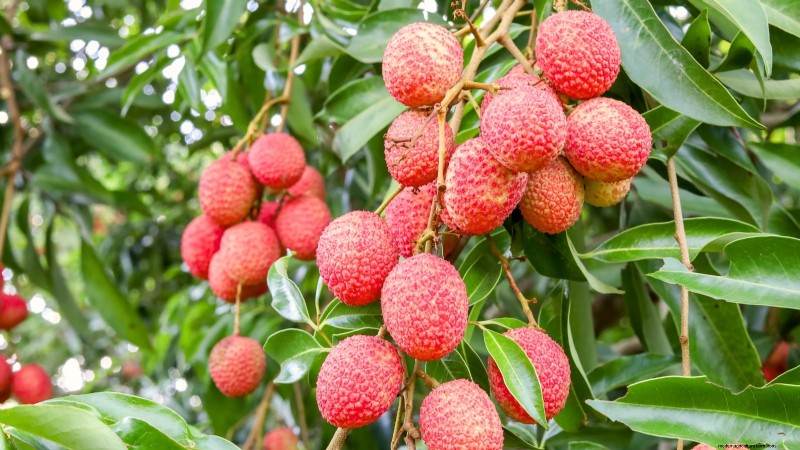
| Botanical name | Litchi chinensis ‘Mauritius’ |
|---|---|
| Sun requirements | Full sun |
| Height | 20’ |
| Hardiness zones | 9–11 |
‘Mauritius’ is prized for its high yield and delicious, slightly larger fruit. It requires a frost‑free climate but rewards growers with a luscious harvest.
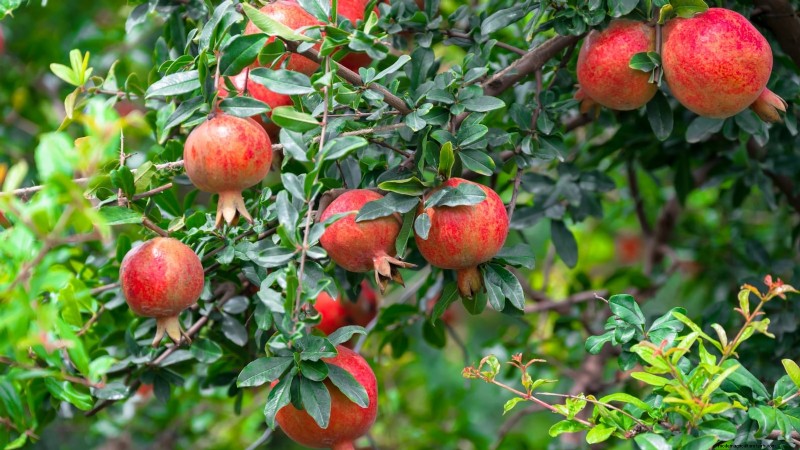
| Botanical name | Punica granatum |
|---|---|
| Sun requirements | Full sun |
| Height | 8’–10’ |
| Hardiness zones | 6–9 |
Cold‑hardy pomegranates can withstand temperatures as low as 0°F once established, making them ideal for USDA zones 6–10. Their shrubby form also keeps maintenance low.
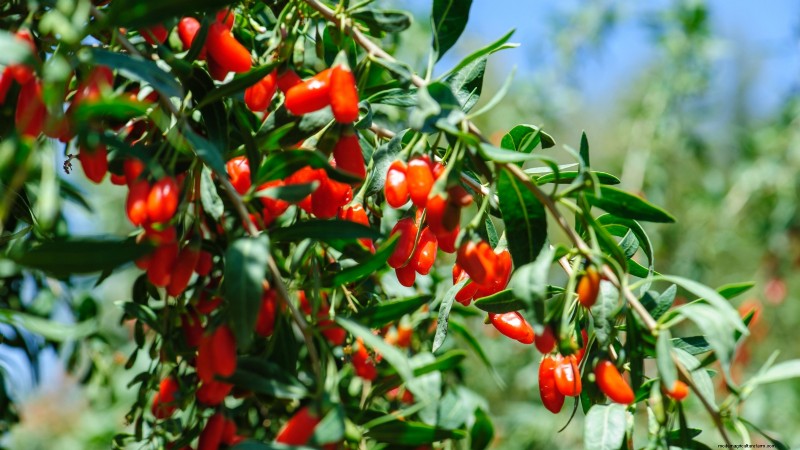
| Botanical name | Lycium barbarum |
|---|---|
| Sun requirements | Full sun to partial shade |
| Height | 8’–10’ |
| Hardiness zones | 5–9 |
Goji berries are celebrated for their antioxidant content and versatile culinary uses. As a hardy shrub, they adapt well to diverse garden conditions.
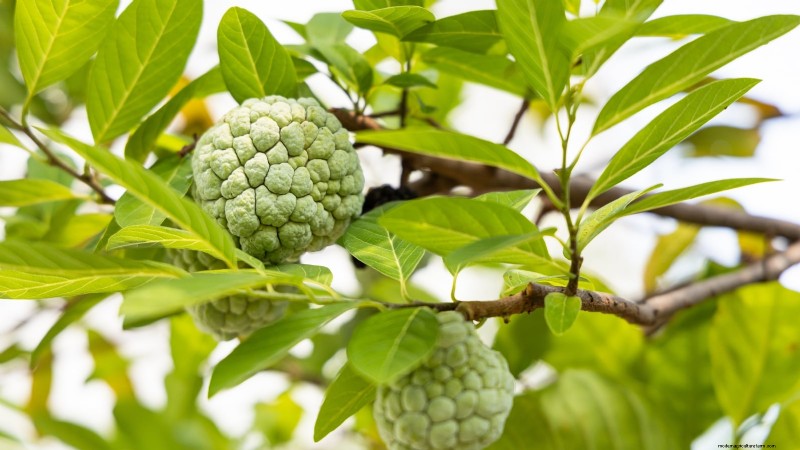
| Botanical name | Annona squamosa |
|---|---|
| Sun requirements | Full sun |
| Height | 10’–20’ |
| Hardiness zones | 9–11 |
Also known as the “tropical apple,” the sugar apple’s custard‑like flesh is a treat for hot‑climate gardeners. Its fleshy fruit and small stature make it a charming addition to any yard.
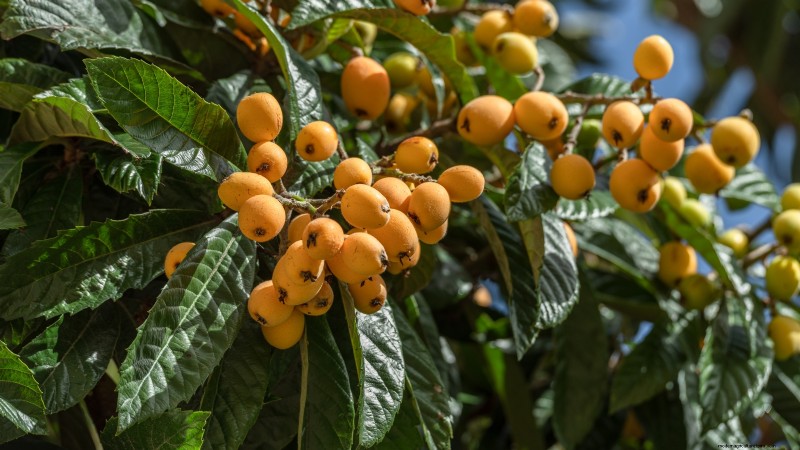
| Botanical name | Eriobotrya japonica |
|---|---|
| Sun requirements | Full sun to partial shade |
| Height | 15’–20’ |
| Hardiness zones | 4–11 |
Loquats offer a crisp, sweet flavor reminiscent of a blend of apricot and peach. They are self‑fertile and thrive in a variety of climates.
Olives are an excellent choice for drought‑prone regions. Although they thrive in zones 8–10, a well‑protected plant can survive down to zone 7. Planting in September allows the tree to root before the hottest months.
Note: In the Southwest, some states regulate the transport of olive trees due to their invasive potential.


