
Welcome to Modern Agriculture!

Tomatoes are the crown jewels of any summer garden, yet hot, humid conditions can put them under siege. When daytime temperatures climb above 85 °F (29 °C) and the air feels thick, the risk of blossom drop, fruit set failure, and disease outbreaks skyrockets. With climate shifts, these challenges are no longer confined to the South; many regions now experience extended spells above 90 °F coupled with high humidity.
While we can’t alter the weather, we can arm our tomato plants with proven strategies that let them survive and thrive. Below are seven evidence‑based tips to help your tomatoes flourish even in the toughest heat.
Cherokee Purple Pole Tomato
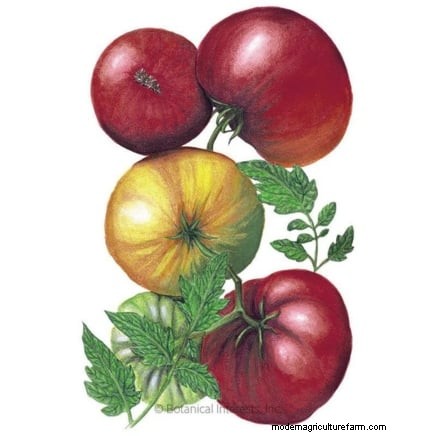
Cherokee Purple Pole Tomato Seeds
San Marzano Roma Pole Tomato
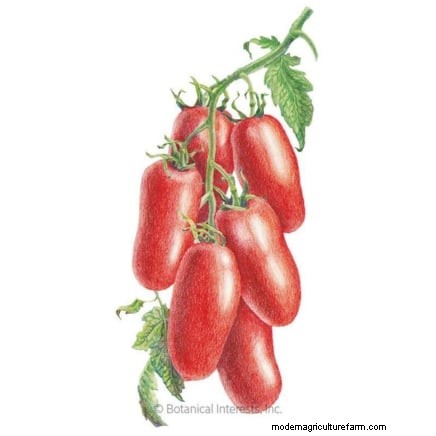
San Marzano Roma Pole Tomato Seeds

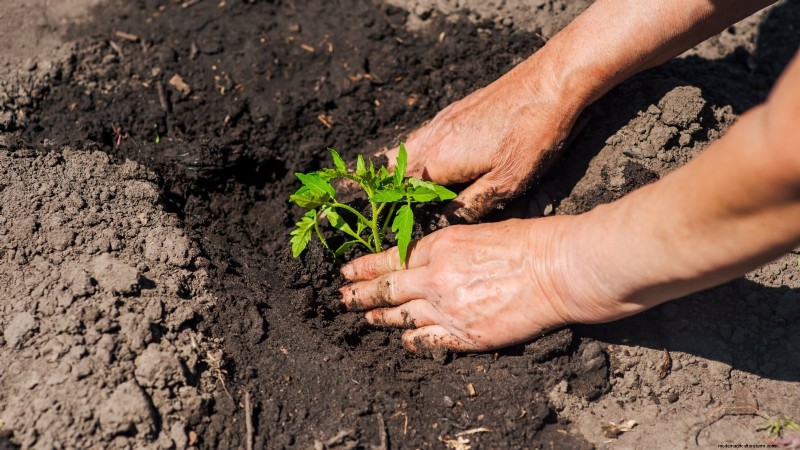
Daytime temperatures above 85 °F (29 °C) and nighttime highs over 70 °F (21 °C) trigger blossom drop, preventing fruit set. Transplanting tomatoes earlier—ideally in early May rather than early June—lets the plants complete flowering before the hottest part of the season. If cold nights loom, cover seedlings with row covers to shield them.
Alternatively, a late‑summer transplant (late July or early August) can work: these plants endure the peak heat during vegetative growth but bloom when temperatures moderate, reducing disease pressure and avoiding early crop losses.
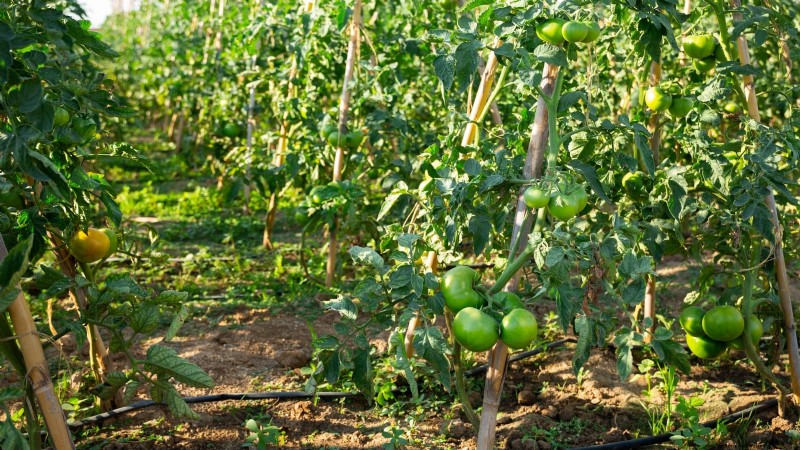
In hot, humid environments, many foliar diseases—early blight, Septoria leaf spot, and late blight—are more likely to develop. While you can’t lower ambient humidity, you can increase airflow and keep leaf surfaces dry. Keeping tomatoes off the ground through trellising not only improves ventilation but also reduces contact with soil‑borne pathogens.
Choose a trellising method that fits your plant density and growth habit: vertical stakes, wire frames, or tomato cages all work well. The key is to create open, well‑ventilated canopies.
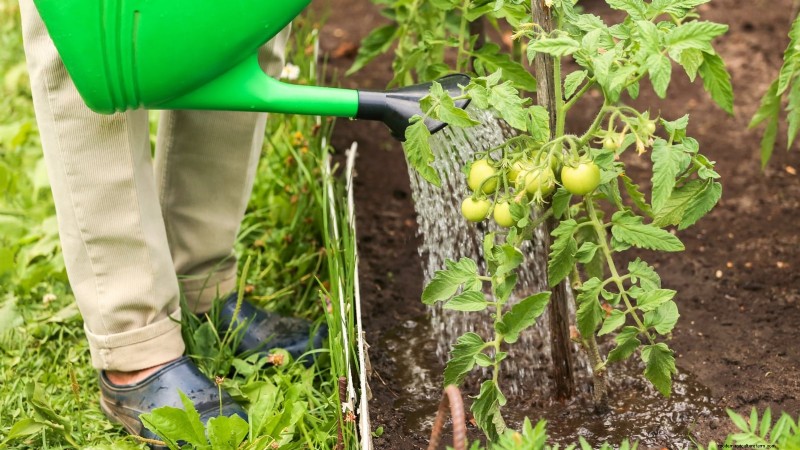
High humidity amplifies the impact of wet foliage. To keep leaves dry, dispense water directly at the soil surface. Use a watering can, a hose with a low‑pressure nozzle, a soaker hose, or a drip system. These methods deliver moisture where the roots need it while keeping the canopy dry.
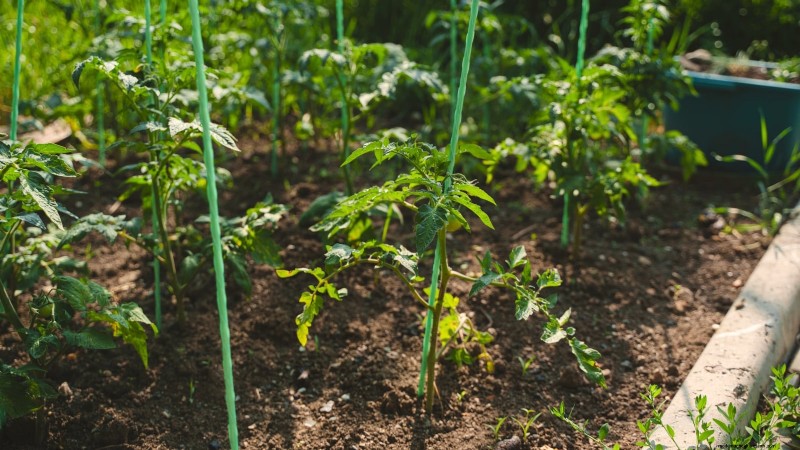
Compacting tomatoes—planting them 18 or 24 inches apart when the seed packet calls for 18–24 inches—reduces airflow and heightens disease risk. In humid climates, space plants at least two feet apart unless you’re practicing intensive pruning to a single or double leader. Tight spacing often yields smaller, weaker fruit and invites fungal infections.
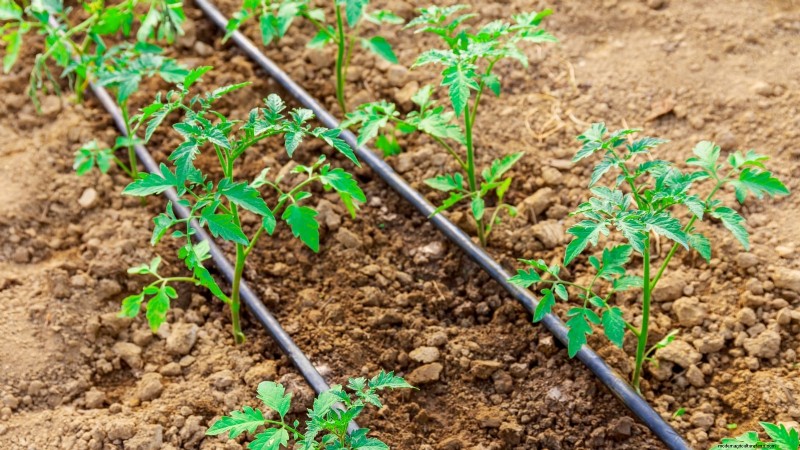
High temperatures accelerate soil evaporation and plant transpiration. Most tomatoes require one to three inches of water per week during hot periods. Check the top few inches of soil with your finger; if it feels dry, water.
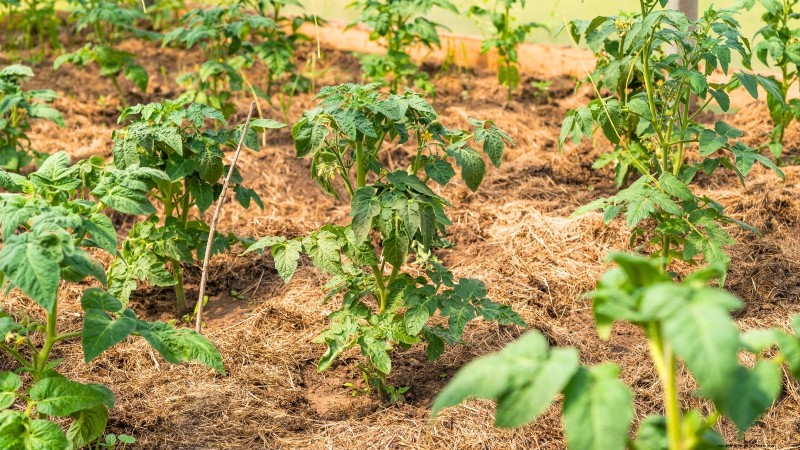
Mulch—straw, wood chips, pine needles, or reusable landscape fabric—reduces evaporation, moderates soil temperature, and adds organic matter as it decomposes. Apply 2–3 inches of mulch around the base of each plant.
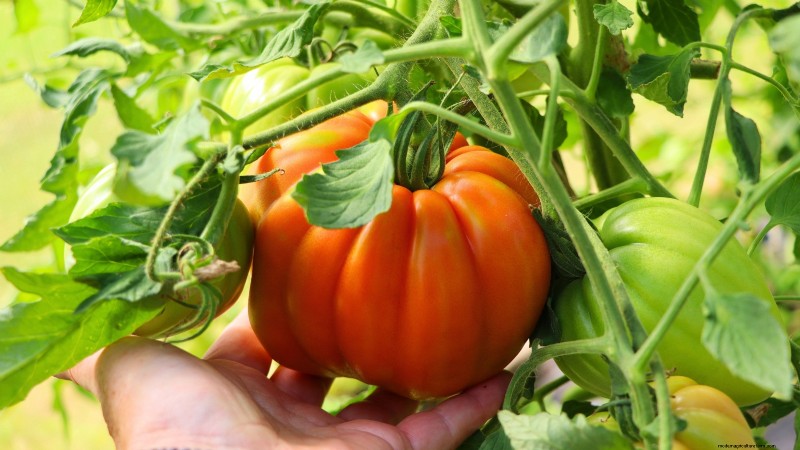
Resistance to early blight, Septoria, late blight, Fusarium wilt, bacterial wilt, and Verticillium wilt can be a game changer in humid climates. Seed catalogs often list pathogen resistance. If soil diseases have plagued previous crops, consider grafted tomatoes that pair a disease‑resistant rootstock with a premium scion.
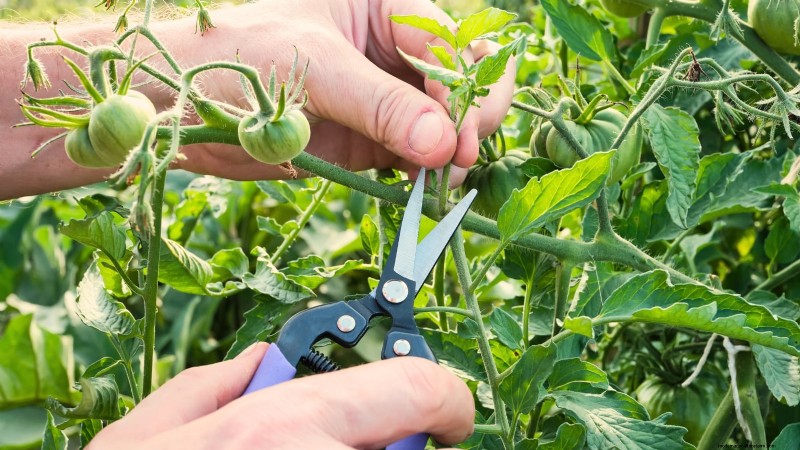
Removing suckers (the shoots that appear in the leaf axils) and thinning lower foliage improves airflow and directs the plant’s energy toward fruit development. Cut suckers and leaves within one foot of the ground to prevent soil splash and keep the canopy open. This practice can increase yield quality even if it reduces overall plant size.


