Welcome to Modern Agriculture!

Carrots, rich in vitamin A and beta‑carotene, are a garden staple that thrive in small spaces, aerate soil with their deep taproots, and deliver a sweet, crisp bite that’s perfect for fresh salads or hearty stews.
These root vegetables flourish in the cool months of spring and fall, tolerating a brief transition to warmer temperatures. Every part of the carrot is edible – the tender greens add a peppery punch to pesto or a fresh garnish.
Varieties range from delicate “little finger” types to robust, full‑size roots, offering endless culinary possibilities. Their compact size makes them ideal for raised beds, containers, or companion planting. By sowing in spring, fall, and successive summer crops, you can enjoy an extended harvest season.
Below is a concise guide to knowing when your carrots are ready for the basket.
Little Finger Carrot
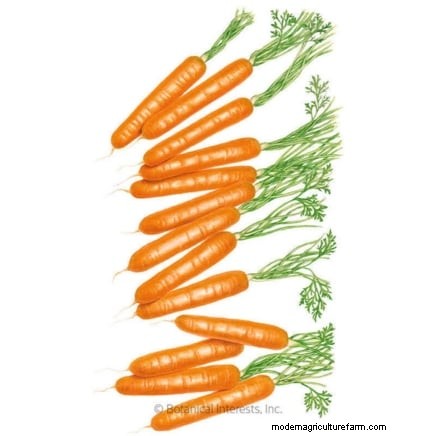
Little Finger Carrot Seeds
Tendersweet Carrot
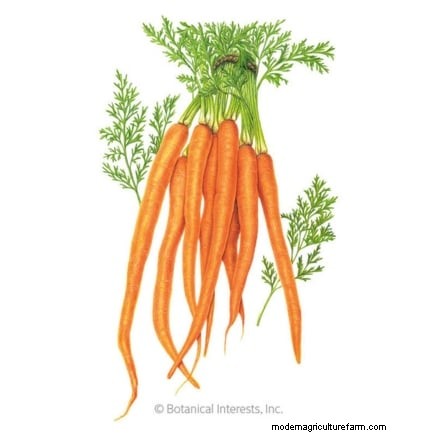
Carnival Blend Carrot
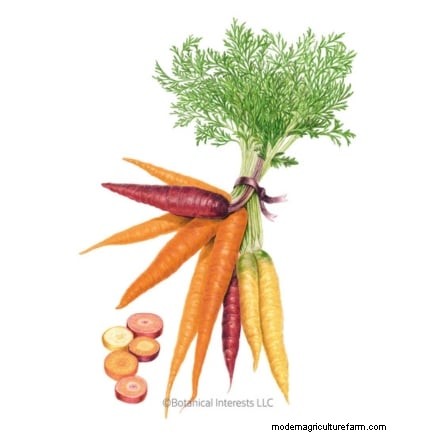
Carnival Blend Carrot Seeds

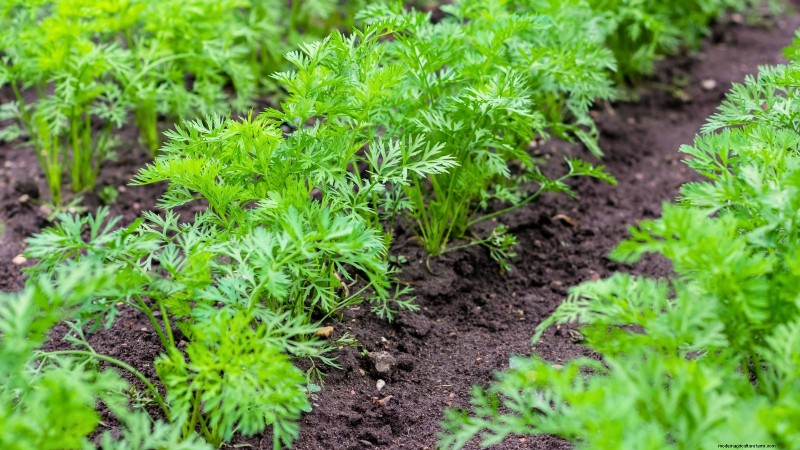
Carrots (Daucus carota subsp. sativus) are best sown directly into the soil to avoid a misshapen taproot. In climates that allow it, sow in spring, late summer, or fall, and skip early summer planting in hot zones. Late‑summer or fall plantings can overwinter and produce a spring harvest.
Rooted in an ancient lineage that dates back 3,000 years in Asia, carrots belong to the Apiaceae family, which also includes parsley, fennel, and parsnips. Their long taproot stores starch that turns sweet under cold temperatures.
Direct sowing also ensures that the taproot develops straight and strong. Use well‑prepared beds, containers, or raised beds for best results.
Carrots mature uniformly, but you can leave them in the ground as “storage” until you’re ready to harvest. Harvest the whole crop or pick in stages over about a month, extending the period in winter storage. Successional planting—seeding every three weeks up to 10–12 weeks before the first frost—keeps yields flowing.
From seed to harvest, carrots need about three weeks to germinate, followed by several more weeks of growth. Ideal conditions include:
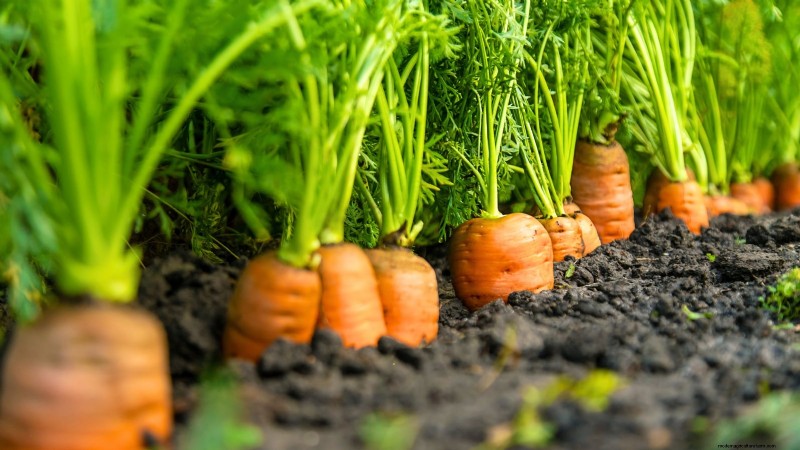
Carrots taste best when they’re tender but have reached a usable size. The “shoulder”—the top portion of the root—serves as a reliable cue. When the shoulder is at least ½ inch thick, the carrot is ready to pick; ¾ inch is ideal, and 1–1½ inches suits larger storage varieties.
Large carrots become woody, dense, and can split or crack, especially when they grow beyond 1½ inches. Harvest them before they reach that threshold for optimal flavor and texture.
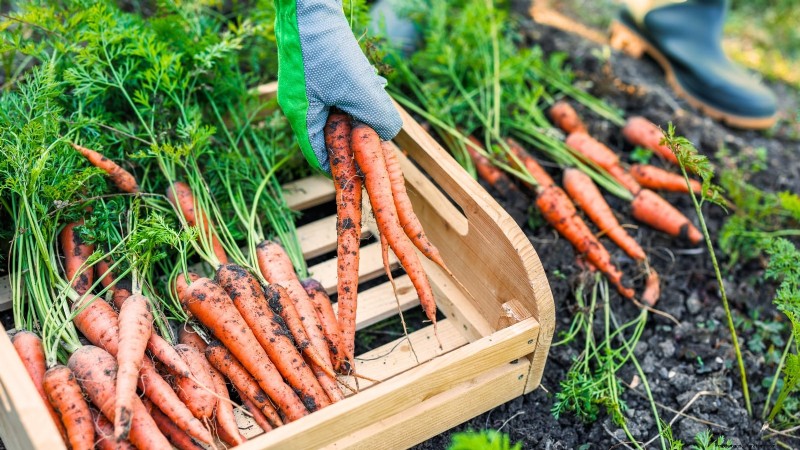
Most varieties mature in 60–80 days, though fast growers may be ready in as little as 50 days and bulkier types can take over 100 days. The seed packet’s “days to maturity” provides a useful benchmark, but always combine it with visual checks, as weather and local conditions can shift the timeline.
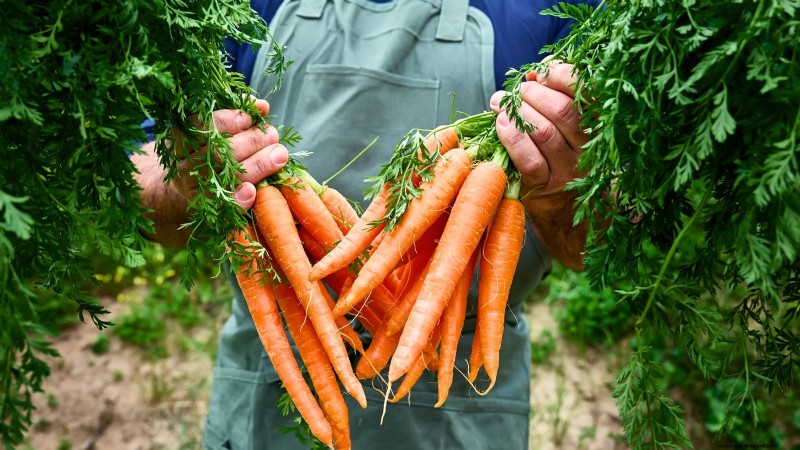
Robust, frilly greens that reach 10–12 inches in height signal a mature root. When the foliage begins to die back in late summer or early fall, it’s a natural cue that the carrots are ready for harvest.
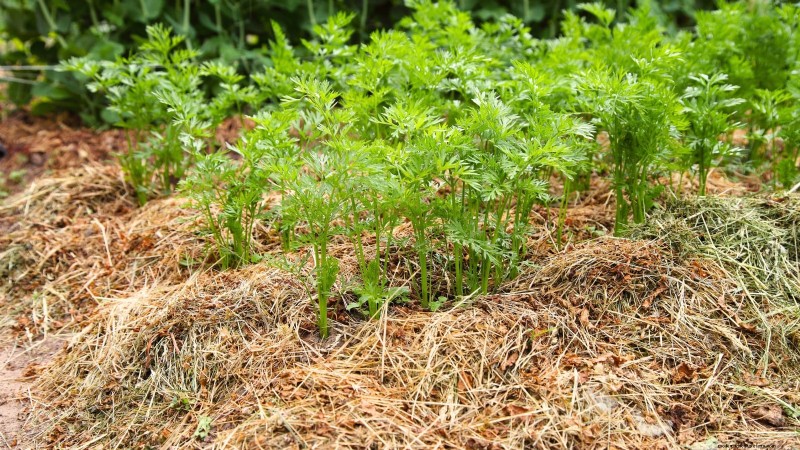
Carrots thrive in cold weather and actually sweeten after a freeze, thanks to starch‑to‑sugar conversion. For overwintering, sow in late spring or early summer so roots settle before winter. Add several inches of mulch—straw, leaf, or grass clippings—to insulate the soil.
You can harvest throughout winter or wait until early spring before new growth appears. Avoid leaving roots in wet, waterlogged soil after frost, as this can compromise quality.
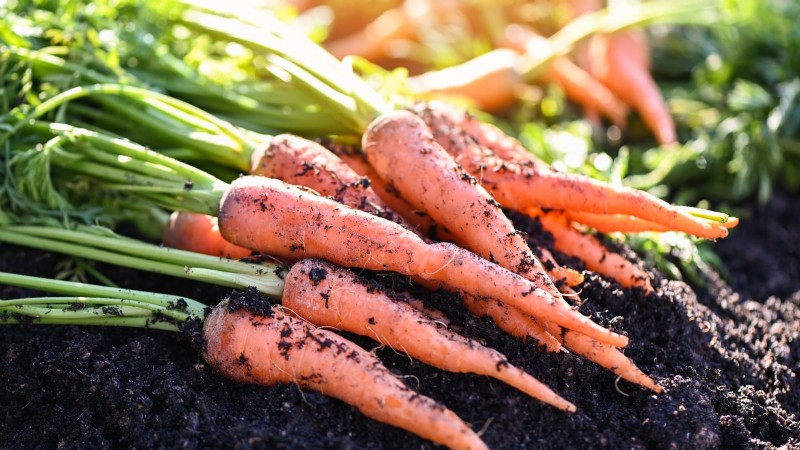
As spring warms, harvest carrots before temperatures climb above 75 °F (24 °C). Late‑season roots that remain in the ground can become woody, dense, and fibrous, and are more prone to pest damage. If you’re collecting seeds, let the remaining roots mature fully before harvesting.
Heat‑resistant varieties like ‘Mokum’ and ‘Shin Kuroda’ are excellent choices for bridging the transition from cool to warm seasons.
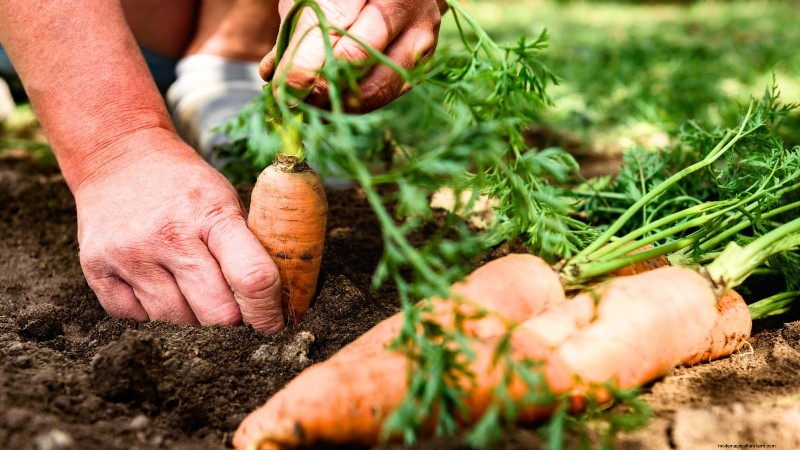
On the day before harvest, give the bed a deep watering to soften the soil. Pick early in the morning when the roots are plump and water‑filled. Use a spade, fork, or hand trowel to lift the carrots, leaving the greens attached. Wash the roots and greens with cold water; leave unwashed carrots in a root cellar if you plan to store them long‑term. Clip the tops, leaving ½–1 inch of stem attached.
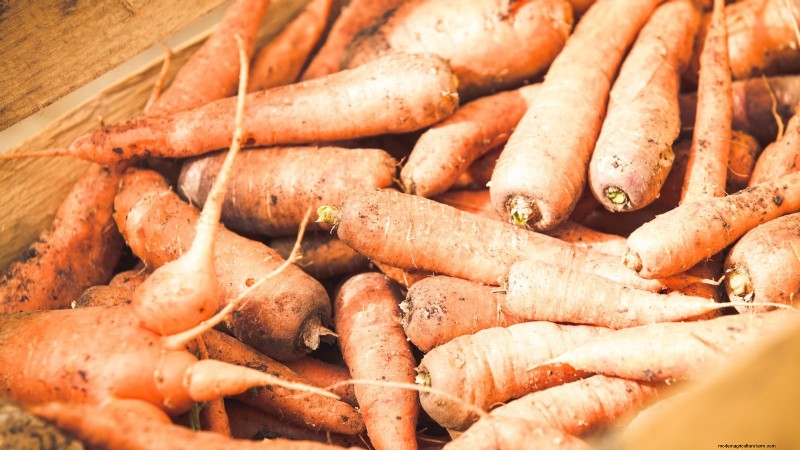
Fresh carrots keep for several weeks in a refrigerator crisper drawer at 33 °F (1 °C) when the tops are removed. In winter, store them in a cool, dry environment—such as a root cellar or basement—in moist sand or a perforated container to maintain freshness. Flash‑freezing is also an option for long‑term storage.
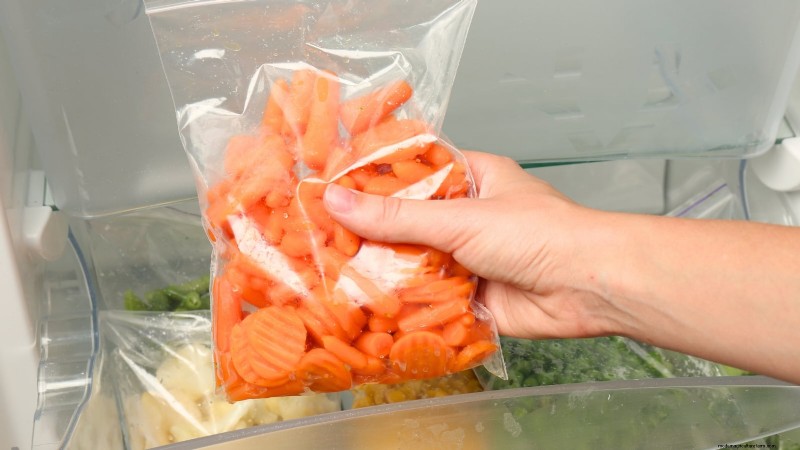
To preserve texture, blanch carrots for 2–3 minutes in boiling water, then transfer them to an ice bath for the same time. Dry thoroughly, cut into half‑inch pieces, and flash‑freeze on parchment paper before transferring to airtight containers.
Key indicators that your carrots are ready for harvest: