
Welcome to Modern Agriculture!

Blossom end rot can be disheartening to see in your garden. You’ve worked all season long to take care of your plants, only to see the fruits turning brown and mushy on the ends.
Thankfully, you can take some measures to help your plants recover and produce healthy fruits going forward. Dealing with blossom end rot on pepper plants means understanding the cause and planning ahead.
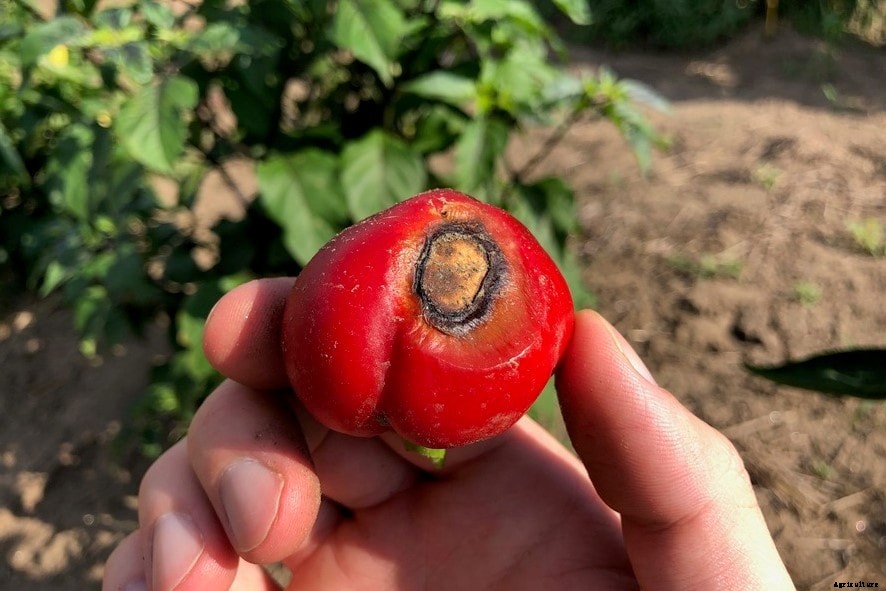
Dark spots on the bottom or sides of peppers are caused by blossom end rot. This is a condition that develops due to a calcium imbalance in the plant. Despite the name, it is not actually a rot, but rather a result of the plant’s inability to produce healthy skin on the fruits.
When the calcium in your plant is inaccessible during fruit production, the tomatoes and peppers cannot effectively produce new skin. This causes dark brown, black or gray patches, usually at the blossom end of each fruit. It is most common in the early season when weather is cooler and moisture fluctuations are high.
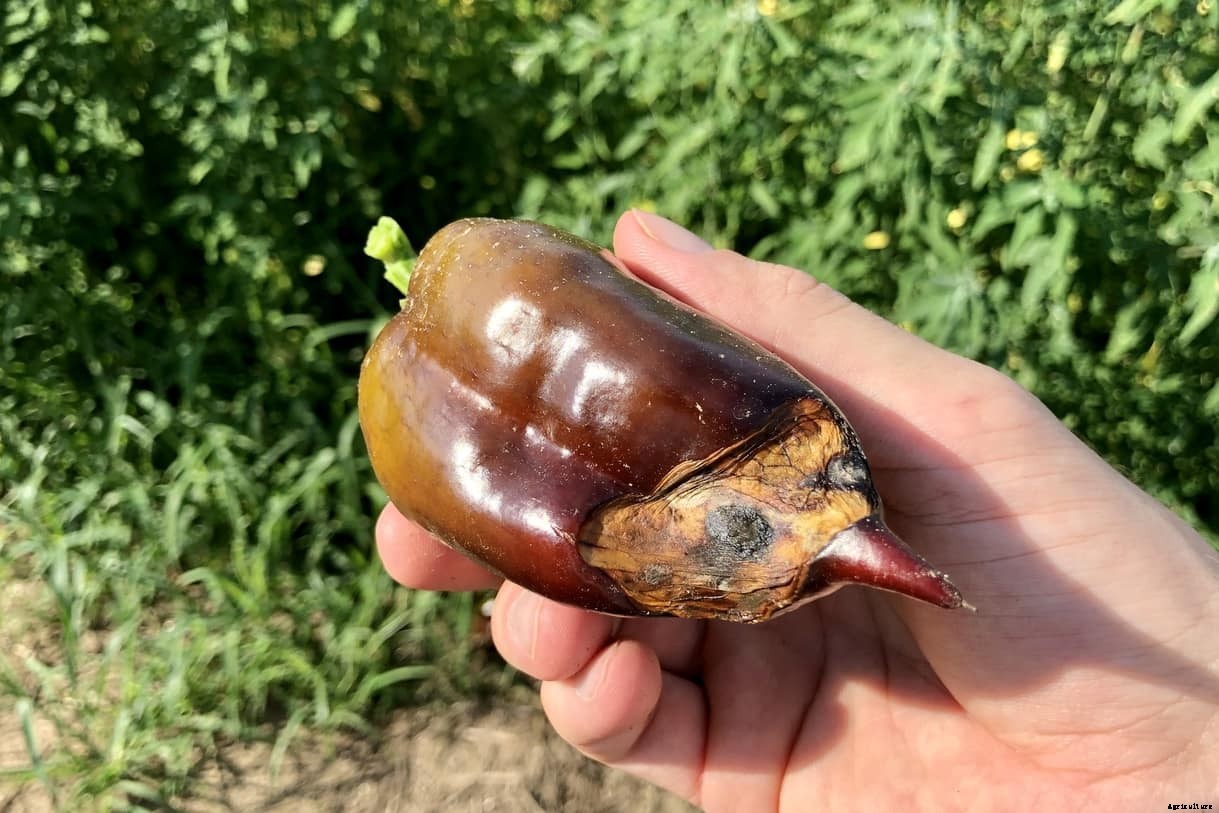
Blossom end rot begins at the blossom side (or the bottom) of the fruit because that is where newer skin forms as the vegetables grow. Despite the problem being a calcium deficiency in the plant, your soil probably doesn’t need more calcium.
It is more likely that your plant is having trouble accessing and providing calcium to the developing fruit on a constant basis. This makes the solution to the problem a bit more tricky. However, the sooner you start taking action the more likely it is that your plants will recover.
The best way to deal with blossom end rot is to do your best to prevent it from starting. There are many helpful studies and guides explaining the best way to get rid of the issue, but if you follow these guidelines, you will have the best chance of keeping it from ever happening.
Over time, your gardening routine will become second nature. These methods will be your best bet to avoid blossom end rot on pepper plants and tomatoes.
However, following these measures will also help prevent a host of other common pepper issues, and will lead to healthier plants.
When you notice your peppers or tomatoes starting to form dark bottom ends, you need to take action as soon as possible. The longer you wait to fix blossom end rot issue, the less likely that you will end up with a healthy harvest during this growing season.
However, it is possible to restore your plants to good health. In order to cure blossom end rot, you must introduce calcium to your plants, and help ensure plants are taking in the nutrients in the soil. Try these tips:
As we have established, blossom end rot has more to do with calcium delivery than availability. So, rather than adding calcium to your plants, we have to make it available to the fruits as they develop.
One method to try is pruning excess leafy growth from peppers and tomatoes. Foliage is demanding for transpiring water under stressful conditions. Excess heat and low humidity mean higher transpiration.
By pruning some of the foliage from your plants on a regular basis, the number of leaves is reduced, and thus more of the water can be used to produce fruits.
Soil moisture levels can dictate the overall health of your plants. If your plants go on a roller coaster ride of being dried out, then soaked, and back to dry, they will be stressed out. Here are a few methods to achieve more even soil moisture:
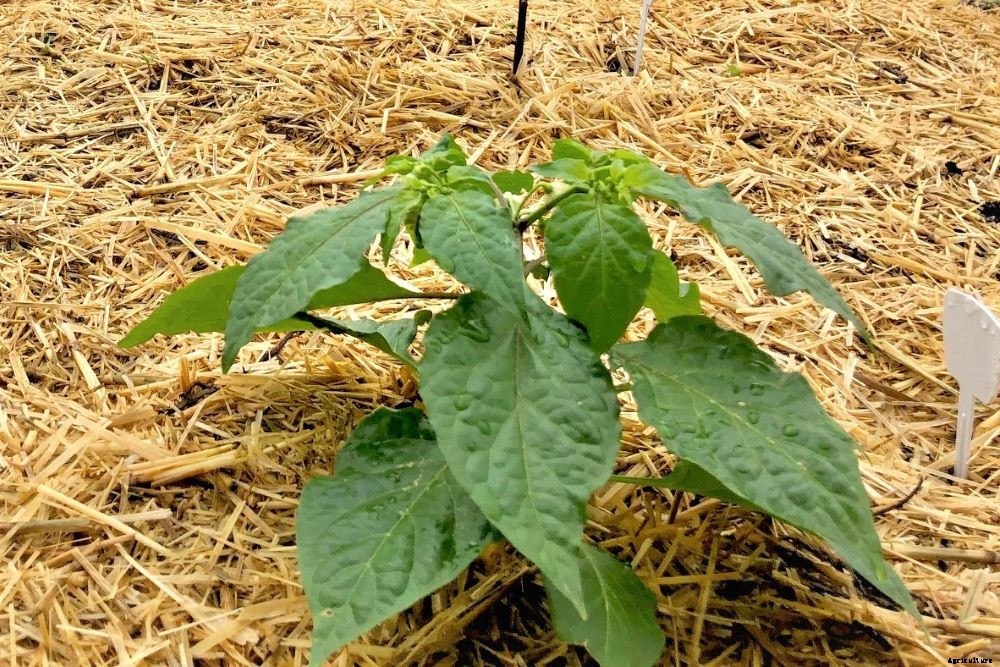
Blossom end rot is caused by a lack of calcium in the plants, but that does not necessarily mean that your soil doesn’t have the calcium required. The issue with adding calcium is that the soil may not need calcium, but rather the plants need help using the calcium.
In order to help remedy this, follow our steps for preventing blossom end rot on an ongoing basis. This includes things like consistent watering and rotating your crops.
While fruits with blossom end rot may appear to be ruined, it is safe to cut away the affected areas of the fruit and eat the rest. Blossom end rot is not a bacterial issue, and thus does not render your peppers and tomatoes inedible.
It is always good practice to inspect your fruits for any other signs of spoiling. If you see any fuzzy mold or insect damage, it may be best to avoid eating. However, blossom end rot alone does not mean you have to throw away your veggies!


