Welcome to Modern Agriculture!

Jubilee bush watermelons are a premium heat‑tolerant heirloom that delivers sweet, crisp fruit while fitting perfectly into small or intensive garden systems. This guide draws on horticultural best practices to help you achieve maximum yield and quality.
Plant type: Annual
Family: Cucurbitaceae
Genus: Citrullus
Species: lanatus
Native area: African wild ancestor, cultivated in the United States since the 1960s
Exposure: Full sun
Vine height: 3–5 ft
Watering requirements: Average
Pests & diseases: Squash bug, squash vine borer, cucumber beetle, powdery mildew
Maintenance: Average
Soil type: Sandy loam
Hardiness zone: 9–10
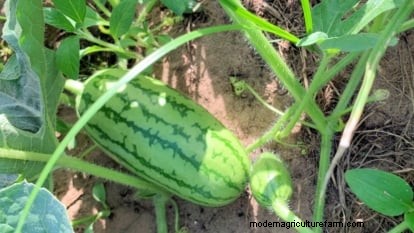
The Jubilee bush is a compact, high‑yielding variety that retains the classic sweetness of the larger “Jubilee” watermelon while offering a 3–5‑foot vine and 10–13‑lb fruit. Developed by the Florida Agricultural Experiment Station in the 1960s, it combines the original heritage with modern disease resistance, making it ideal for hot, humid climates.
• Size: 10–13 lbs per fruit (vs. 35‑lb standard Jubilee)
• Vine length: 3–5 ft
• Root system: Robust, but shallow; suited for containers
• Heat tolerance: Excellent, thrives in 70–85°F soils
• Water‑use: Requires consistent moisture; 1–2 in. per week
The species Citrullus lanatus originates from North Africa, where its wild ancestors adapted to arid conditions. Over centuries, European and American cultivators have refined the plant for both flavor and resilience, culminating in the Jubilee bush we plant today.
Jubilee bush performs best in full sun (at least six hours daily) and warm, well‑drained soil. Use a raised bed or mound that is 16 inches tall and 2–3 feet wide. Plant 2–3 vines per mound, spacing mounds 6–7 feet apart to allow adequate airflow and vine growth.
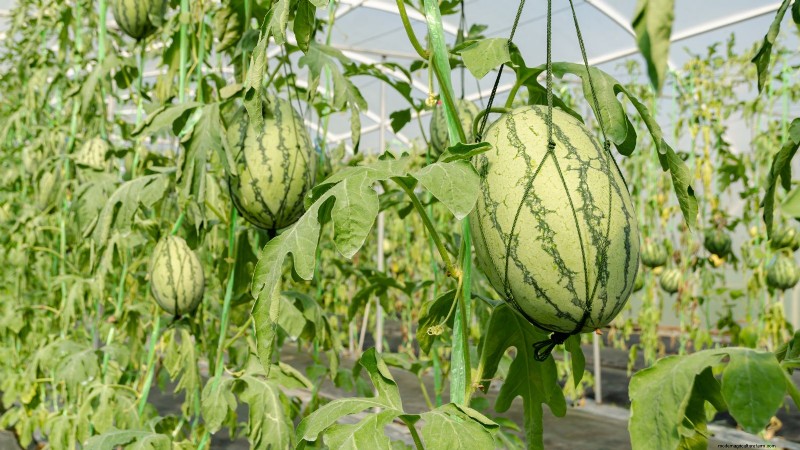
For container growers, choose a pot that is 20 inches deep and wide, with a drainage system. Install a vertical trellis at planting to support the heavy fruit.
Full sun is essential. In hotter climates, partial shade during the hottest afternoon hours can protect vines from scorching.
Water consistently to keep the soil moist but not waterlogged. Aim for 1–2 inches per week. Water at ground level to minimize leaf damage and reduce disease risk.
Optimal soil is a sandy loam with a pH of 6.0–6.8. Incorporate organic matter such as compost to improve structure and nutrient content.
Soil temperatures of at least 65°F are required for germination. The plant thrives in 70–85°F growing temperatures, with cooler nights benefiting root development.
Apply a balanced, low‑phosphorus fertilizer at planting to support root development. During the fruiting stage, a light feed of potassium can encourage larger, sweeter fruit. Fish emulsion, kelp meal, or seaweed extracts are excellent organic options.
Mulch around the base to insulate the soil and prevent crusting. Remove any dead or diseased foliage promptly. Pinch off any suckers that develop between the main vine and the fruit to focus energy on the primary crop.
Jubilee bush fruit is ready to harvest in approximately 90 days. Look for a “pigtail” stem near the fruit – a brown, withered tip indicates ripeness. Check that the fruit’s skin has transitioned to a creamy white or yellow‑tinted “field spot” and that it feels firm yet yields slightly to pressure.
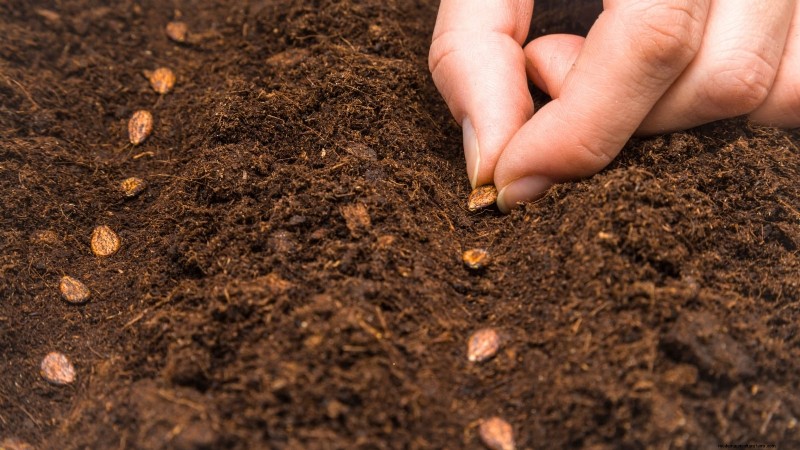
Start seeds indoors 2–4 weeks before the last frost or purchase certified seedlings. For direct sowing, wait until the soil has warmed to 70–90°F. Once the seedlings are 4–6 inches tall, transplant them into mounds or containers with a solid support structure.
While Jubilee bush can self‑pollinate, bees significantly increase yield. Plant bee‑friendly flowers nearby and, if needed, hand‑pollinate by transferring pollen with a small brush.
• Can Jubilee bush grow in containers? Yes, it thrives in 20‑inch pots with a vertical trellis. • What is the ideal spacing? Plant 2–3 vines per 16‑inch mound and space mounds 6–7 feet apart. • How do I prevent blossom end rot? Ensure consistent moisture and add calcium (e.g., crushed eggshells) to the soil. • What makes Jubilee bush heat‑tolerant? Its genetic heritage from the original Jubilee and selective breeding for high‑temperature resilience.