
Welcome to Modern Agriculture!

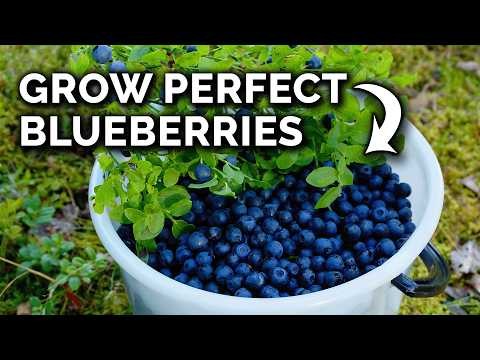
Growing blueberries in pots and containers offers a practical way to enjoy these nutrient‑rich berries across balconies, patios, and small gardens. By selecting the right cultivars and following proven care practices, you can transform a simple tub into a thriving, year‑round edible landscape.
While the juicy summer fruit is the star, the true value of a blueberry plant lies in its ornamental appeal and ecological benefits. As a native of North America, the blueberry is a cornerstone of local ecosystems, providing essential forage for birds and mammals while adding vibrant color and texture to any setting.
Container‑grown blueberries thrive as stand‑alone specimens, yet planting multiple varieties can dramatically increase yield through cross‑pollination. This guide details seven of the best varieties for pots, along with zone compatibility, growth habits, and care tips.
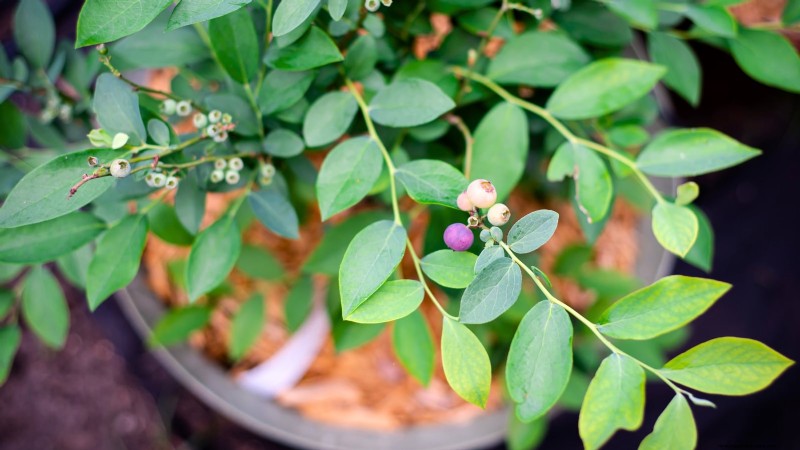
Success starts with choosing a cultivar that matches your hardiness zone. Northern highbush varieties excel in cooler climates (zones 4‑6), while southern highbush types are suited to milder regions (zones 7‑9). Heat‑ and humidity‑tolerant rabbiteye varieties also perform well in warmer locales.
Blueberries require a specific amount of chill time—the period of cold exposure that triggers flowering. Northern highbush cultivars typically need 32–45°F (0–7°C) for several weeks, whereas southern highbush types may need as little as 150 chill hours. Selecting a plant with the appropriate chill requirement for your climate is essential for a robust crop.
Although blueberries are largely self‑sterile, they greatly benefit from cross‑pollination. Planting one shrub per pot is fine, but adding a second or third variety—especially one that blooms simultaneously—can boost fruit set and size.
Size matters: the smallest, most compact cultivars adapt best to container culture. Aim for pots that are at least 24 inches deep and wide enough to accommodate root growth.
Choose a container with excellent drainage and fill it with a soilless, acid‑tolerant mix designed for aroids, rhododendrons, or azaleas. Blueberries thrive at a pH of 4.0–5.5. If you use a standard potting mix, amend it with pine bark fines or peat to raise acidity.
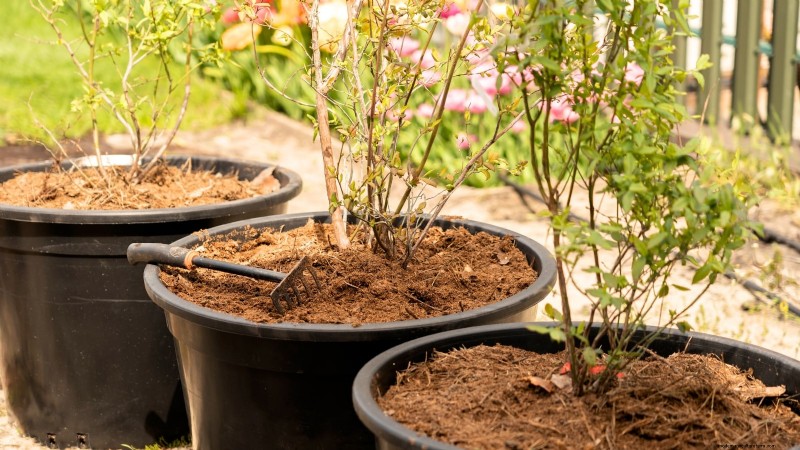
Place your container in a spot that receives at least six hours of full sun daily. In hot climates, some afternoon shade can prevent leaf scorch.
Winter protection is crucial: insulate the pot or relocate it to a sheltered area to shield roots from frost and wind. Regular watering keeps the soil moist but not waterlogged, as blueberries are sensitive to root rot.
In spring, apply a high‑quality, acid‑friendly fertilizer to support new growth. Because blueberries are nitrogen‑sensitive, avoid heavy nitrogen feeds.
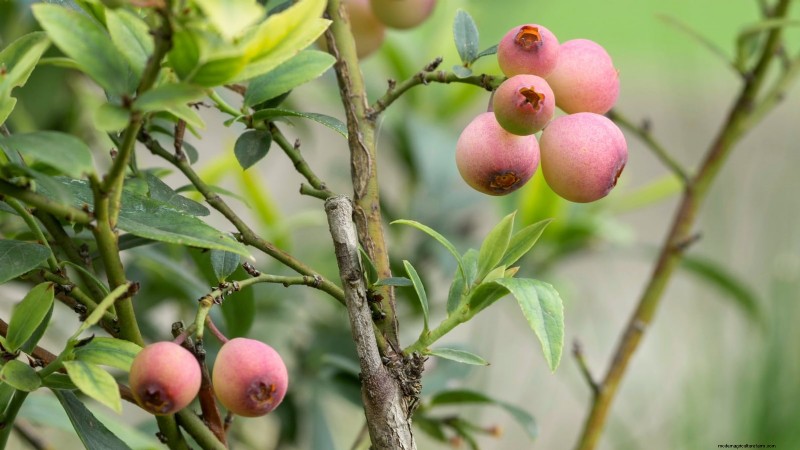
| Botanical name | Vaccinium ‘Pink Lemonade’ |
|---|---|
| Sun requirements | Full sun to partial shade |
| Height | 5 ft |
| Hardiness zones | 4–8 |
| Chill hours | 200–300 |
‘Pink Lemonade’ is a mid‑season highbush that delivers firm, glossy fruit in late July. Its pink skins persist even when ripe, creating a striking visual contrast. Developed at the USDA Agricultural Research Station in Chatsworth, NJ, the cultivar combines the vigor of an experimental highbush with the resilience of the commercial ‘Delite’ rabbiteye line. It earned the “Best New Shrub” award at the Farwest Horticultural Show.
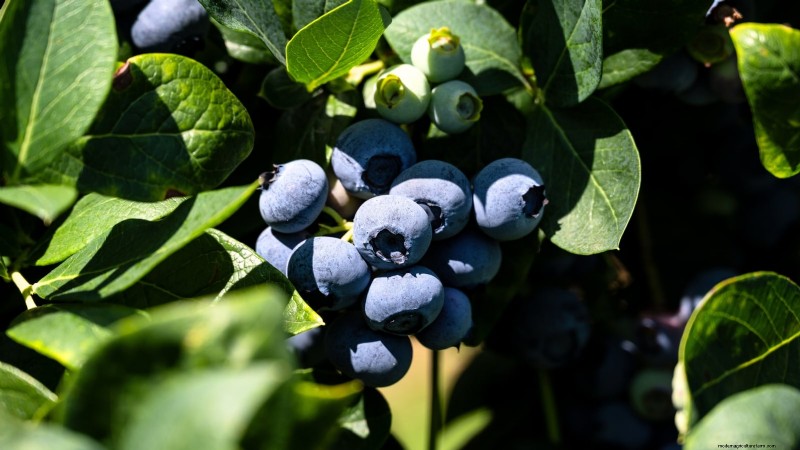
| Botanical name | Vaccinium corymbosum ‘Duke’ |
|---|---|
| Sun requirements | Full sun to partial shade |
| Height | 6 ft |
| Hardiness zones | 4–7 |
| Chill hours | 800–1,000 |
‘Duke’ is renowned for its early‑season yield and durable performance in colder regions. The tree’s sizeable fruit and 20‑pound harvest potential make it a favorite among both novice and experienced growers. A recipient of the Royal Horticultural Society’s Award of Garden Merit, ‘Duke’ thrives in well‑drained, acidic soil and offers up to 50 years of productive life.
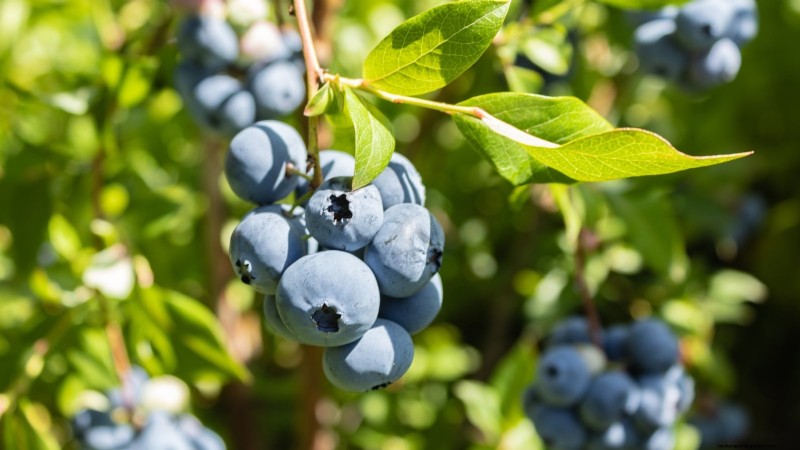
| Botanical name | Vaccinium corymbosum ‘Bluecrop’ |
|---|---|
| Sun requirements | Full sun to partial shade |
| Height | 5–6 ft |
| Hardiness zones | 4–7 |
| Chill hours | 700–800 |
Since 1941, ‘Bluecrop’ has been a staple for its robust, late‑season harvest and exceptional disease resistance. The ½‑inch, light‑blue fruits are ideal for fresh eating, preserves, and baking. Its longevity and reliability make it a dependable choice for any container setup.
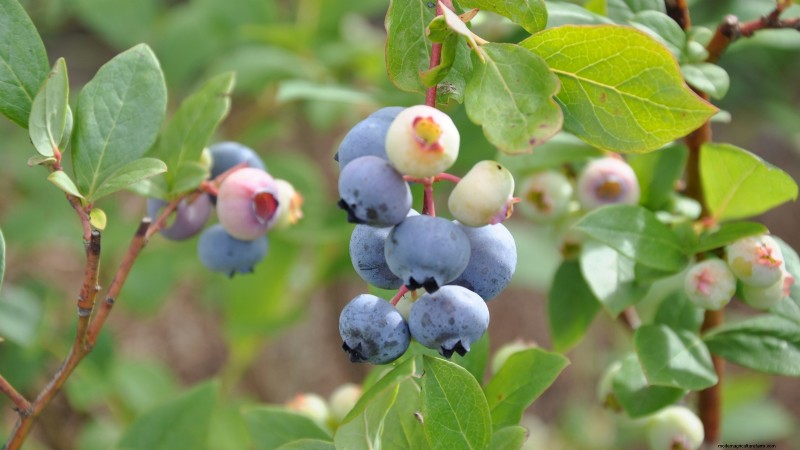
| Botanical name | Vaccinium x ‘Sunshine Blue’ |
|---|---|
| Sun requirements | Full sun to partial shade |
| Height | 3–4 ft |
| Hardiness zones | 5–10 |
| Chill hours | 150 |
Designed for mild climates, ‘Sunshine Blue’ requires only 150 chill hours, tolerates heat and humidity, and can thrive in soils up to pH 6.8. Its compact stature (3–4 ft) fits comfortably in half‑barrels and large tubs, making it a versatile option for space‑constrained gardens.
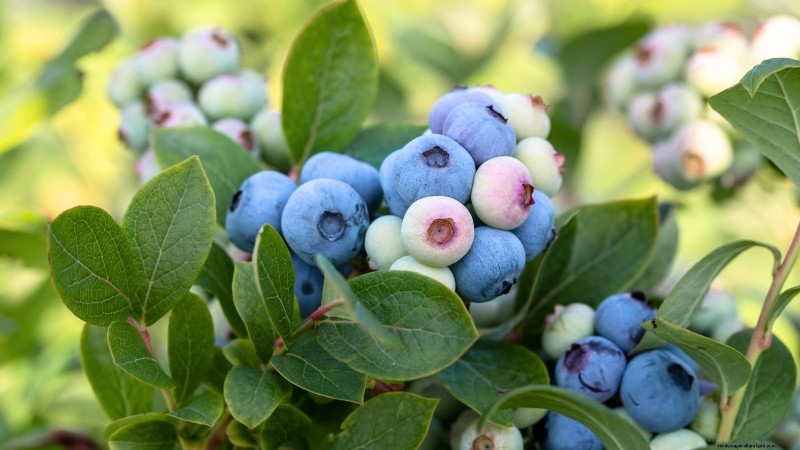
| Botanical name | Vaccinium ‘ZF06-089’ |
|---|---|
| Sun requirements | Full sun to partial shade |
| Height | 2–3 ft |
| Hardiness zones | 5–10 |
| Chill hours | 500 |
‘Silver Dollar®’ is a standout dwarf cultivar that offers up to 5‑10 pounds of high‑quality fruit per plant. Its crisp, sweet berries and pineapple‑flavored notes are prized by chefs and home cooks alike. The plant’s low profile (2–3 ft) and sturdy root system make it ideal for container cultivation.
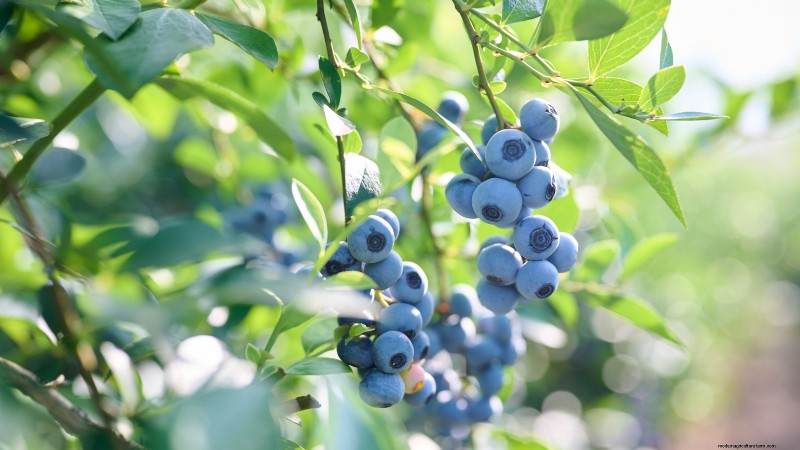
| Botanical name | Vaccinium corymbosum ‘FLX-2’ |
|---|---|
| Sun requirements | Full sun to partial shade |
| Height | 3–4 ft |
| Hardiness zones | 6–10 |
| Chill hours | 150–200 |
Winner of the 2011 Farwest Show “Best Edible Plant” award, ‘Bountiful Blue®’ delivers dense, sweet fruit in a compact, 3–4 ft form. Though it can thrive in a pot, full sun and protection from harsh afternoon glare enhance fruit quality.
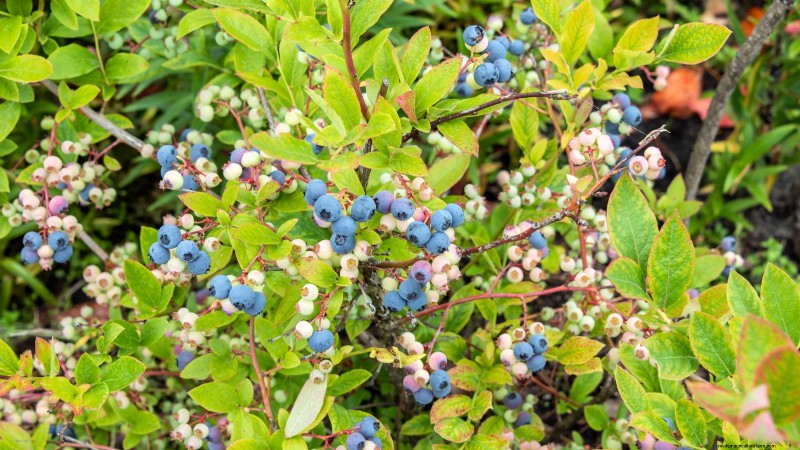
| Botanical name | Vaccinium corymbosum ‘ANDVAL1601’ |
|---|---|
| Sun requirements | Full sun to partial shade |
| Height | 2–4 ft |
| Hardiness zones | 4–8 |
| Chill hours | 800–1,000 |
‘Sky Dew® Gold’ dazzles with its bright green foliage that transitions to vibrant orange and red in fall. While it produces a modest yield on its own, pairing it with ‘Bluecrop’ creates a powerful pollination duo that maximizes both ornamental and edible benefits.


