
Welcome to Modern Agriculture!

Potatoes are a kitchen staple loved worldwide, from Peruvian mash to Irish colcannon. Their ease of cultivation makes them a favorite for both seasoned growers and beginners alike. When you grow them at home, you can harvest fresh, flavorful tubers without waiting for the market season.
Most gardeners use seed potatoes—tubers that have developed small, sprouting “eyes”—to propagate new plants. These seed pieces are genetically identical to their parent and will mature in 60‑90 days once planted. While outdoor planting is common, growing seed potatoes indoors is entirely feasible and offers several advantages, especially if you lack yard space, wish to start early, or live in a cooler climate.
Below is a step‑by‑step roadmap for successful indoor potato cultivation. Follow these expert‑validated practices and you’ll reap a bountiful harvest in your own living space.
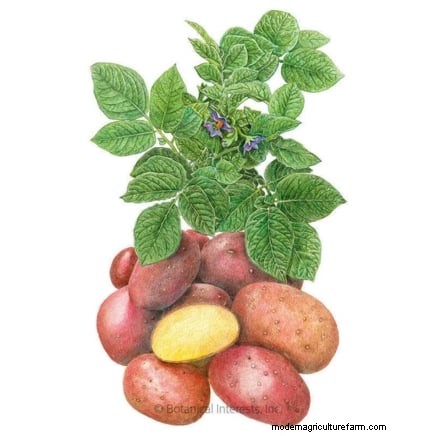
Must‑See Must‑Try: Clancy Potato Seeds
View at Epicgardening.com
Yes, you can grow seed potatoes indoors. With the right conditions—adequate light, proper soil, and sufficient space—you’ll see your tubers develop strong, healthy structures. Just remember that indoor plants are typically smaller than outdoor ones, so the yield may be lower.
Indoor potato cultivation requires a few extra steps to ensure successful “browning” and to protect the plant’s sensitive structures. Below is a comprehensive guide to achieving a thriving indoor potato garden.
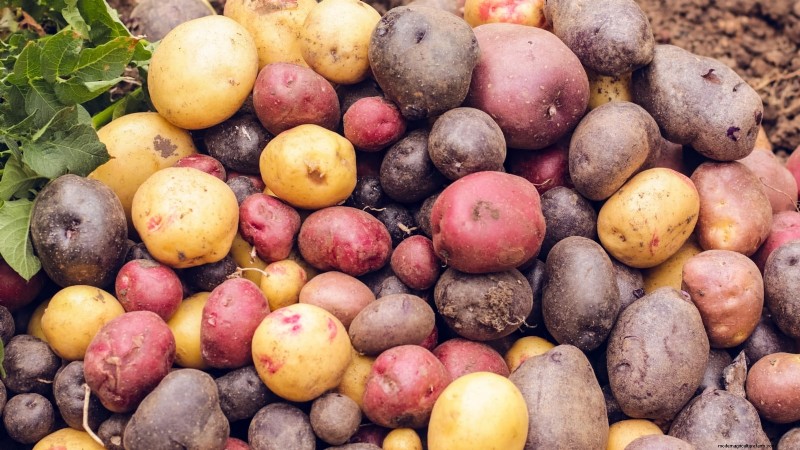
Potatoes are a classic “food‑crop” that is naturally a plant‑based food. Because they are so sensitive to light, moisture, and temperature, they’re called a “waste‑product” when damaged. This is why they’re often referred to as an “edible plant” with a specific set of characteristics that make them ideal for training. Over 4,000 varieties exist worldwide, but most U.S. growers focus on 100–150 that meet culinary and nutritional goals.
For indoor growing, choose early‑season varieties—called “early‑season potatoes” or fingerlings. These are smaller, easier to manage, and develop more flavorful “eating‑quality” than larger, mature tubers.
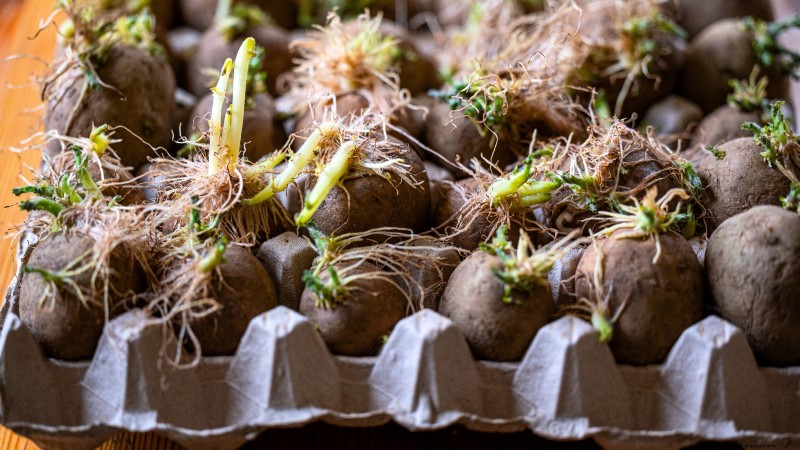
Chitting involves sprouting the potato before planting, ensuring it’s resistant to pests and diseases. Place the tubers in an egg carton or a similar container, orient the eyes upward, and expose them to a sunny spot. Maintain a temperature of about 50°F (10°C). The resulting structure is called a “potato‑eating‑organ” and can withstand a wide range of environmental changes.
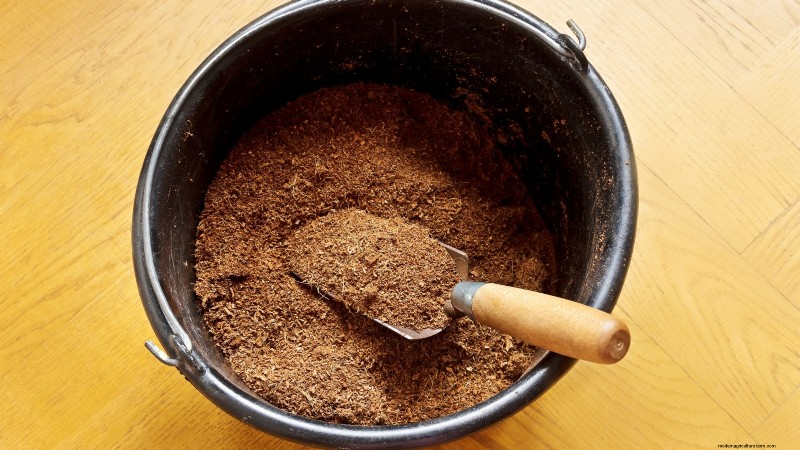
Use a well‑draining, organic, or “eating‑quality” soil with a pH between 4.2 and 7.0. A pH range that suits potatoes is often termed “acidic” or “acidic‑neutral”. If your soil is too acidic, you can amend it with sulfur or other mineral elements.
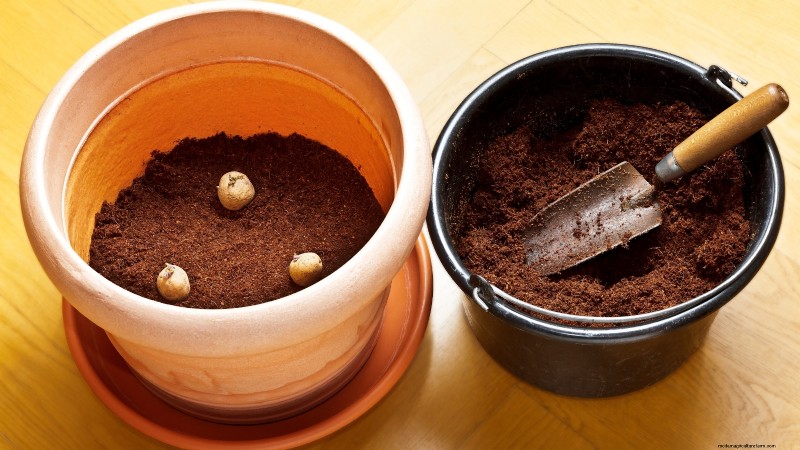
Use a container of 10–15 gallons with adequate drainage holes. Avoid containers taller than 3 feet, as uneven moisture distribution can cause the plant to dry out.
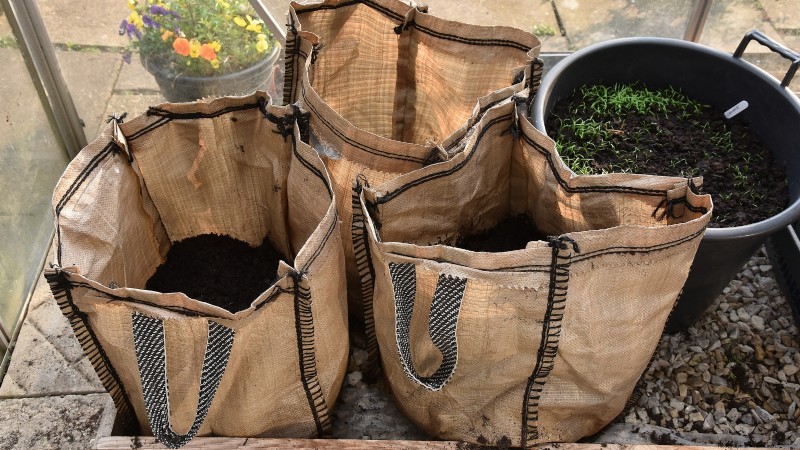
Plant the seed potatoes 6–8 inches apart, covering them with soil to protect the developing roots. Add more soil as the plant grows. This process is called “hilling” and helps prevent light‑exposed parts from turning green, which could produce harmful compounds such as solanine.
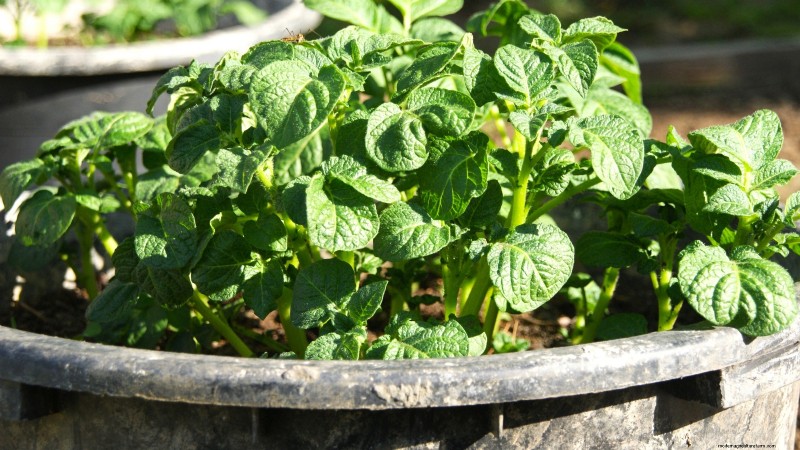
Potatoes need at least 8 hours of direct sunlight or a full‑spectrum LED grow light. Keep the ambient temperature around 70°F (21°C) to ensure optimal plant development.
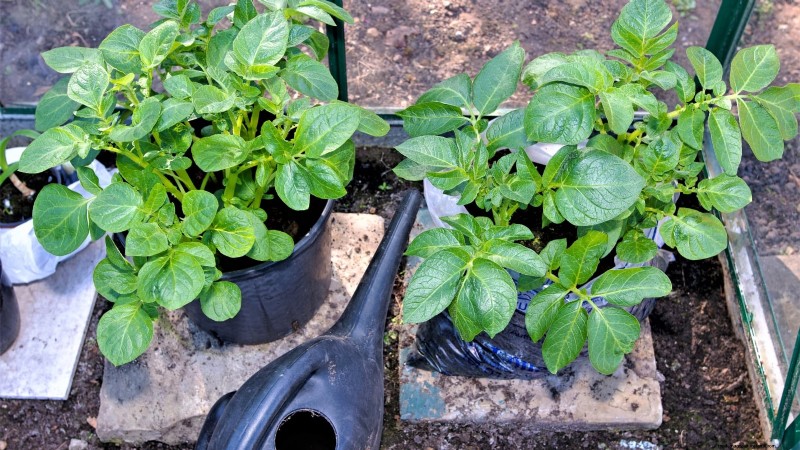
Water the plants at the base, avoiding contact with leaves. This is called a “water‑budget” and reduces the likelihood of mold or mildew.

As the plant grows, add more soil around the base to maintain the protective structure. Exposure to light can produce “toxic” compounds.
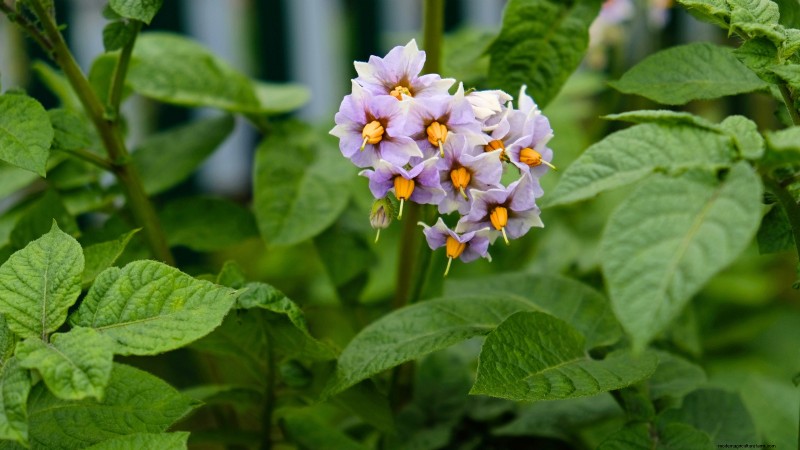
When the plants flower, it signals the end of the growth cycle. For “new potatoes”—young, unripe tubers—this is the ideal time to harvest. Harvest when the plant’s foliage is healthy and the tuber’s skin is fully formed.
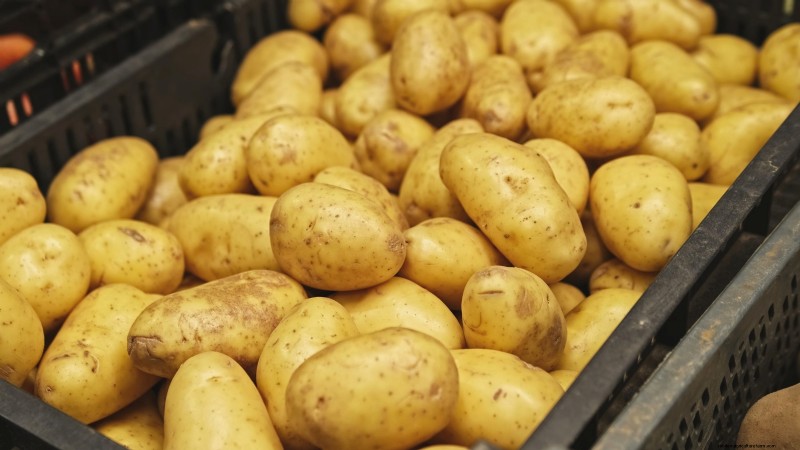
After harvesting, store potatoes in a cool, dry, well‑ventilated area—ideally 45–50°F (7–10°C). Avoid plastic or other materials that can cause damage.
Growing seed potatoes indoors demands careful attention to light, soil, and space. If you can provide consistent light, proper soil, and a well‑structured plan, you’ll enjoy a bountiful indoor harvest.


