
Welcome to Modern Agriculture!

Starting tomato seedlings is an exciting first step in any garden, but early failures can dampen enthusiasm. Tomato seedlings are especially sensitive to a range of issues—overcrowding, nutrient deficiencies, improper watering, and inadequate light. Understanding the signs and knowing how to act quickly can rescue many plants and save time and money.
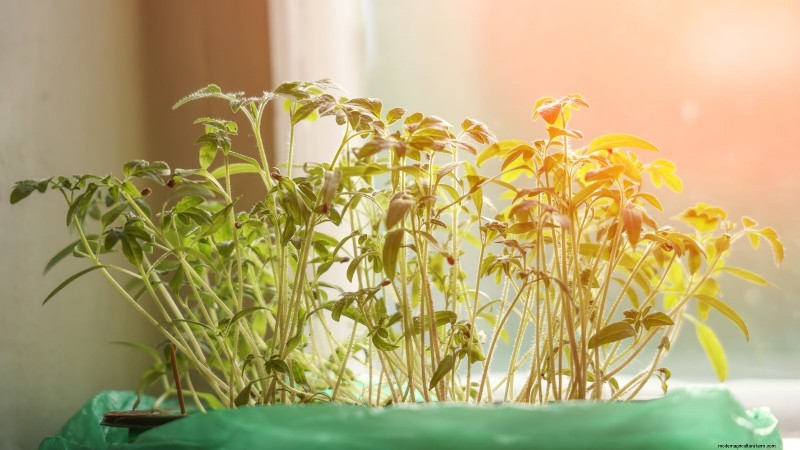
Legginess typically signals low light, known as a light‑stress response. The stems elongate as the plant seeks light, resulting in weak, spindly structures.
Move seedlings to a bright, south‑facing window or provide grow lights positioned 3–4 inches above the top leaves. Adjust the light height as the plant grows. If seedlings are near transplanting, remove one‑third of the lower leaf sets, plant deeply, and allow adventitious roots to form a stronger system.
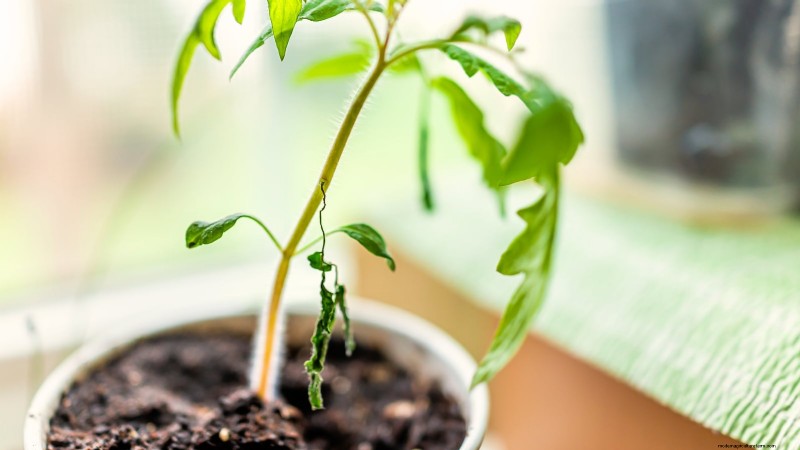
Wilting is usually caused by a lack of water—an under‑watered condition. However, it can also arise from excess moisture that damages root structures.
Check the soil: if it feels dry and brittle, add moisture gradually to fully hydrate the root zone. If the soil is soggy, stop watering for several days, then restore the proper moisture level. Use bottom‑watering trays to allow roots to re‑establish.
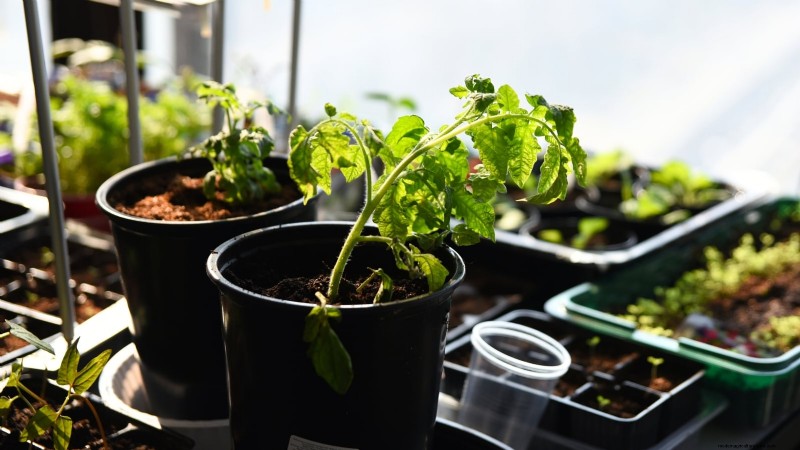
Stem drooping often indicates overwatering. Excess moisture weakens stem tissues, causing the plant to lean or flop.
Re‑pot seedlings in a container with fresh, well‑drained soil. Ensure the pot is deep and wide enough to support the developing root system. Inspect roots for rot before repotting.
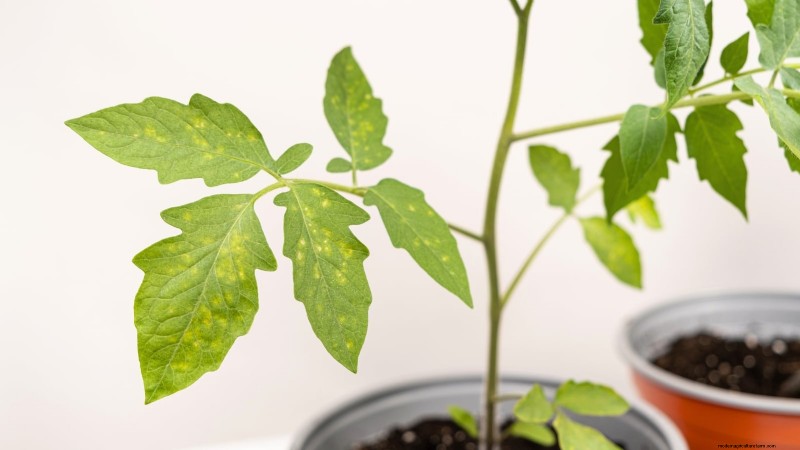
Yellowing, or chlorosis, signals overall plant stress and can stem from temperature fluctuations, insufficient light, or nutrient imbalances.
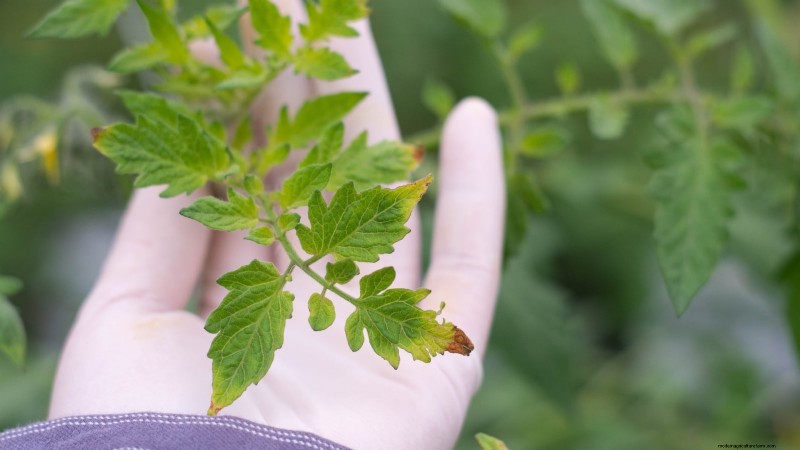
Burnt leaf margins, or nutrient burn, often result from excess fertilizer. This damage is irreversible and usually requires re‑establishing the plant.
Flush the soil with ample water to remove excess nutrients, then transplant the seedling into fresh soil. Avoid fertilizing until transplanting.
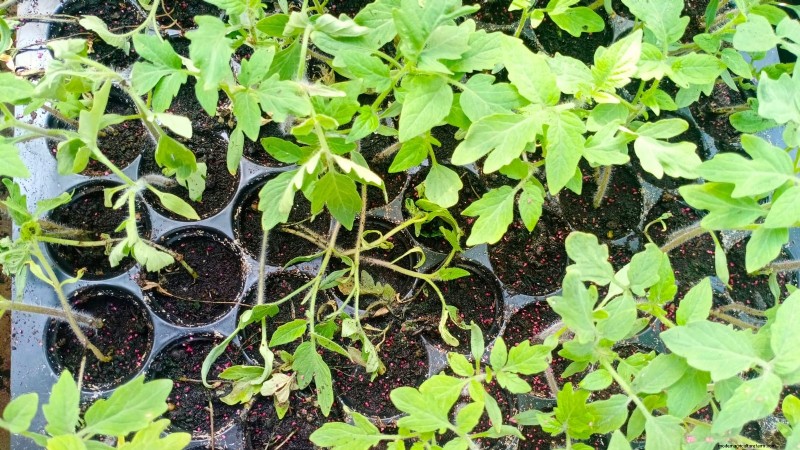
Base‑balling, or damping off, is a fungal disease that thrives in wet soil, leading to collapsed stems and white, fluffy growth at the base.
Prevent the disease by:
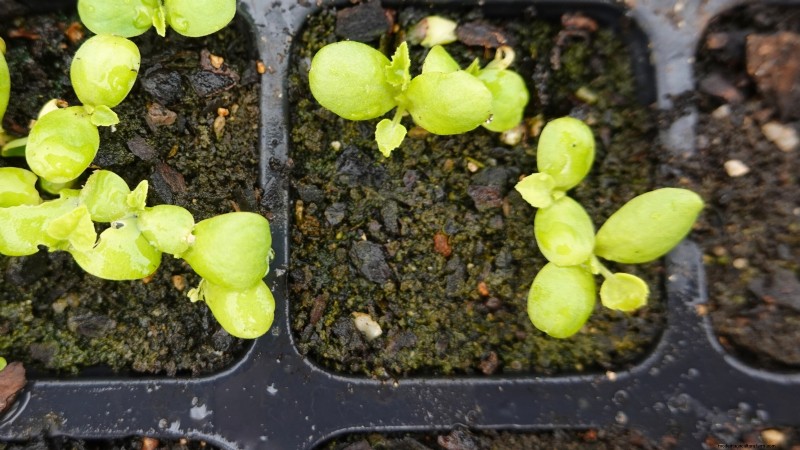
Algae indicates excess moisture or poor drainage, potentially leading to root rot and other complications.
Scrape off algae, aerate the soil, and if drainage is inadequate, repot seedlings in a well‑drained mix. Keep a fan running and consider bottom‑watering to reduce surface saturation.
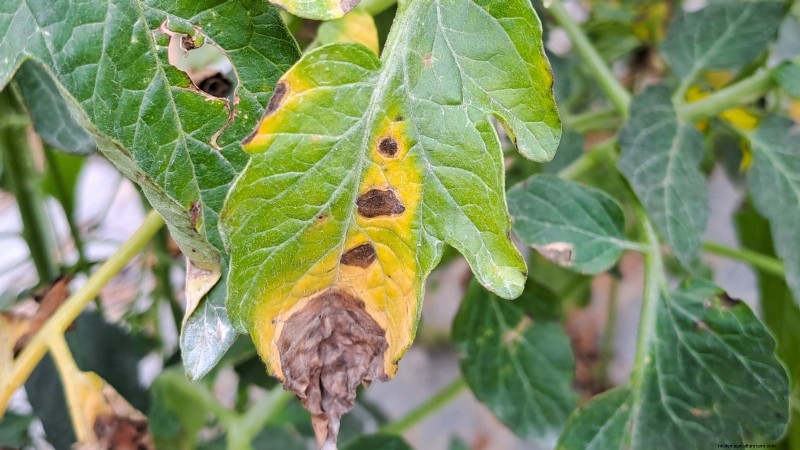
Early blight appears as bulls‑eye spots with concentric rings and can devastate seedlings if untreated.
Remove and discard infected leaves. For limited infection, apply neem oil or an organic fungicide. Avoid composting diseased material to prevent spread.
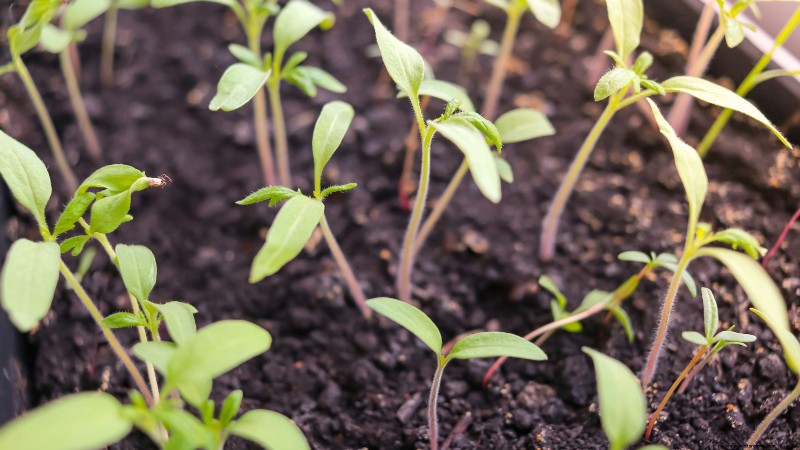
Stunted growth after a few weeks may point to inadequate nutrients, insufficient light, or root‑bound issues.
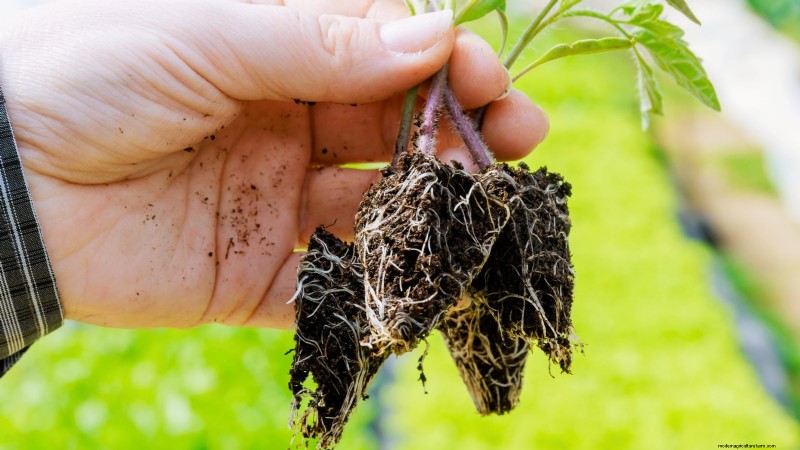
Root binding occurs when roots form tight, knotted networks, signaling that the plant needs more space.
Carefully remove the root ball, loosen tangled roots, and transplant into a larger container. This allows healthy growth and prevents future damage.
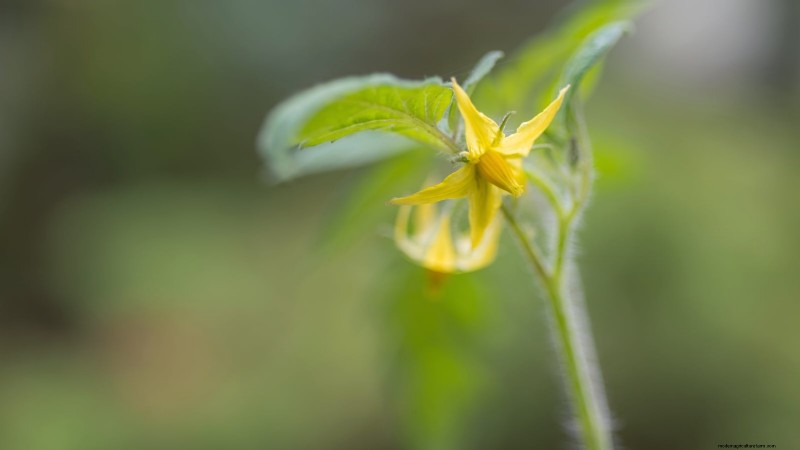
Early flowering is a classic stress response—plants redirect energy to reproduction rather than growth. It can be triggered by rootbinding, temperature shock, or nutrient excess.
Prune any young flowers immediately. Ensure the plant has adequate light, air circulation, and balanced nutrients. If seedlings are stressed, they will not flower.
By systematically addressing light, water, nutrients, and disease, you can restore healthy tomato seedlings and set the stage for a thriving garden.


