
Welcome to Modern Agriculture!

At Epic Gardening, we spotlight growers who practice the same principles we champion. Our founder, Kevin Espiritu, recently visited Mike Greenfield’s home garden on Long Island, New York. Though located far from San Diego, Mike’s system mirrors Kevin’s in its focus on rainwater harvesting, raised‑bed cultivation, and seasonal extension.
Mike uses a dozen different strategies, but he always stresses that gardeners should avoid over‑extending themselves. “Start small and build on what works,” he advises, a principle that keeps his operation sustainable and manageable.

Glass Gem Flint Corn is a high‑yield, heat‑tolerant variety that thrives in raised beds. Mike seeds the crop early in the season for a bountiful harvest.
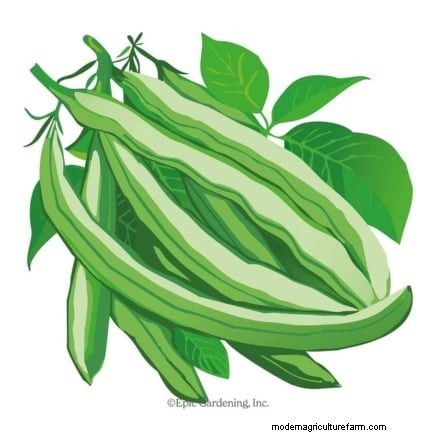
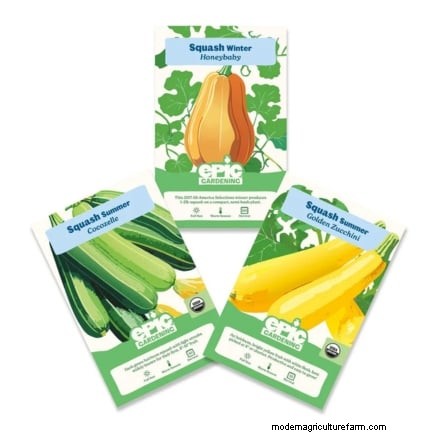
Blue Lake FM‑1K is a prolific pole bean that pairs well with corn in the Three Sisters system.
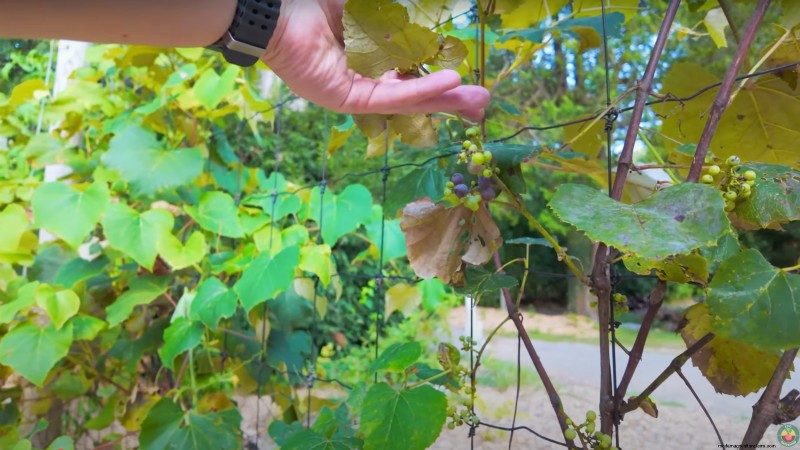
Vining crops such as grapes, hops, and vine‑producing berries can be trained on fences or trellises, freeing valuable ground space. Mike’s garden fence also keeps deer at bay, allowing him to cultivate a variety of climbing plants without compromising security.
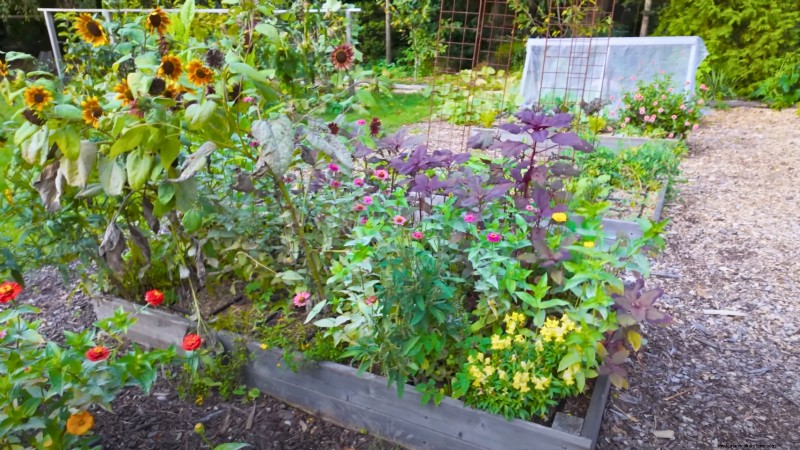
Raised beds heat up quickly in spring and cool down early in fall, extending the growing season. They’re ideal for marginal soils and support perennials, annuals, and vines alike. Mike builds his beds from inexpensive timber, but many gardeners find metal or pre‑assembled wooden kits to be cost‑effective alternatives. A three‑minute cedar kit, for instance, offers durability and rot resistance for years of use.
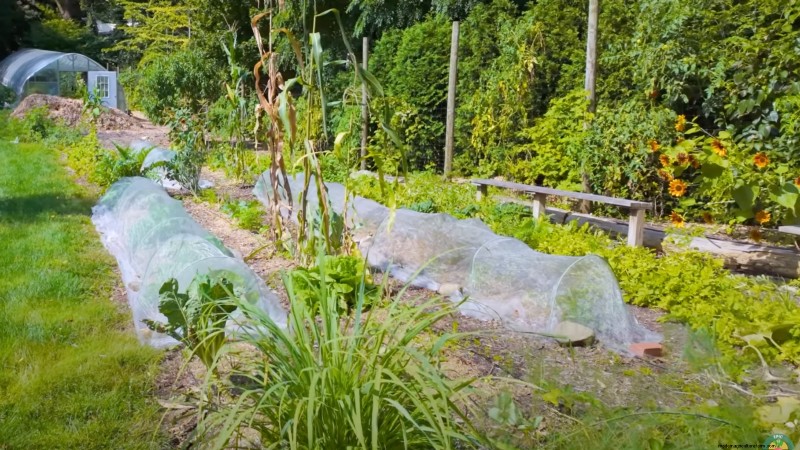
Traditional in‑ground beds, often called the “market farmer” style, are a staple for farmers and backyard growers. To convert a lawn, lay chemical‑free cardboard, top it with compost, and sow seeds. The cardboard suppresses weeds and breaks down, feeding the soil as it degrades.
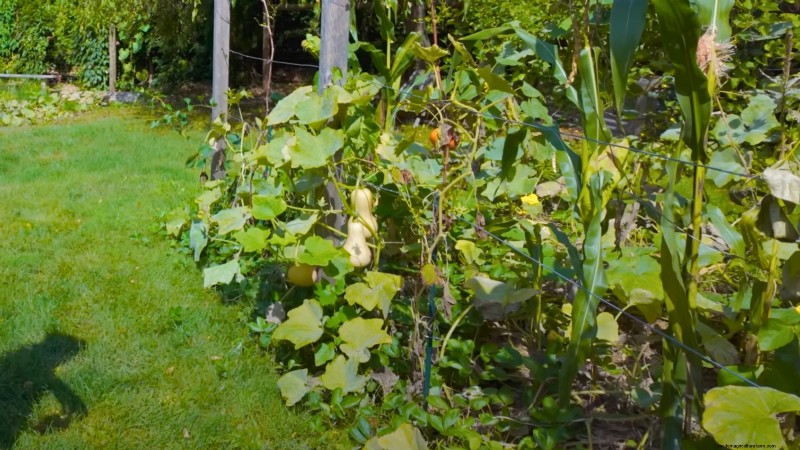
The Three Sisters—corn, beans, and squash—work synergistically. Corn provides a scaffold for beans, beans fix nitrogen, and squash blankets the ground to conserve moisture. Mike’s implementation yielded abundant butternut squash, corn, and beans, illustrating the method’s space‑saving and productive nature.
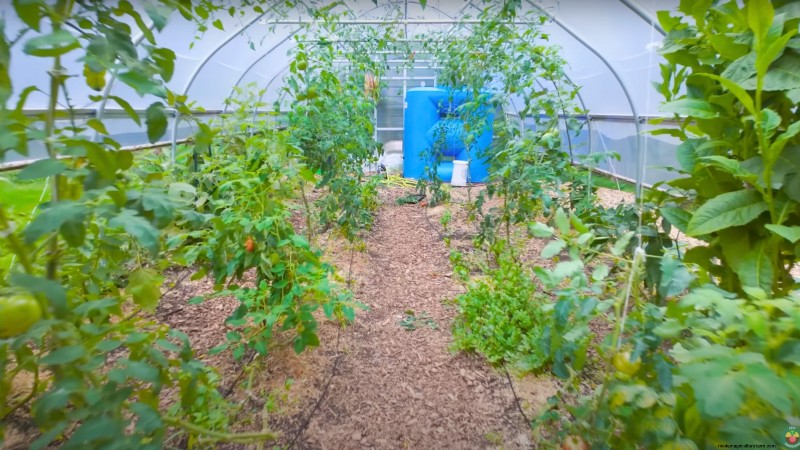
In cold climates, a greenhouse unlocks off‑season production. Even a simple row cover or a DIY greenhouse built with metal hoops and UV‑resistant plastic can extend the growing window, allowing winter tomatoes or late‑season greens.
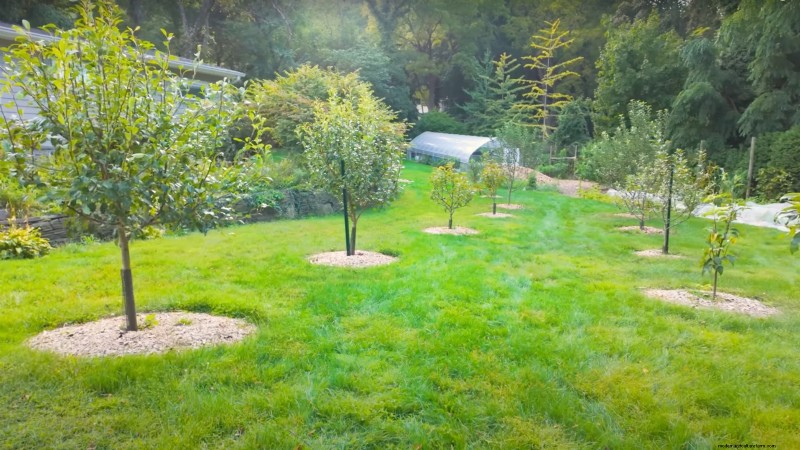
Fruit trees offer a long‑term source of free produce. Semi‑dwarf varieties are ideal for small yards; regular pruning keeps them manageable and encourages fruiting. Bare‑root trees, purchased in fall or late winter, are both economical and perform well when planted before bud break.
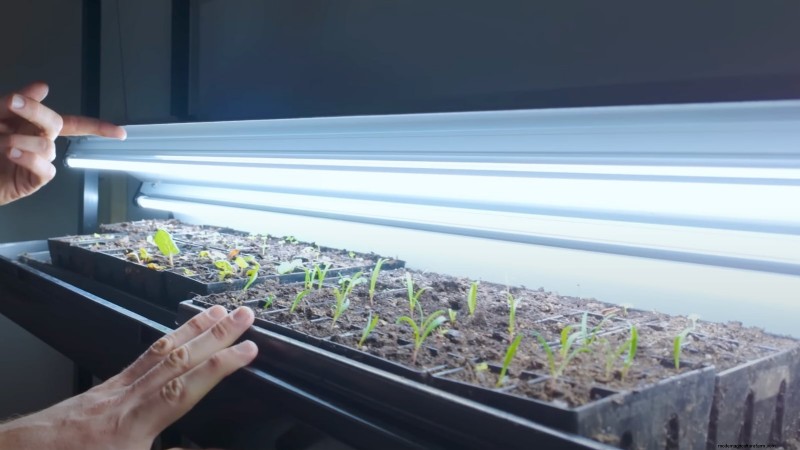
While spring is the traditional planting season, many cool‑tolerant crops—cabbage, kale, cauliflower, beets, and winter radishes—flourish when seeded in late summer for a fall harvest. Beginning seed‑starting indoors during summer months ensures a smooth transition to the next season.
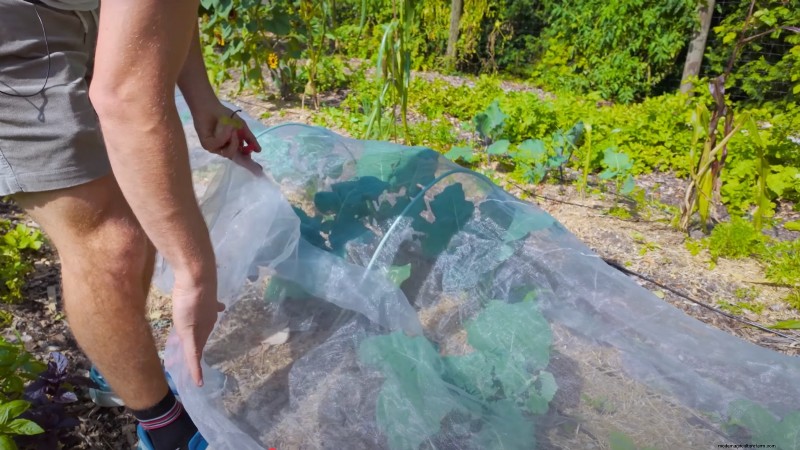
Deer, squirrels, birds, and moles can all damage gardens. Strategies include deer‑fencing, mesh bags for fruit, and row covers for seedlings. Targeted pest control—such as managing aphids, thrips, and worms—maintains plant health without chemical overuse.
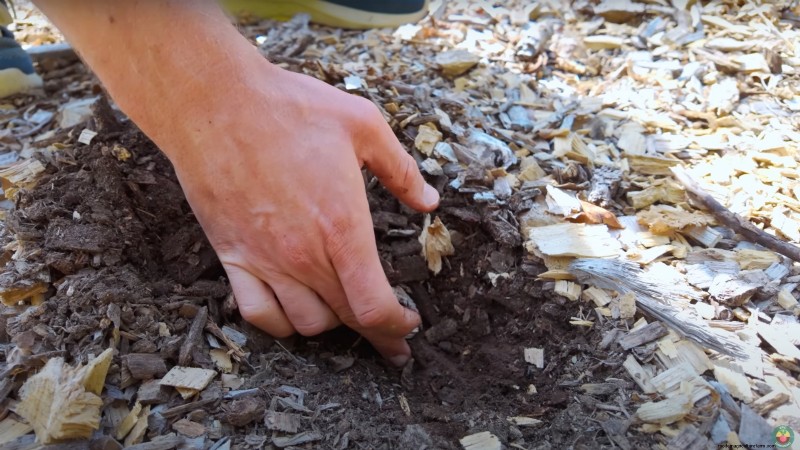
Mulch preserves soil moisture, suppresses weeds, and, when decomposed, enriches the soil with organic matter. Mike often uses free wood chips from local tree‑cutting services; municipalities frequently provide this resource at no cost to residents.
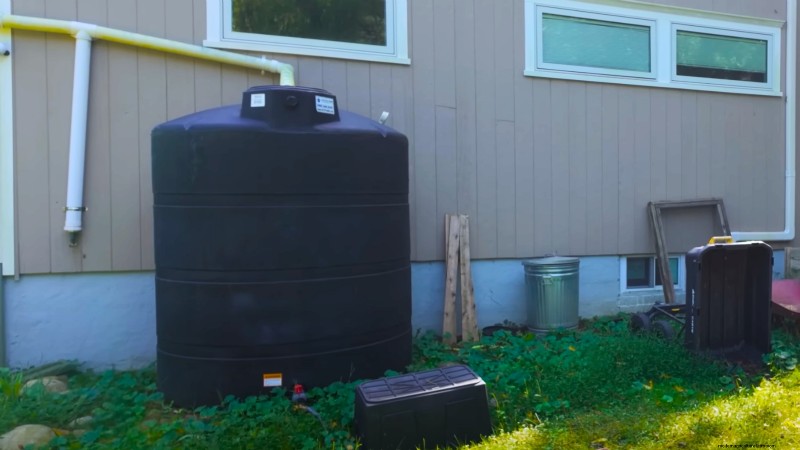
Rainwater is a natural, free resource. By diverting roof runoff into a barrel or tank, gardeners create a reliable irrigation supply, reducing reliance on municipal water and lowering utility bills.
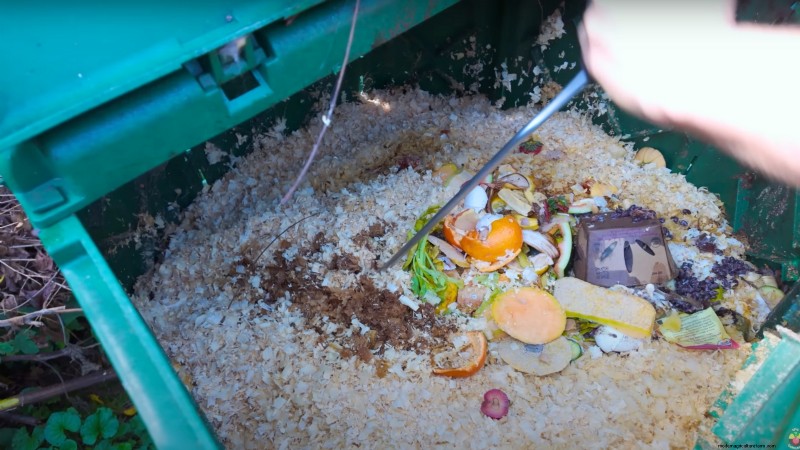
Compost transforms kitchen scraps and garden waste into nutrient‑rich humus. Hot composting—maintaining high temperatures—quickly stabilizes material and eliminates pathogens, while cold composting requires less labor but takes longer to mature. Incorporating compost improves drainage, increases water retention, and turns compacted soils into fertile loam.
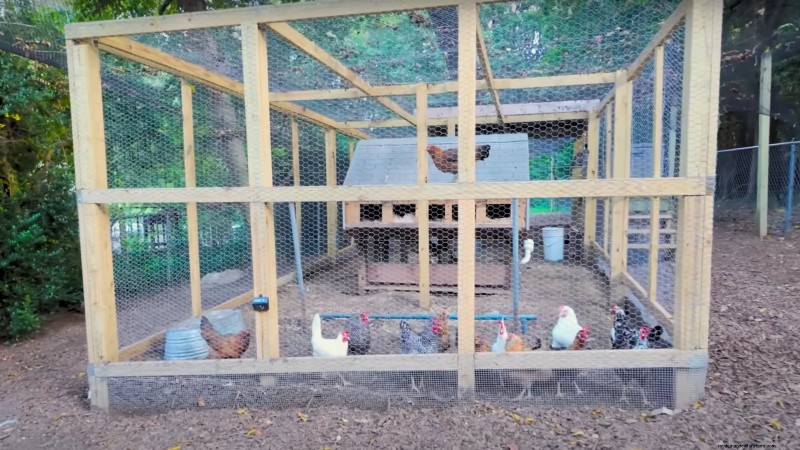
Integrating livestock—chickens, pigs, goats—adds protein to the diet and provides natural fertilizer through manure. Chickens are especially accessible for beginners; they control insects, enrich soil, and deliver fresh eggs.
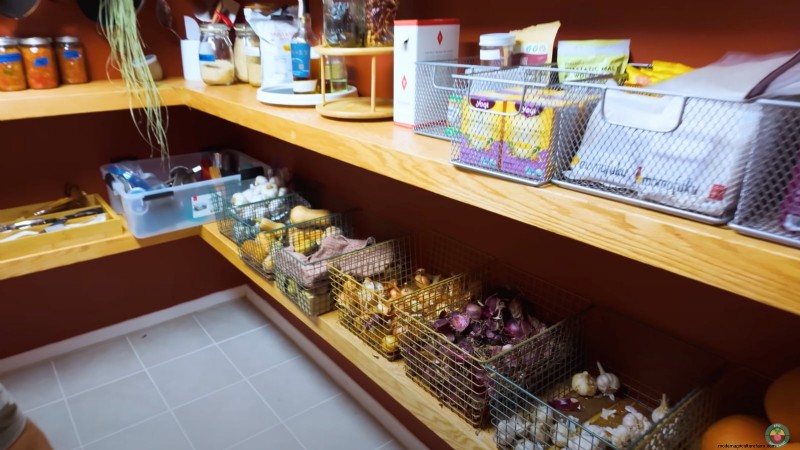
Harvest preservation—canning, fermenting, drying, and freezing—extends the utility of seasonal produce. From homemade tomato sauce to dried chiles, these methods keep nutrients and flavor intact for year‑long enjoyment.


