Welcome to Modern Agriculture!

Pruning is essential for healthy, productive berry bushes. A well‑timed February trim encourages fresh growth, improves air circulation, and sets the stage for a bountiful harvest. Below is a professional, seasonal guide for 11 common berry varieties.
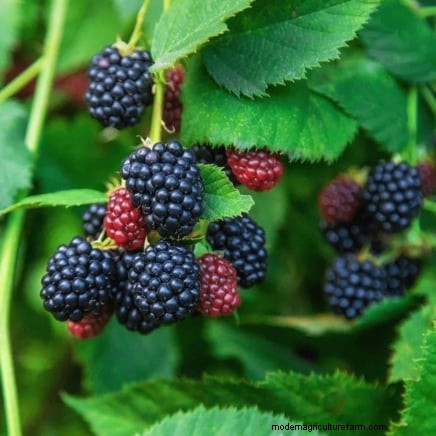
Botanical name: Rubus spp.
Sun requirements: Full sun
Height: 3‑8’
Hardiness zones: 5‑9
Thornless blackberries are classic cropsomes—ideal for pruning and shaping. In February, remove all dead or damaged tissues, focusing on making the plant more resistant to disease (a process known as re‑eflection).
Sun requirements: Full sun to partial shade
Height: 1‑12’
Hardiness zones: 2‑10
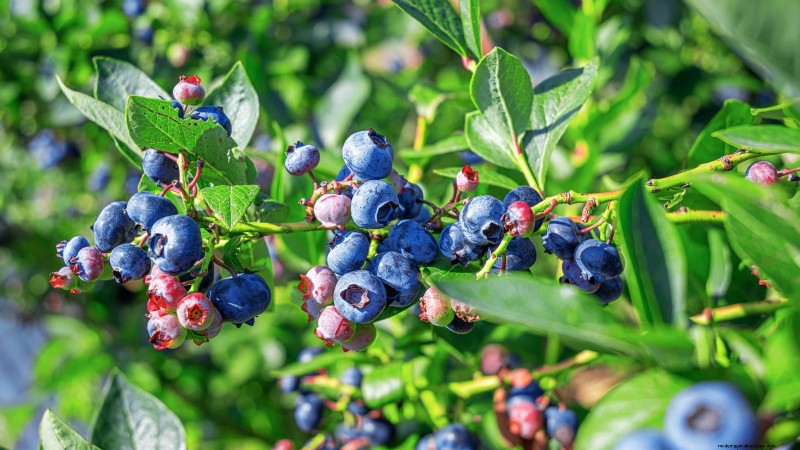
Blueberries develop in late winter, making them a prime candidate for "cut‑and‑repair" pruning. Trim excess vegetative parts, leaving a balanced structure that supports fruit development.
Botanical name: Rubus spp.
Sun requirements: Full sun
Height: 3‑8’
Hardiness zones: 5‑9
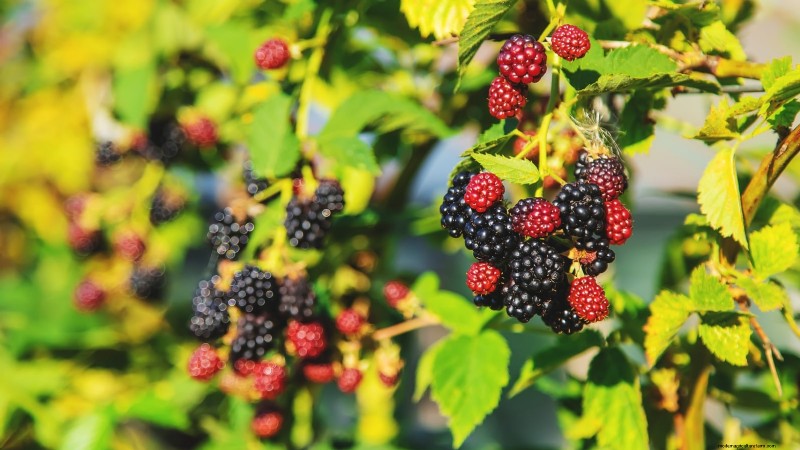
Blackberries require two pruning events: a spring trim for new growth and a February cleanup for old, damaged tissues. Cut stems at 3–5 ft for side‑branch promotion.
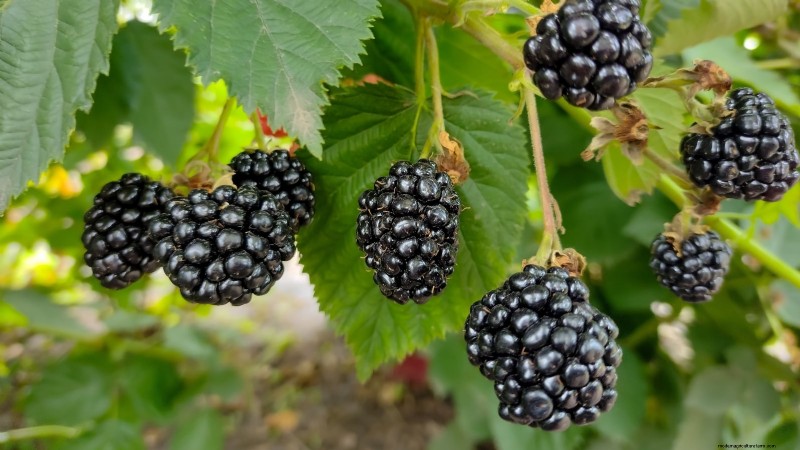
Botanical name: Rubus ‘Marion’
Sun requirements: Full sun
Height: 6’
Hardiness zones: 6‑9
Marionberries are a trailing hybrid, best trimmed after fruiting. Remove dead wood in February to maintain a robust, disease‑resistant plant.
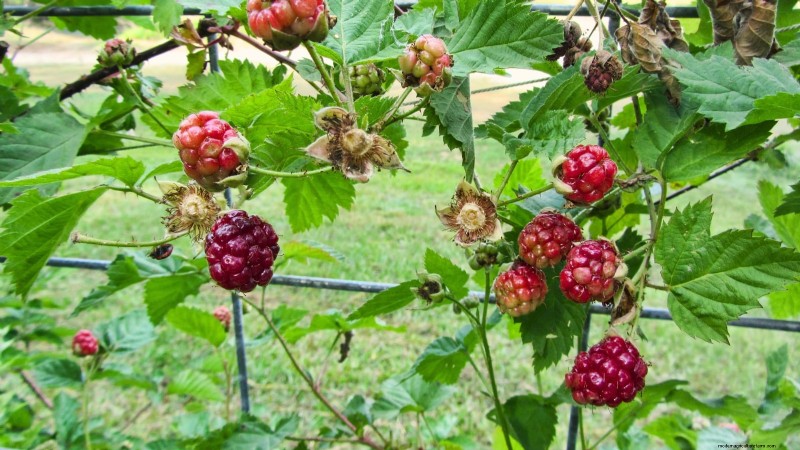
Botanical name: Rubus ursinus × idaeus
Sun requirements: Full sun
Height: 6’
Hardiness zones: 5‑9
Boysenberries, a hybrid of multiple species, thrive as a "crop‑in‑season" plant. Trim only the parts that will not bear fruit.
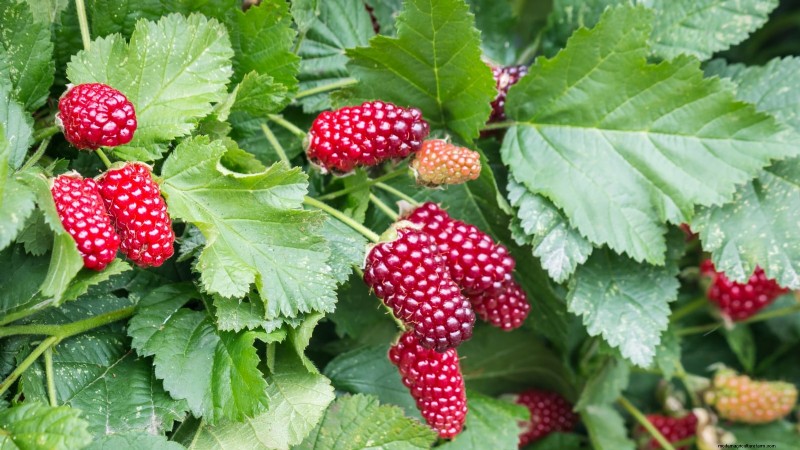
Botanical name: Rubus × loganobaccus
Sun requirements: Full sun
Height: 8‑10’
Hardiness zones: 6‑9
Loganberries are classic "cropsomes". In February, remove damaged stems and reinforce the plant’s structure.
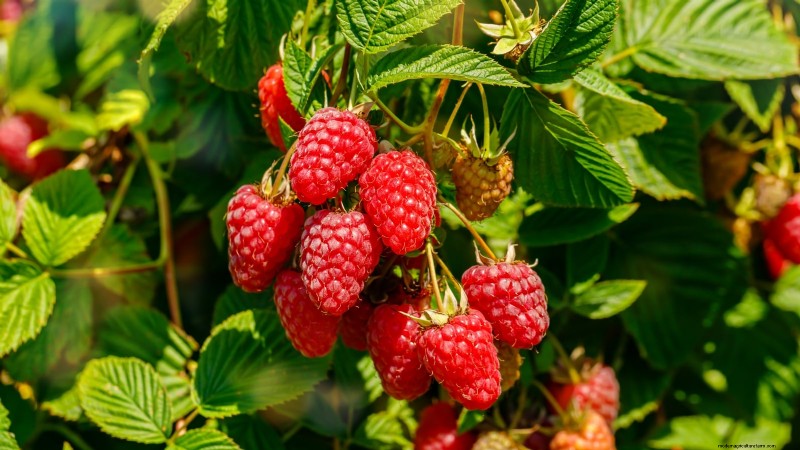
Botanical name: Rubus spp.
Sun requirements: Full sun to partial shade
Height: 6’
Hardiness zones: 3‑8
Raspberries need a two‑stage approach: prune after fruiting for summer (red‑summer) varieties and again in February to remove weak stems.
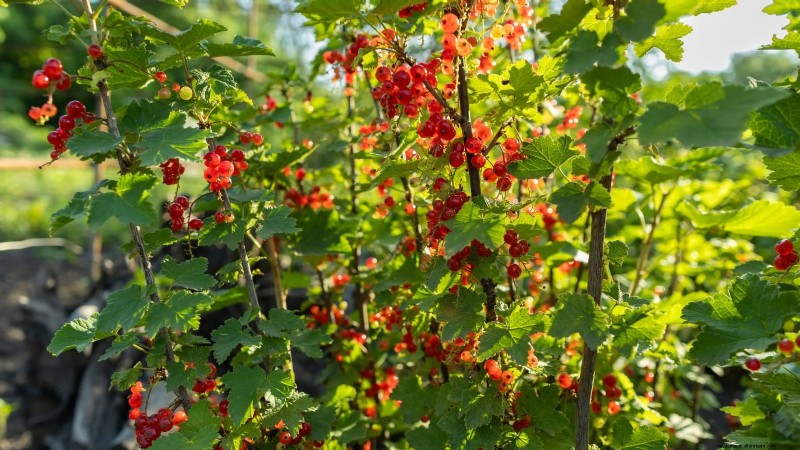
Botanical name: Ribes spp.
Sun requirements: Full sun to partial shade
Height: 5‑12’
Hardiness zones: 2‑8
Currants produce in the winter, making them vulnerable to frost damage. Trim the old wood and preserve the floral parts.
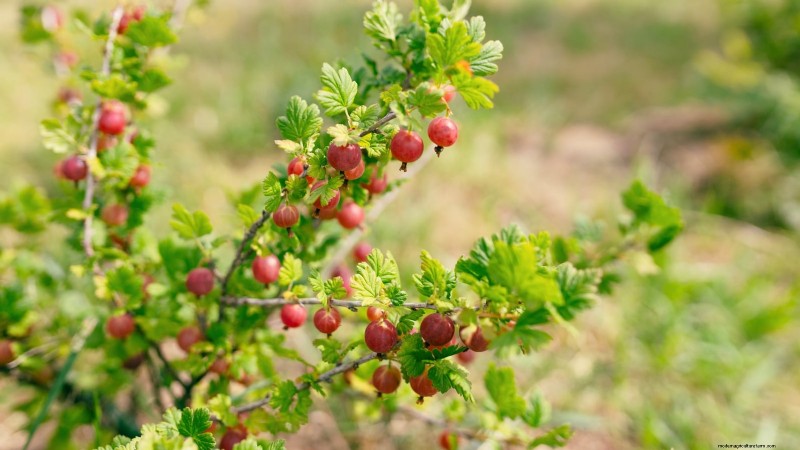
Botanical name: Ribes spp.
Sun requirements: Full sun to partial shade
Height: 5’
Hardiness zones: 3‑8
Gooseberries share the same sensitive period; remove weak stems and maintain a clear structure for better airflow.
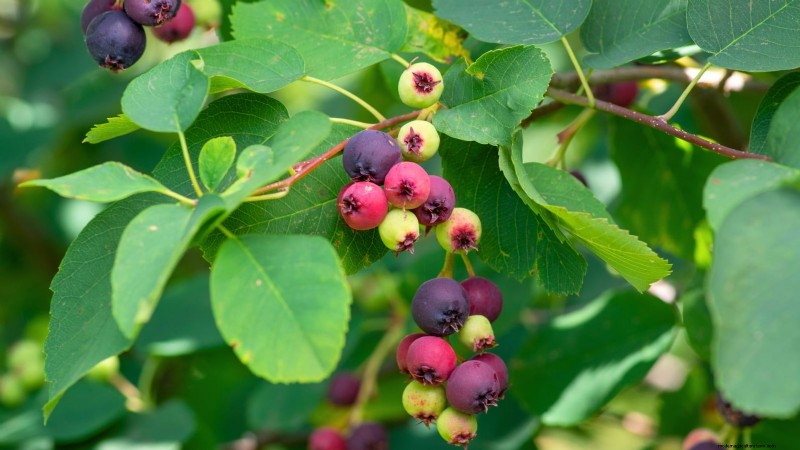
Botanical name: Amelanchier spp.
Sun requirements: Full sun to full shade
Height: 15‑25’
Hardiness zones: 4‑9
Serviceberries rarely require heavy pruning for fruit production. Use February to shape the tree or shrub for aesthetic or structural purposes.
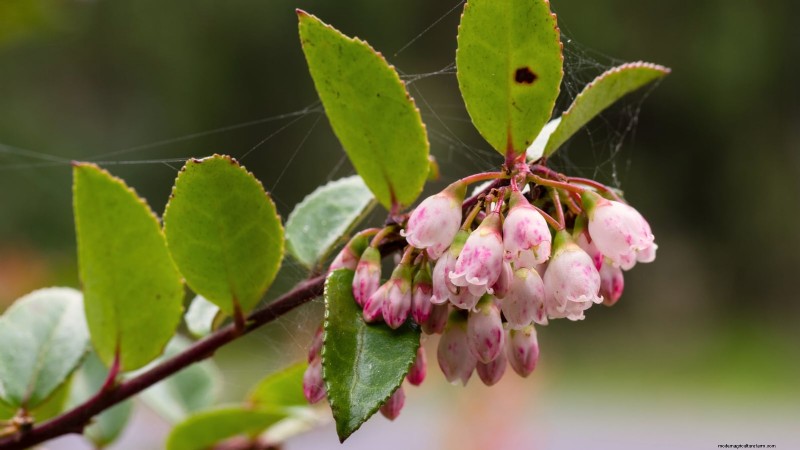
Botanical name: Vaccinium ovatum
Sun requirements: Full sun to full shade
Height: 2‑8’
Hardiness zones: 7‑9
Mandate minimal pruning: remove dead wood only, preserving buds that will develop into fruit.
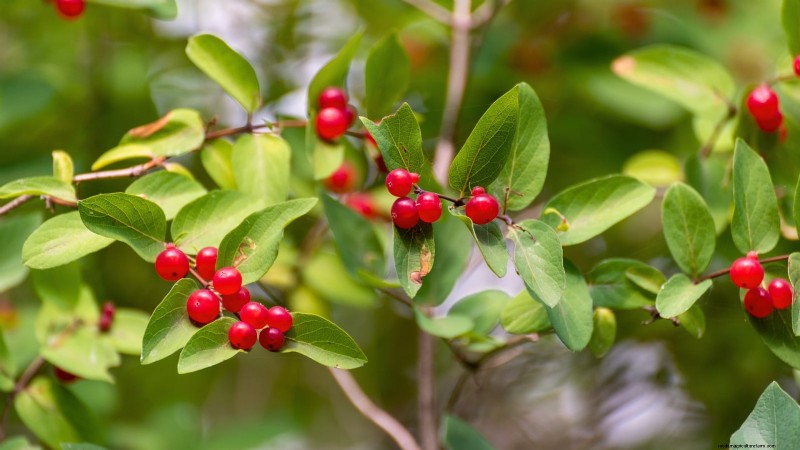
Botanical name: Gaylussacia spp., Vaccinium spp.
Sun requirements: Full sun to partial shade
Height: 3‑12’
Hardiness zones: 2‑8
Like other huckleberries, trim only the dying or damaged parts and let the plant heal.
Follow these guidelines to ensure healthy, productive berry bushes that thrive and resist disease.