
Welcome to Modern Agriculture!

Thyme is one of the world’s most used herbs. It comes from the dry, rocky hills and mountains of the Mediterranean and Middle East. It belongs to the Lamiaceae family of plants, which also includes mints and sages.
The herb’s history goes back thousands of years. The Sumerians and Egyptians used it to embalm their dead, while the Romans infused it in wine. It’s a staple in Middle Eastern za’atar seasoning and French Herbes de Provence.
Like oregano, rosemary, and sage, thyme is a popular edible in most outdoor gardens. Fortunately, it thrives indoors too! In just a few easy-to-follow steps, you can grow healthy thyme indoors.
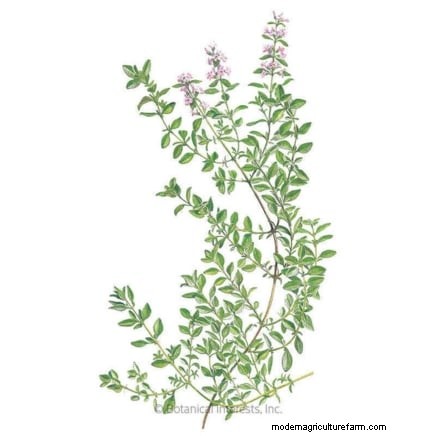
English Thyme
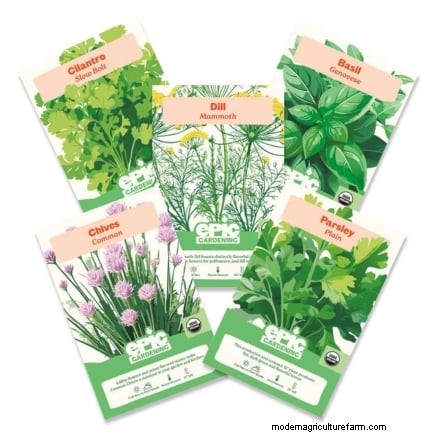
Herb Bundle
Epic x Drippy Pot
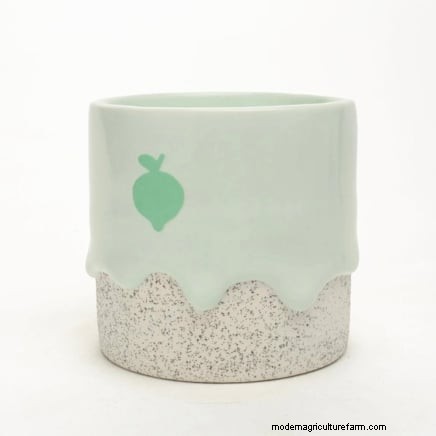
Epic x Drippy Pots Planter
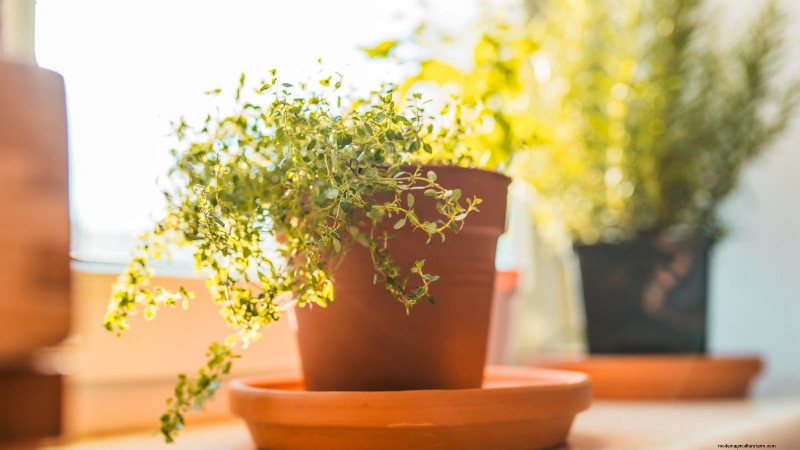 Sunny spots help herbs flourish and stay strong.
You can grow thyme indoors anywhere in your home as long as you have plenty of bright, indirect light. If you have a window with direct sun, even better. It needs at least 6 to 8 hours of sunlight to thrive. Some varieties can stand the shade.
If you have a greenhouse, any species will flourish. For most homes, kitchens work well as long as they have plenty of windows. If your kitchen isn’t an option, try thyme as a centerpiece in your living room.
If your space is completely dark, you can grow your plants under grow lights. These full-spectrum LEDs mimic the sun and provide your plants with all the light they need.
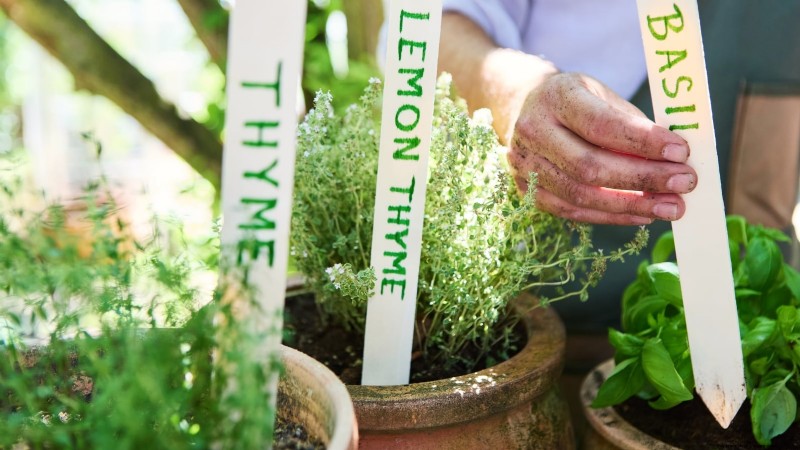 Try different varieties for a diverse herb collection.
There are over 350 species of thyme and dozens of varieties and hybrids that you can grow indoors. Some are grown as ground covers, while others are grown just for their edible leaves. You can find most varieties in seed stores, online markets, or your local nursery.
Most varieties will thrive indoors if they have enough light. These plants are usually short in stature and easy to control. If you have the space, try growing several varieties at once. Below are the most common species to grow in your indoor herb garden.
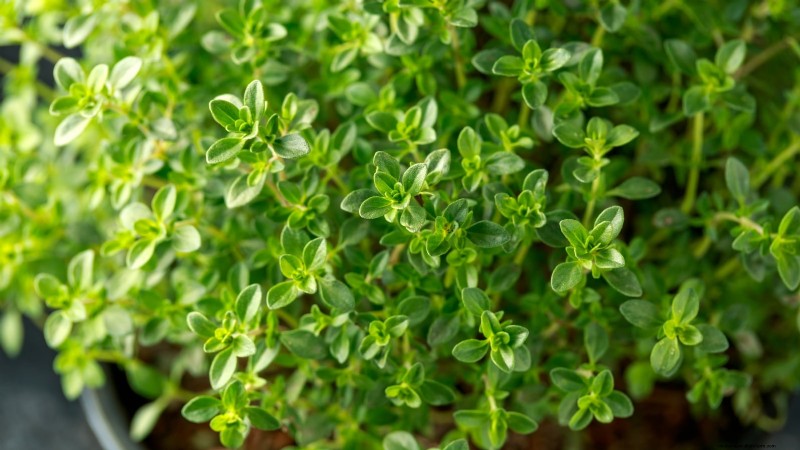 Enjoy deep green leaves and rich flavor in cooking.
Common thyme is the most popular edible species. It’s easy to grow in indoor containers and can grow up to 2 feet wide if left unpruned. It has deep green, oval leaves, beautiful aromatics, and wonderful flavor.
If you’re new to growing thyme or want something classic, common thyme is your best option. Its flavor works in poultry, stews, Middle Eastern cuisine, and Thanksgiving stuffing.
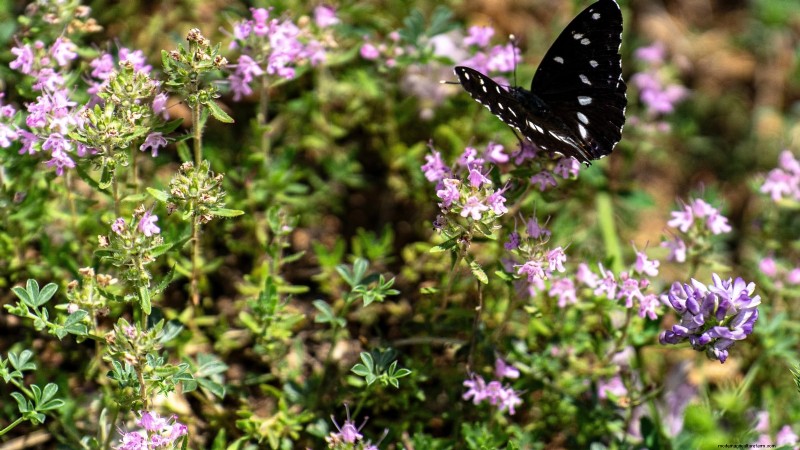 It adds rich flavor to dishes without taking up space.
Camphor thyme is mildly bitter but has an intense flavor that’s perfect for stews and soups. It’s one of the shortest species you can grow, making it perfect for indoor containers.
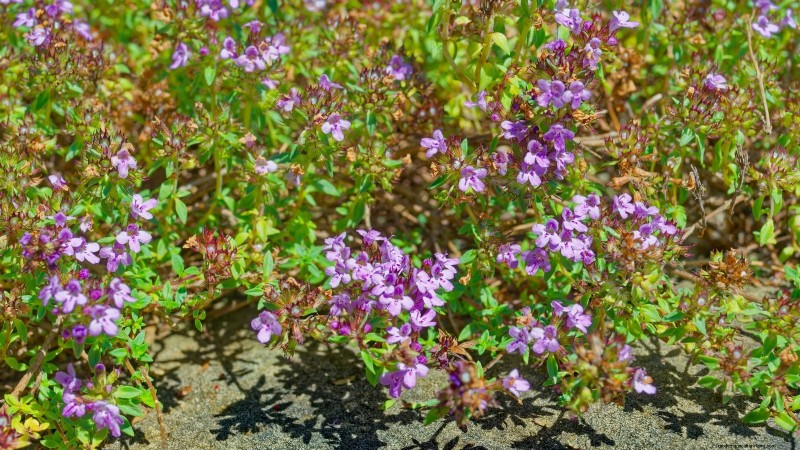 A wide container ensures vibrant growth and tasty leaves.
Caraway-scented thyme grows great in wide mats of foliage. You’ll need a wide container to get the most out of this spacious variety.
This delicious variety tastes just like caraway seeds. It has vigorous growth, giving you plenty of delicious leaves and flowers to harvest.
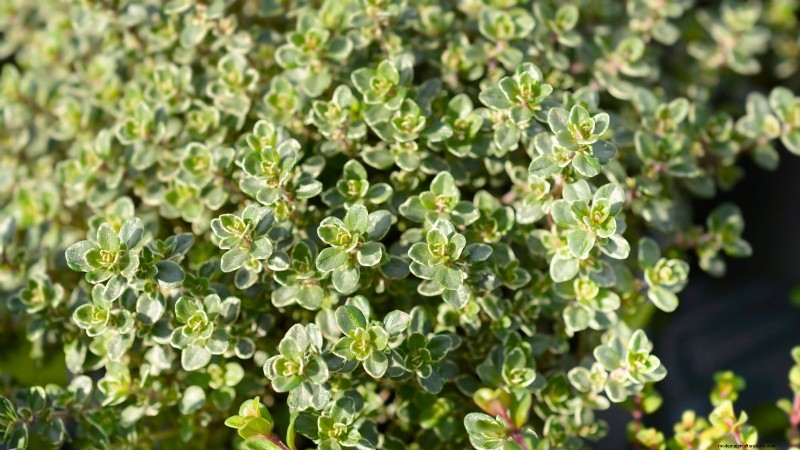 Delicate flavor pairs wonderfully with seafood and Mediterranean dishes.
Lemon thyme is my favorite to use in Mediterranean seafood dishes and Middle Eastern za’atar spice blends, and it’s lovely for growing indoors. It has a mild lemon fragrance and a delicate herbal flavor. It grows up to 1 foot high and needs a larger container when it matures.
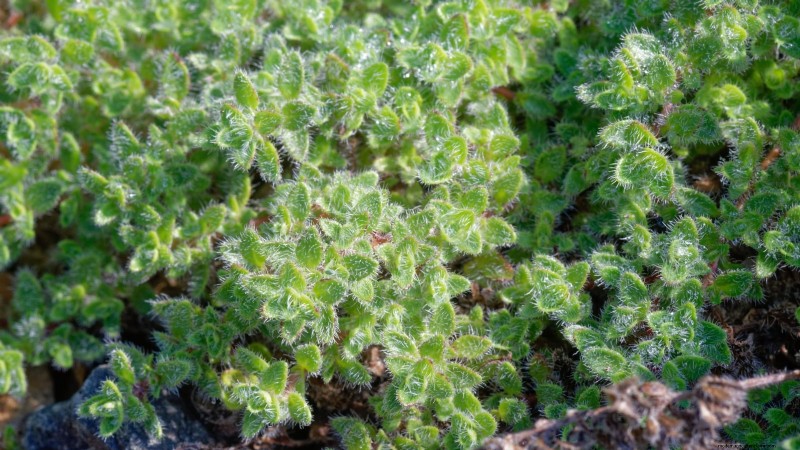 Its unique foliage makes it a perfect indoor accent.
Wooly thyme is a wonderful ornamental variety with fuzzy leaves and big, bushy foliage. Although it’s edible, its true charm lies in its looks. Grow it as a unique houseplant or an aromatic addition to your indoor garden.
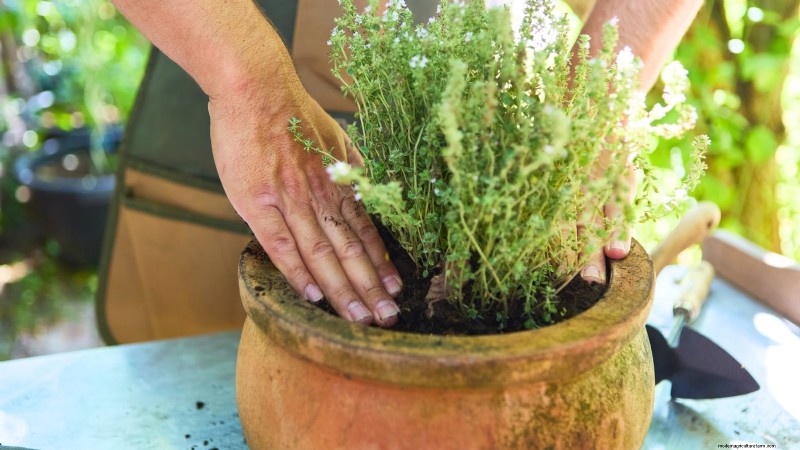 This low-maintenance herb loves bright light and well-drained soil.
This low-lying Mediterranean herb stays small for most of its life. It doesn’t need a large container to thrive. As long as it gets enough light and has well-drained, slightly alkaline soil, it will grow in just about anything.
The best containers for indoor plants include ceramic pots 4 inches in diameter or larger. Hanging baskets also work well. The plant’s shallow roots don’t need a lot of soil or surface area.
If you use a plastic container, find one that’s BPA-free and high-quality. Try terracotta pots or your favorite quirky designs. Whatever you choose, make sure it has good drainage holes to prevent the soil from holding too much water.
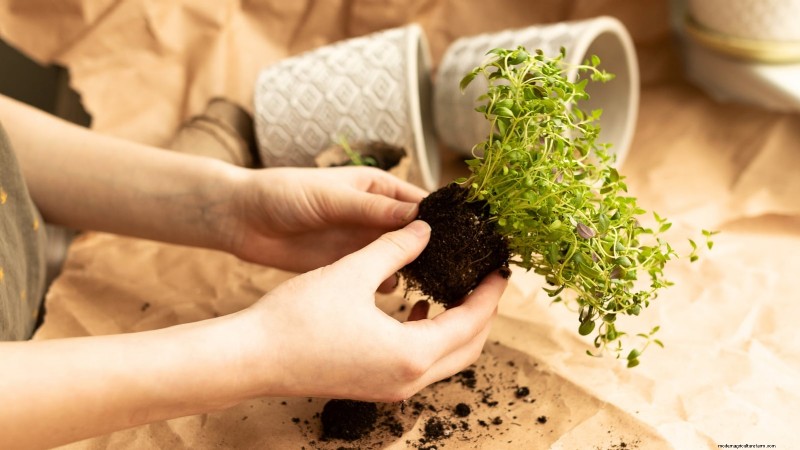 Starter plants are a quick way to get started.
Thyme takes a long time to germinate. If you’re a beginning gardener or don’t have a lot of time on your hands, starters may be the way to go. You can buy starter plants at your local nursery and transplant them to your favorite container.
Growing thyme indoors by seed is the best way to grow a larger variety. Seeds are diverse, inexpensive, and easy to find. Thyme seeds are tiny and take up to 28 days to germinate.
Starting your seeds indoors is a lot of fun if you have the time. Below are the steps to growing thyme seeds indoors.
Purchase your seeds online or at your local nursery. Look for organic seeds from a reputable supplier.
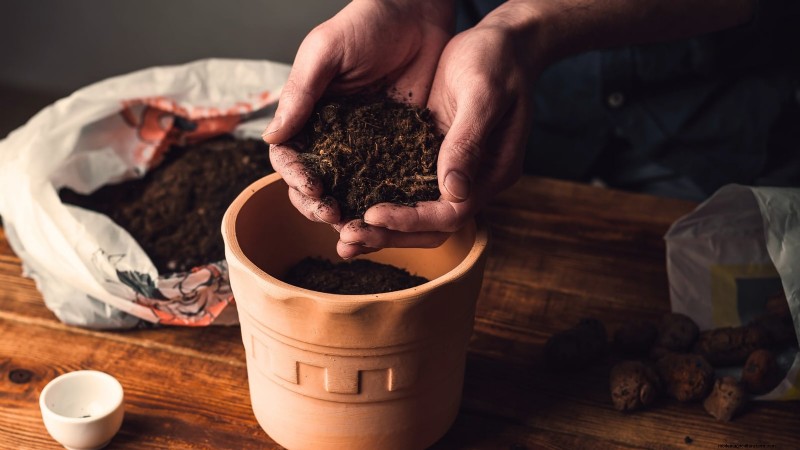 Well-drained, rocky soil ensures happy, thriving plants.
Being a Mediterranean herb, thyme thrives in poor soil with plenty of rocks and gravel. It prefers a well-drained, slightly alkaline growing medium.
Try making your soil with a mixture of organic compost, perlite, gravel, horticultural sand, and vermiculite. As long as it’s well-drained, it should be perfect for your plants.
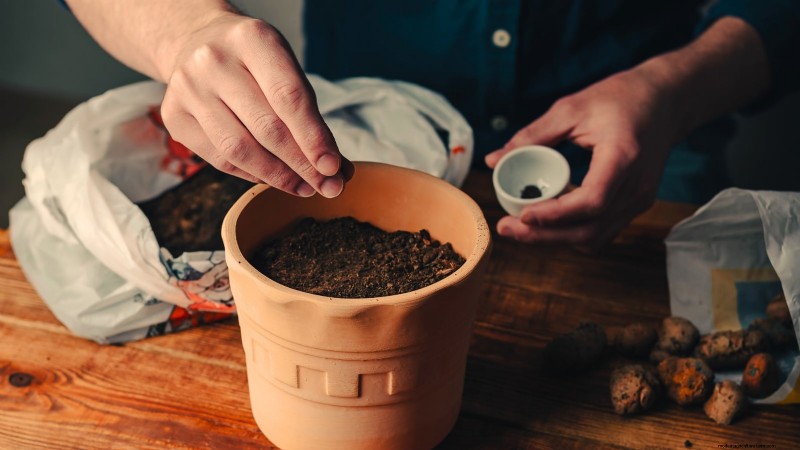 Ensure good drainage and lightly cover seeds for success.
Sow your seeds directly in their container. Any container works well as long as it has enough drainage holes to prevent waterlogging.
Scatter the seeds over the surface and cover them with a very thin layer of soil. The less soil covering them, the better. If they’re too deep, they won’t germinate.
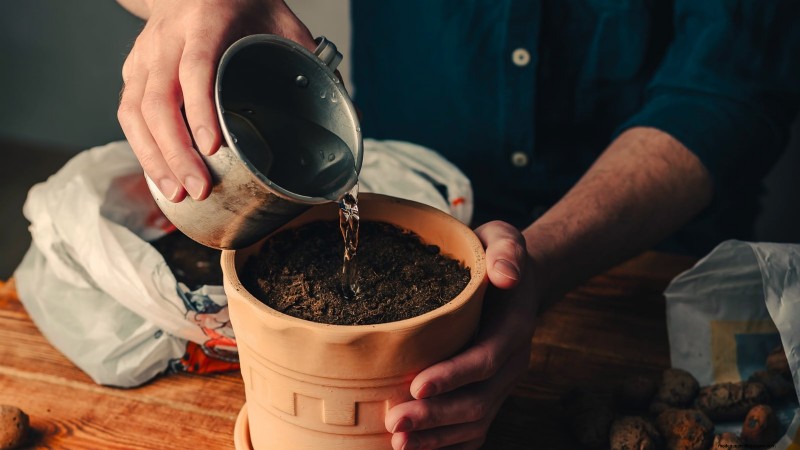 Water seeds well and use a germination dome for moisture.
Give your seeds a good watering to moisten the soil. Cover with a germination dome to keep them moist.
Keep the soil moist throughout the germination phase. If it dries out, it could stop your seedlings from emerging.
Move your container to a bright location with plenty of direct sunlight or bright indirect light. In a few weeks, the first seedlings should appear. If your soil temperature tends to be cool, use a heat mat to get the warmth up to 60-70°F (16-21°C).
When your seedlings emerge, reduce your watering schedule. You can transplant them to a new container once they sprout their first leaves and reach 4 inches tall.
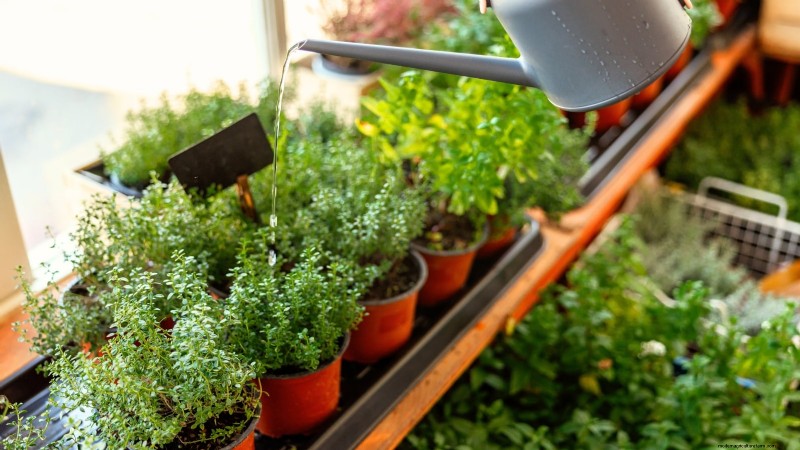 Deep watering promotes thriving plants with concentrated flavor.
Thyme is drought-resistant. A little water stress concentrates more flavorful essential oils in the leaves. It also mimics its natural habitat in the dry hills of the Mediterranean, North Africa, and the Middle East.
Now that your plants are thriving in their new containers, reduce their water schedule to when the soil completely dries out. Give your plants a thorough watering to soak the roots. When the soil dries up again, it’s time for another deep soaking.
Your indoor plants will respond well by producing fuller growth. The biggest mistake gardeners make with this herb is overwatering. If you see brown foliage and stunted growth, you could be watering too frequently.
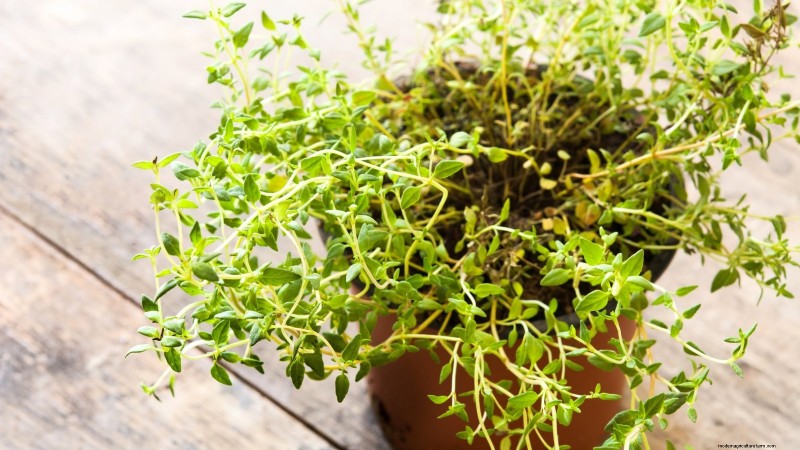 Root rot prevention starts with careful watering habits.
Like other aromatic Mediterranean herbs, thyme is very resistant to pests. You usually don’t have to worry about infestations, especially indoors. However, it’s still possible a few critters can hitch a ride and make it to your plants.
Check for aphids and spider mites. Check for webbing and signs of sticky honeydew on the leaves. If you see stunted growth or discolored leaves, it could be a sign of infestations.
The most common disease to look for is root rot. Several soil-born fungi cause this disease. The most common way to prevent root rot is not overwattering your plants.
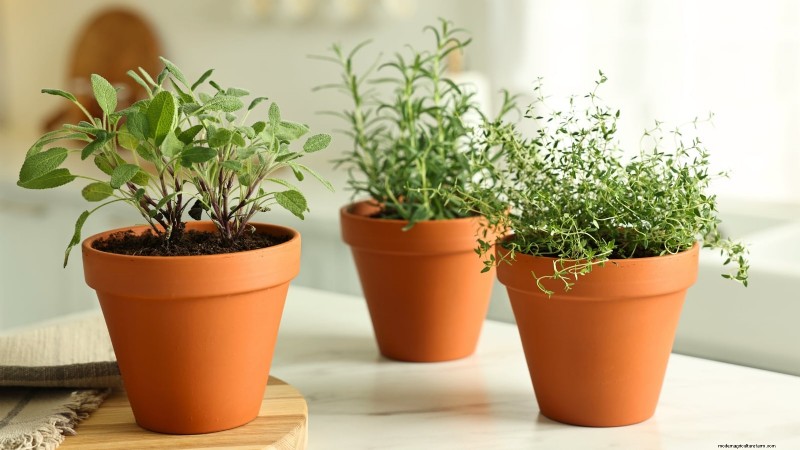 Grow an aromatic herb collection for easy indoor gardening.
In the wild, thyme grows near other aromatic herbs. You’ll find it alongside rosemary, oregano, and marjoram on the dry hillsides of southern Europe.
Mimic its natural environment and grow the ultimate edible indoor garden by planting it with other herbs. Oregano, rosemary, marjoram, and fennel grow well in indoor containers.
If you’re a foodie gardener, having access to all these fresh herbs in one space is a luxury. They’re also easy to maintain together because of their similar watering and harvesting schedules.
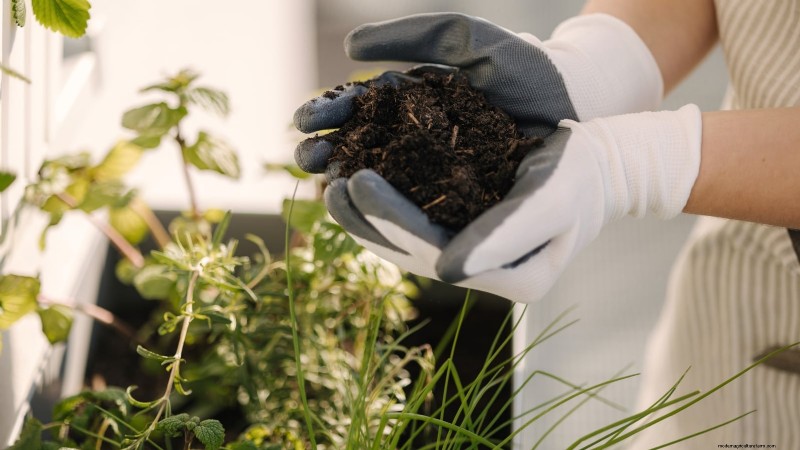 Use organic compost to nourish your plants naturally.
Your plants are not heavy feeders. Skip the fertilizer and rely on organic compost in the spring. This should be enough to increase the soil’s nutrient content and help encourage new growth.
Add a small amount of compost around the soil and water it thoroughly. Don’t add too much to the soil, or your plants could become overfed. Thyme prefers to grow in poor-quality soil with very little organic material.
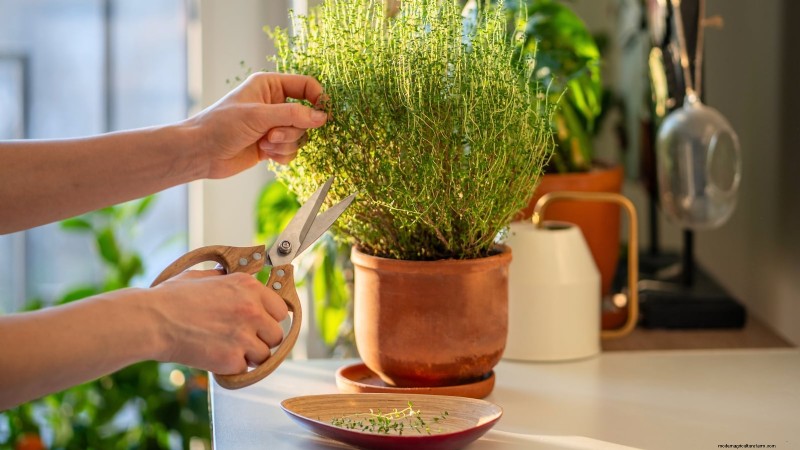 Harvesting regularly encourages abundant, flavorful new growth.
Once it’s established, thyme grows fast and abundantly. You’ll see new growth form in big clusters. If you leave your plants untrimmed, they may become unruly. Pruning or harvesting your plants encourages tender new growth, which is what you want for your cuisine.
Harvest their leaves often by clipping the stems about 5 or 6 inches above the base. If your plant is young, limit your harvest to only an inch or two.
Prune the woody growth and use the young new growth in your cooking. If you have too much to use, simply dry it out and store it in jars. Dried thyme leaves will last several months.
Once your plants are thriving in their indoor containers, they should last for several years. Give them plenty of sun and water infrequently.
Instead of repotting your mature plants when they get too big, consider digging up a small section and dividing them. Divided plants will produce new plants that you can grow or give away to friends and family.


